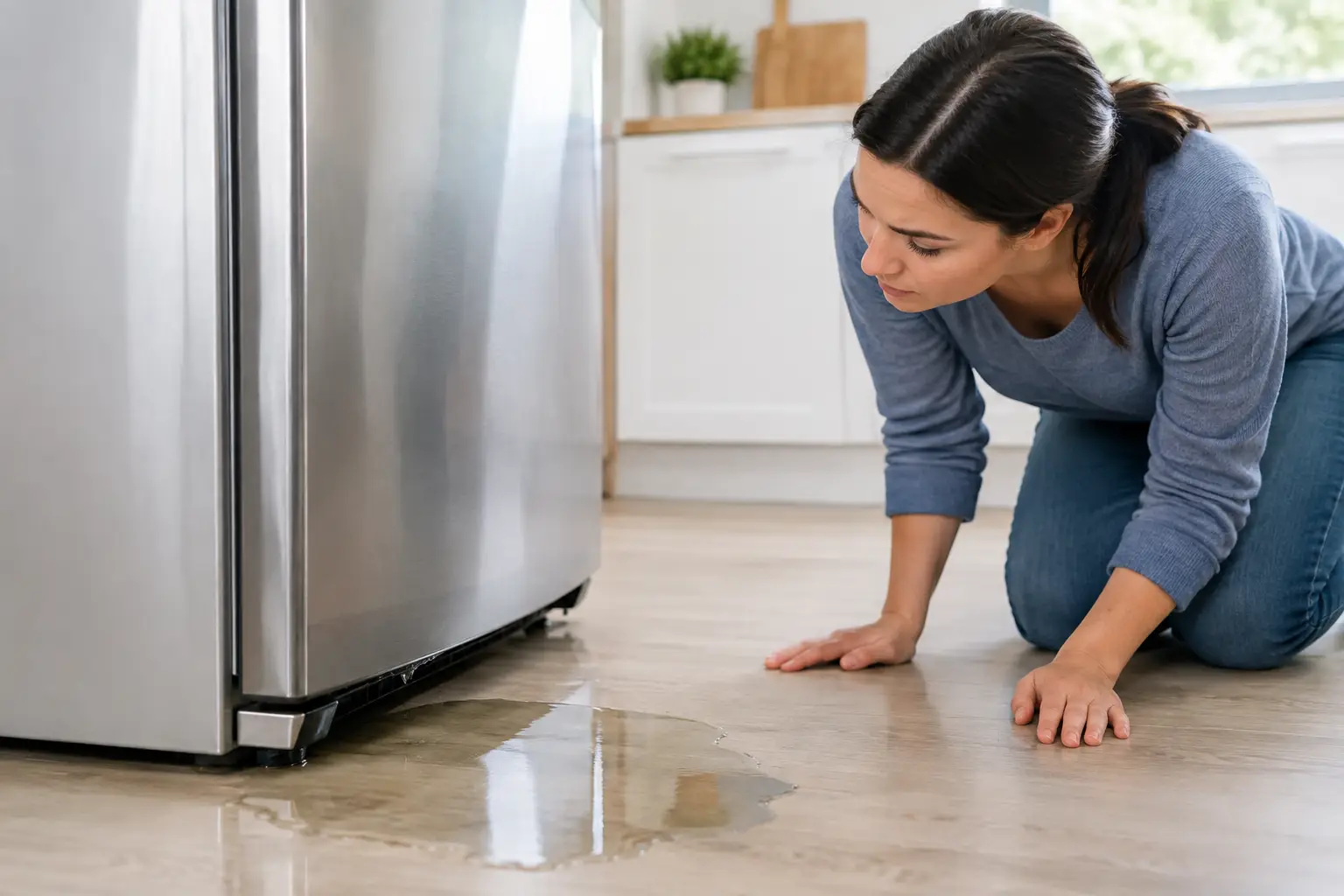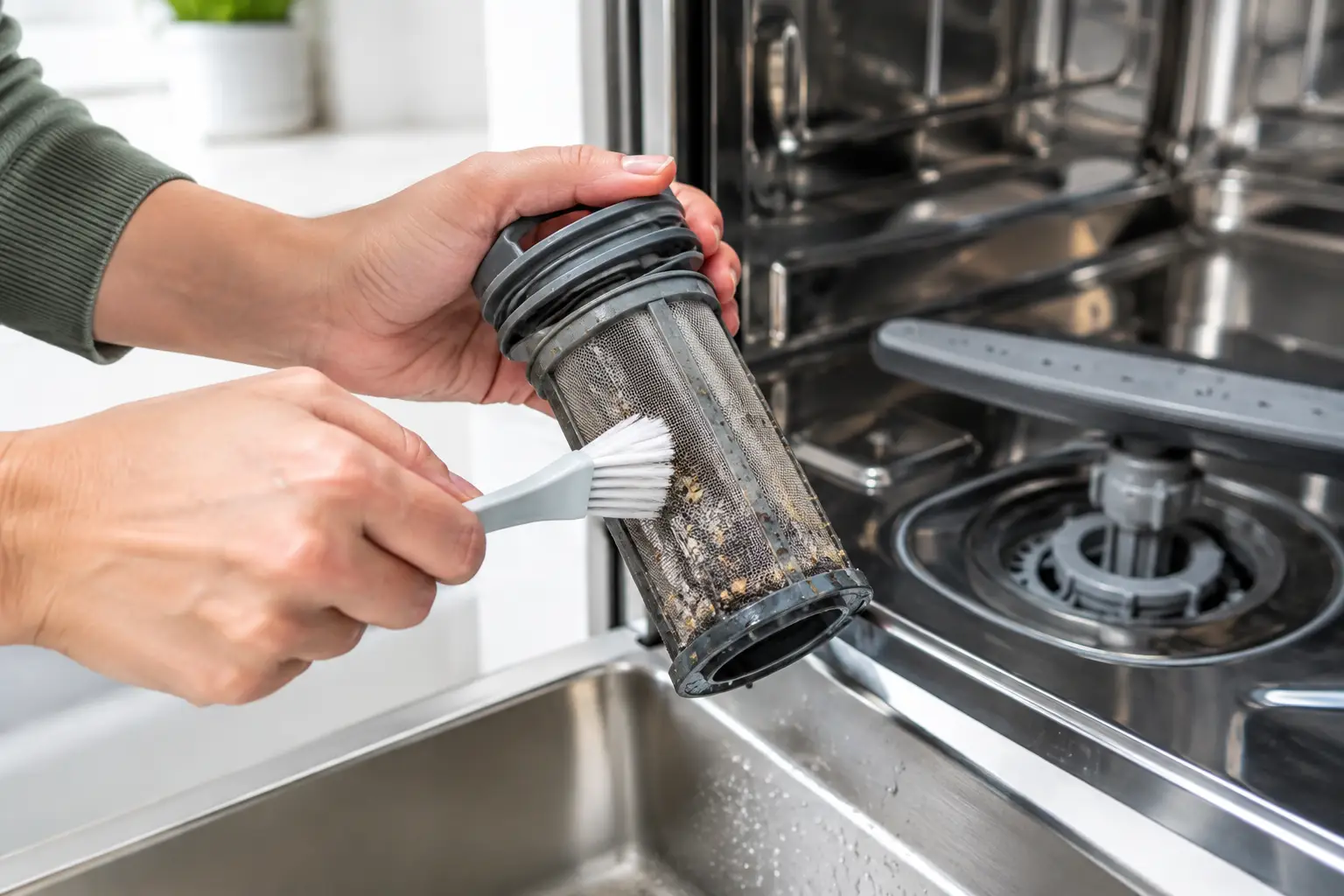
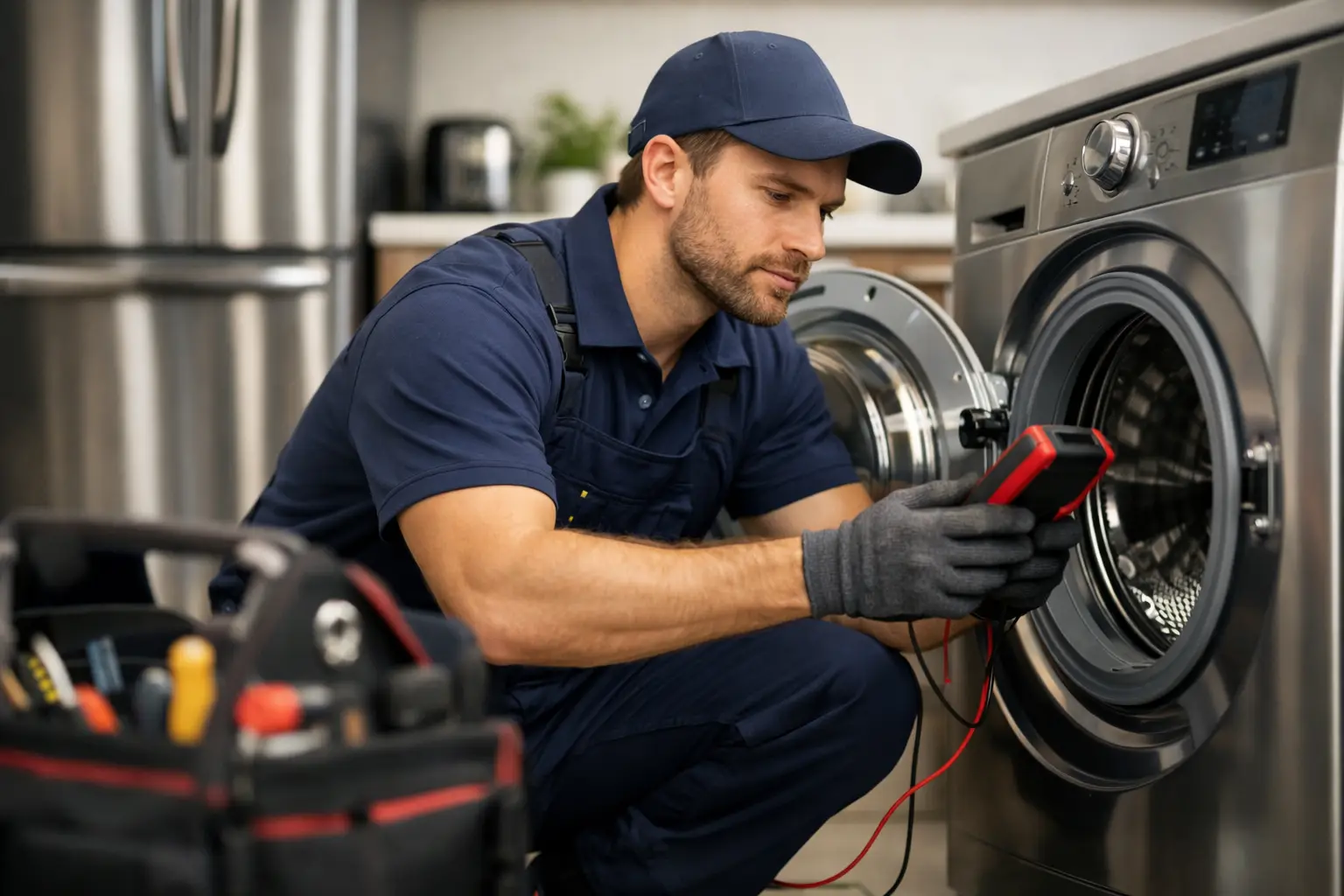
A refrigerator that stops cooling the night before a busy week, a dryer that runs but never heats, a dishwasher that leaves standing water — these are not small inconveniences. When it happens, who you call matters as much as how fast they arrive. Hiring a certified appliance repair technician is the difference between a lasting fix and a repeat visit. At Fasteny Appliance Repair, trained technicians serve homes and businesses across Massachusetts — from Billerica and Reading to Peabody and Waltham — with the skill and safety that certification is meant to guarantee.
This guide explains what a certified appliance repair technician actually brings to the job, why it matters for your safety and your wallet, and how to tell whether you are hiring the right person.
What a Certified Appliance Repair Technician Actually Does
Certification is not a marketing badge. It reflects formal training and testing on how appliances work, how their electrical and mechanical systems interact, and how to service them without creating new hazards. A qualified appliance repair technician does more than replace parts:
- Reads the symptoms correctly instead of guessing, so the real fault is found the first time.
- Understands manufacturer specifications, torque values, and wiring diagrams for the specific model.
- Uses the right diagnostic tools — multimeters, pressure gauges, and error-code readers — rather than trial and error.
- Follows safety codes when working with gas, high-voltage, and sealed refrigerant systems.
Why Certification Matters for Safety
Appliances combine water, electricity, gas, and heat — a mix that punishes shortcuts. An improperly reconnected gas line, a mishandled capacitor, or a refrigerant leak is not just an appliance problem; it is a household safety problem. Handling refrigerants safely, for example, legally requires EPA Section 608 technician certification, which is exactly why proper training matters. A certified appliance repair technician is trained to leave your home as safe as they found it.
Brand-Certified Expertise: GE, Samsung, LG, Whirlpool, Bosch and More
General certification is a strong start, but many technicians also train on specific brands. This matters because modern appliances increasingly rely on proprietary control boards, inverter compressors, and sealed systems that behave differently from one manufacturer to the next.
- GE and Whirlpool: Common in Massachusetts homes; brand-trained technicians know their control-board quirks and part numbers.
- Samsung and LG: Feature-rich units with inverter motors and digital diagnostics that reward brand-specific knowledge.
- Bosch, Viking, and Thermador: Premium and built-in appliances where correct parts and calibration protect both performance and warranty.
Matching the right technician to your brand means fewer misdiagnoses and repairs that actually hold.
Certified vs. Uncertified: The Real Difference
The gap between a certified and an uncertified repair rarely shows up on day one — it shows up three weeks later when the same problem returns. Uncertified work often treats the symptom (replace the part that failed) without asking why it failed. A trained technician traces the cause: a worn bearing that killed the motor, a clogged line that burned out the pump, a failing sensor behind an error code. Fixing the cause is what makes a repair last.
How to Tell If You Are Hiring the Right Technician
You do not need to be an expert to hire one. A few direct questions reveal a great deal:
- Are your technicians trained, certified, and insured?
- Do you service my appliance’s brand specifically?
- Will I get a full price before the work starts? A company that explains how its pricing works up front is one that stands behind its work.
- Is the repair backed by a warranty on parts and labor?
When Certified Repair Is Most Important
Certification matters most when the stakes are highest: gas ranges and ovens, refrigerators with sealed cooling systems, and any appliance that has already been “fixed” once without success. It is also where a professional can tell you honestly when a repair is not worth it — our guide on whether to repair or replace an appliance walks through that decision.
When to Call a Professional
If an appliance involves gas, sealed refrigerant, repeated faults, or high-voltage components, this is not a DIY moment. Our appliance repair services cover every major brand across Massachusetts, carried out by trained technicians with pricing agreed before any work begins.
Frequently Asked Questions
What does a certified appliance repair technician actually do differently?
A certified technician has completed formal training and testing on appliance systems, safety codes, and diagnostics. In practice that means they identify the true root cause faster, handle gas, electrical, and refrigerant components safely, and fix the problem correctly the first time rather than swapping parts by guesswork.
Is certified appliance repair worth the cost?
Usually, yes. A certified appliance repair technician is less likely to misdiagnose the fault, which is the most expensive kind of mistake. Correct diagnosis, proper parts, and safe handling protect both your appliance and your home, often saving money over the life of the unit.
Are technicians certified for specific brands like GE, Samsung, or LG?
Many are. Beyond general certification, technicians can be factory-trained on specific brands such as GE, Samsung, LG, Whirlpool, Bosch, and Viking. Brand-specific training matters most for newer models with proprietary control boards and sealed systems, where generic repairs often fall short.
How can I verify a technician is properly certified and insured?
Ask directly. A reputable company will confirm its technicians are trained and insured, explain pricing before work begins, and stand behind the repair with a warranty. Clear answers to these questions are the simplest way to tell a professional from a risky hire.
Do you provide certified appliance repair across Massachusetts?
Yes. Fasteny Appliance Repair serves homes and businesses across Massachusetts, including Billerica, Reading, Peabody, Waltham, and Brookline, with trained technicians and upfront, transparent pricing on every visit.
Conclusion
Anyone can call themselves a repairman, but a certified appliance repair technician brings the training, safety knowledge, and diagnostic skill that turn a quick fix into a lasting one. When your refrigerator, dryer, or oven needs attention in Billerica, Reading, Peabody, Waltham, Brookline, or anywhere across Massachusetts, request a service visit or explore our homepage to get started. You can also reach us directly at +1 (617) 618-3311 — trained help, honest pricing, done right the first time.