
When your refrigerator stops cooling or your dryer quits mid-load, the last thing you want is a vague quote and a bill that keeps climbing. Understanding appliance repair prices before the work starts is what separates a stressful experience from a smooth one. At Fasteny Appliance Repair, we serve homeowners and businesses across Massachusetts — from Billerica and Reading to Peabody and Waltham — with pricing you can see up front, not after the fact.
This guide breaks down what actually drives repair pricing, what a fair quote should include, typical costs by appliance, and the questions that help you avoid hidden fees.
What Determines Appliance Repair Prices?
No two repairs are identical, but every honest quote is built from the same handful of factors. Knowing them helps you judge whether a price is fair or padded.
- Diagnosis and service call: A technician has to see the appliance, run tests, and identify the real fault. This is usually a modest upfront fee — and with reputable companies it is credited toward the repair once you approve it.
- Parts: The single biggest variable. A door gasket or thermostat is inexpensive; a compressor, control board, or sealed-system component costs far more.
- Labor: Some jobs take twenty minutes, others take two hours of disassembly. Complexity, not just time, drives this line item.
- Appliance and brand: Premium and built-in brands often use pricier proprietary parts, which raises the overall repair price even for a similar fault.
- Urgency: Same-day or after-hours visits can carry a premium, though a clear company tells you that before dispatching, never afterward.
Average Appliance Repair Prices by Appliance
The ranges below are typical all-in figures for the Massachusetts market, covering the service call, common parts, and labor. Your exact repair cost depends on the specific failure, but these give you a realistic baseline before you book.
Refrigerator repair cost
Most refrigerator repairs land between about $150 and $400. Thermostats, fans, and door seals sit at the low end; sealed-system and compressor work runs higher. See our refrigerator repair service for details.
Washer repair cost
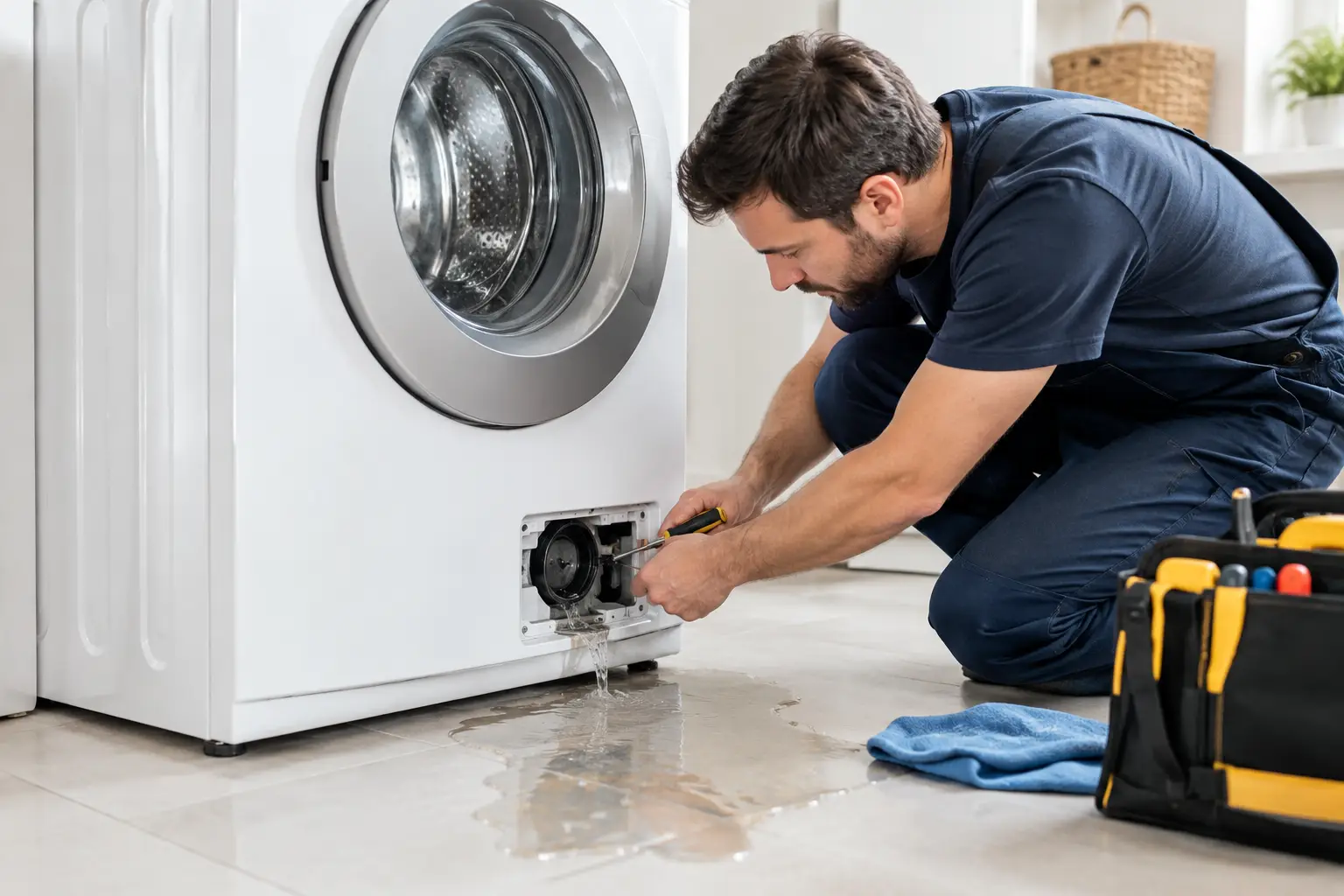
Washing machine repairs typically run $120 to $350, depending on whether the issue is a drain pump, belt, valve, or control board. Learn more about washer repair.
Dryer repair cost
Dryer repairs usually fall between $100 and $300. A failed heating element or thermal fuse is common and affordable to fix — see why a dryer will not heat and our dryer repair service.
Dishwasher repair cost
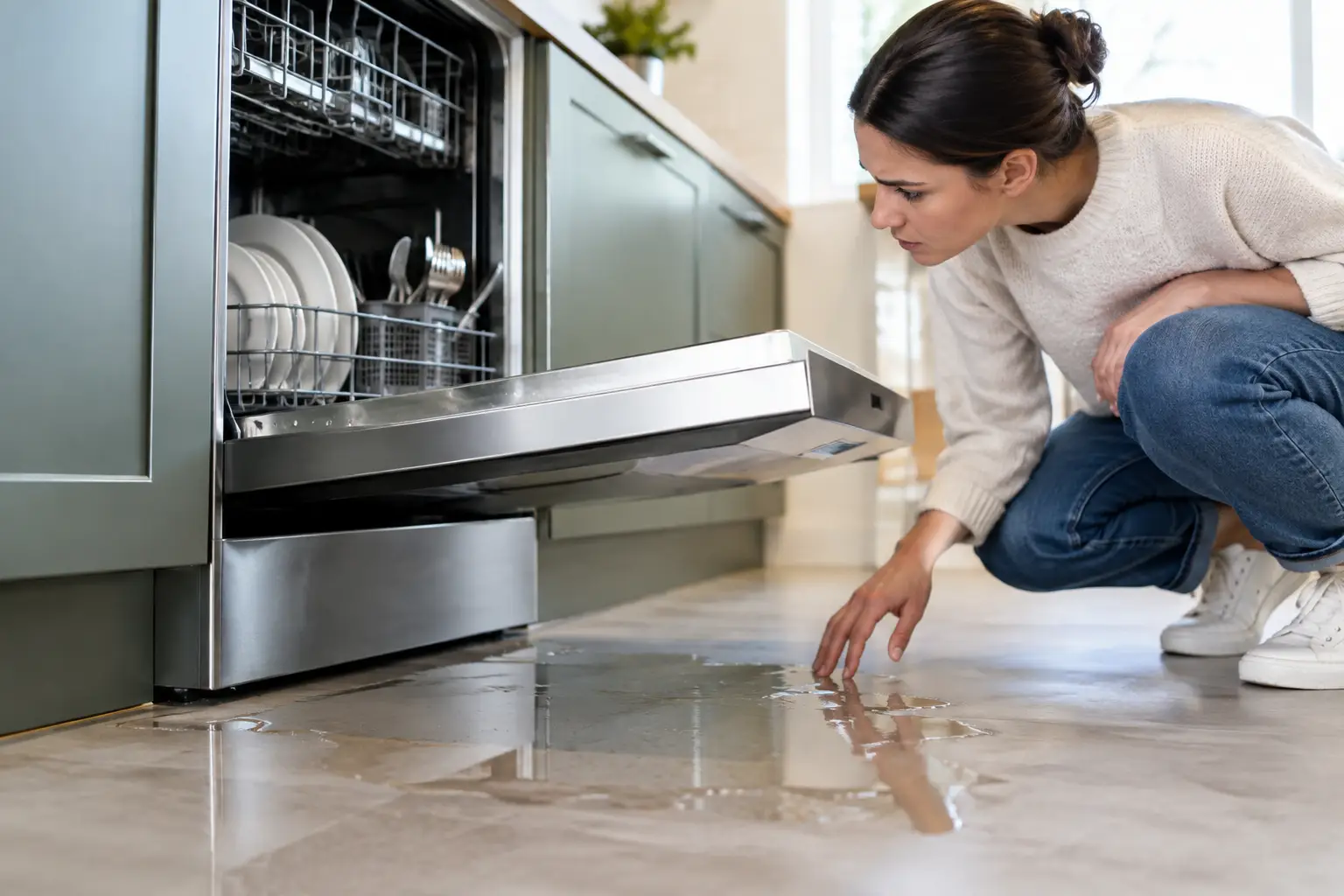
Dishwasher repairs generally cost $130 to $350. Drainage, pump, and door-latch issues are frequent; our guide on a dishwasher that will not drain and our dishwasher repair service can help.
Oven and stove repair cost
Oven, stove, and cooktop repairs typically range from $150 to $400, with igniters and heating elements at the lower end and control boards higher. Explore oven repair and stove repair.
What a Transparent Repair Quote Should Include
A clear quote leaves nothing to guess. Before you agree to any work, the price should spell out each of these:
- The diagnostic or service-call fee, and whether it applies toward the repair.
- Parts, named and priced, rather than a single lumped figure.
- Labor for the specific job, not an open-ended hourly estimate.
- Any warranty on parts and workmanship.
- Confirmation that the total will not change unless a new, unrelated fault is found — and that you will approve any change first.
When appliance repair prices are presented this way, you can compare companies honestly and book with confidence.
Repair or Replace? When Cost Tips the Decision
Sometimes the smartest move is not to repair at all. A widely used guideline is the 50% rule: if a repair costs more than half the price of a comparable new appliance — and the unit is past the midpoint of its expected lifespan — replacement is often the better long-term value. For newer appliances or minor faults, repair almost always wins. Knowing your rights under an appliance warranty can change the math before you pay, and our own guide on whether to repair or replace appliances walks through the math for each appliance.
How to Avoid Hidden Fees
The best protection is a few direct questions before a technician arrives. Ask any company:
- Is the service-call fee credited toward the repair if I approve it?
- Will I get a full price — parts and labor — before work starts?
- Are there extra charges for evenings, weekends, or travel to my town?
- What happens if the appliance needs a different part once it is opened up?
Companies that take pricing transparency seriously answer these plainly. Vague or evasive replies are the clearest warning sign of a bill that will grow.
When to Call a Professional
If an appliance involves gas, sealed refrigerant, high-voltage components, or repeated faults, professional diagnosis protects both your safety and your wallet — a misdiagnosed repair is the most expensive kind. Our appliance repair services cover every major brand and appliance across Massachusetts, always with the price agreed before we begin.
Frequently Asked Questions
How much does appliance repair cost on average?
Most appliance repairs fall between roughly $100 and $350, including the service call and parts, though the exact appliance repair cost depends on the appliance, the failed part, and the brand. Simple fixes like a thermostat or igniter sit at the low end, while sealed-system or control-board repairs run higher. A transparent company gives you the full number before starting.
Is the diagnostic or service call fee separate from the repair?
It is usually a small upfront charge to cover the visit and diagnosis. Reputable companies, including Fasteny Appliance Repair, typically apply that diagnostic fee toward the total when you approve the repair, so you are not paying twice for the same trip.
Why do two companies quote very different appliance repair prices?
Differences come from parts sourcing, labor rates, warranty coverage, and whether the quote is complete or just a teaser price. A cheap headline number often leaves out parts or the service call, so the final bill climbs. Compare what each quote actually includes, not just the first figure you hear.
When is replacing an appliance cheaper than repairing it?
A common guideline is the 50% rule: if the repair costs more than half the price of a comparable new unit and the appliance is past the midpoint of its expected life, replacement usually makes more sense. For newer appliances or minor faults, repair is almost always the better value.
Do you offer transparent pricing across Massachusetts?
Yes. We provide clear, upfront quotes for homes and businesses across Massachusetts, including Billerica, Reading, Peabody, Waltham, and Brookline. You approve the price before any work begins, with no surprise charges added afterward.
Conclusion
Clear pricing is not a luxury — it is the foundation of a repair you can trust. When you know appliance repair prices before the work starts, you make better decisions and avoid unwelcome surprises. If you are in Billerica, Reading, Peabody, Waltham, Brookline, or anywhere across Massachusetts, request a transparent quote or visit our homepage to get started. You can also call us directly at +1 (617) 618-3311 — you will always know what you are paying before we lift a wrench.