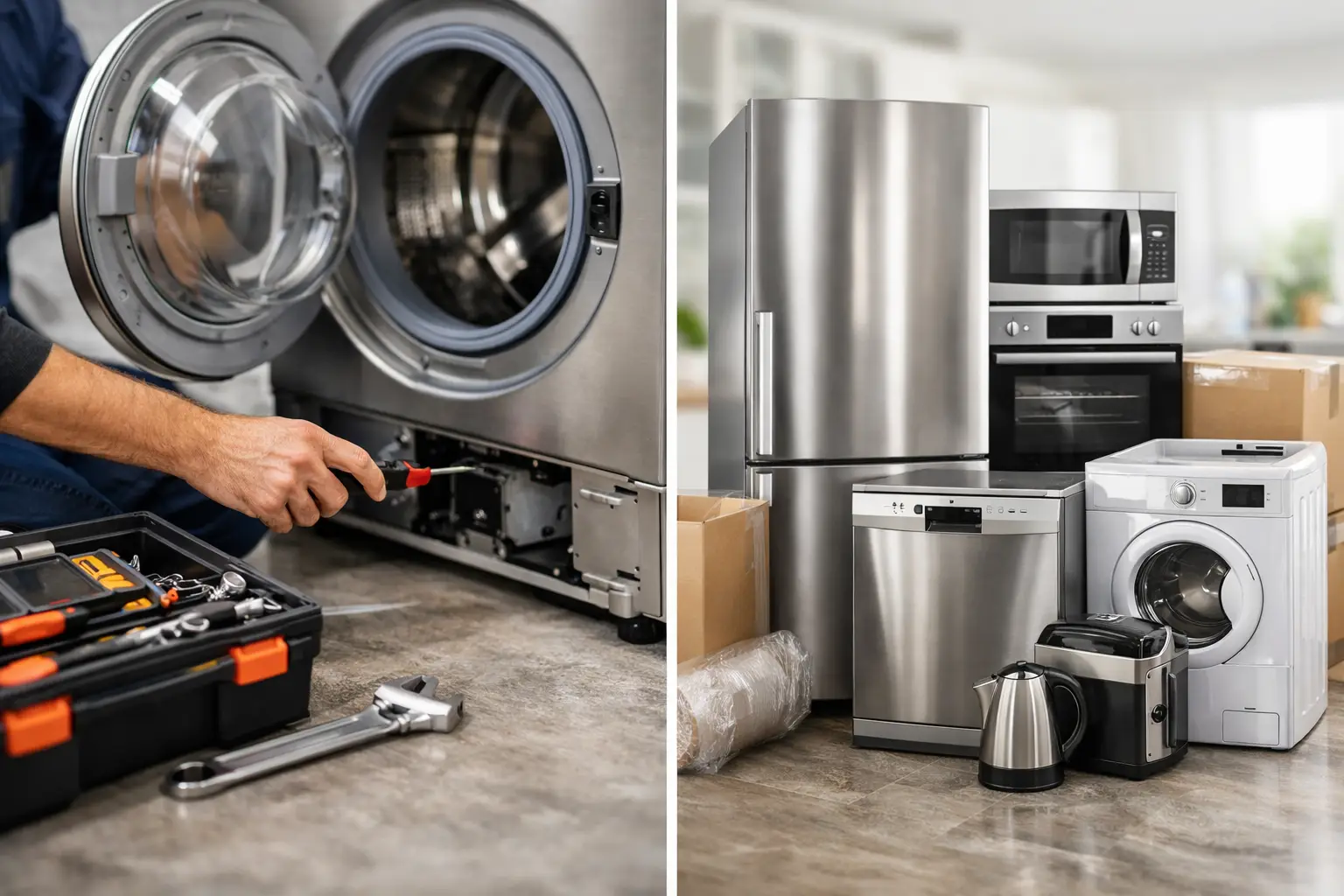
A refrigerator that stops cooling the night before a big grocery run, or a washer that quits with a full load inside, turns a simple question into an urgent one: should you repair or replace the appliance? For most homeowners it is not a clean comparison of two numbers. You are weighing the repair bill, the appliance’s age, downtime, energy use, and the risk of paying twice if the unit fails again soon. At Fasteny Appliance Repair, we help households from Reading to communities across Massachusetts make that call with honest diagnostics instead of guesswork.
This guide covers how to decide whether to repair or replace an appliance: the age test, the 50 percent rule, a quick rule of thumb by appliance, the hidden costs people overlook, and how a professional diagnosis changes the math.
How to Decide Whether to Repair or Replace an Appliance
The right decision usually starts with one basic fact: the cheapest option today is not always the least expensive option over the next year or two. A low repair bill can still be the wrong move if the appliance is near the end of its life, parts are hard to source, or more failures are likely. Replacing too quickly, on the other hand, wastes money when the problem is minor and the machine still has years of dependable service left. The goal is not to win a technical debate. It is to get a reliable appliance back at the lowest realistic long-term cost.
Start With Age, but Do Not Stop There
Age is the fastest way to frame the decision. Every appliance has a typical service life, and a unit well past its expected years is a weaker candidate for an expensive repair. A ten-year-old dishwasher that needs a new control board is a very different case from a three-year-old one with a clogged pump.
Age alone, though, is not the whole story. A well-maintained appliance can outlast its average lifespan, while a heavily used one may wear out early. Condition, how the unit has been used, and the scope of the repair all matter alongside the number on the calendar.
Repair or Replace? A Rule of Thumb by Appliance
Typical lifespans and common failure patterns give you a quick starting point. Use the table below as a rule of thumb, then confirm with an accurate diagnosis before spending money either way.
| Appliance | Typical lifespan | Often worth repairing | Lean toward replacing |
|---|---|---|---|
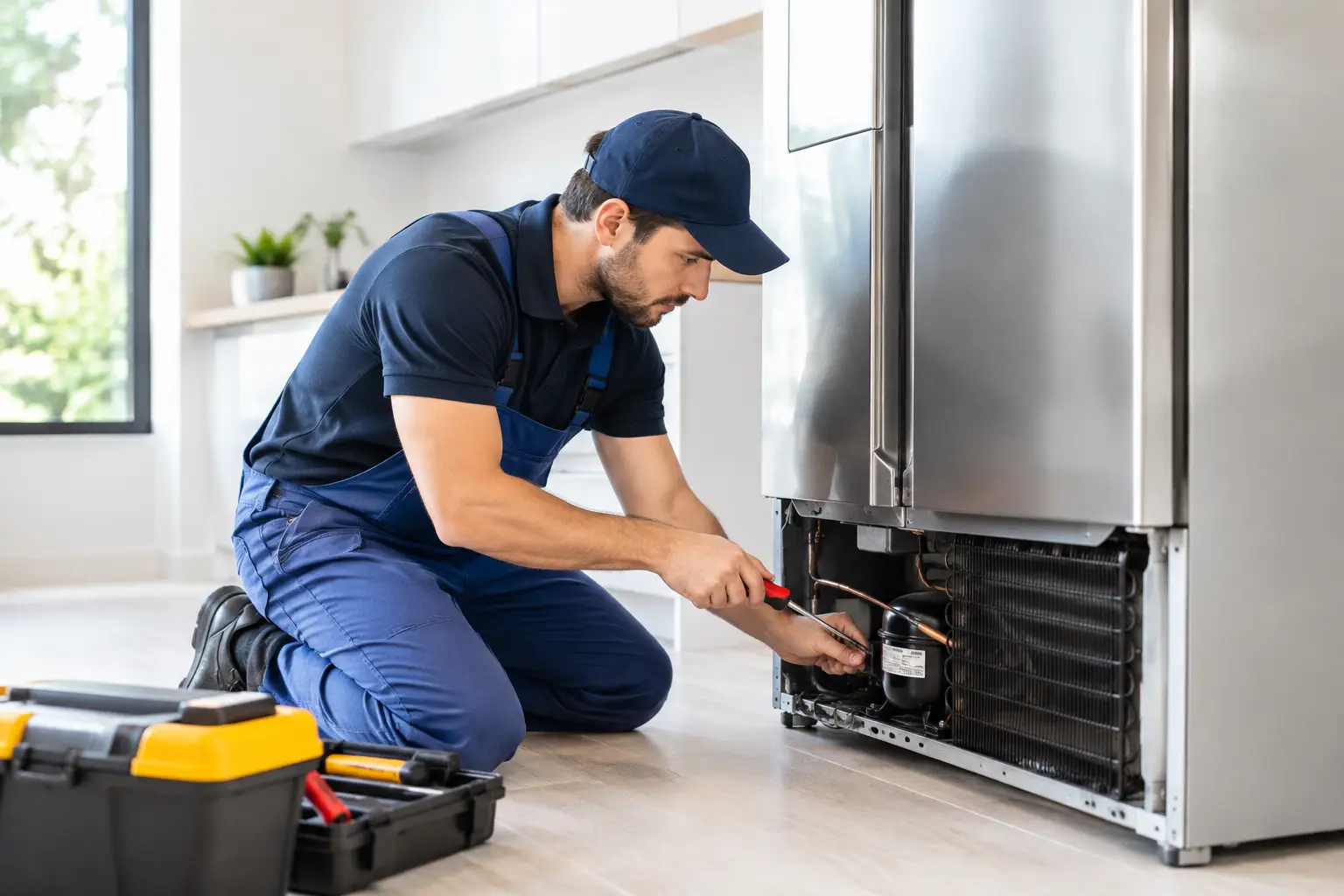
| Refrigerator | 10–13 years | Fan, thermostat, dirty coils, door seals | Failed compressor or sealed system on an older unit |
| Washer | 10–12 years | Pump, inlet valve, belt, lid switch | Transmission or main bearing failure |
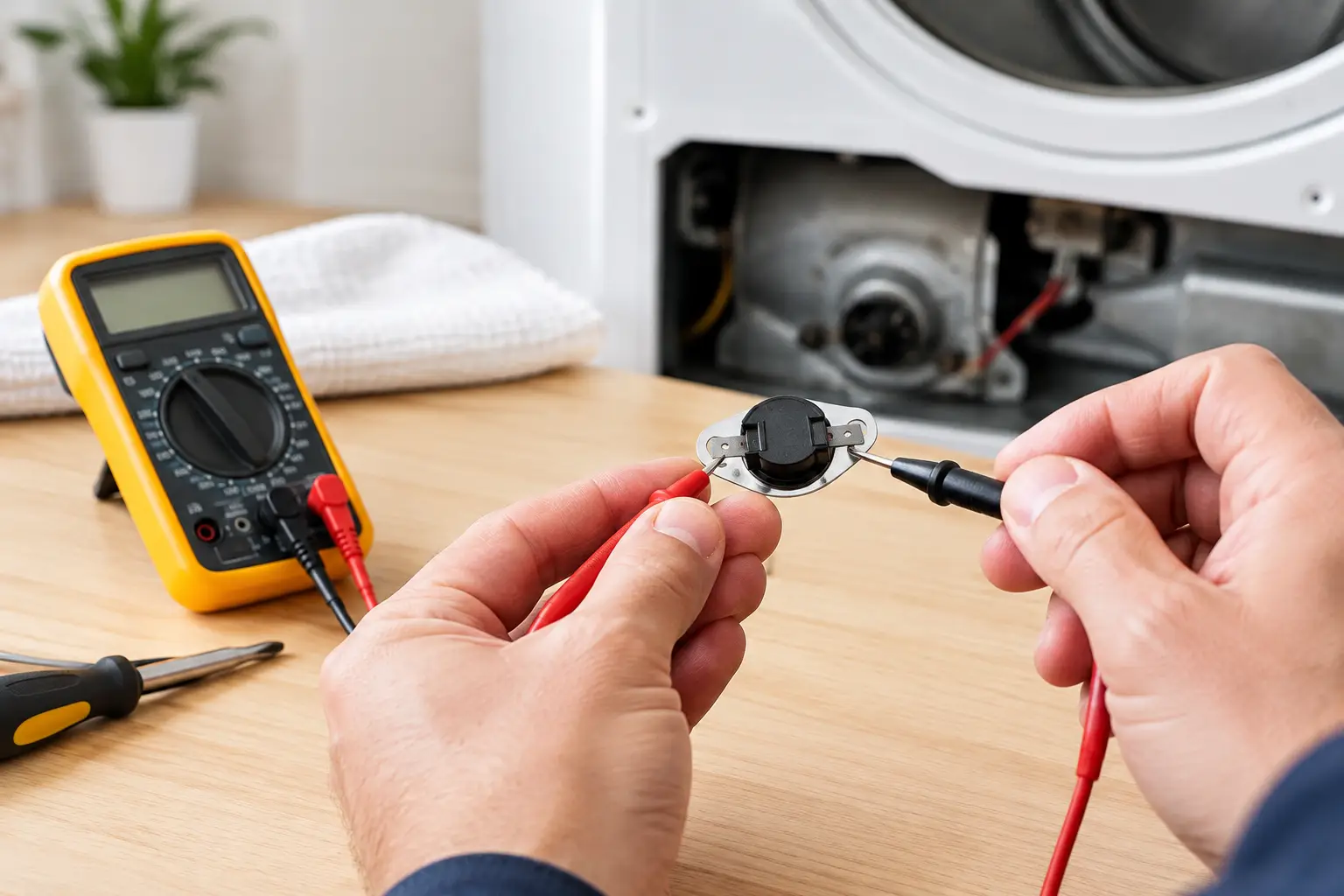
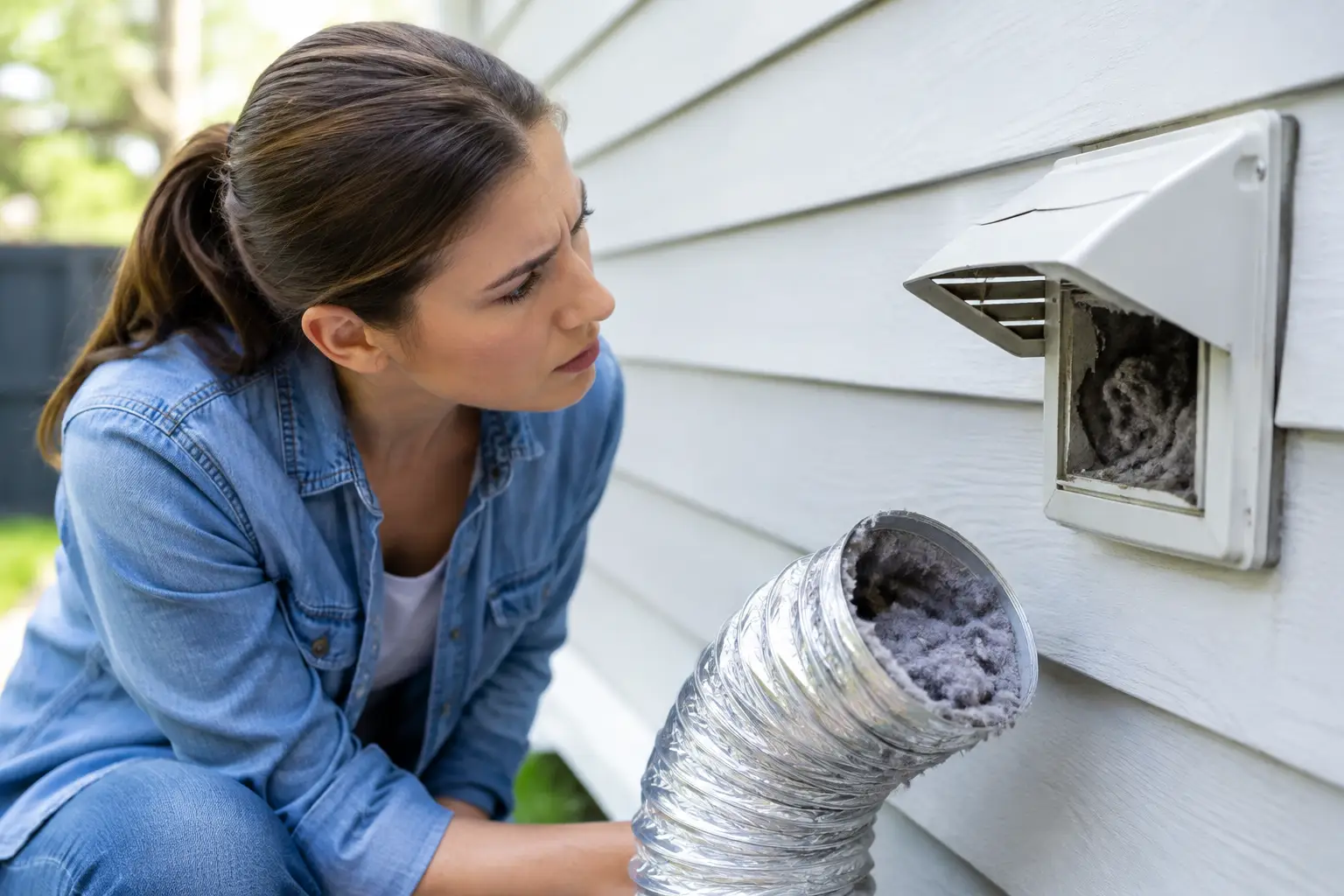
| Dryer | 10–13 years | Heating element, thermostat, belt, thermal fuse | Motor or drum failure on an aging unit |
| Dishwasher | 9–10 years | Pump, spray arm, gasket, inlet valve | Control board or tub leak on a 9+ year unit |
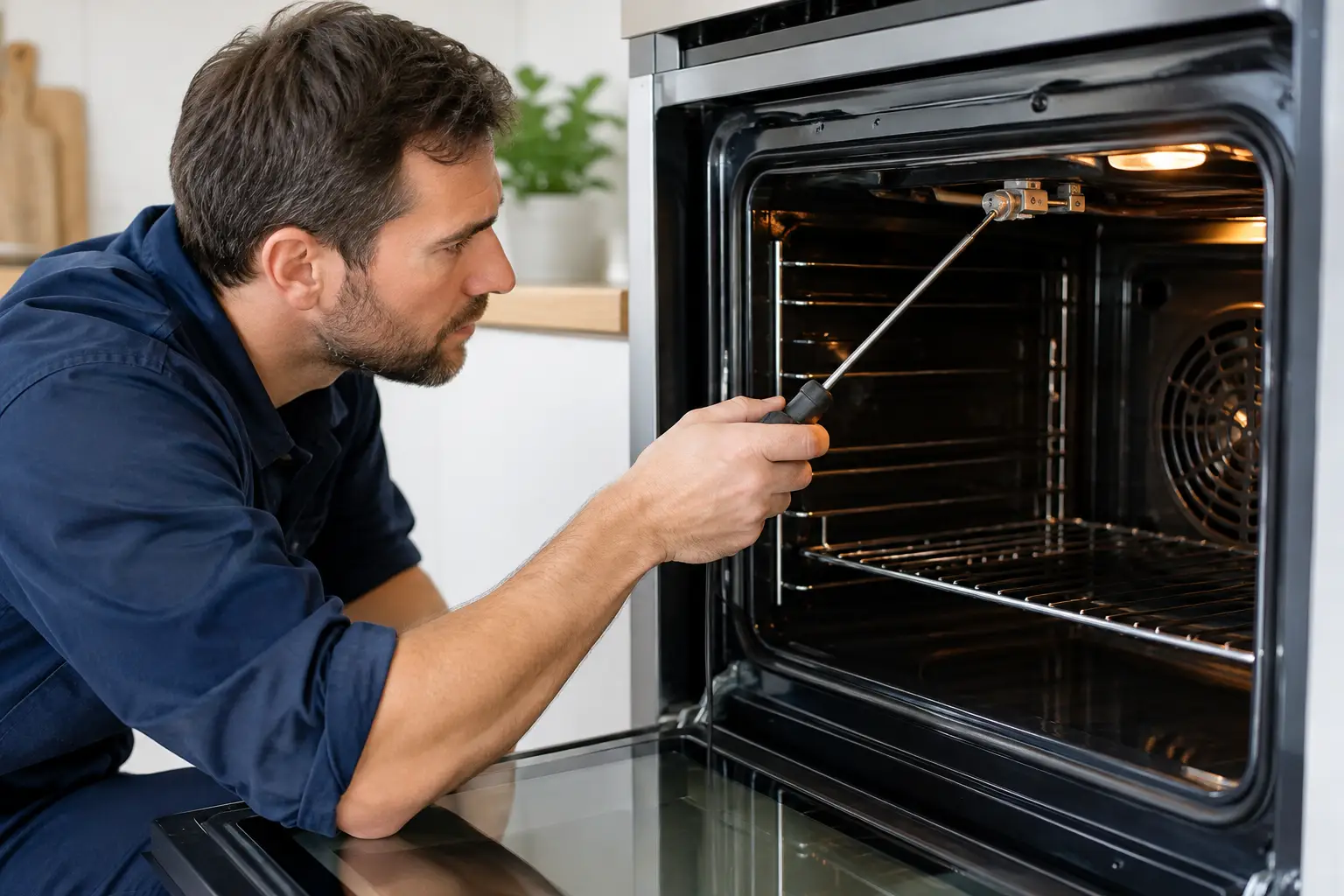
| Oven / Range | 13–15 years | Bake element, igniter, sensor, switch | Multiple control failures or a cracked cavity |
| Cooktop | 13–15 years | Surface igniter, switch, single element | Cracked glass top or repeated control faults |
Refrigerators
Refrigerators are usually worth repairing when the problem is a fan, thermostat, defrost part, or dirty coils. Sealed-system and compressor failures on older units are where replacement often wins. If your fridge is struggling to hold temperature, our guide to common refrigerator problems explains what to check first.
Washers and Dryers
Laundry machines earn their keep, and many faults are affordable fixes. A washer that will not drain often needs a pump or a cleared filter, while a dryer that will not heat usually needs an element or thermostat. Major transmission or motor failures on older units lean the other way. See what to check when a washer is not draining or a dryer is not heating.
Dishwashers
Dishwashers have a shorter typical lifespan, so age matters more here. Pumps, spray arms, and gaskets are worth repairing; control-board failures or a leaking tub on a nine-year-old machine usually are not. If yours is pooling water, start with our guide to a dishwasher leaking from the bottom.
Ovens, Stoves, and Cooktops
Cooking appliances tend to last the longest, and many repairs, such as a bake element, igniter, or surface switch, are straightforward. Explore common oven problems, a stove that is not working, or a cooktop that will not turn on to gauge whether a fix is minor before you consider replacing the whole unit.
The 50 Percent Rule Is Useful, Not Absolute
A widely used guideline says that if a repair costs more than half the price of a comparable new appliance, replacement is the better move. Consumer-testing organizations popularized it: Consumer Reports advises not spending more than 50 percent of the cost of a new unit to fix an old one. The rule works best paired with the age test. A costly repair on a unit already past half its expected life is a strong signal to replace. But it is a guide, not a verdict: a high-quality appliance with one clear fault can be worth a repair that exceeds 50 percent, while a cheap unit near end of life may not be worth even a modest one.
When Repair Usually Makes Financial Sense
Repair tends to be the smart choice when the appliance is still within its expected lifespan, the failed part is common and reasonably priced, and the machine has otherwise been reliable. A single, clearly diagnosed fault, such as a valve, a switch, or a heating element, is exactly the kind of repair that restores years of service for a fraction of replacement cost. Build quality matters too: a well-made unit is generally worth keeping running.
When Replacement Is Often the Better Investment
Replacement often makes more sense for major sealed-system refrigerator repairs, transmission problems in some washers, or electronic control failures on older units where parts are costly or no longer dependable. If the quote is high and there is a real chance another major component fails next, replacing protects you from paying in stages. Energy use can factor in as well: swapping a very old, inefficient unit for a newer high-efficiency model can lower monthly utility costs, though efficiency is usually a supporting reason rather than the whole case.
Hidden Costs People Forget to Include
When comparing repair to replacement, many homeowners look only at the repair invoice versus the sticker price of a new appliance. That misses several real costs. Replacement can add delivery, installation, new hoses or fittings, haul-away of the old unit, and sometimes adjustments to match cabinetry. Repair has its own considerations: the diagnostic fee, the small chance of a second visit, and the risk of another failure if the appliance is already aging. Comparing the full picture, not just two headline numbers, leads to a better decision.
A Practical Way to Make the Call
A simple sequence keeps the decision clear. First, get an accurate diagnosis so you know the real repair and its cost. Second, compare that figure to a realistic all-in replacement total, including delivery and installation. Third, weigh the appliance’s age against its expected lifespan. Fourth, consider the risk of another failure soon. If the repair is modest, the unit has good years left, and the fault is isolated, repair usually wins. If the repair is major, the appliance is old, or failures are stacking up, replacement is often the safer investment.
When to Call a Professional
A symptom is not a diagnosis. A refrigerator that is warm could have a failed fan, dirty coils, a control issue, or a defrost problem, and those are very different repairs with very different costs. Guessing from symptoms alone can make replacement look necessary when it is not, or make a cheap fix seem likely when the real problem is serious. This is where an honest, service-first company earns trust: an accurate diagnosis, options explained clearly, and a fair quote with no hidden fees. You can review our transparent pricing, see why certified technicians make a difference, and read recent customer reviews before you decide. Whether you ultimately need oven repair or dishwasher repair in Massachusetts, a clear diagnosis makes the repair-or-replace choice an easy one.
Frequently Asked Questions
Is it worth repairing an appliance?
It is usually worth repairing when the appliance is still within its expected lifespan, the fault is a common part, and the repair costs well under half the price of a comparable new unit. It is often not worth it when the machine is old and the failure is a major sealed system, transmission, or control board.
What is the 50 percent rule for appliances?
The 50 percent rule says that if a repair costs more than half the price of a new comparable appliance, and the unit is already past half its expected life, replacement usually makes more financial sense. Treat it as a helpful guide rather than a strict cutoff.
When should you replace an appliance instead of repairing it?
Replacement tends to win when the appliance is near the end of its life, has had repeated failures, needs a costly major component, or uses parts that are no longer reliably available. In those cases a cheap repair now can lead to spending more in stages.
How old is too old to repair an appliance?
There is no single cutoff, but once a refrigerator passes about 10 to 13 years, a washer or dryer 10 to 12, or a dishwasher 9 to 10, you should weigh repair costs more carefully. A well-maintained unit with a minor fault can still be worth fixing beyond those ranges.
Does a new appliance really save enough energy to justify replacing a working one?
Energy savings are usually a supporting factor, not the main reason. A very old, inefficient unit can cost noticeably more to run, but efficiency alone rarely justifies replacing a machine that can be repaired affordably and kept reliable.
Should I repair or replace a refrigerator that stopped cooling?
It depends on the cause. A failed fan, thermostat, or dirty condenser coils are inexpensive fixes worth making. A failed compressor or sealed system on an older refrigerator often tips the decision toward replacement. Get an accurate diagnosis before deciding.
Conclusion
The best choice is the one that gets your home back to normal with the least financial risk. Sometimes that means repairing an appliance that still has good years ahead of it; sometimes it means replacing a unit before it becomes a cycle of service calls. When you are stuck between the two, do not fixate on the first number you hear. Focus on condition, expected life, repair scope, and confidence in the result.
When an appliance breaks, speed matters, but clarity matters just as much. If you would like an honest, no-pressure assessment, request a visit or reach Fasteny Appliance Repair at (617) 618-3311. We help homeowners in Waltham, Peabody, and across Massachusetts decide whether to repair or replace, and get the job done right.
Related Guides
For more on choosing and paying for repair, see what appliance repair costs, the refrigerator repair cost guide, how to choose an appliance repair company, repair shop versus local technician, how to spot hidden repair fees, how to find honest repair estimates, and same-day versus next-day service.