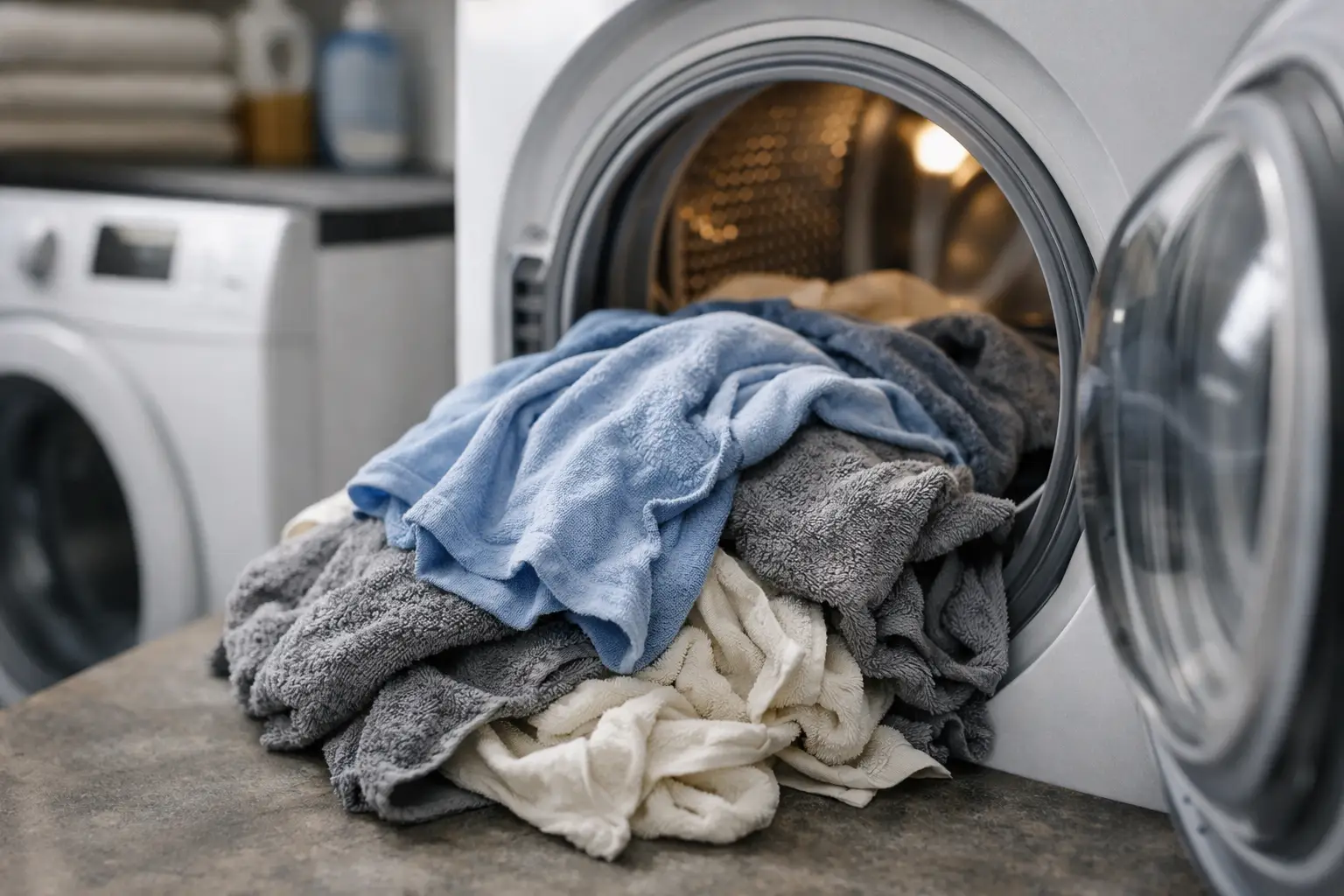
Fasteny Appliance Repair hears it constantly from homeowners across Billerica, Reading, and nearby Massachusetts towns: a dryer that used to finish a load in 45 minutes now needs two or three cycles. When your dryer takes too long to dry, it usually means something is restricting airflow, reducing heat, or keeping the drum from working efficiently. That delay raises utility costs, adds wear to your clothing, and can point to a problem that only gets worse if you ignore it.
For most homeowners, the issue starts with a simple maintenance problem. For others, it is an early sign of a failing heating component, moisture sensor, blower wheel, or vent system. The key is knowing which problems you can spot quickly and which ones need a trained technician.
Why a dryer takes too long in the first place
Dryers are built around a simple process. They tumble clothes, heat the air, and push moist air out through the vent. If any part of that cycle slows down, drying times increase.
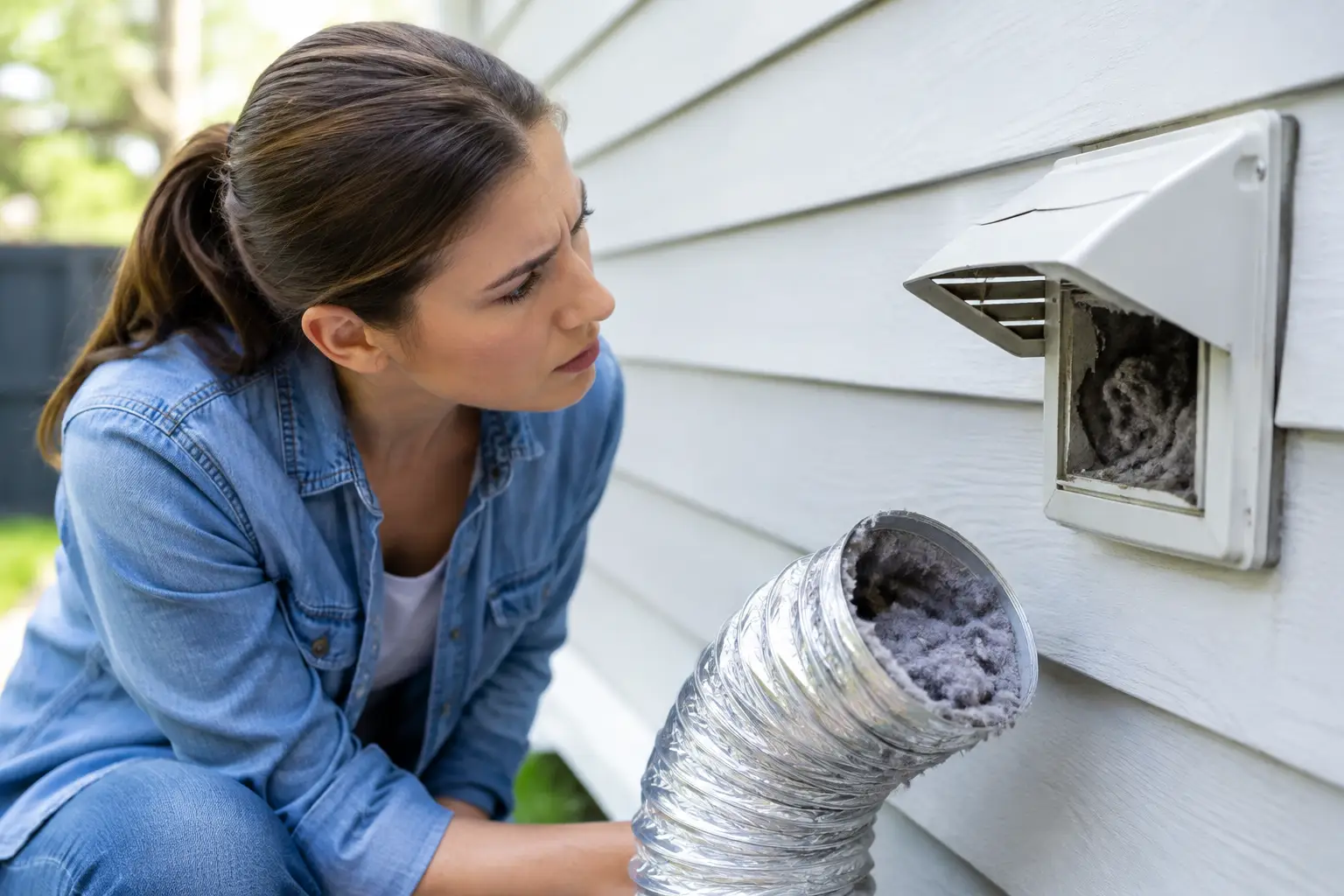
The most common reason a dryer takes too long is poor ventilation. Hot, damp air has to leave the machine fast enough for fresh heated air to keep drying the load. If lint buildup, a crushed vent hose, or a clogged exterior vent cap blocks that airflow, the dryer may still run and heat, but the clothes stay damp much longer.
The second major cause is weak or inconsistent heat. An electric dryer may have a failing heating element or a power issue. A gas dryer may have trouble with the igniter, gas valve coils, or flame sensor. In both cases, the dryer may appear to work normally while taking far too long to finish a cycle.
There are also smaller but still important factors, like overloaded drums, wet items that were not spun out properly in the washer, or sensor settings that do not match the load.
Start with the problems you can check safely
Before assuming you need a repair, it makes sense to rule out the basics. These are the issues that cause a surprising number of slow-drying service calls.
The lint screen is packed
A full lint filter reduces airflow immediately. Even a thin layer can affect performance more than people expect. Clean the screen before every load, not just when it looks full.
If you use fabric softener sheets regularly, the screen can also develop a waxy film that is harder to see. That residue blocks air even when the filter looks clean. Washing the screen gently with warm water and mild soap can help restore proper airflow.
The dryer vent is blocked
If the vent line behind the dryer is bent, crushed, or packed with lint, drying times rise fast. The same goes for the outside vent hood. If the flap does not open fully while the dryer is running, air may not be escaping the way it should.
This is one of the biggest warning signs because vent restrictions are not just inefficient. They can also become a fire risk. If loads are taking much longer than usual and the dryer feels unusually hot, the vent should be inspected right away. According to LG’s troubleshooting for a dryer that is taking a long time to dry, restricted airflow from lint buildup in the filter and vent is the most common reason dry times climb, so slow drying paired with excess heat is a signal to act.
The washer is leaving clothes too wet
Sometimes the dryer is blamed for a washer problem. If the washing machine is not spinning properly, clothes go into the dryer holding too much water. That can make even a healthy dryer seem slow.
Heavy towels, blankets, and mixed loads can make this more obvious. If some items come out dripping or noticeably heavier than usual, the washer may be contributing to the problem.
The load size is working against the machine
Overloading reduces tumbling space, which traps moisture in the fabric. Underloading can also affect some sensor cycles because the dryer has a harder time reading moisture accurately. A medium, balanced load usually dries most evenly.
When slow drying points to a mechanical problem
If the easy checks do not solve it, the issue may be inside the dryer. This is where professional diagnosis matters, because several parts can create similar symptoms.
Heating element or gas heating failure
An electric dryer with a weak or partially failed heating element may still produce some heat, just not enough to dry efficiently. A gas dryer may ignite at first and then stop heating consistently if the gas valve coils begin to fail.
This kind of problem often shows up as loads that eventually dry, but only after an extra cycle or two. It can feel inconsistent, which makes it easy to dismiss at first.
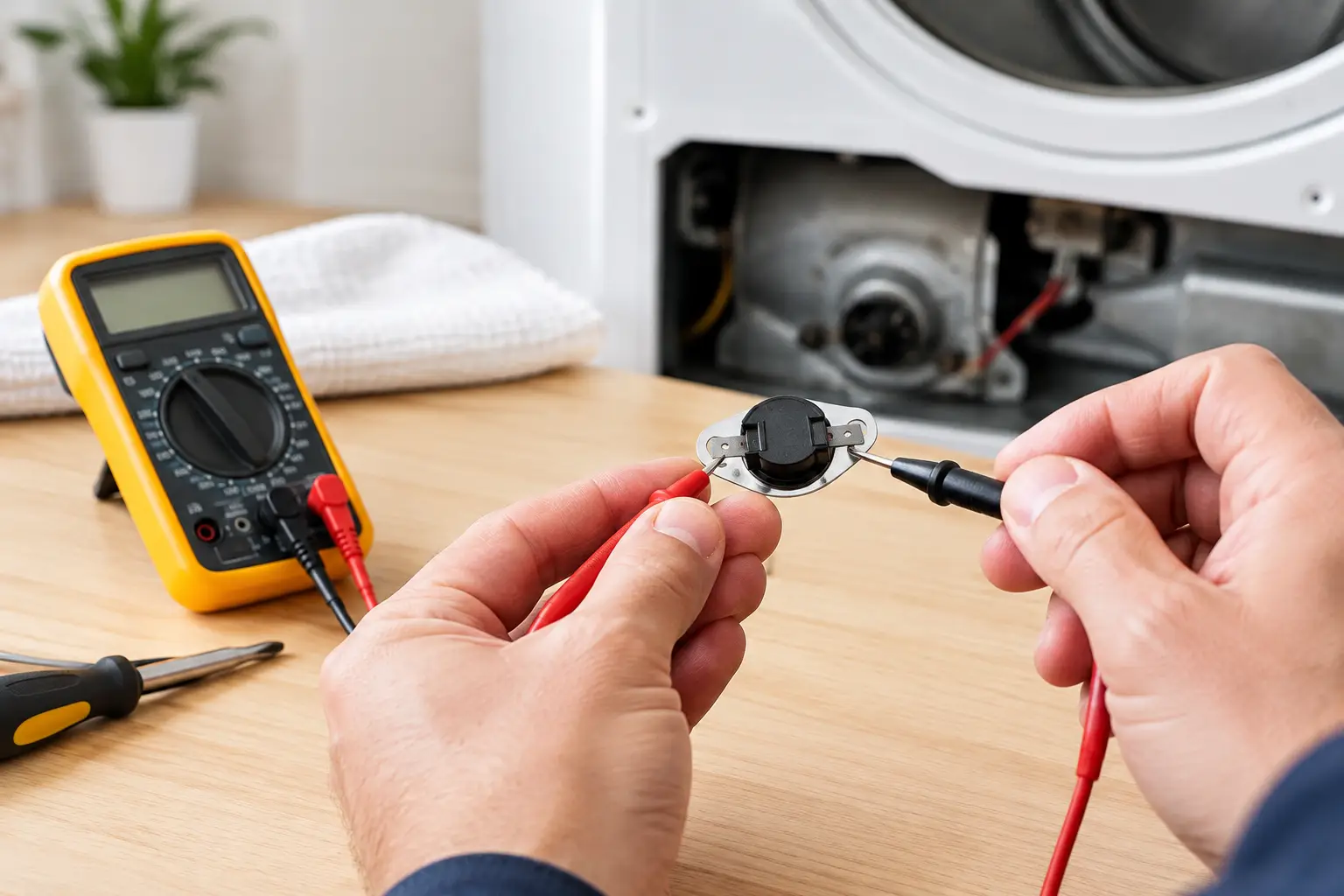
Cycling thermostat or thermal components
Dryers use thermostats and thermal safety parts to regulate temperature. If one of these parts is malfunctioning, the dryer may not maintain proper heat. It may overheat and shut heat off too soon, or run cooler than intended.
The result is longer drying times without a total breakdown. That is one reason these parts are not always obvious to the average homeowner.
Moisture sensor problems
On auto-dry settings, moisture sensors help determine when clothes are dry enough to stop. If the sensors are dirty or failing, the dryer may end cycles too early or run inefficiently.
This issue depends on the cycle you are using. If timed dry works better than sensor dry, that is a clue worth mentioning when you schedule service.
Blower wheel or motor issues
The blower wheel moves hot air through the drum and out the vent. If it is loose, damaged, or obstructed, airflow drops even when the heating system is working. In some cases, the motor may also weaken and affect drum movement or airflow performance.
These problems tend to require disassembly and testing, so they are best left to a technician.
How different dryer brands handle slow drying
If you have wondered why is my dryer taking so long to dry, the cause can vary slightly by brand, though the core issues stay the same. LG and Samsung dryers rely heavily on moisture sensors, so a sensor coated in fabric-softener residue can cut a cycle short or stretch it far too long. GE and Whirlpool dryers are often held back by vent restrictions and worn heating elements as they age. Electrolux and other high-efficiency models are sensitive to overloading, since a packed drum blocks the airflow these machines depend on.
Whatever brand sits in your laundry room, a slow dryer usually traces back to the same short list of causes. Our guide to common dryer problems and how they affect performance explains how these parts work together, and a technician can quickly confirm which one is dragging out your dry times for households in Peabody, Waltham, and Brookline.
Signs your dryer needs professional repair soon
Some slow-drying problems are more urgent than others. If you notice any of these, it is smart to stop guessing and have the unit checked.
The dryer is hot but clothes stay damp
That usually means airflow is restricted or the heat is not circulating correctly. Continuing to run repeated cycles can strain the machine and increase energy use.
The outside of the dryer feels unusually hot
Excess exterior heat often points to a venting issue or internal airflow problem. That should not be ignored.
You smell something burning
A burnt smell may come from lint buildup, overheating components, or a failing part. Shut the dryer off and do not keep using it until the cause is identified.
Dry times suddenly got worse
A gradual decline may suggest maintenance buildup. A sudden change can point to a broken heating component, a disconnected vent, or an electrical issue.
What a technician will usually check
A proper dryer diagnosis should go beyond a quick look at the lint screen. A technician will usually inspect the vent path, test airflow, verify heating performance, and evaluate the internal components tied to temperature and moisture control.
That matters because replacing the wrong part wastes time and money. A dryer that takes too long can have more than one issue at once, especially in older units. For example, a partially clogged vent and a weak heating element can combine to create very long dry cycles.
An experienced appliance repair technician can also tell whether repair is still cost-effective or whether the dryer is nearing the point where replacement makes more sense. It depends on the age of the unit, the part that failed, and whether other wear-related issues are showing up.
How to help your dryer run better after the repair
Once the problem is fixed, a few habits can help prevent the same issue from coming back. Clean the lint filter every load. Check the exterior vent flap regularly. Avoid crushing the vent hose when pushing the dryer back into place. If your washer leaves clothing too wet, address that quickly before it creates extra strain on the dryer.
It also helps to separate very heavy items from lighter everyday loads. A single oversized load can hold moisture longer and make the dryer work harder than necessary.
For homes with frequent laundry use, especially large families or rental properties, regular vent inspection is a good idea. The dryer may seem like it is just slowing down a little, but that small change is often the first sign that airflow is no longer where it should be.
If your dryer takes too long and the simple fixes do not solve it, getting it diagnosed early is usually the most affordable move. Fast, accurate repair restores normal drying times, lowers wasted energy, and helps you avoid the bigger inconvenience of a dryer that stops heating altogether. A good dryer should save you time, not steal another hour from laundry day.
Frequently Asked Questions
Why does my dryer take too long to dry clothes?
Most often the airflow is restricted by a full lint screen, a blocked or crushed vent line, or an overloaded drum. If those are clear, the cause is usually a weak heating element, a faulty moisture sensor, or a worn blower wheel, all of which need a technician to test and confirm.
Why is my dryer taking so long to dry even after cleaning the lint filter?
A clean filter is only the first step. Lint builds up deeper in the vent line and outside vent hood, and a heating element or thermostat that is starting to fail will stretch cycles even when the filter looks spotless. Have the full vent path and heating system checked.
Can a clogged dryer vent really double my drying time?
Yes. A restricted vent traps moist air inside the drum, so clothes stay damp and cycles run much longer. A badly clogged vent also raises the risk of overheating and fire, which is why it should be cleaned and inspected promptly.
Is it worth repairing a dryer that takes too long, or should I replace it?
If the dryer is under about eight years old and the problem is a vent blockage, heating element, or sensor, repair is almost always the cheaper choice. A technician can tell you whether the fix is cost-effective before you spend money on a new machine.
When should I call a professional for a slow dryer?
Call a technician if the dryer runs hot but clothes stay damp, the cabinet feels unusually hot, you smell burning, or dry times suddenly get much worse. Homeowners in Billerica, Reading, and across Massachusetts can reach Fasteny Appliance Repair at (617) 618-3311.
Conclusion
A dryer that takes too long is rarely a mystery once you know where to look. Start with the lint screen, vent line, load size, and a washer that may be leaving clothes too wet. If the simple fixes do not restore normal drying times, the problem is likely a heating, sensor, or airflow component that a professional should diagnose before it fails completely.
Whether you are in Billerica, Reading, Peabody, or Waltham, Fasteny Appliance Repair can pinpoint the cause fast and get your dryer back to full speed. Request service online or call (617) 618-3311 to schedule a diagnosis across Massachusetts.