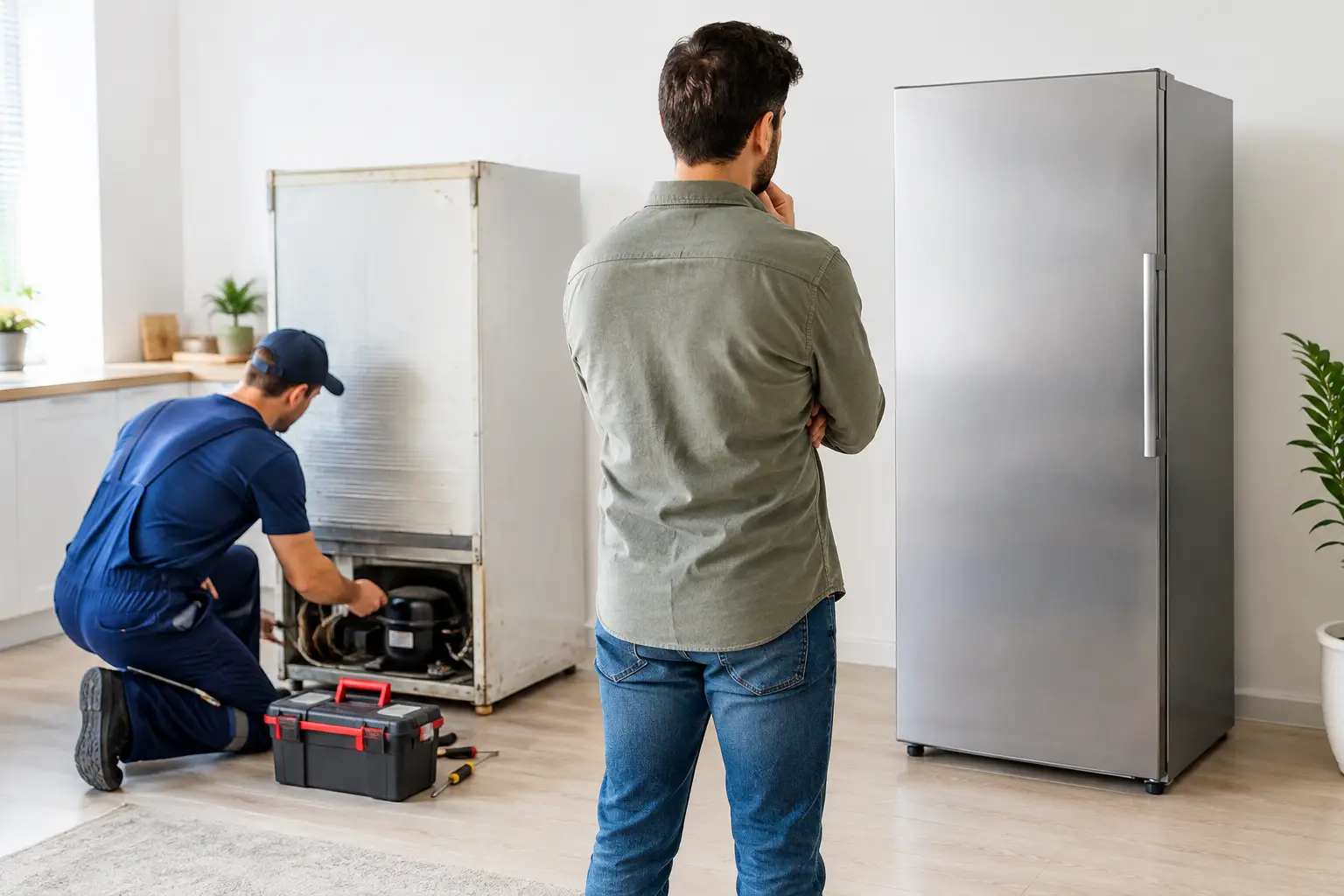

A refrigerator that stops cooling can put groceries at risk. A washer that will not drain can disrupt an entire week. In those moments, an appliance repair satisfaction guarantee is more than a line on a service page. It is a promise that the repair company will take responsibility for the work, communicate clearly, and work toward a result you can trust.
For homeowners, landlords, and local business operators, the value of a guarantee comes down to one question: if the repair does not solve the problem, what happens next? A dependable repair company should answer that question before the technician arrives, not after the invoice is paid.
What an Appliance Repair Satisfaction Guarantee Should Mean
A meaningful satisfaction guarantee starts with a careful diagnosis. Appliances often show similar symptoms for very different reasons. A refrigerator may not cool because of a failed fan motor, a defrost issue, a damaged door seal, or a control problem. A dishwasher that leaves water in the bottom may have a clogged drain path, a failing pump, or an electrical fault.
Replacing a part without identifying the real cause can lead to repeat visits, added expense, and understandable frustration. The first standard of a satisfying repair is getting the diagnosis right and explaining it in plain language.
The guarantee should also support honest communication. You deserve to know what the technician found, what repair is recommended, what the work will cost, and whether repairing the appliance makes financial sense. In some cases, especially with an older appliance or a major sealed-system failure, replacement may be the more practical option. A trustworthy technician does not push a repair simply because it is available.
Finally, satisfaction means the job is handled professionally from start to finish. That includes arriving prepared, treating your home or business with care, completing approved work correctly, and addressing reasonable concerns about the service. A guarantee does not mean every appliance can be made like new. It means the company stands behind the quality of its diagnosis, workmanship, and customer experience.
Why Guarantees Matter When an Appliance Fails
Most people do not call for appliance service because it is convenient. They call because something essential has stopped working. A broken oven can interrupt meal preparation. A dryer with no heat can create a backlog of laundry. A failing commercial refrigerator can threaten inventory and daily operations.
That urgency can make it tempting to choose the first available technician without asking questions. Fast service matters, but it should not come at the expense of clear pricing or competent work. A satisfaction guarantee provides a layer of protection when you are making a decision under pressure.
It also signals confidence. A repair provider that is willing to stand behind its work is more likely to focus on accurate troubleshooting and durable repairs rather than quick fixes. This is particularly valuable for customers who have experienced vague estimates, unnecessary part replacements, or a repair that failed days later.
For rental property owners and managers, a guarantee can help reduce the disruption of repeat service calls. For small businesses, it can support faster recovery when a kitchen, laundry area, break room, or customer-facing appliance is out of service. The goal is not just to get an appliance running for the moment. It is to restore dependable operation whenever a repair is the sensible solution.
The Difference Between a Guarantee and a Warranty
The terms are often used together, but they are not exactly the same.
A satisfaction guarantee generally relates to your overall service experience. It reflects the company’s commitment to addressing concerns about the repair process, communication, workmanship, or outcome. If you are not satisfied, the provider should have a clear process for reviewing the issue and making a reasonable effort to resolve it.
A parts or labor warranty is more specific. It usually covers a particular replacement part or the labor performed for a stated period, subject to conditions. For example, the warranty may not cover a separate failure that develops later, misuse, power surges, pest damage, or an appliance problem unrelated to the original repair.
Both matter. The guarantee tells you the company cares about doing right by the customer. The warranty explains the practical coverage attached to the work. Before approving service, ask how concerns are handled after a repair and whether parts and labor have separate warranty terms. A professional company should be able to explain the answer without pressure or confusing language.
What a Guarantee Cannot Promise
No honest repair company can guarantee that every appliance is worth saving. Age, condition, available parts, prior repairs, and the cost of major components all affect the decision. Some manufacturers discontinue parts, and certain failures may make replacement more economical than repair.
A guarantee also cannot prevent a different component from failing later. Modern appliances contain multiple mechanical and electronic systems. Repairing a faulty drain pump, for example, does not eliminate the possibility that an aging control board could fail months afterward.
That is why clear expectations matter. The right provider explains what was repaired, what the repair is expected to address, and any limitations that could affect future performance. Honest advice is part of satisfaction, even when the recommendation is not the one you hoped to hear.
What to Expect From a Customer-First Repair Visit
A well-run repair appointment should feel straightforward. The technician listens to the symptoms, inspects the appliance, and tests the relevant components before recommending a repair. You should not have to guess what is happening or agree to work without a clear explanation.
Once the issue is identified, ask for an upfront quote that separates the service, labor, and needed parts when applicable. Transparent pricing reduces surprises and gives you a chance to decide whether the repair is worthwhile. If additional issues are discovered during the work, the technician should explain the change before moving forward.
Availability matters too. For urgent breakdowns, same-day or next-day appointments can prevent a small disruption from becoming a major problem. Still, speed should support quality, not replace it. A technician needs enough time to diagnose the appliance correctly, verify the repair, and answer your questions.
Fasteny Appliance Repair approaches service with that balance in mind: responsive scheduling, certified technical expertise, fair quotes, and a 100% satisfaction guarantee. Across Greater Massachusetts, that means helping customers get back to normal without hidden fees or unnecessary uncertainty.
Questions to Ask Before You Schedule Service
You do not need technical knowledge to choose a repair provider wisely. A few direct questions can tell you a great deal about how the company operates.
Ask whether the company provides a written or clearly stated satisfaction guarantee. Ask what happens if the original issue returns after the repair. Confirm whether there is coverage for parts and labor, and find out what conditions may affect that coverage.
It is also reasonable to ask about diagnostic fees, whether that fee is applied toward an approved repair, and when you will receive the final quote. If your appliance is older, ask the technician to compare the expected repair cost with the likely value and remaining life of the unit. The best answer is not always the least expensive one today. It is the option that makes the most sense for your household or business.
Be cautious if a company will not explain its pricing, cannot describe its guarantee, or pressures you to approve work before identifying the problem. Appliance repair involves real variables, but basic transparency should never be optional.
Getting the Most From Your Repair
You can help make the service visit more efficient by sharing the appliance brand, model number, symptoms, and when the problem began. Mention any error codes, unusual noises, leaks, burning smells, or changes in performance. If the appliance has been repaired before, let the technician know what was done.
For safety, stop using an appliance if you notice smoke, sparking, a strong burning odor, or a gas smell. Turn off power or gas only if you can do so safely, and seek professional help. Do not attempt to bypass safety switches, force a stuck appliance door, or disassemble electrical components to investigate the issue yourself.
After the repair, keep the service information and follow any care recommendations provided. Simple habits such as cleaning dryer vents, avoiding dishwasher overloading, checking refrigerator door seals, and using the correct detergent can reduce strain on major components. Maintenance cannot prevent every failure, but it can help your appliance perform better between service calls.
When an essential appliance breaks down, you should not have to choose between speed and confidence. Look for a repair team that explains the problem, gives you a fair quote, and treats your satisfaction as part of the job – because a completed repair only matters when you can rely on it.