A freezer that stops holding temperature can turn a normal afternoon into a race to save groceries. Before you decide whether to repair or replace freezer equipment, protect the food first. Keep the door closed, move items to a working freezer or cooler if possible, and pay attention to whether frozen foods have begun to thaw. Then focus on the decision itself: is this a sensible repair, or is the appliance nearing the end of its useful life?
The answer is rarely just about the age of the freezer. A newer unit with a failed fan motor may be well worth fixing. An older freezer with a sealed-system problem, rising energy use, and repeated breakdowns may be more expensive to keep than to replace. A professional diagnosis gives you the facts you need before spending money either way.
Repair or Replace Freezer: Start With the Problem
Some freezer issues are relatively straightforward. A damaged door gasket can let warm air in, causing frost buildup and forcing the compressor to work harder. A faulty defrost heater, thermostat, evaporator fan, condenser fan, start relay, or ice maker component can also prevent normal operation. These repairs are often practical when the freezer is otherwise in good condition.
Other symptoms call for a closer look. If the freezer is warm, the compressor runs constantly, or the unit clicks on and off without cooling, the cause may involve the compressor or sealed refrigeration system. Those repairs can be more involved and costly, especially on an older appliance. The same is true when a freezer has a refrigerant leak or has already needed several major repairs.
Do not assume a freezer must be replaced because it is noisy or frosty. Rattling can come from a fan blade or loose component. Frost may point to a door seal or defrost-system issue. On the other hand, do not keep resetting breakers, scraping heavy ice, or ignoring temperature changes in hopes the problem will disappear. A freezer that cannot maintain a safe temperature needs prompt attention.
Age Matters, but It Is Not the Only Factor
Chest freezers and upright freezers can often last 12 to 20 years, depending on the model, maintenance, usage, and repair history. A built-in or high-end freezer may justify a larger repair investment because replacement can involve cabinetry changes, matching existing appliances, or special installation requirements.
As a practical guideline, repairing is often the better choice when the freezer is under 10 years old and the repair cost is reasonable compared with replacement. Once a unit reaches the later part of its expected lifespan, replacement becomes more attractive when it needs a major component or has had recurring issues.
The type of freezer matters as well. A basic garage freezer may be inexpensive to replace, making a costly compressor repair hard to justify. A premium refrigerator-freezer or an integrated unit can be different. Its replacement price, fit, and installation requirements may make a professional repair the more economical option.
Compare the Real Cost, Not Just Today’s Repair Bill
The price of a repair should be compared with the total cost of replacement, not only the sticker price of a new unit. Replacing a freezer can include delivery, removal of the old appliance, installation, electrical considerations, and possible modifications if the new model does not fit the existing space.
A useful rule of thumb is to be cautious when a repair costs more than half the price of a comparable replacement and the appliance is already near the end of its expected life. It is not a strict formula. A $400 repair on a reliable 6-year-old freezer may be a good decision. That same repair on a 17-year-old unit that has failed twice recently may simply delay another expense.
Ask for a clear diagnosis and quote before authorizing work. A trustworthy technician should explain what failed, what the repair involves, and whether another likely issue could affect the value of the repair. Transparent pricing matters most when the right choice is not obvious.
Consider Energy Use, but Keep It in Perspective
Newer freezers are generally more energy-efficient than older models. If your current unit is very old, runs almost nonstop, or struggles to stay cold, a replacement may reduce monthly electricity use while offering better temperature controls and storage features.
Still, energy savings alone do not automatically make replacement the best answer. A functioning freezer that needs a modest repair does not necessarily need to be discarded. The more meaningful question is whether the unit will operate reliably after the repair. Efficiency is one part of the value calculation, along with age, repair history, capacity, and the cost of a new appliance.
Food Safety Can Change the Decision Quickly
A freezer should hold food at 0°F or below. If the temperature rises, food safety becomes the immediate concern. Frozen food that still contains ice crystals or has stayed at 40°F or below may be refrozen or cooked, though quality can suffer. Perishable food that has been above 40°F for more than two hours should generally be thrown away.
Use an appliance thermometer if the display seems inaccurate or the freezer feels warmer than normal. Do not rely on whether ice cream is soft as your only test. Ice cream can soften before other foods fully thaw, while densely packed food may stay frozen longer than the air temperature suggests.
If a freezer failure caused significant food loss, document what happened and check your homeowners, renters, or business insurance policy. Some policies may offer limited coverage for spoiled food after a covered power outage or appliance failure. For small businesses that store inventory, a freezer failure can also interrupt operations, so fast diagnosis is especially valuable.
Signs Repair Is Usually the Smart Choice
Repair is often the practical option when the freezer is relatively new, has been dependable, and needs one identifiable component. It also makes sense when the cabinet, shelves, door, and controls are in good shape and the repair restores full performance.
Look at the service history honestly. A first repair after years of reliable use is very different from the third service call in a single year. One failed part does not mean the whole appliance is unreliable. Repeated temperature problems, electrical faults, or compressor-related issues can be a sign that replacement will provide more peace of mind.
A repair is also worth considering when replacing the appliance would create a larger problem. That can happen with built-in units, compact spaces, specialty finishes, or commercial settings where the freezer size and layout are essential to daily operations.
Signs It May Be Time to Replace
Replacement is often the better investment when an older freezer needs a compressor, sealed-system work, or several major parts at once. It is also reasonable when the unit has visible rust or cabinet damage, poor door alignment, persistent leaks, or an ongoing inability to hold temperature after previous repairs.
Pay attention to practical frustrations, too. If the freezer is too small for your household, has broken storage components that cannot be replaced, or no longer fits how you use your kitchen, a new model may solve more than one problem. Waiting until total failure is not always the least expensive approach, particularly if the unit is becoming unreliable before a holiday, move, or busy business period.
Before choosing a replacement, measure the opening, door clearance, pathway into the home, and electrical setup. A freezer that looks right online can be difficult to install if it cannot clear a doorway or open fully in its intended location.
Get a Diagnosis Before You Decide
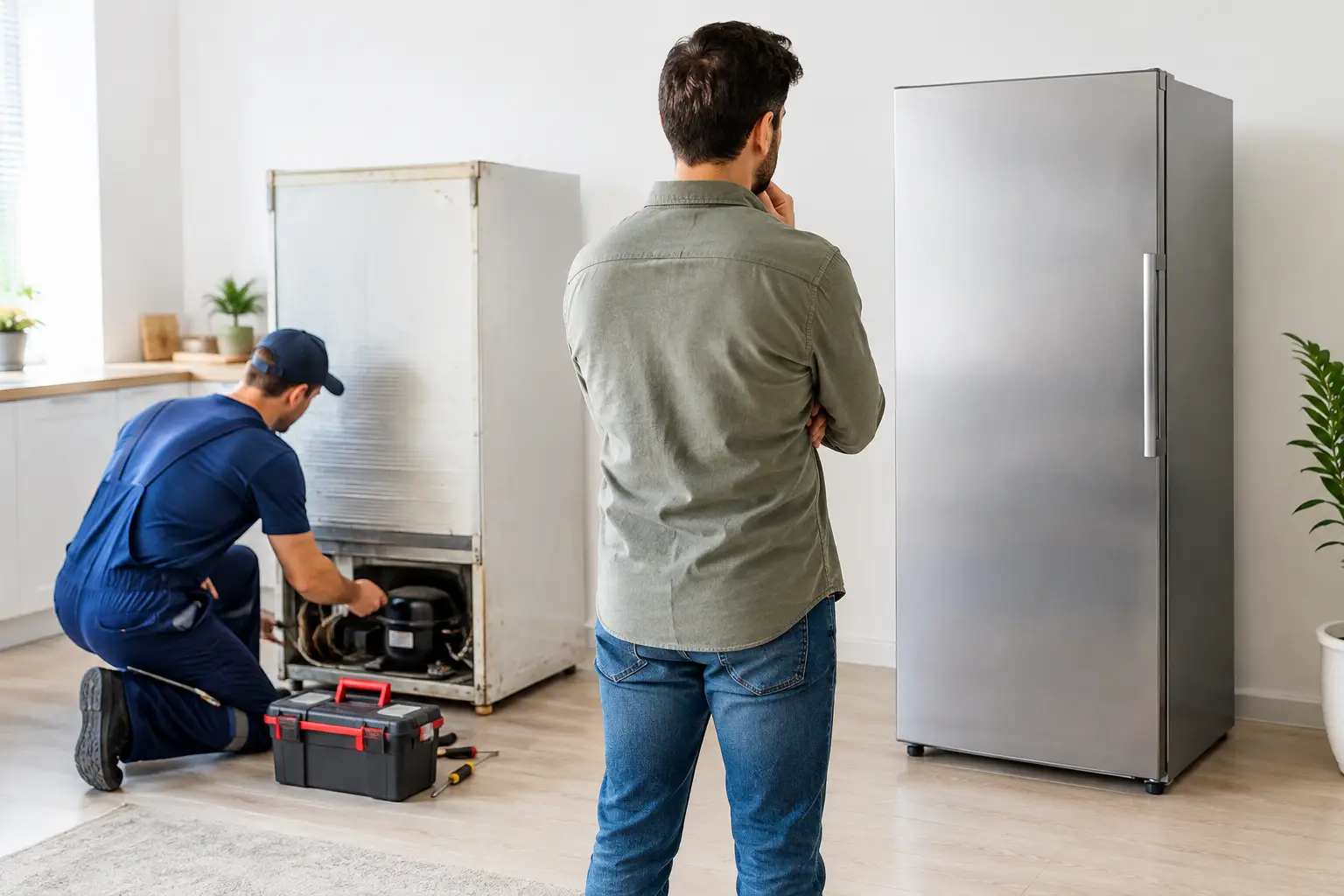
The best repair-or-replace decision starts with knowing the actual cause of the problem. A certified technician can test the electrical components, fans, controls, defrost system, and cooling performance instead of guessing from one symptom. That can prevent an unnecessary replacement or stop you from putting money into a freezer with a costly underlying issue.
For homeowners and businesses across Greater Massachusetts, Fasteny Appliance Repair provides prompt freezer diagnosis with straightforward communication about your options. You should know what is wrong, what it will cost to fix, and whether repair makes financial sense before work begins.
If your freezer is not cooling, is covered in frost, makes unusual noises, or trips the breaker, schedule service sooner rather than later. A clear diagnosis can protect your food, reduce disruption, and help you make a decision you will feel good about long after the freezer is running again.