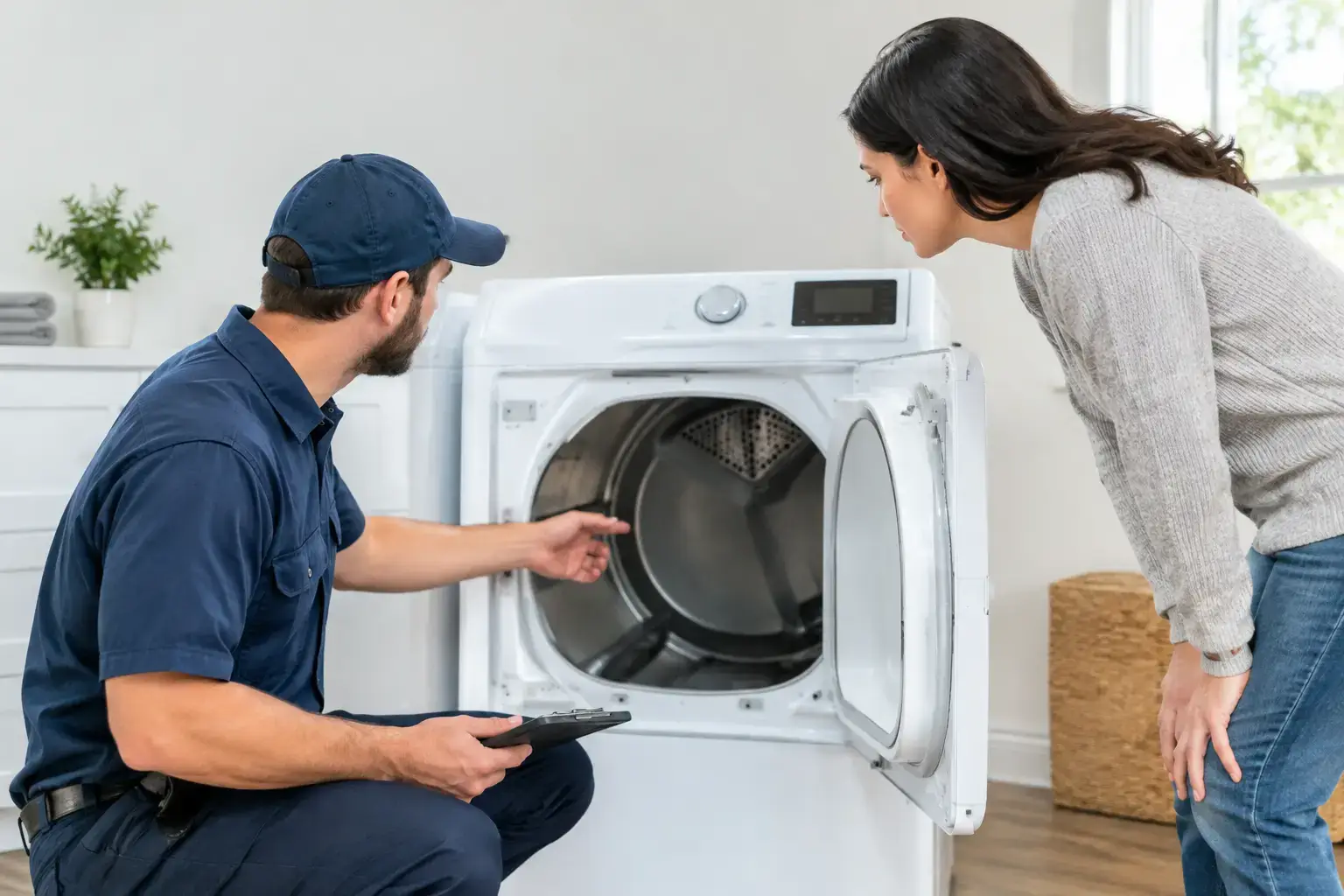

A refrigerator that stops cooling or a dryer that will not heat creates an immediate problem, not a project to put off until next week. That is why a repair service guarantee matters. It gives you a clear expectation that the company will stand behind its diagnosis, workmanship, and commitment to resolving the issue without making you pay twice for the same repair.
A good guarantee is more than a reassuring phrase on a website. It should make the repair process clearer from the first call through the completed service visit. For homeowners, landlords, and local businesses, it is one of the best signs that a repair company takes accountability seriously.
What Does a Repair Service Guarantee Mean?
A repair service guarantee is a company’s promise to address problems related to the work it performed. If an appliance develops the same issue shortly after service because of a workmanship error, an appropriate guarantee gives the customer a path to have the concern reviewed and corrected.
The exact terms differ by provider, so a guarantee should never be treated as a blank check for every future appliance problem. Appliances contain many interconnected parts. A dishwasher may have a drainage issue today and a separate control board issue months later. A washer could stop spinning because of a worn belt, then later develop a leak from an unrelated hose.
Still, when the original repair does not hold because the problem was misdiagnosed, a part was installed incorrectly, or the work was incomplete, the company should respond promptly. That is the practical value of a guarantee: it reduces the risk of being left with an unresolved problem after paying for professional service.
What a Fair Repair Service Guarantee Should Cover
The strongest guarantees focus on the areas a repair company can directly control: diagnosis, labor, installed parts, and customer communication. Before authorizing work, ask how each area is handled.
The original repair issue
If the same symptom returns after the technician’s repair, the company should assess whether it is connected to the original service. For example, if an oven still will not reach temperature after a heating-element repair, that deserves a follow-up conversation. The technician may find that the appliance has an additional failed component, but the original work should still be reviewed fairly.
Clear documentation helps here. A professional service visit should identify the reported issue, the diagnosis, the work performed, and the parts used. That record makes it easier for both the customer and technician to determine whether a new concern is related to the prior repair.
Workmanship
Workmanship coverage applies to the quality of the service itself. This includes proper installation, secure connections, correct assembly, and testing the appliance after the repair. If a dishwasher begins leaking because a hose was not secured correctly during service, that is a workmanship concern.
A trustworthy company does not dismiss these calls or make customers repeat their story several times. It listens, checks the details, and schedules a return visit when the concern warrants one. Quick communication is especially important when the appliance is essential to a household or business operation.
Replacement parts
Replacement parts often carry their own manufacturer warranty, which may be different from the repair company’s labor guarantee. Customers should understand that distinction before approving the repair.
If a newly installed part fails under its applicable coverage, the repair company should explain the next steps, including whether the part will be replaced and whether any service-related charge applies. The answer can depend on the supplier’s policy, the part type, and the reason for failure. What matters is transparency. You should not have to guess what is covered after the invoice is paid.
A reasonable resolution process
A guarantee has little value if there is no straightforward way to use it. Look for a company that provides clear contact information, records service details, and responds without unnecessary delays. If the refrigerator is warming or a commercial dryer is out of service, a vague promise to “get back to you” is not enough.
At Fasteny Appliance Repair, the service approach is built around fair quotes, certified technical expertise, responsive scheduling, and customer satisfaction. Those standards matter most after the initial visit, when a customer needs confidence that a concern will be handled with the same urgency as the first call.
What a Guarantee Usually Does Not Cover
A fair policy also has limits. Knowing them upfront prevents frustration and makes it easier to compare repair companies honestly.
A guarantee may not cover a separate failure that develops after the visit, normal wear on another aging component, damage caused by misuse, pest activity, power surges, plumbing problems, or improper installation performed by someone else. It also may not cover a situation where a customer declines a recommended repair and the appliance continues to malfunction for the same underlying reason.
Appliance age can affect the decision as well. A technician may successfully replace a failed drain pump in an older washer, but that does not make every original component new. When multiple major parts are near the end of their service life, repair can still be the right choice, but the customer should receive an honest explanation of the trade-offs.
The key is not for a company to promise that an older appliance will never need service again. The key is to stand behind the repair it performed and explain any known risks before work begins.
Questions to Ask Before You Book
You do not need technical knowledge to protect yourself. A few direct questions can reveal whether a service provider is organized, transparent, and prepared to stand behind its work.
Ask what the guarantee covers, how long the labor coverage applies, and whether replacement parts have separate terms. Ask what happens if the same issue returns and whether the company charges for a follow-up assessment. If the technician identifies multiple problems, ask which repair is necessary now and which items can reasonably wait.
It is also smart to ask for a clear quote before major work starts. The quote should explain the service call, labor, parts, and any additional charges that could apply. No appliance repair is completely predictable until the unit is inspected, but surprises should be discussed before the work proceeds.
For rental properties and small businesses, ask how the company communicates with the person who approves repairs. Quick authorization and detailed invoices can prevent downtime from stretching longer than necessary.
Why Guarantees Matter More for Urgent Repairs
When a freezer is thawing, a cooktop will not ignite, or a washer is overflowing, customers are often focused on getting the first available appointment. Speed matters, especially across busy homes and commercial spaces. But fast service without accountability can create another disruption if the problem returns the next day.
The best repair experience combines quick scheduling with careful diagnosis. A qualified technician should inspect the appliance, explain the likely cause in plain language, provide a fair quote, and test the repair before leaving. A guarantee supports that process because it gives the company a reason to prioritize accuracy over a rushed temporary fix.
This is particularly valuable with intermittent problems. A refrigerator may cool normally during a brief visit but fail overnight. A dryer may heat for one cycle and then stop. These issues can require additional testing, and no honest technician should claim certainty when the evidence points to several possible causes. What customers should expect is a thorough approach, clear communication, and accountability for the work completed.
Choose Confidence, Not Just the Lowest Price
The cheapest estimate is not always the lowest-cost repair. A low quote can become expensive if it excludes necessary parts, skips proper testing, or leaves you paying again when the same problem returns. On the other hand, the highest quote is not automatically the best choice either.
Look for a repair company that explains the diagnosis, provides pricing before work begins, respects your decision, and offers a meaningful service guarantee. That combination protects more than the appliance. It protects your time, your budget, and your peace of mind when an essential machine suddenly stops working.
When you need appliance repair, ask about the guarantee before the appointment, keep your service record, and choose a team that treats a completed repair as a commitment rather than the end of a transaction.