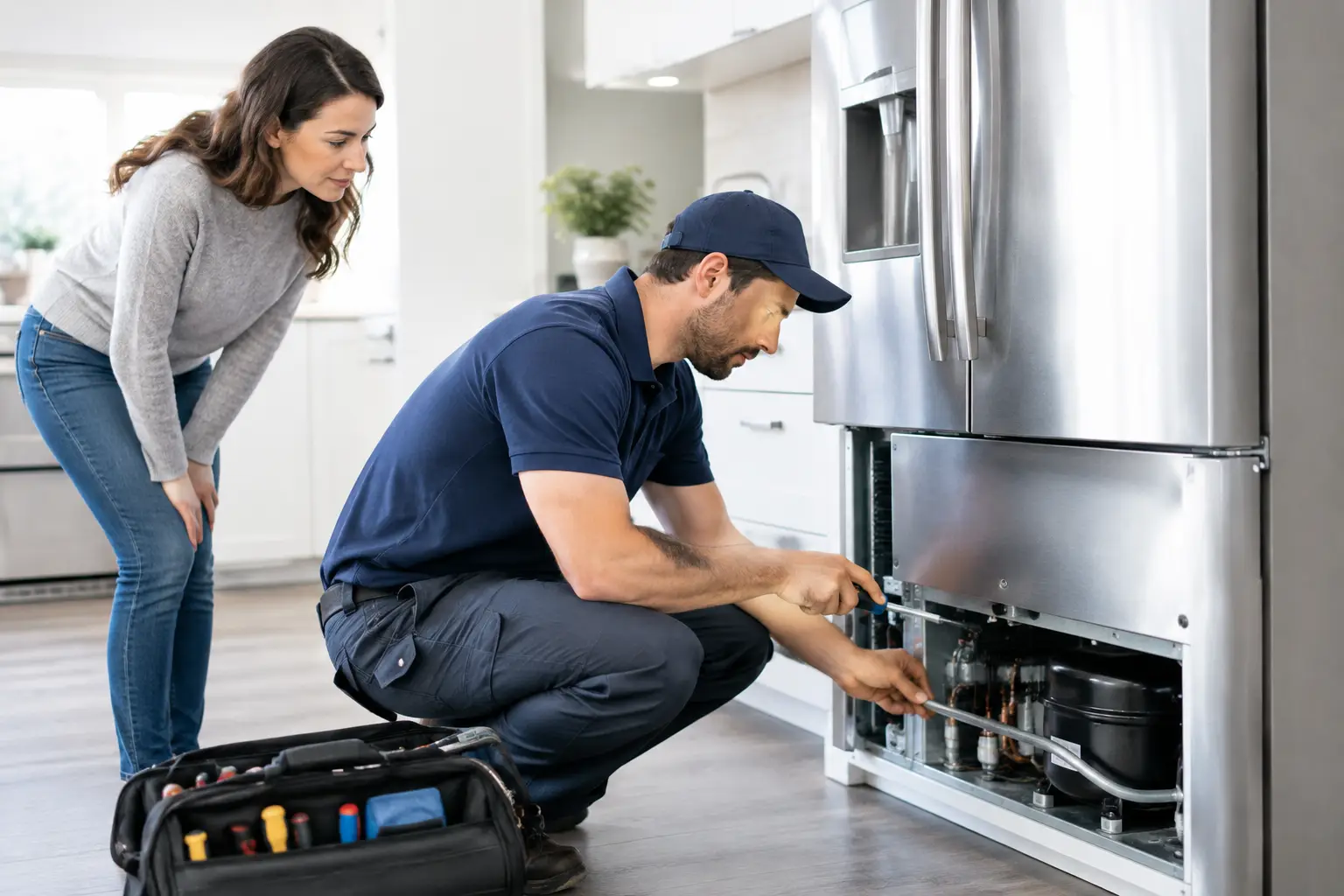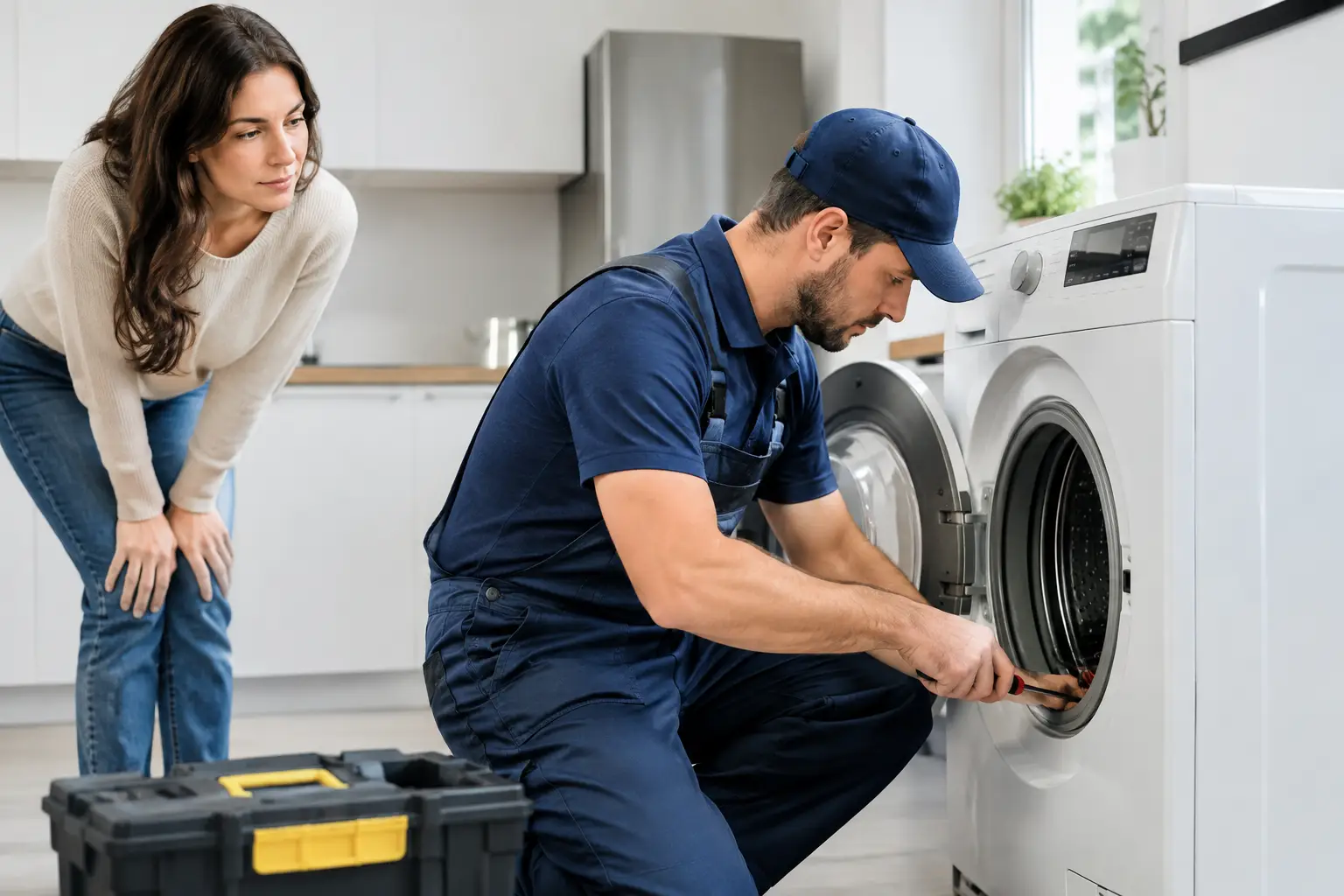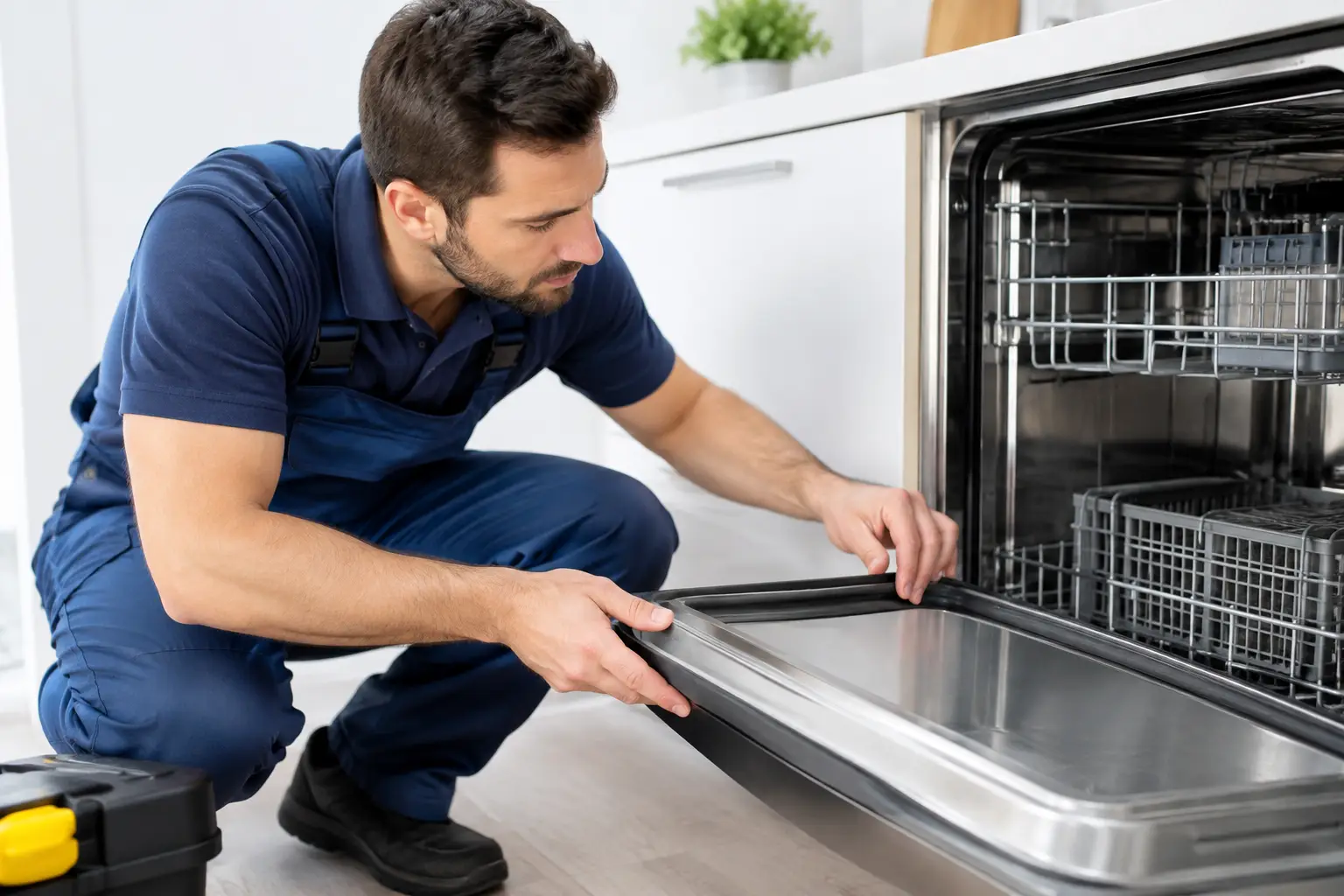
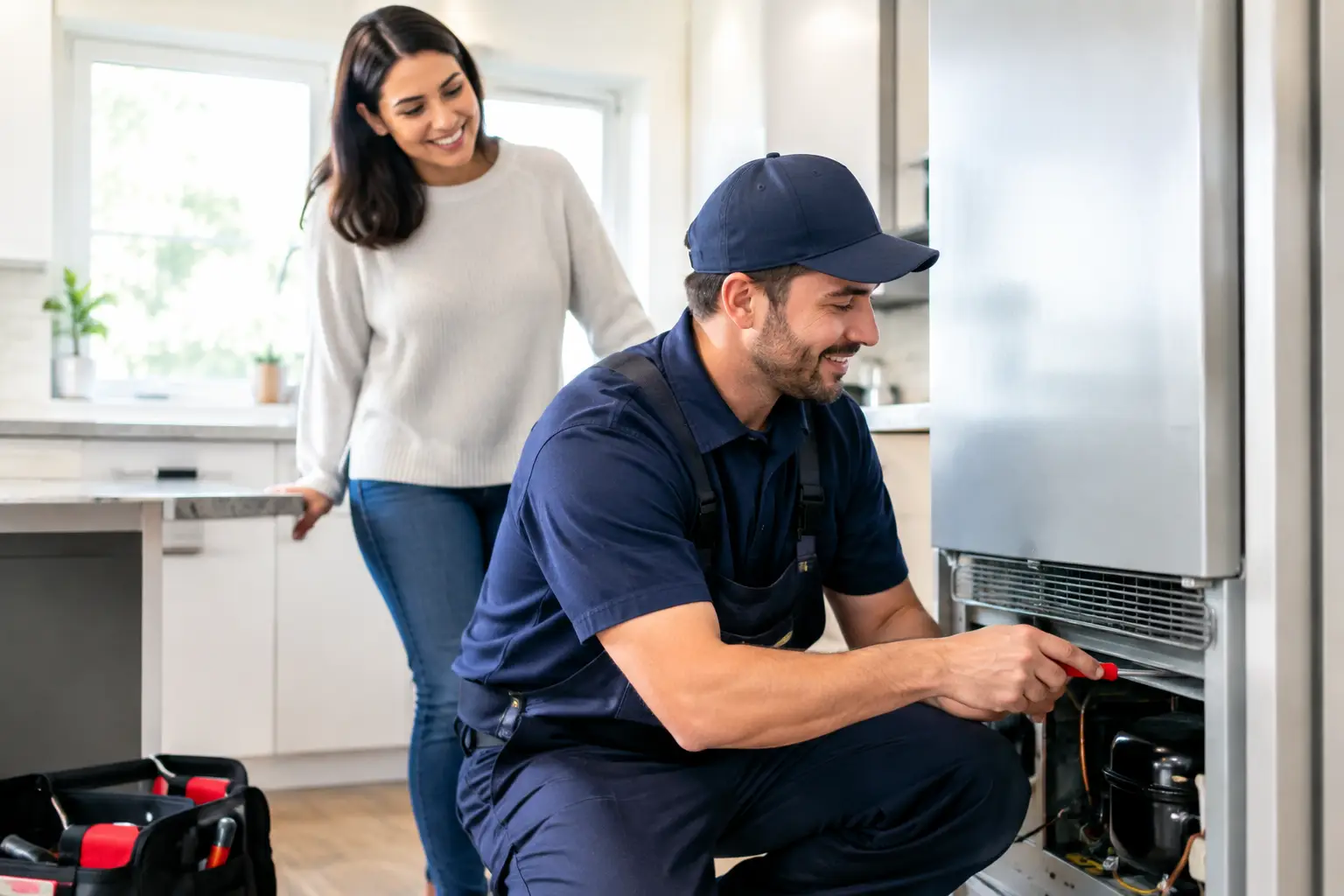
A refrigerator that stops cooling on Friday afternoon is not a minor maintenance ticket for a tenant. It can mean spoiled groceries, a disrupted weekend, and a fast-growing concern that the property is being neglected. Reliable appliance repair for landlords protects the rental, preserves the tenant relationship, and prevents a manageable problem from turning into an expensive replacement or emergency call.
For landlords, the goal is not simply to get an appliance running again. It is to respond clearly, diagnose the real issue, approve sensible work, and leave a record that shows the problem was handled professionally. A dependable repair process makes that possible.
Why Fast Repairs Matter in a Rental Property
Rental appliances affect daily life more than most property features. A broken washer can force a family to use a laundromat. A dishwasher leak can damage flooring and cabinets. An oven that will not heat can leave tenants without a way to prepare meals. When the appliance is included with the rental, a delayed response can quickly become a source of frustration.
Speed also limits property damage. A refrigerator with a failing compressor may still cool intermittently, but waiting too long can lead to food loss and a complete system failure. A leaking dishwasher may look like a simple puddle until moisture reaches the subfloor. A dryer that is taking multiple cycles to dry clothes could have a clogged vent, creating a safety concern as well as a tenant complaint.
Same-day or next-day service is especially valuable when the appliance is essential to habitability or could cause further damage. That does not mean every repair needs to be rushed without a plan. It means the tenant should receive a prompt response, a clear next step, and a realistic timeline.
Build a Simple Appliance Repair Process for Tenants
The best time to establish a repair process is before the first breakdown. Tenants should know how to report an issue, what information to provide, and when they can expect an update. A short maintenance section in the lease or move-in packet can prevent confusion later.
Ask tenants to report the appliance type, brand if visible, symptoms, when the issue began, and whether there is an active leak, burning smell, electrical concern, or loss of cooling. Photos or a brief video can help, but they should never delay scheduling service when there is water, smoke, sparking, or another urgent risk.
After receiving the request, acknowledge it promptly. Let the tenant know whether they should stop using the appliance, take a basic precaution such as shutting off the water supply if they know how, or wait for a technician. Avoid asking tenants to disassemble appliances, move heavy machines, or attempt electrical repairs themselves.
A practical process usually follows three steps: confirm the issue, schedule qualified service, and communicate the outcome. The consistency matters. Even when a needed part is delayed, tenants are more likely to be reasonable when they know what is happening and when to expect the next update.
Appliance Repair for Landlords: Know What Is Urgent
Not every malfunction has the same priority. A cooktop burner that will not ignite needs attention, but a gas odor, smoke, sparking, or a tripped breaker that will not reset requires immediate action. Similarly, a dryer making a mild noise may be schedulable, while a dryer with a burning smell should be taken out of service right away.
Treat water leaks, electrical symptoms, gas-related concerns, loss of refrigerator cooling, and appliances that will not shut off as priority calls. Instruct tenants to stop using the appliance when appropriate. If water is actively leaking, they should protect nearby belongings and use the shutoff valve only if they can do so safely.
Less urgent issues still deserve a timely appointment. A dishwasher that leaves standing water, a washer that shakes excessively, or an oven with uneven heat can worsen over time. Early repair often costs less than waiting for a complete failure.
Common symptoms worth acting on
Landlords should schedule professional diagnosis when a refrigerator runs constantly, a washer will not drain, a dishwasher leaks or leaves dishes dirty, an oven will not reach temperature, or a dryer produces little heat. These symptoms can have several causes, from a worn component to a blocked line or control issue. Guessing can lead to unnecessary part purchases and repeat visits.
Repair, Replace, or Upgrade?
The right decision depends on the appliance’s age, condition, repair history, and the cost of the specific repair. A newer appliance with a failed pump, heating element, switch, or door seal is often a good repair candidate. A unit with repeated electronic failures, major corrosion, or an expensive sealed-system issue may be better replaced.
There is no single percentage rule that works for every rental. A lower-cost repair may still be a poor investment if the appliance has failed several times in the past year. On the other hand, replacing an appliance too quickly can be wasteful when a certified technician can correct a straightforward issue for a fair, clearly quoted price.
Consider the tenant experience as well. If a repair will require waiting weeks for an uncommon part and the appliance is essential, a replacement may be the more practical choice. For a secondary appliance or a nonessential feature, a scheduled repair may make more financial sense.
Before approving work, ask for a clear diagnosis, the repair cost, whether parts are included, and the expected timeline. Transparent pricing helps landlords make decisions without worrying about surprise charges after the work is complete.
Keep Records That Protect Your Property
A repair record is useful long after the technician leaves. Keep the service date, appliance model and serial number, reported symptoms, diagnosis, work performed, invoice, and any warranty information. This makes it easier to spot recurring problems and determine whether an appliance is becoming a replacement candidate.
Good records also make turnover easier. When a new tenant moves in, you can confirm the appliance was recently serviced and document its working condition. If a tenant reports a recurring issue, prior service notes help the technician avoid repeating the same troubleshooting steps.
For multi-unit owners, organize records by unit and appliance rather than by vendor invoice alone. A simple spreadsheet or property-management system can show how often each washer, refrigerator, or range has needed service. That information is valuable when budgeting capital improvements.
Reduce Preventable Appliance Calls
Some appliance failures are unavoidable, but routine care can reduce avoidable service calls. Refrigerator coils need room for airflow. Dishwasher filters benefit from regular cleaning. Washer hoses and connections should be inspected periodically. Dryer vents need professional attention when lint buildup, long dry times, or poor airflow appear.
Landlords should also check appliances between tenancies. Run a dishwasher cycle, test every burner and oven function, inspect refrigerator door seals, and operate the washer and dryer before handing over keys. Finding a weak component during turnover is far easier than managing a breakdown during a tenant’s first week.
Clear tenant guidance helps without shifting inappropriate repair responsibilities onto them. Tenants can remove lint from the dryer filter after each use, avoid overloading a washer, and report leaks early. They should not be expected to repair wiring, gas connections, internal components, or water lines.
Choose a Repair Partner Who Communicates Clearly
The lowest initial quote is not always the lowest total cost. A vague diagnosis, poor communication, or an incomplete repair can lead to another visit, more tenant inconvenience, and a larger bill later. Look for technicians who can explain the issue in plain language, provide an honest quote before work begins, and stand behind the repair.
For landlords managing properties across Greater Massachusetts, broad coverage and responsive scheduling can simplify maintenance coordination. Fasteny Appliance Repair provides professional service for major household appliances with certified technical expertise, transparent pricing, and same-day or next-day availability when scheduling allows.
Before the visit, make sure the tenant knows the appointment window and whether an adult needs to be present. Confirm that the appliance is accessible and that pets are secured. Small details prevent missed appointments and help the technician focus on the repair.
A broken appliance will eventually happen in every rental property. What tenants remember is whether they were left guessing or whether someone responded, communicated, and got the home functioning again. A fast, well-documented repair process turns an unavoidable maintenance issue into proof that the property is being managed with care.