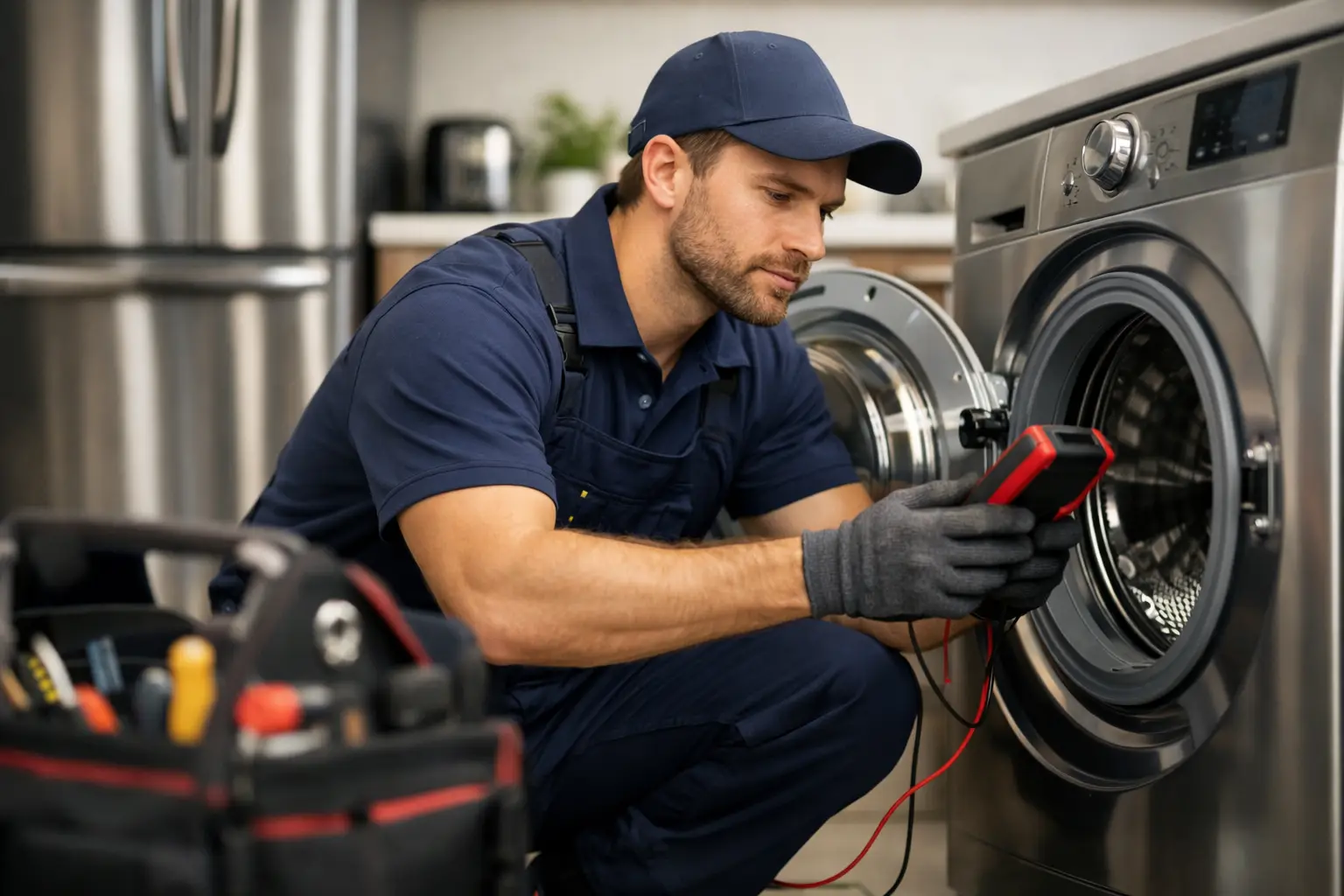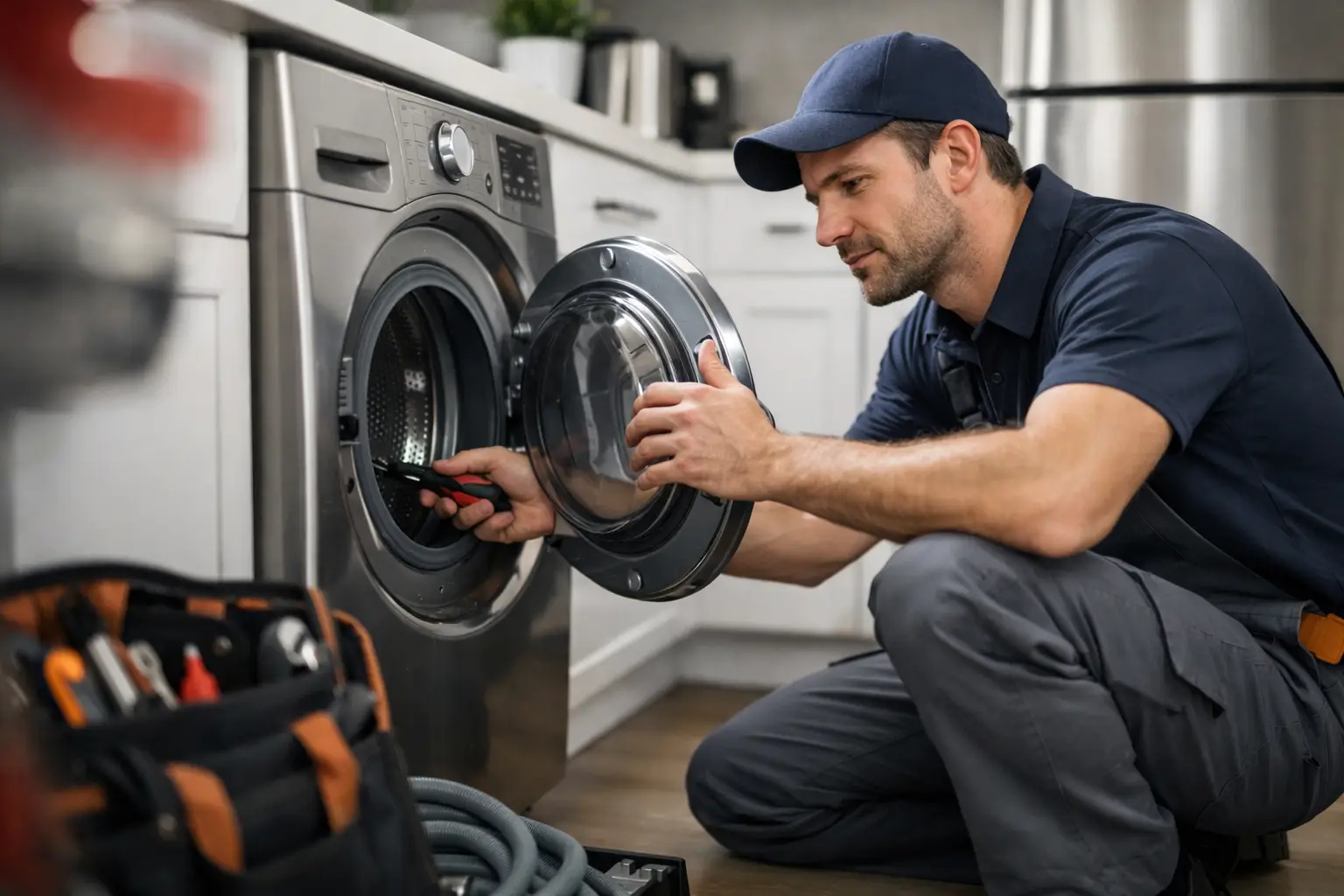
A washer full of dirty water usually shows up at the worst possible time – right before work, between loads, or in the middle of a busy weekend. If you are searching for washer not draining repair, the good news is that this symptom often points to a handful of common problems. The challenge is figuring out whether it is a quick fix, a clogged part, or a mechanical issue that needs a trained technician.
When a washer will not drain, the machine is telling you that water is not moving out the way it should. That can happen because of a blocked drain hose, a clogged pump filter, a failing drain pump, a lid switch problem, or even a control board issue. Some causes are simple and safe to inspect. Others can waste time and lead to water damage if they are misdiagnosed.
Common causes behind washer not draining repair
In many homes, the most common reason a washer stops draining is a blockage. Socks, coins, lint, pet hair, and small clothing items can work their way into the drain system over time. Front-load models often collect debris in the pump filter, while top-load washers may have problems in the drain hose or pump assembly.
Another frequent cause is a kinked or improperly installed drain hose. If the hose is crushed behind the machine or pushed too far into the standpipe, the washer may struggle to move water out. It sounds minor, but drainage depends on the right hose position and enough airflow.
Drain pumps also wear out. A pump may hum, grind, or stay completely silent when the washer reaches the drain cycle. In some cases, the pump motor still has power but cannot move water. In others, the impeller is damaged or jammed by debris.
Then there are electrical and sensor-related failures. A faulty lid switch on a top-load washer can prevent draining because the machine does not detect that it is safe to spin. Some washers also stop mid-cycle because of pressure switch problems, wiring issues, or a control board fault. These are harder to confirm without proper testing.
What you can safely check first
Before assuming the worst, start with the simple checks. Unplug the washer first. If there is standing water in the tub, be prepared with towels, a shallow pan, or a wet vacuum because opening parts of the drain system can release a lot of water fast.
Look at the drain hose behind the machine. If it is bent sharply, straighten it. If it looks pinched against the wall, pull the washer forward carefully and give the hose room. Also check whether the hose is clogged. In some cases, removing and flushing it can reveal built-up lint or a small obstruction.
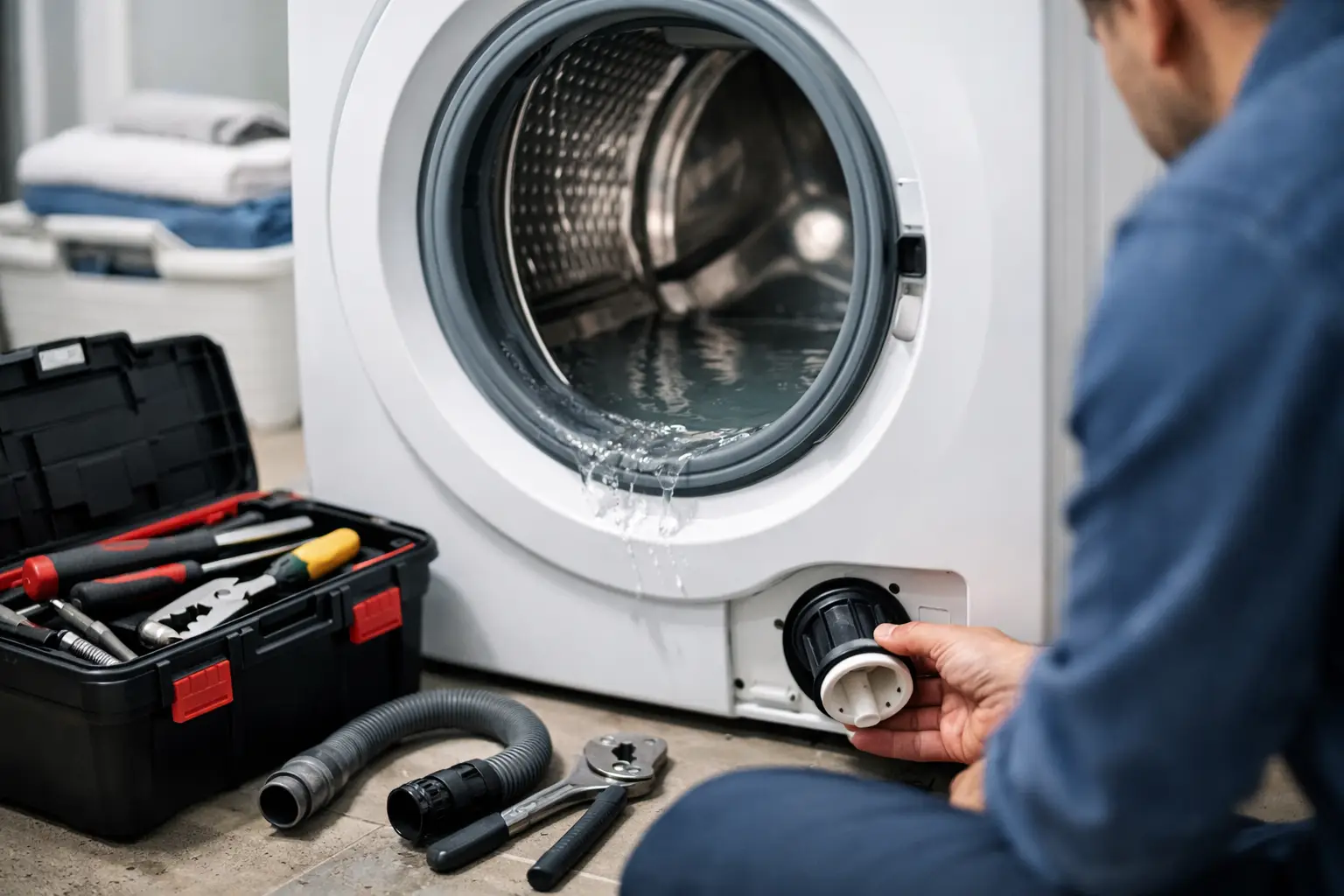
If you have a front-load washer with an access panel near the bottom front, check the pump filter. This is one of the most common answers in washer not draining repair calls. A blocked filter can stop drainage completely or slow it enough that the machine throws an error code. Open it slowly and expect water to come out.
Check the load itself too. One bulky item, like a heavy blanket or rug, can throw off balance and interrupt the drain and spin cycle. If the washer drained poorly during an oversized load, redistributing or reducing the load may help. That said, if the machine repeatedly leaves water behind, the issue is likely deeper than load balance alone.
Signs the drain pump may be failing
A failing drain pump tends to leave clues. If you hear a humming sound but the water does not move, the pump may be jammed or worn out. If you hear grinding, something may be caught in the pump. If you hear nothing at all during the drain cycle, the problem could be the pump, the wiring, or the control sending the command.
Leaks around the front or bottom of the washer can also point to pump trouble. A cracked pump housing or loose connection may let water escape while the machine tries to drain. In that case, continuing to run the washer can turn a repair issue into a flooring problem.
Pump replacement is not usually a good guess-and-check job. Access varies by brand and model, and a no-drain symptom does not automatically mean the pump is bad. A proper diagnosis saves time and helps avoid replacing a working part.
When a washer not draining repair needs a professional
If you have already checked the hose, filter, and load balance and the washer still will not drain, it is time to bring in a technician. The same applies if the washer stops mid-cycle, trips the breaker, leaks heavily, smells like something is overheating, or shows recurring error codes.
Professional service matters because several different failures can look the same from the outside. A bad pump, a blocked internal hose, a failed lid switch, a wiring break, or a control issue can all produce a tub full of water. Without testing tools and model-specific experience, it is easy to chase the wrong repair.
For homeowners and small businesses across Greater Massachusetts, speed matters too. A washer out of service creates immediate disruption, especially in larger households, rental units, salons, gyms, and other commercial spaces that rely on laundry equipment. Same-day or next-day service can make the difference between a manageable repair and a drawn-out mess.
Why drainage problems should not wait
A washer that does not drain is not just inconvenient. Standing water creates odor, mildew, and residue inside the machine. If the washer attempts to spin with water still in the tub, it can put extra strain on the motor and suspension system. In some cases, repeated use can turn one failed part into several.
There is also the risk of overflow or leaking. A partial clog may let the machine drain slowly one day and back up the next. If the problem is in the pump or hose connection, the next cycle could send water onto the floor instead of into the drain.
Prompt repair is usually the less expensive path. Diagnosing the issue early can prevent damage to surrounding cabinetry, flooring, baseboards, and the washer itself.
What to expect from a service visit
A good washer repair appointment should feel straightforward. The technician should inspect the drainage system, test the relevant electrical components, check for clogs, and identify the actual cause before recommending a repair. Clear pricing matters. So does honest guidance if the machine is no longer worth fixing.
That is especially important with older washers. Sometimes the repair is simple and cost-effective. Other times, if the unit has multiple failing components or major wear, replacement may make more sense. The right service company will explain the trade-off clearly instead of pushing a repair that does not serve you.
At Fasteny Appliance Repair, that approach is simple: respond quickly, diagnose the issue accurately, and provide a fair quote with no hidden fees. For customers in communities across Greater Massachusetts, that means less downtime and fewer surprises.
Preventing future draining problems
You cannot prevent every washer issue, but a few habits reduce the chance of another drainage problem. Check pockets before washing. Small items like coins, screws, hair ties, and paper can all end up where they should not. Wash delicate items in mesh bags so baby socks and other small pieces do not slip into the drain system.
It also helps to avoid overloading the machine. Overloading strains the motor, affects spin performance, and can leave more lint and debris moving through the washer. Cleaning the pump filter periodically, if your model has one, is another smart step.
If you notice slow draining, unusual sounds, or leftover water after a cycle, do not wait for a full breakdown. Early symptoms often show up before the washer stops draining completely. Catching the problem then is easier on your schedule and your repair bill.
A washer that will not drain does not need guesswork, and it definitely does not need repeated resets while water sits in the tub. Start with the safe basics, and if the problem continues, get it checked by a qualified technician who can fix it right the first time.