A refrigerator that suddenly stops cooling can put a week’s groceries at risk. A washer that will not drain can leave a household stuck mid-laundry. When an essential appliance fails, appliance repair is not just another item on a to-do list. It is a time-sensitive problem that deserves a clear diagnosis, an honest quote, and a repair that restores normal life without unnecessary delays.
Some problems have simple causes, such as a tripped breaker or a clogged filter. Others involve electrical components, water connections, gas lines, motors, control boards, or sealed cooling systems. Knowing the difference helps protect your home, your budget, and the appliance itself.
When Appliance Repair Is the Right Call
A single unusual sound or one imperfect wash cycle does not always mean an appliance is failing. But a pattern of poor performance usually means something needs attention. The sooner a technician identifies the cause, the more likely it is that a smaller repair can prevent a larger breakdown.
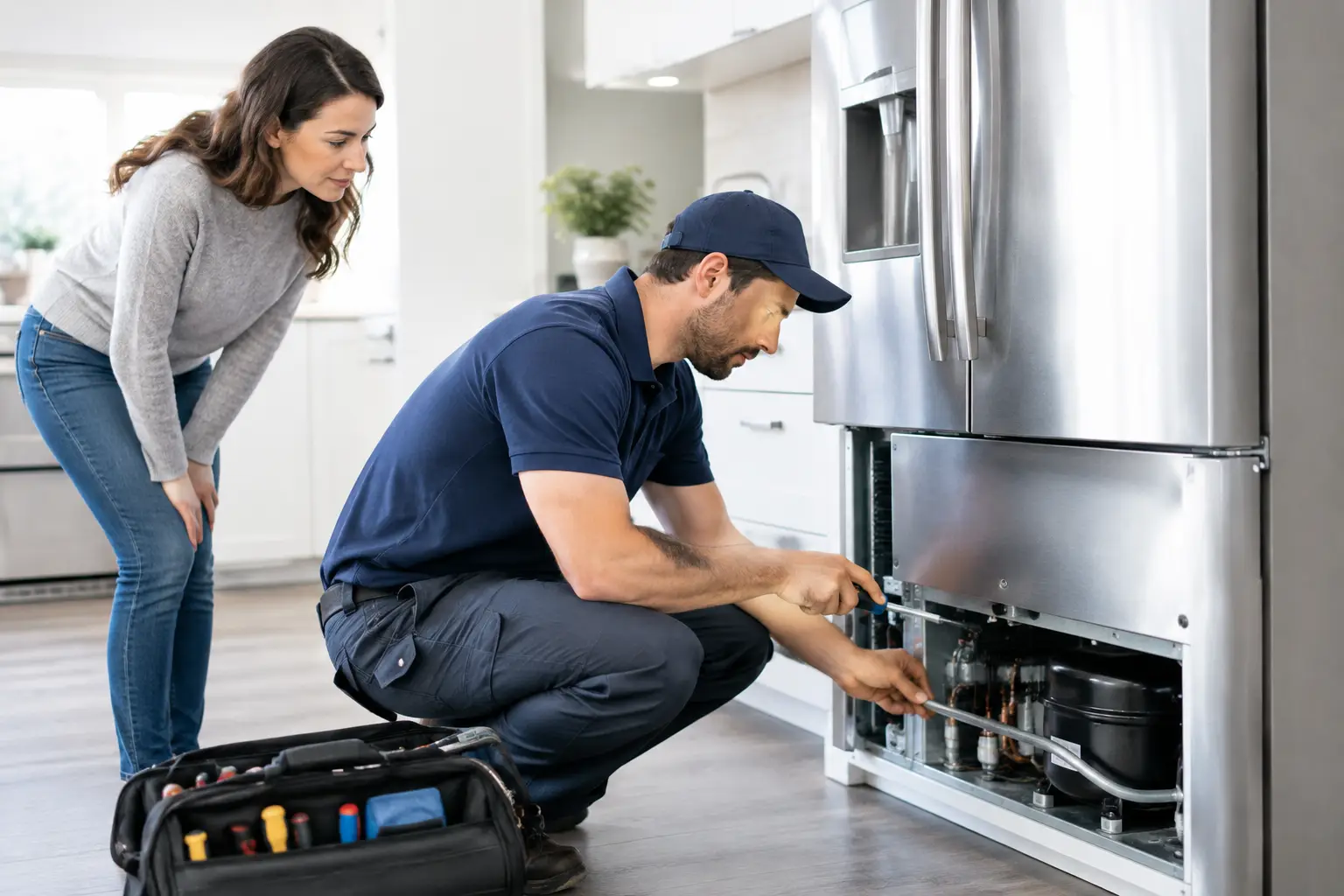
Call for professional service when a refrigerator is warm, leaking, cycling constantly, or building excessive frost. These symptoms can point to issues with the condenser, evaporator fan, defrost system, door seal, drain line, or electronic controls. Continuing to use a refrigerator that is not holding a safe temperature can lead to food loss and may put added strain on the system.
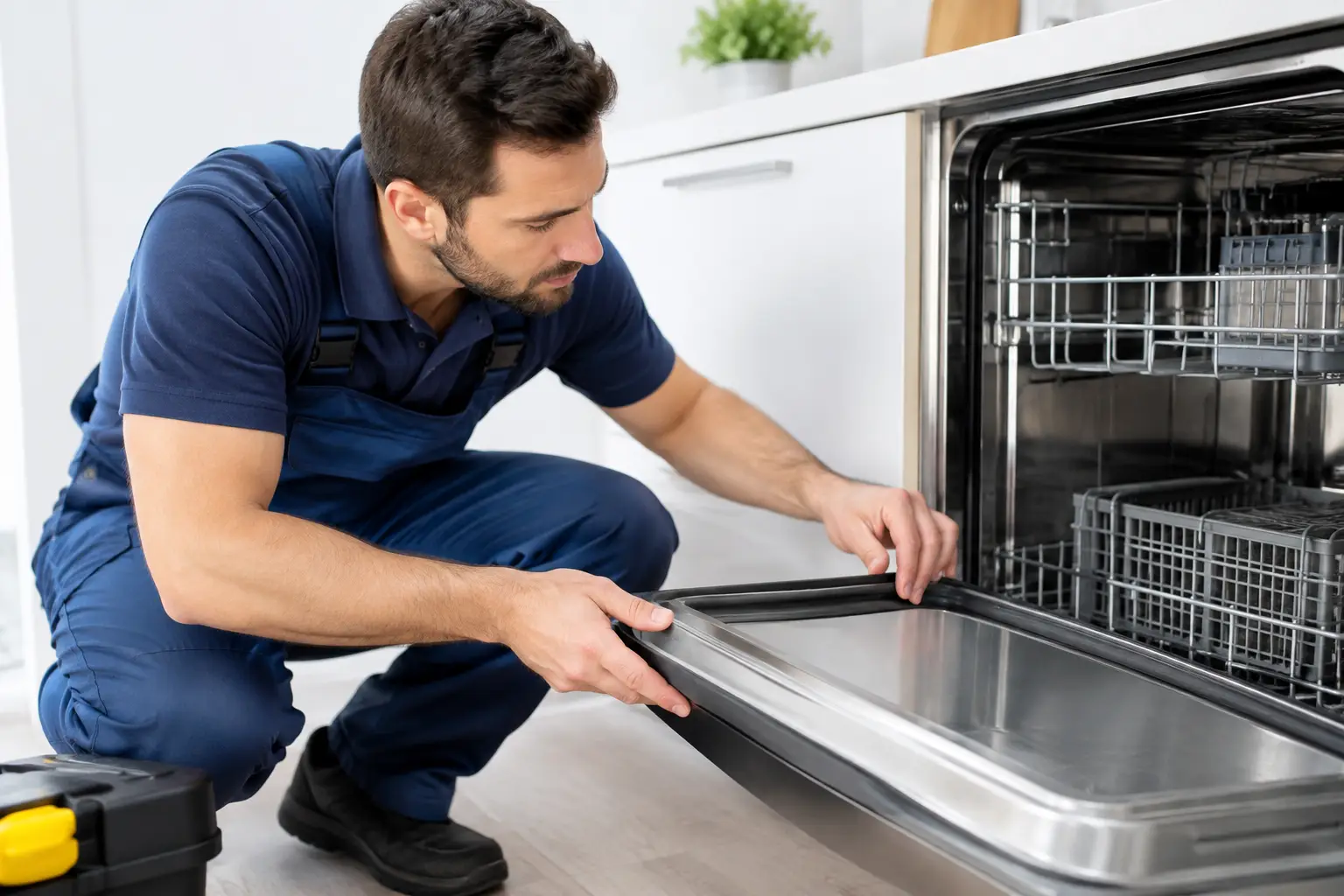
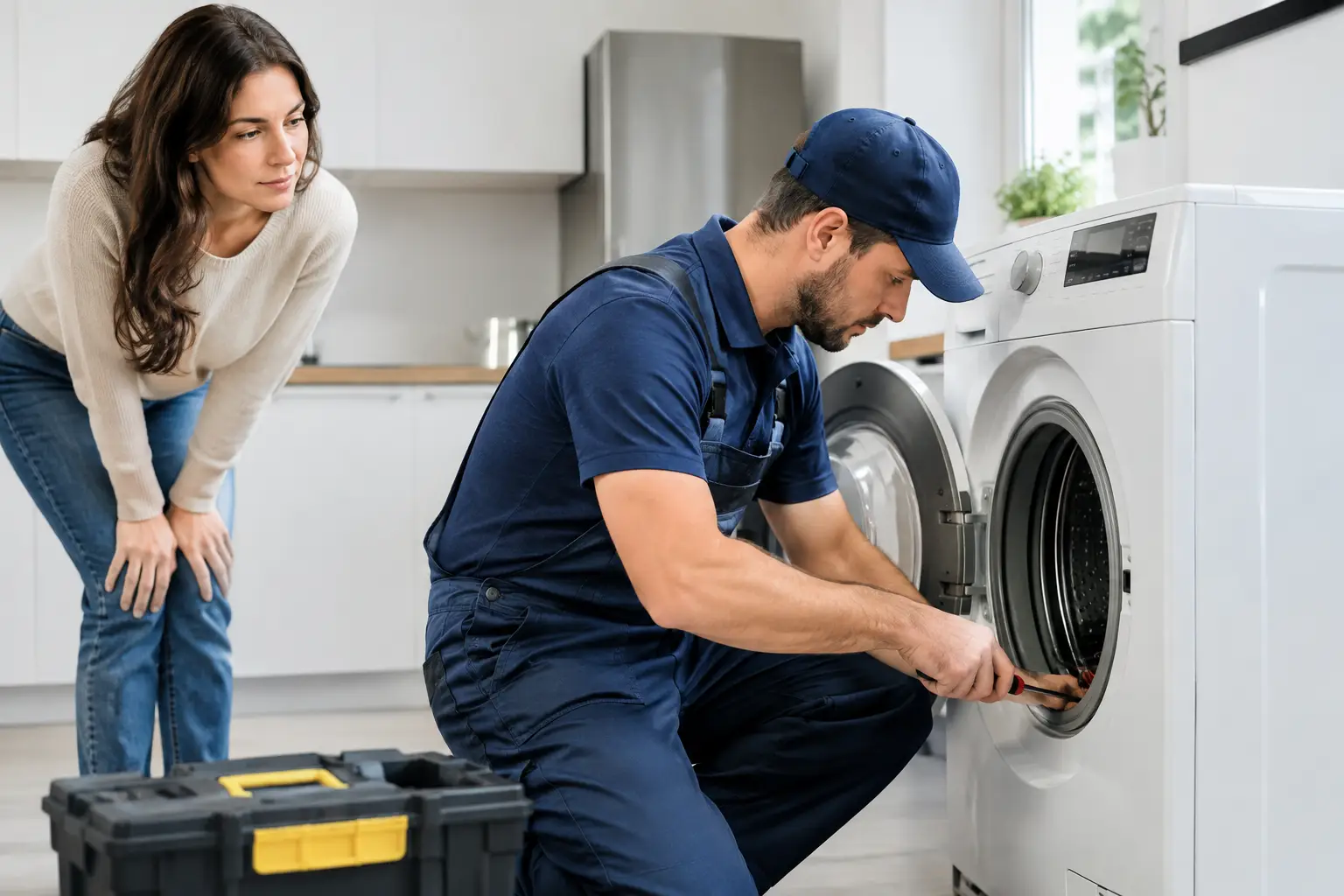
With washers and dishwashers, leaks, standing water, poor drainage, and repeated error codes should not be ignored. A loose hose may be a straightforward fix, but a damaged pump, failing inlet valve, blocked drain path, or door seal problem can worsen with each cycle. Water damage often costs far more than timely service.
Dryers deserve prompt attention when clothes take multiple cycles to dry, the unit smells hot, makes grinding noises, or shuts off unexpectedly. Restricted airflow, worn support parts, heating component failures, and electrical problems can all affect dryer performance. A dryer that overheats is a reason to stop using the appliance until the issue is properly diagnosed.
Safety issues should not wait
Turn off the appliance and arrange service promptly if you notice burning odors, sparks, smoke, a gas smell, repeated breaker trips, or water near electrical connections. Do not attempt to bypass a safety switch, force a door latch, or keep resetting a breaker to get one more cycle out of the machine.
For gas appliances, leave the area if there is a strong gas odor and follow appropriate local safety guidance. Gas, electrical, and high-voltage microwave repairs require trained handling. A quick DIY attempt can create a much more expensive and dangerous problem.
Small changes can signal larger wear
Appliances rarely fail without warning. A dryer that gets louder over several weeks, an oven that takes longer to preheat, or a dishwasher that leaves residue on dishes may still be working, but not correctly. Those changes are useful information for a technician and can help pinpoint the failing component faster.
Keep track of when the problem occurs. Does the washer leak only during the drain cycle? Does the refrigerator warm up overnight? Does the cooktop burner heat inconsistently? Specific symptoms help make appliance repair more efficient and reduce guesswork.
What a Professional Appliance Repair Visit Should Include
A reliable repair starts with diagnosis, not assumptions. Replacing parts based on a symptom alone can waste time and money, especially on newer appliances with electronic controls. A qualified technician should inspect the appliance, test relevant components, identify the likely source of the issue, and explain the recommended repair in plain language.
The explanation should include what failed, what the repair involves, and what it will cost before work begins. Transparent pricing matters because homeowners and business operators need to make a confident decision, not feel pressured into an unexpected expense. If a repair is not the practical choice, a trustworthy technician should say so.
Parts availability also affects the timeline. Common components may be available quickly, while specialized parts for certain brands or older models can take longer to obtain. That does not mean the repair is not worthwhile. It means the decision should account for the appliance’s condition, the urgency of the problem, and the realistic path to restoring service.
At Fasteny Appliance Repair, the goal is straightforward: provide a clear diagnosis, a fair quote, and service focused on getting the appliance working correctly the first time. Same-day or next-day availability can make a meaningful difference when a kitchen or laundry room is out of commission.
Repair or Replace? Consider the Full Picture
The right answer depends on more than the appliance’s age. A well-maintained machine with a replaceable worn part may have years of reliable use left. On the other hand, repeated failures, expensive major components, or poor efficiency can make replacement the smarter long-term choice.
Start with the type of repair. Replacing a door gasket, drain pump, heating element, belt, ignition part, or sensor is often reasonable when the rest of the appliance is in good condition. Larger repairs involving a compressor, sealed refrigeration system, transmission, or major control failure may require a more careful cost comparison.
Next, consider the history. An appliance that has needed several repairs in a short period may be reaching the point where replacement offers better value. But one repair after years of dependable operation is not necessarily a sign that the appliance is finished.
Also consider the cost of disruption. For a family with a full refrigerator, a landlord preparing a unit for a new tenant, or a small business relying on kitchen or laundry equipment, waiting days or weeks for a replacement can be costly. A prompt repair may be the best immediate solution even if a replacement is planned later.
A Few Steps Before the Technician Arrives
You do not need technical knowledge to help the service visit go smoothly. First, write down the model number and any error code shown on the display. The model number is commonly found inside a refrigerator compartment, around a dishwasher door frame, beneath a cooktop edge, or near the washer or dryer door opening.
Next, describe the symptoms as clearly as possible. Mention when the issue started, whether it is constant or intermittent, and any sounds, odors, leaks, or display messages you have noticed. If the appliance has been moved, recently installed, or affected by a power outage, include that detail as well.
Finally, clear reasonable access to the appliance and remove fragile items from nearby counters or shelves. Do not pull out a heavy refrigerator, disconnect gas lines, or disassemble panels unless a qualified professional has instructed you to do so. Safe access helps the technician focus on diagnosis and repair rather than avoidable setup problems.
Common Problems by Appliance Type
Refrigerators commonly need help with cooling loss, ice maker issues, leaks, frost buildup, and unusual compressor or fan noise. Ovens, ranges, and cooktops may develop ignition problems, uneven heating, temperature inaccuracies, or burner issues. Microwaves can stop heating, display errors, fail to turn, or have door-latch problems that should be handled professionally.
Dishwashers often show trouble through poor cleaning results, drainage failures, leaks, or a door that will not latch. Washers may not spin, drain, fill, or complete a cycle. Dryers may lose heat, tumble poorly, squeal, or take too long to dry. Each symptom can have several possible causes, which is why a proper diagnosis is more valuable than simply replacing the first part that seems likely.
For business customers, speed matters even more. A malfunctioning refrigerator in a break room, a nonworking microwave in a staff kitchen, or laundry equipment that stops midweek can interrupt operations and create unnecessary stress. Professional service helps restore the equipment without tying up staff in troubleshooting they should not have to manage.
Choose Service That Respects Your Time and Home
The best appliance repair experience is not only about technical skill. It is about clear communication, dependable scheduling, respectful in-home service, and pricing that is explained before the work begins. You should feel comfortable asking what caused the problem, what the repair will accomplish, and what steps may help prevent the issue from returning.
For homeowners and local businesses across Greater Massachusetts, quick service is especially valuable when a failed appliance affects food storage, cooking, laundry, or daily operations. A prompt, well-explained repair can turn a disruptive breakdown into a manageable service call.
When an appliance begins showing warning signs, acting early is often the most practical choice. A professional diagnosis gives you facts, not guesswork, so you can protect your home, make a sound decision, and get back to the routine that depends on the appliance working as it should.