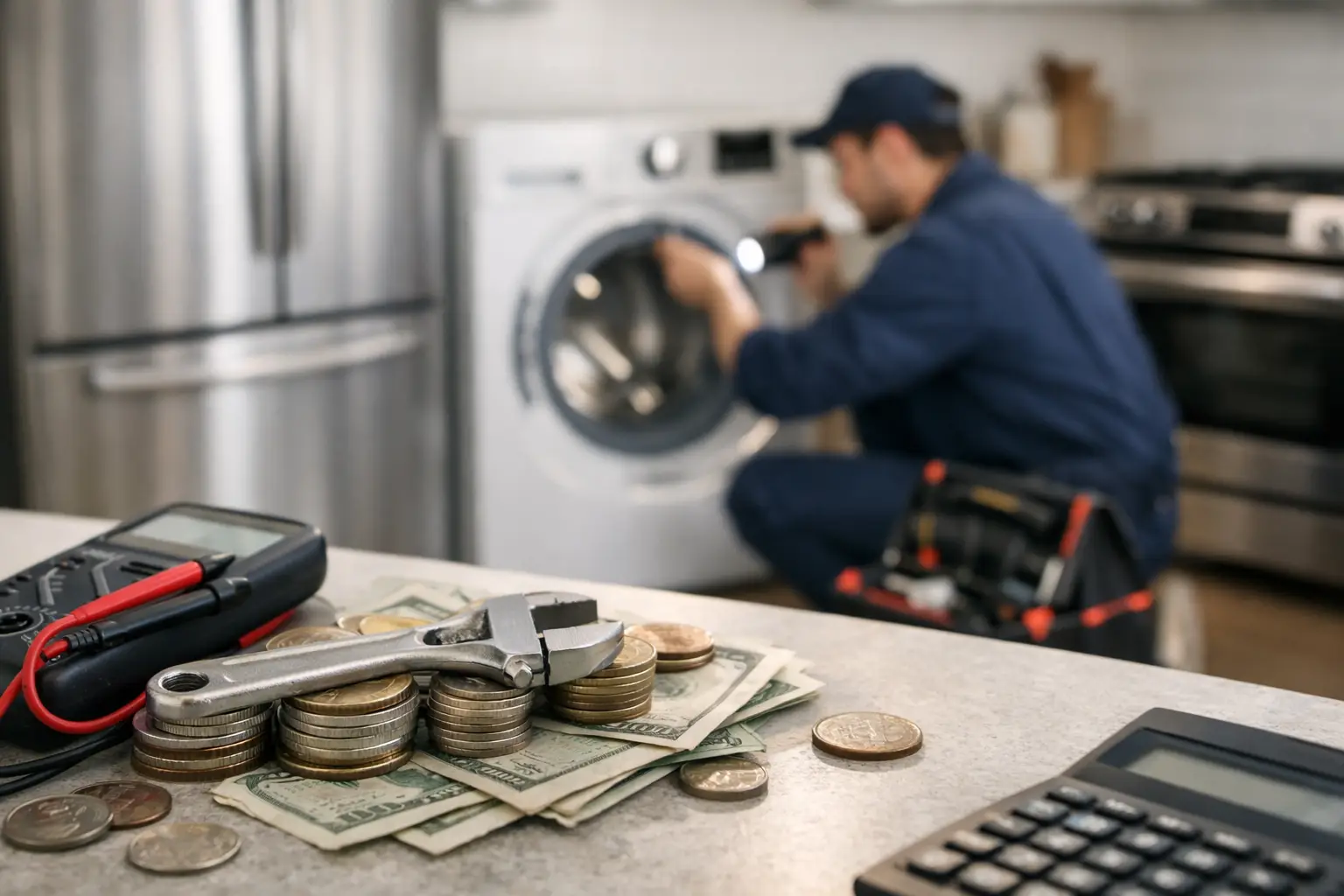
A refrigerator stops cooling at 8 p.m. A washer will not drain with a full load inside. An oven quits the day you need it. In moments like these, the first question is usually the same: what does appliance repair cost, and is the fix worth it? At Fasteny Appliance Repair, we give homeowners and businesses across Massachusetts — from Billerica and Reading to Peabody and Waltham — clear pricing before any work begins. This guide breaks down typical costs by appliance, what drives the price, and when repair beats replacement.
What Does Appliance Repair Cost on Average?
For most common household appliances, a repair runs between roughly $100 and $400 all-in — service call, parts, and labor combined. Simple, fast fixes land at the low end; jobs involving control boards, compressors, or sealed systems reach the higher end. The figures below give you a realistic baseline before you book.
Average Appliance Repair Cost by Appliance
Refrigerator repair cost
Typically $150 to $400. Thermostats, fans, and door seals are inexpensive; sealed-system and compressor repairs cost more. See our refrigerator repair service.
Washer repair cost
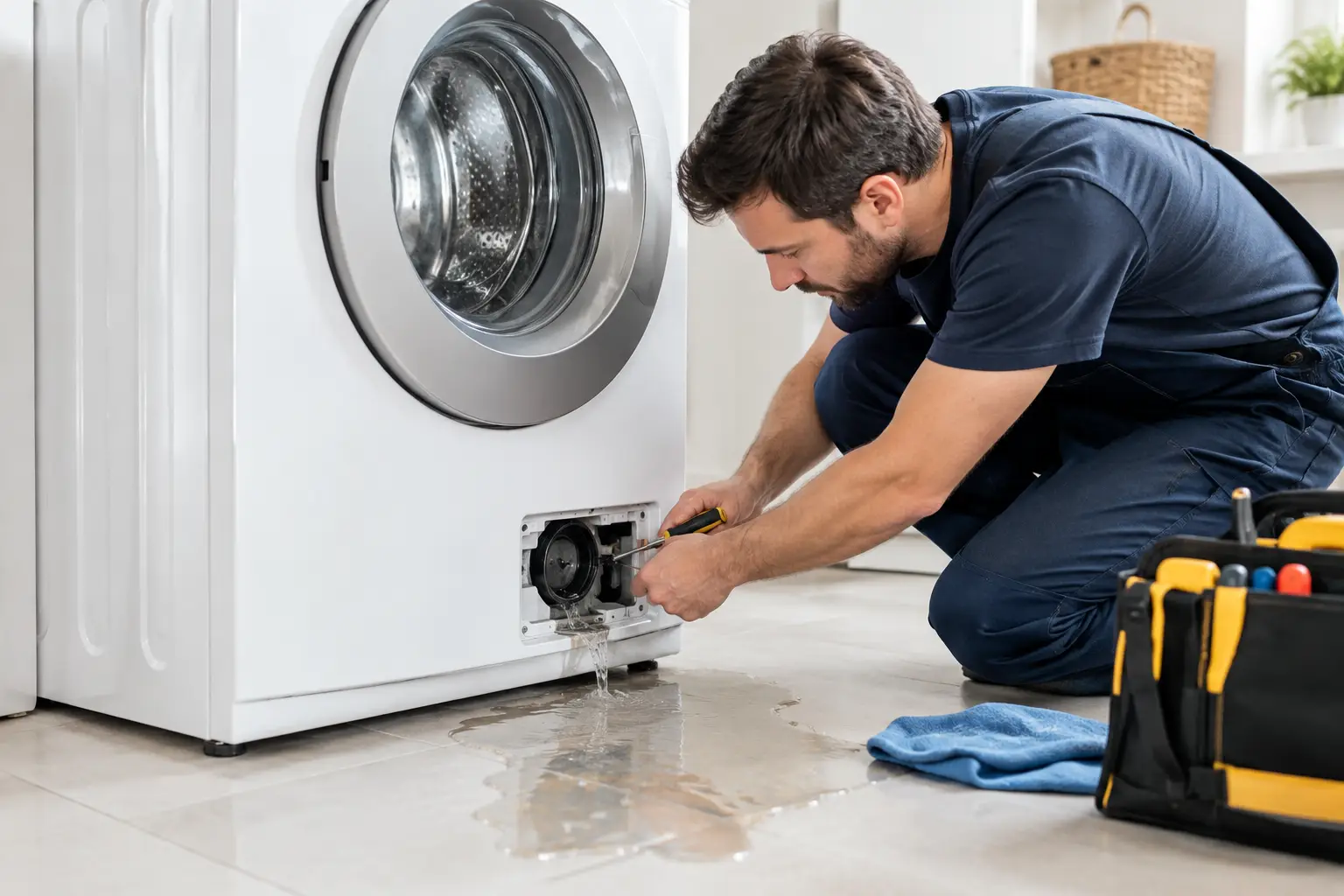
Usually $120 to $350, depending on whether the issue is a drain pump, belt, valve, or control board. Learn about washer repair.
Dryer repair cost
Generally $100 to $300. A failed heating element or thermal fuse is common and affordable — see our dryer repair service.
Dishwasher repair cost
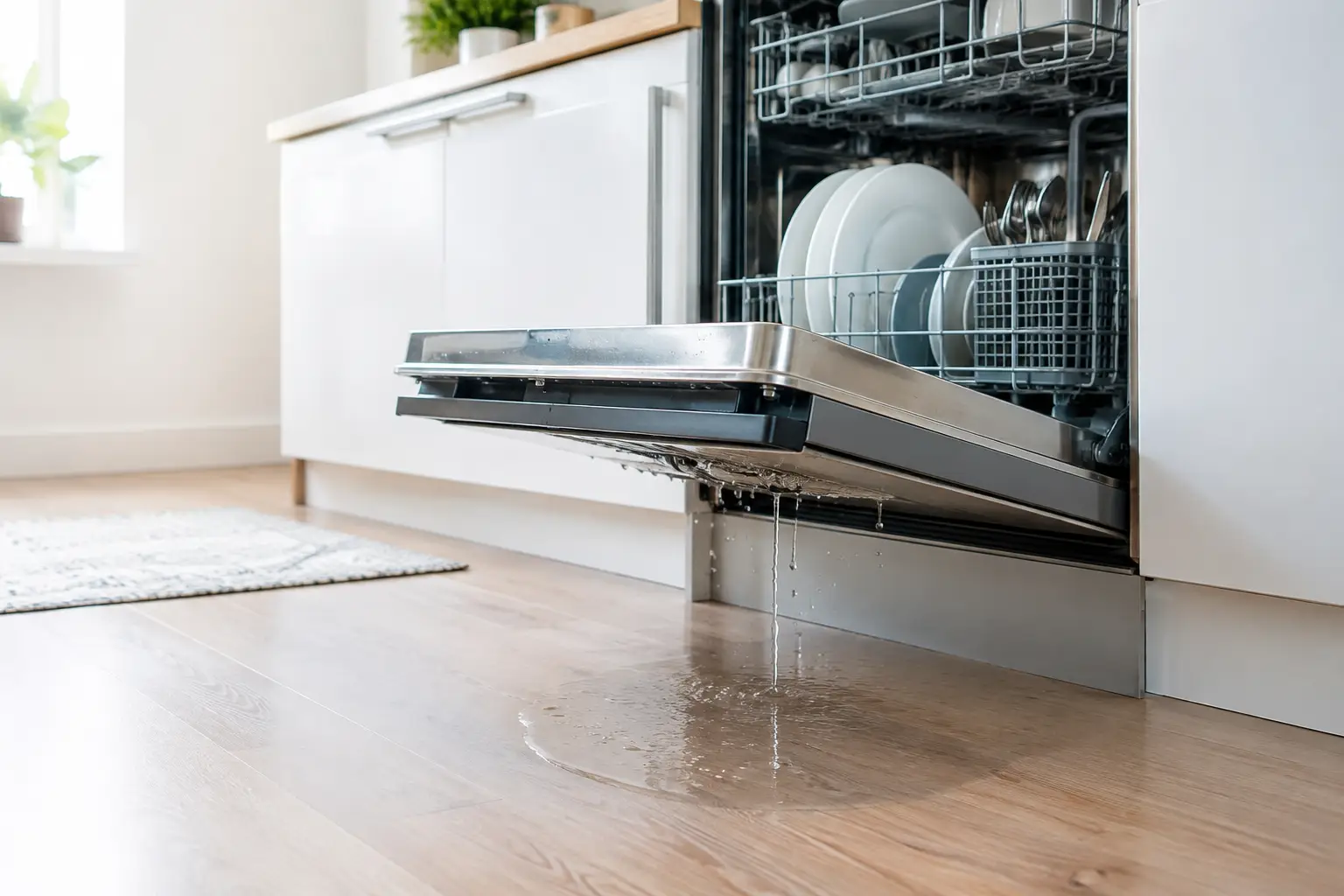
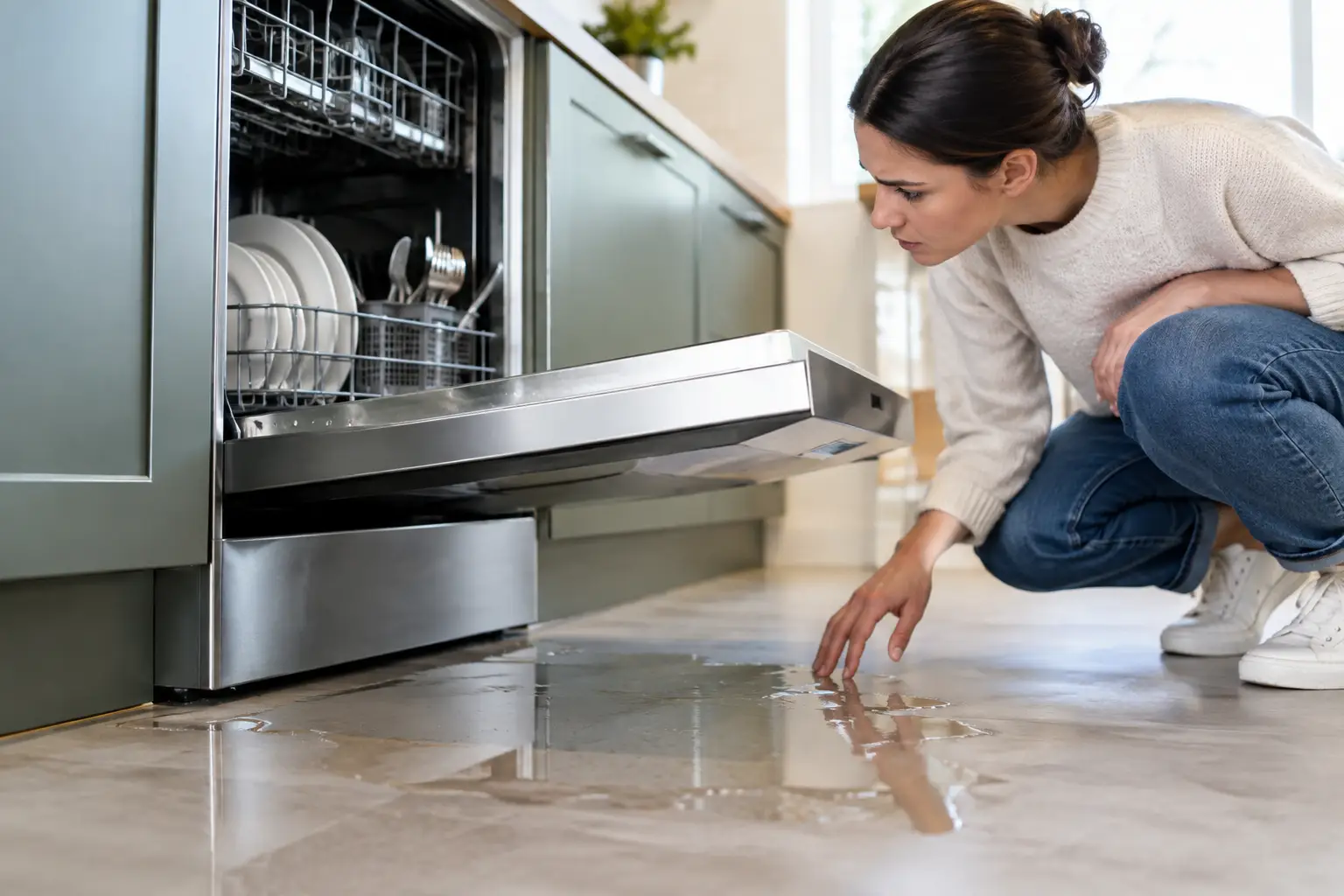
Around $130 to $350. Drainage, pump, and door-latch issues are frequent; explore dishwasher repair.
Oven, stove, and cooktop repair cost
Typically $150 to $400, with igniters and elements at the low end and control boards higher. See oven repair and stove repair.
Microwave repair cost
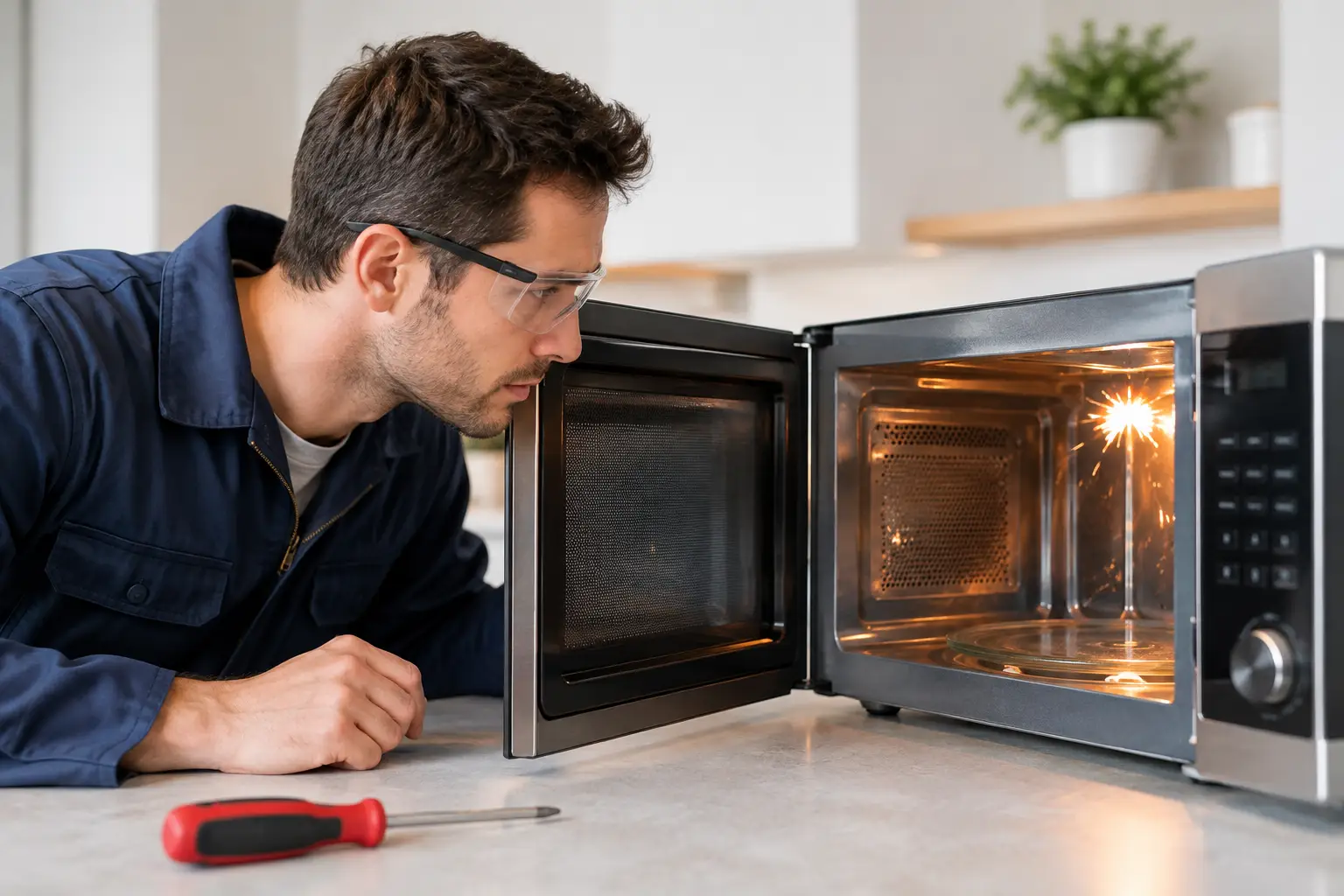
Built-in and over-the-range units usually run $100 to $300; countertop models are often cheaper to replace. See microwave repair.
What Affects Appliance Repair Cost?
Every honest quote is built from the same handful of factors. Understanding them helps you judge whether a price is fair.
The specific part that failed
Parts are the biggest variable. A door gasket or thermostat is cheap; a compressor, inverter board, or sealed component is not.
Labor time and difficulty
Some repairs take twenty minutes; others require hours of disassembly. Complexity, not just time, drives this line item.
Appliance age and brand
Premium and built-in brands — such as Bosch, Viking, Samsung, and LG — often use pricier proprietary parts, raising the overall appliance repair cost even for a similar fault.
Urgency and scheduling
Same-day or after-hours visits can carry a premium, though a transparent company tells you before dispatching, never after.
Diagnostic fee structure
A small service-call fee is standard; the fair version is disclosed up front and credited toward the repair when you approve it.
When Repair Is Worth It — and When It Is Not
Cost only matters relative to the alternative. A widely used guideline is the 50% rule: if a repair exceeds half the price of a comparable new appliance and the unit is past the midpoint of its lifespan, replacement is often the better long-term value. Warranty coverage matters here too — the FTC explains your rights under appliance warranties, which can cover a repair you might otherwise pay for out of pocket. Our own guide on whether to repair or replace an appliance walks through the math for each type.
How to Avoid Overpaying for Appliance Repair
The best protection is a clear quote and a few direct questions before work starts:
- Is the service-call fee credited toward the repair if I approve it?
- Will I get a full price — parts and labor — before you begin?
- Are there extra charges for evenings, weekends, or travel to my town?
- Is the repair backed by a warranty?
A company that explains its transparent pricing up front is one you can book with confidence.
What Does Appliance Repair Cost Compared to Replacement?
For most mid-life appliances with a single failed part, repair is far cheaper than a $700–$2,000 replacement plus disposal and installation. Replacement wins mainly when an older unit faces a major, expensive fault — or when repeated breakdowns signal the appliance is simply worn out. When you are unsure, a professional diagnosis is the fastest way to know which side of that line you are on.
Frequently Asked Questions
How much does appliance repair cost on average?
Most appliance repairs fall between about $100 and $400 all-in, including the service call, parts, and labor. Minor fixes like a thermostat, igniter, or door seal sit at the low end, while control boards, compressors, and sealed-system work run higher. The exact appliance repair cost depends on the appliance, the failed part, and the brand.
What is a fair diagnostic or service-call fee?
A modest upfront fee to cover the visit and diagnosis is normal. What matters is that it is disclosed in advance and, with reputable companies like Fasteny Appliance Repair, credited toward the repair once you approve it — so you are not charged twice for the same trip.
Why is one repair quote so much higher than another?
Differences come from parts sourcing, labor rates, warranty coverage, and whether a quote is complete or just a teaser price. A cheap headline number often leaves out parts or the service call, so the final bill climbs. Always compare what each quote actually includes.
When does replacing an appliance cost less than repairing it?
A common guideline is the 50% rule: if the repair costs more than half the price of a comparable new unit and the appliance is past the midpoint of its life, replacement usually makes more sense. For newer appliances or minor faults, repair is almost always the better value.
Do you offer upfront appliance repair pricing across Massachusetts?
Yes. We provide clear, upfront quotes for homes and businesses across Massachusetts, including Billerica, Reading, Peabody, Waltham, and Brookline. You approve the price before any work begins, with no surprise charges added later.
Conclusion
Knowing what appliance repair costs before the work starts puts you in control — you avoid surprises and make a smarter repair-or-replace decision. If your refrigerator, washer, dryer, or oven needs attention in Billerica, Reading, Peabody, Waltham, Brookline, or anywhere across Massachusetts, request a transparent quote or visit our homepage to get started. You can also call us directly at +1 (617) 618-3311 — you will always know the price before we lift a wrench.