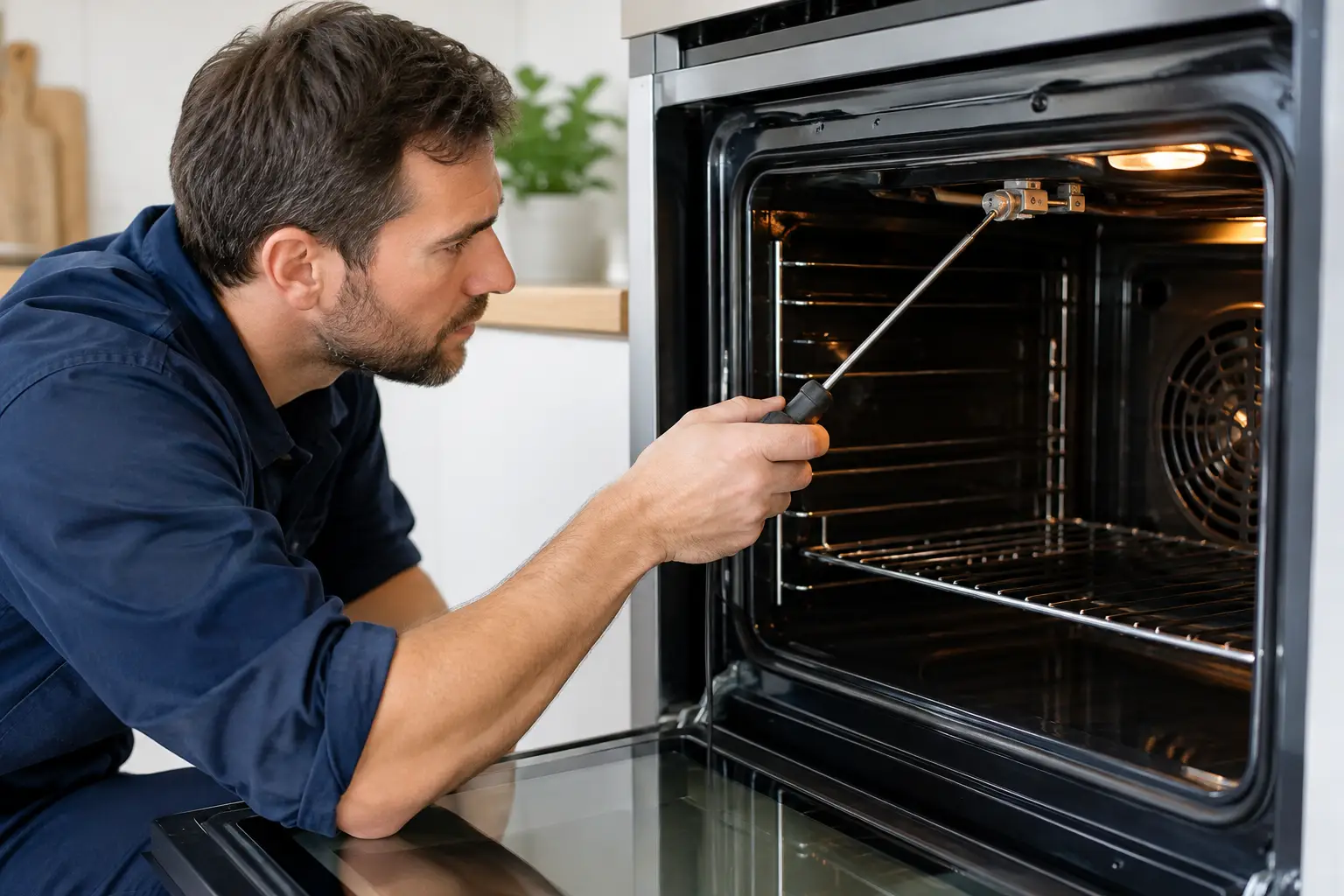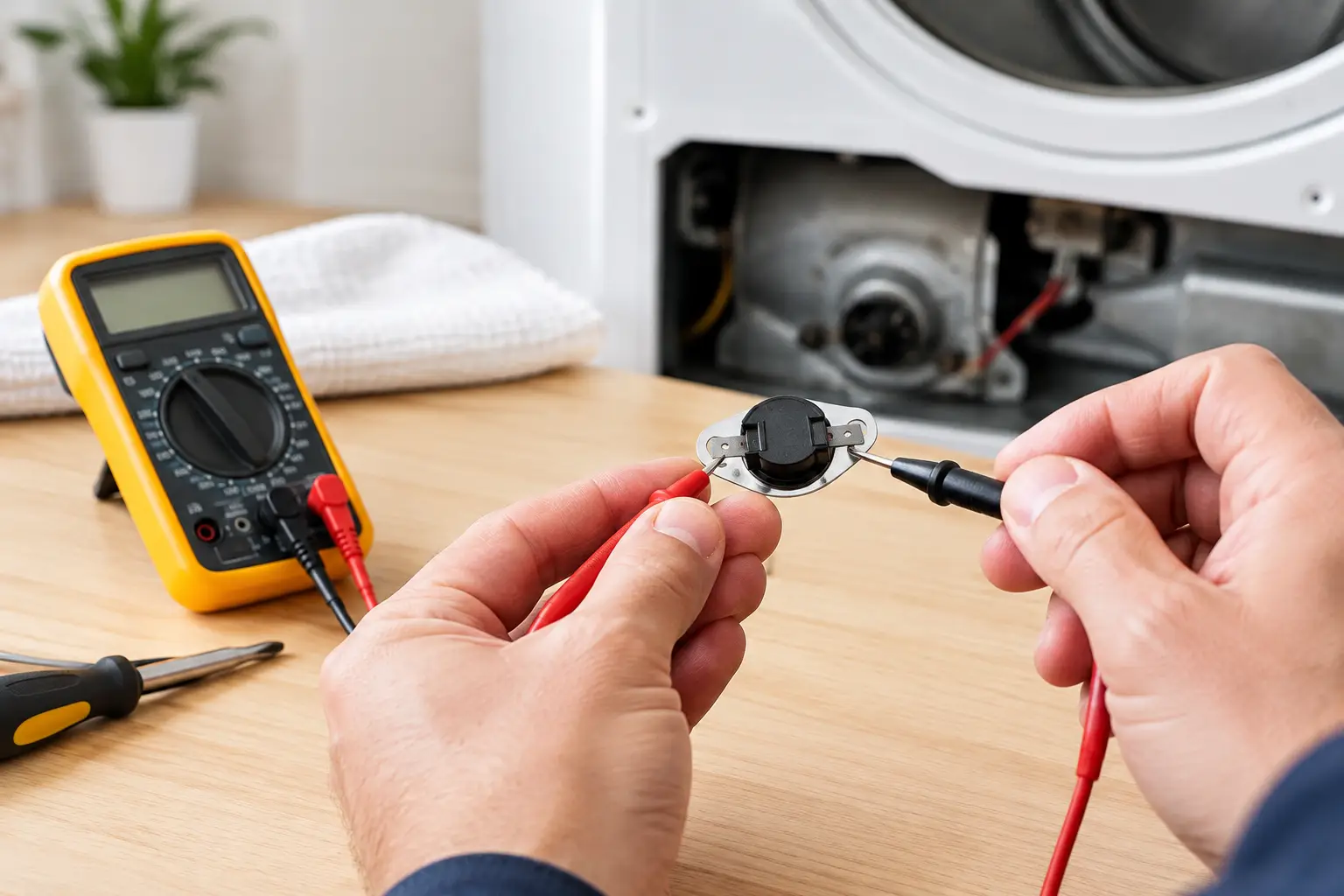

A repair visit should solve your appliance problem, not create a billing problem. If you are trying to spot hidden appliance repair fees, the real warning signs usually show up before the technician even arrives, in the quote, on the phone, or in the fine print no one explains unless you ask. Fasteny Appliance Repair works with homeowners across Billerica, Reading, and nearby Massachusetts towns who have been burned by vague pricing, so here is how to catch it early.
When a refrigerator stops cooling or a washer will not drain, most people want the fastest appointment available. That is understandable. But urgency is exactly when vague pricing slips through. A company may advertise a low service call, then add separate charges for diagnosis, labor tiers, parts sourcing, return visits, or “miscellaneous” fees that were never clearly discussed.
Why hidden repair fees happen
Not every unexpected charge is dishonest. Sometimes an appliance needs more work than the symptoms suggest. A dishwasher that leaks may need a simple hose adjustment, or it may have a failing pump and damaged seals. Good repair companies explain that difference clearly before they move forward.
The problem starts when pricing is built to sound low upfront and grow later. Some companies use a teaser number to win the appointment, then stack charges once you’re already committed. Others leave key costs undefined, which gives them room to bill more than you expected. If the quote sounds simple but the terms sound slippery, pay attention. Consumer Reports’ rundown of how to avoid hidden fees shows the same pattern across industries: the charges that surprise you are usually the ones a company never had to name out loud.
How to spot hidden repair fees before you book
The clearest sign is a company that won’t explain what the initial price actually covers. If you hear “service fee” or “trip charge,” ask whether that includes diagnosis, whether it applies toward the repair, and what happens if you decline the work. Those three questions tell you a lot.
A trustworthy company should be able to say, in plain language, what you are paying for when the technician shows up. If the answer is vague, rushed, or keeps changing, that is a red flag.
Watch for low starting prices with too many exceptions
A very low advertised rate is not automatically a problem. Sometimes companies run promotions or offer competitive pricing on common calls. But if the low number comes with several carve-outs, it may not reflect the real total.
For example, a quote may cover the visit but not the diagnosis. Or it may include diagnosis but exclude any labor. In some cases, the labor price changes based on a broad category like “minor,” “standard,” or “advanced” repair without telling you what those terms mean. If there is no clear framework, the final bill can move around too easily.
Ask whether labor is flat-rate or hourly
This is one of the easiest ways to avoid surprises. Flat-rate pricing can be helpful because you know the labor charge before work begins. Hourly pricing is not always bad, but it needs boundaries. You should know the hourly rate, whether there is a minimum charge, and how they track time.
If a company says labor is hourly but cannot estimate the range for your issue, be cautious. A dryer not heating or an oven not reaching temperature are common service calls. An experienced team should be able to give you a realistic expectation, even if the exact repair still depends on diagnosis.
Pay attention to parts language
Parts are one of the biggest areas where hidden costs appear. Some companies quote labor only, then add parts later without discussing markup, availability, or warranty terms. Others use broad phrases like “parts extra” and leave it there.
That does not mean you need an exact parts total before diagnosis. In many cases, you can’t get one yet. But you should ask how parts are priced, whether approval is required before ordering or installing anything, and whether the company warranties the part and the labor together.
Be careful with same-day promises that sound too easy
Fast service matters, especially when a refrigerator, freezer, or commercial appliance is down. Same-day and next-day scheduling can be a real advantage. But if a company uses urgency to push you past pricing questions, slow the conversation down.
A reliable repair company can be both fast and clear. Speed should not come at the expense of transparency. If you feel pressured to book immediately without understanding the quote structure, that is worth noticing.
Questions that expose vague pricing
You do not need technical knowledge to protect yourself. You just need direct questions and direct answers. Before booking, ask what the visit fee includes, whether diagnosis is separate, whether that amount is credited toward the repair, and whether there are extra charges for evenings, weekends, or second visits.
Also ask when you will approve the final price. The best time is after diagnosis and before any repair starts. That gives you a fair chance to decide. If the company avoids that step or suggests the technician will “figure it out as they go,” you may be walking into an open-ended bill.
Red flags on the written estimate
A written estimate does not need to be long, but it should be specific. If it only shows a total without breaking out diagnosis, labor, and parts, ask for clarification. If it includes broad line items like “shop supplies,” “processing fee,” or “additional labor if needed” without explanation, ask what those mean.
Some charges are legitimate. For instance, uncommon parts may require a return visit, and certain built-in appliances take more time to access safely. The issue is not whether every cost can be predicted perfectly. The issue is whether the company is upfront about the possibilities before the work begins.
Look for approval language
A solid estimate should make it clear that no additional work will be done without your approval. This matters because many fee disputes happen when customers assume one thing is included and the company assumes the opposite.
If the paperwork does not say when approval happens, ask the technician to note it clearly. That simple step can prevent a frustrating conversation later.
It depends on the appliance and the problem
Some repairs are more straightforward than others. A microwave with a broken door switch or a dryer with a worn belt is often easier to estimate than a refrigerator with an intermittent cooling issue. Built-in units, premium brands, and electrical faults can require more diagnosis time.
That does not excuse unclear pricing. It just means a good company should explain where the uncertainty is. Honest repair professionals do not pretend every job is identical. They tell you what is known, what still needs testing, and what the likely price path looks like.
How reputable repair companies handle pricing
The companies worth calling tend to sound consistent from the first conversation. They explain the service call, the diagnosis, the labor model, and the approval process in a way that feels routine, not defensive. Clear pricing is usually a sign of an organized operation.
That is especially important for homeowners and small businesses who cannot afford repeat visits, unnecessary upsells, or a repair that somehow costs more every time someone touches the appliance. Fasteny Appliance Repair built its service approach around that reality: fast scheduling matters, but honest quotes matter just as much.
Knowing the going rate also makes hidden fees easier to spot. For a fuller picture of what work should cost, see our guides to what appliance repair costs and refrigerator repair costs, along with our checklist on how to choose an appliance repair service in Peabody, Waltham, and across Massachusetts.
A practical way to compare quotes
If you are getting more than one estimate, compare structure before price. One company may quote a lower visit fee but a higher labor charge. Another may include diagnosis in the first charge and credit it toward the repair. The cheaper-looking option is not always the better value.
Try comparing each quote using the same questions. What do I pay for the visit? What do I pay if I proceed? What is excluded? When do I approve the final amount? Once you line up those answers, the real difference becomes easier to see.
When to walk away
If the company cannot explain its pricing clearly, changes the quote structure mid-conversation, or refuses to give written confirmation of basic charges, it is reasonable to keep looking. The same goes for heavy upselling before diagnosis or pressure to authorize work without a clear total.
Appliance repair already comes with enough stress. You should not have to guess whether the invoice will match the conversation.
The best repair experience usually starts the same way: a straightforward phone call, a clear explanation of charges, and no surprises when the job is done. If a company can give you that before the appointment, there’s a much better chance it will give you the same honesty after the repair is complete.
Frequently Asked Questions
What are hidden appliance repair fees?
They are charges that are not clearly explained upfront, such as separate diagnosis costs, tiered labor rates, parts-sourcing markups, trip or return-visit fees, or vague “miscellaneous” line items. A trustworthy company explains each of these before the work begins.
Should an appliance repair company charge a service call fee?
A service call fee is normal, but it should be stated clearly and you should know whether it applies toward the repair if you approve the work. Watch for a low advertised service call that quietly turns into several add-on charges once the technician arrives.
Is an appliance repair diagnostic fee normal?
Yes. Many companies charge a diagnostic fee to identify the problem, and reputable ones tell you the amount in advance and whether it is credited toward the repair. The red flag is a diagnostic fee that is only mentioned after the visit.
How do I avoid surprise charges on an appliance repair?
Ask for the service call, diagnostic, and labor structure in writing before you book, confirm whether parts and return visits are included, and require approval before any additional work. Homeowners in Billerica, Reading, and nearby Massachusetts towns can ask Fasteny Appliance Repair for a clear quote upfront.
What should a written appliance repair estimate include?
It should list the service call fee, diagnostic fee, labor, expected parts, and a clear statement that you must approve any work beyond the quote. If a company refuses to put those basics in writing, it is reasonable to keep looking.
Conclusion
Spotting hidden appliance repair fees comes down to one habit: get the numbers, and the structure behind them, before you commit. If a company explains its service call, diagnostic, and labor clearly and puts it in writing, you are far less likely to be surprised by the invoice. If it dodges those questions, keep looking.
Whether you are in Billerica, Reading, Peabody, or Waltham, Fasteny Appliance Repair gives straightforward quotes with no surprise charges. Request service online or call (617) 618-3311 for an honest diagnosis across Massachusetts.