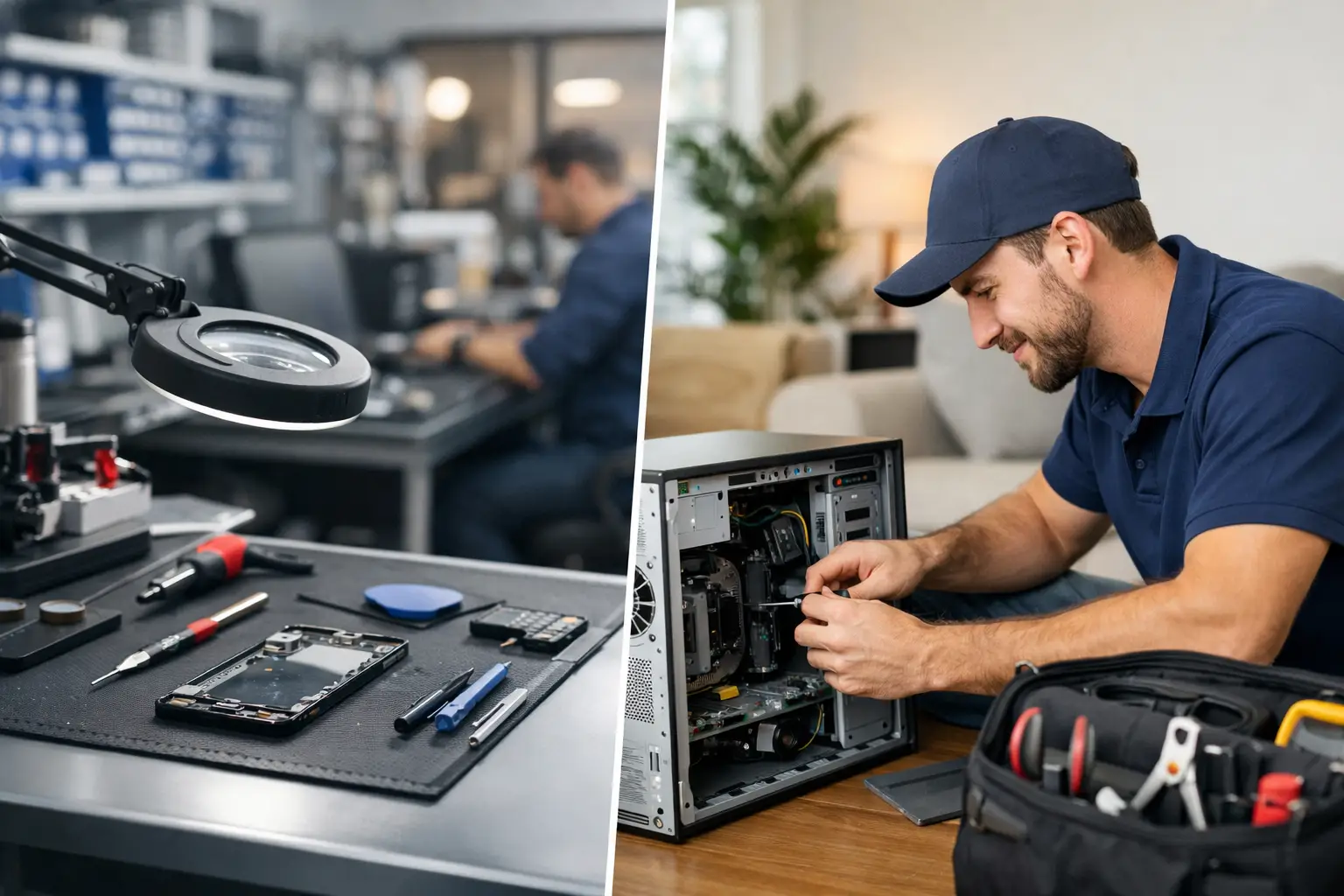
A refrigerator that stops cooling or a dryer that will not heat creates an immediate question: repair shop versus local technician? The right choice is not always the closest name in a search result. It depends on how quickly you need help, what kind of appliance has failed, and whether the provider can give you a clear diagnosis and a fair path to repair. Fasteny Appliance Repair weighs these tradeoffs every day for homeowners across Billerica, Reading, and nearby Massachusetts towns.
For most households and small businesses, the goal is simple: get the appliance working again without surprise costs, repeated visits, or a week of disruption. Knowing how the two options differ makes that decision much easier.
Repair Shop Versus Local Technician: The Real Difference
A repair shop is often a physical business location where customers can bring smaller appliances or parts for service. Some shops also dispatch technicians, but others are primarily built around drop-off repairs. This model can work well for countertop microwaves, mixers, vacuums, or other portable equipment that can be transported safely.
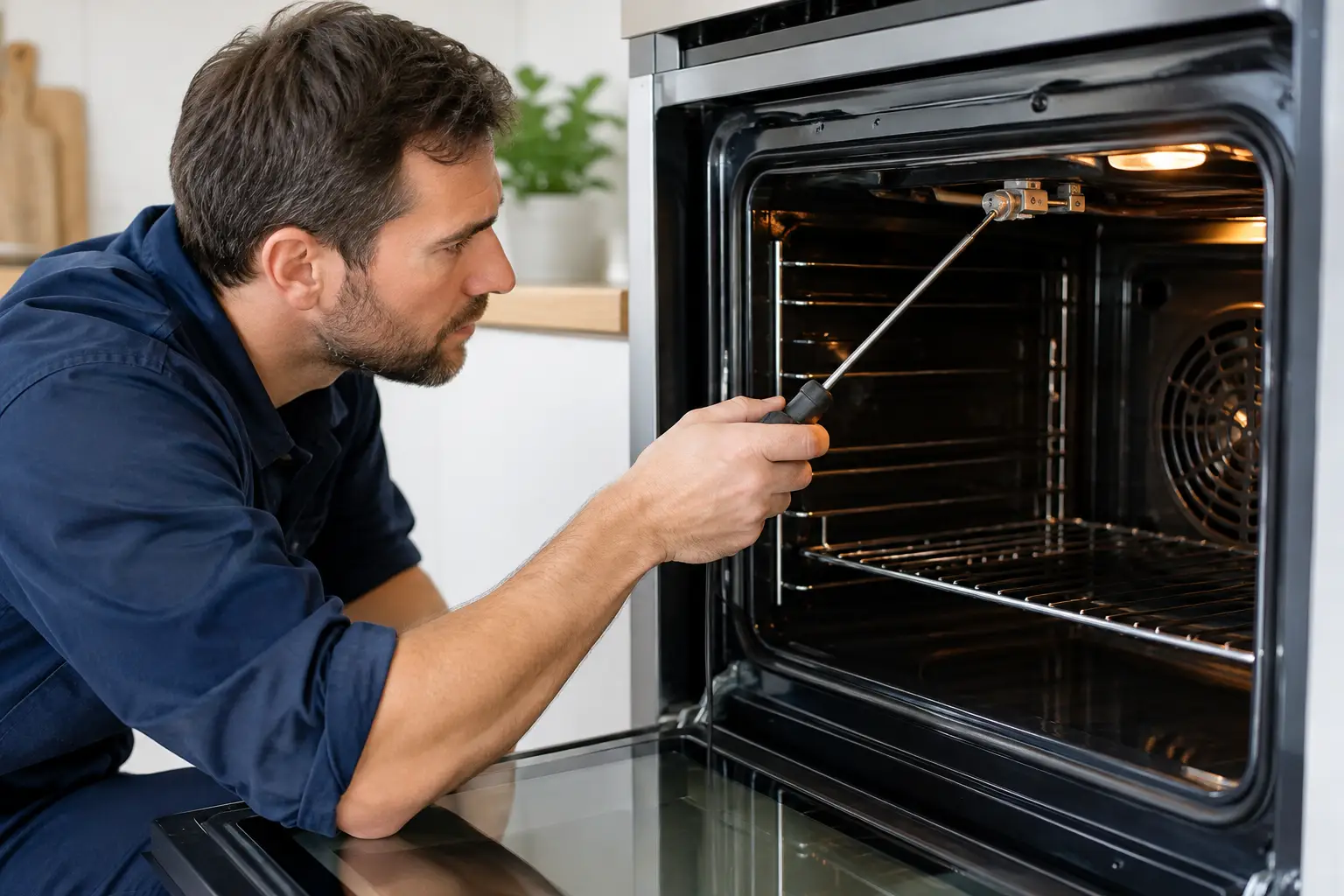
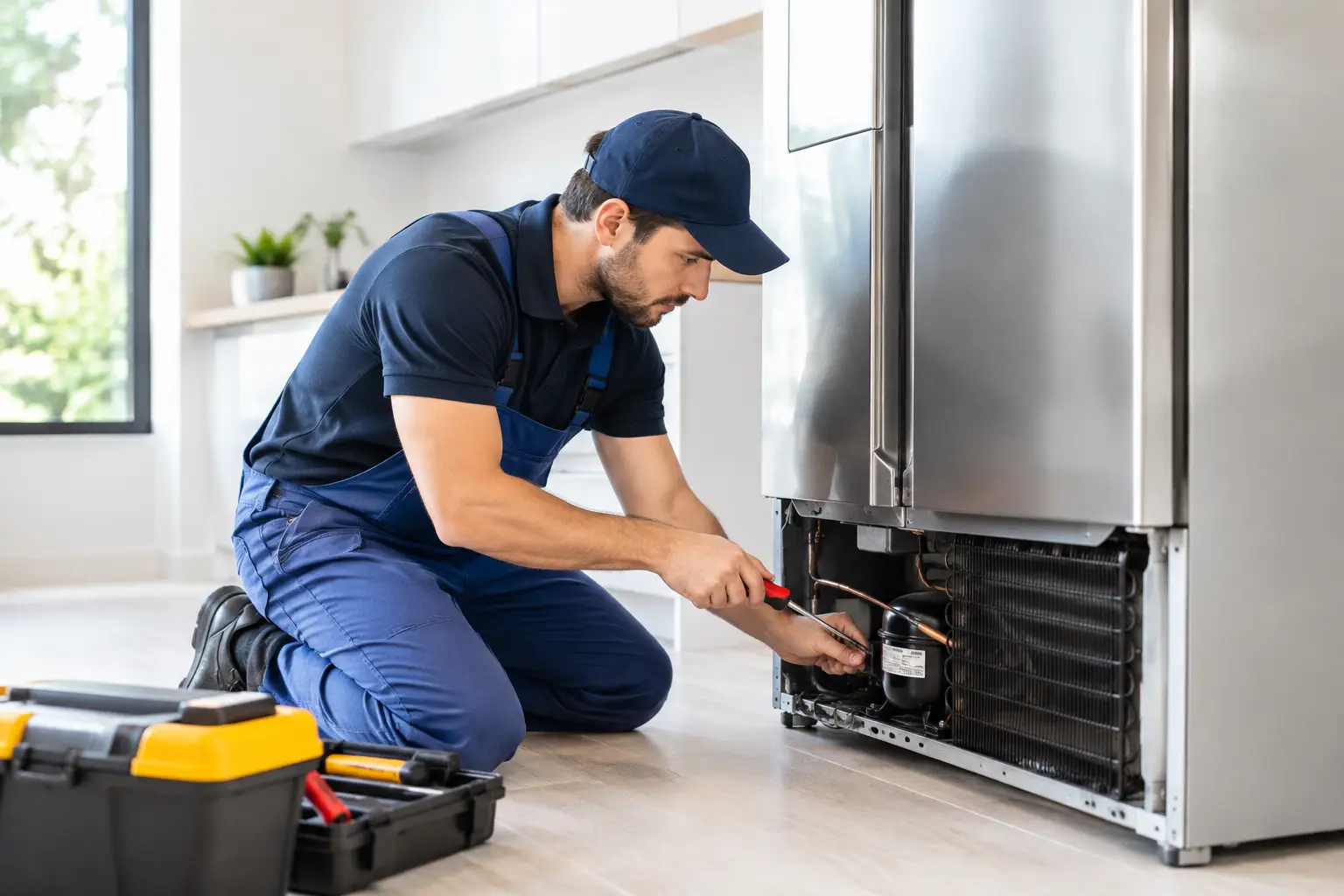
A local appliance technician usually comes to your home, rental property, restaurant, office, or other location to diagnose and repair major appliances where they sit. That matters for refrigerators, washers, dryers, dishwashers, ovens, cooktops, and built-in microwaves. These appliances are heavy, connected to water, gas, electricity, or ventilation, and rarely practical to transport.
The distinction is less about one option being universally better and more about the service model matching the problem. A reliable local technician should still offer the professional standards people expect from an established shop: trained diagnosis, transparent pricing, properly sourced parts, and accountability for the completed repair.
When a Repair Shop May Make Sense
A repair shop can be a sensible option when the appliance is small, portable, and not essential to daily operations. If a countertop appliance needs service and you have a convenient way to bring it in, a shop may be able to assess it without scheduling an in-home appointment.
It may also help when you are looking for a specific replacement part or want a second opinion on a component you have already removed. Still, confirm whether the shop actually repairs your appliance brand and model before making the trip. Not every shop stocks the same parts, accepts every appliance type, or provides a firm turnaround time.
The limitations become clear with major appliances. Moving a refrigerator can damage flooring, strain your back, or create food-storage problems. Disconnecting a gas range, built-in dishwasher, or stacked laundry unit without the right experience can introduce safety risks. In those situations, a service call is usually the more practical and safer choice.
Why an On-Site Local Technician Is Often Better for Major Appliances
Most major appliance failures require diagnosis in the appliance’s normal operating environment. A dishwasher leak, for example, could come from a door seal, a loose hose, a circulation issue, poor installation, or a drain problem. The technician needs to inspect the connections, test the machine, and see how it performs in place.
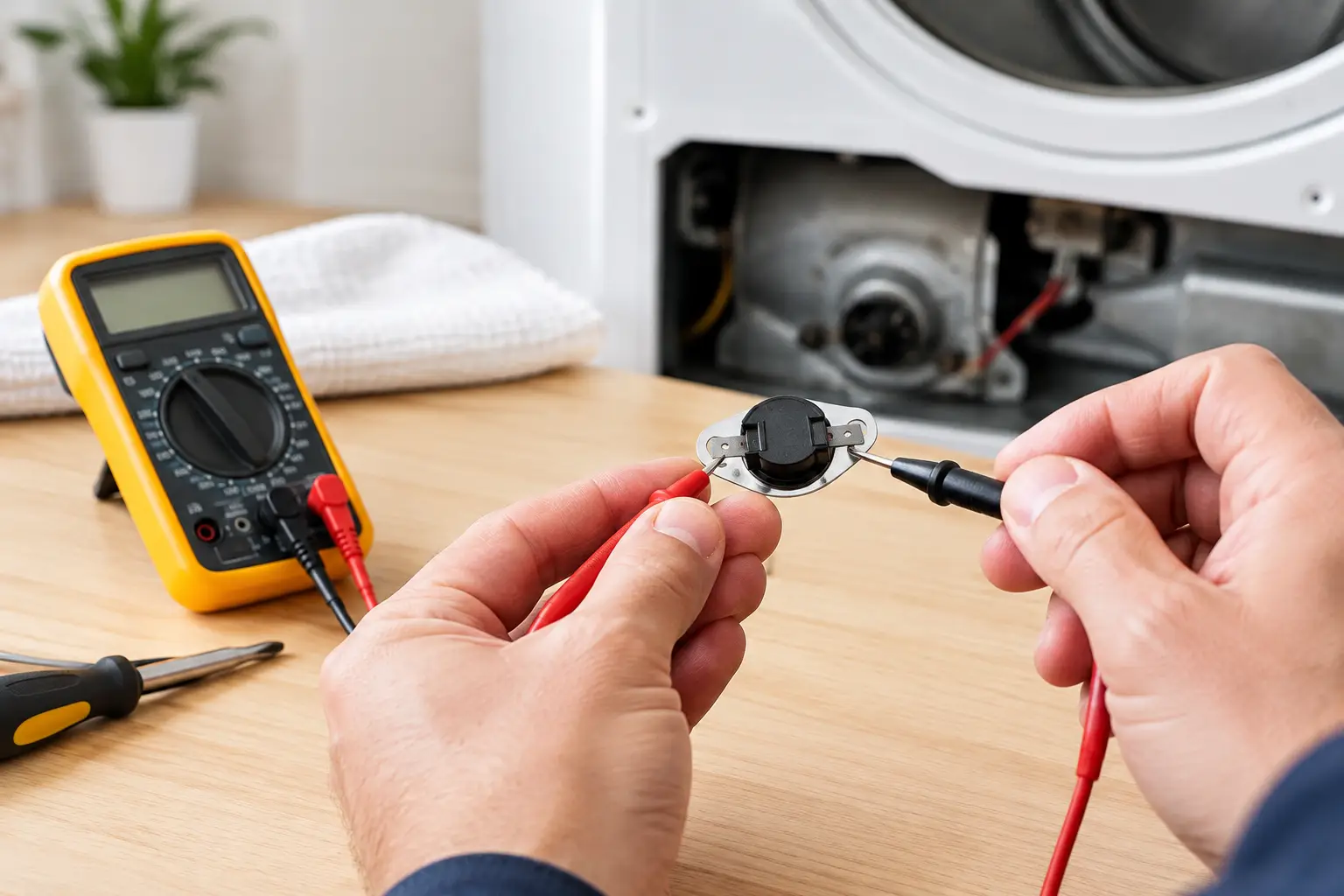
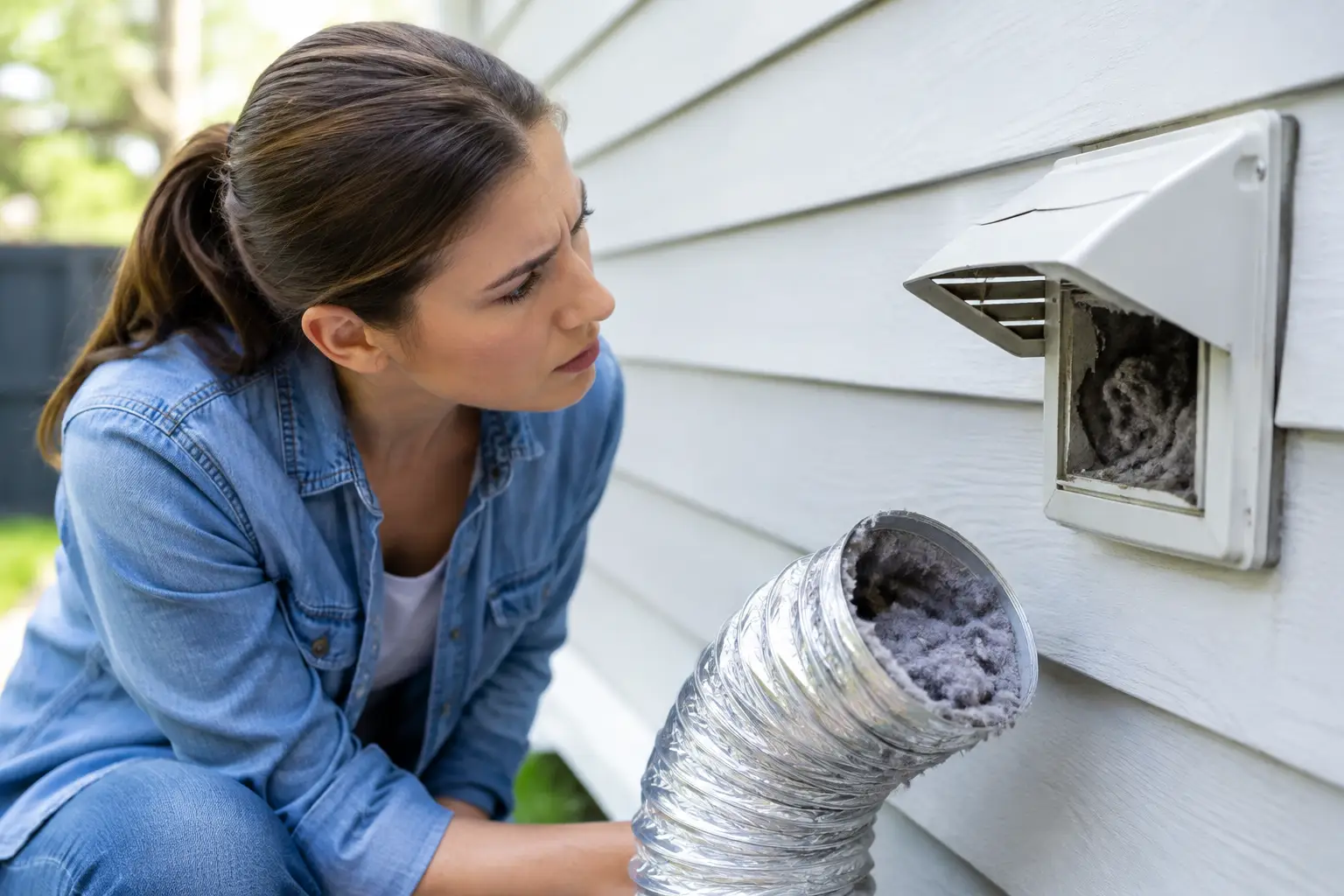
The same is true for cooling and heating failures. A refrigerator may be running but not maintaining temperature because of an airflow restriction, defrost issue, fan failure, control problem, or sealed-system concern. A dryer that tumbles without heat may have an electrical, heating-element, thermostat, venting, or gas-related issue. The symptom alone does not identify the correct repair.
An experienced local technician brings diagnostic tools and commonly needed parts to the appointment. When the issue is straightforward and the required part is available, same-day repair may be possible. If a special-order part is needed, you should receive a clear explanation of what failed, what the part costs, and when the follow-up visit can be scheduled.
For homeowners, that avoids the trouble of disconnecting and hauling equipment. For landlords and small business operators, on-site service can reduce downtime and help keep tenants, staff, or customers from dealing with an unusable appliance for longer than necessary.
Speed Depends on Dispatch, Not Just Distance
“Local” should mean more than an address nearby. A technician who serves your area but cannot schedule for several days may not be the best fit for a refrigerator failure or a washer leak. Ask about appointment availability, expected arrival windows, and whether same-day or next-day service is offered.
A regional service company can sometimes be just as responsive as a neighborhood shop because it has multiple technicians, broader parts access, and an organized dispatch process. For customers across Greater Massachusetts, that coverage can be especially useful when an urgent breakdown happens outside the center of a major city.
Compare the Details That Affect Your Repair
The best choice is rarely based on the lowest advertised service-call price. A low initial fee does not tell you whether the provider can complete the repair correctly or whether additional charges will appear later. Before scheduling, focus on a few practical questions. The Consumer Choice Award’s list of questions to ask before hiring a service provider is a useful checklist to bring to that conversation.
First, ask whether the technician works on your appliance type and brand. Major appliances vary widely, and a provider who handles laundry equipment may not be the right choice for a built-in refrigerator or wall oven. Ask whether they service residential equipment, commercial equipment, or both if your appliance is in a rental unit, office, or small business.
Next, ask how pricing is handled. A trustworthy provider should explain the diagnostic or service-call charge, how labor is quoted, and whether the fee is applied toward the repair. You should know what you are approving before work begins. Honest quotes do not mean every repair has the same price. They mean the provider explains the cost clearly and does not use vague estimates to create pressure at the door.
Parts availability also matters. A technician with access to common replacement parts can often finish repairs faster, but no company can carry every part for every model. The important thing is communication. If a part must be ordered, you should understand the expected timeline and whether the repair is still worthwhile compared with replacement.
Finally, ask about workmanship and satisfaction guarantees. A repair should come with confidence, not a lingering worry that you will need to start over with another company next week. Certified technical expertise, accurate diagnosis, and a clear guarantee are stronger signals of value than a vague promise to “take a look.”
Do Not Confuse Convenience With a Good Repair
A technician who can arrive quickly is valuable, but speed alone is not enough. Be cautious if someone offers a repair price before inspecting the appliance, refuses to explain the issue, or pushes replacement without testing the most likely causes. Major appliances can have similar symptoms for very different reasons. Our checklist on how to choose an appliance repair service covers the questions that separate a reliable provider from a risky one.
On the other hand, do not assume a long diagnostic process is always a sign of expertise. A qualified technician should be able to explain findings in plain language: what failed, why it caused the symptom, what repair is recommended, and what the total cost will be. You do not need a technical lecture. You need enough information to make a confident decision.
This is where a professional local service team can offer the best balance. Fasteny Appliance Repair dispatches trained technicians for major appliance problems and focuses on prompt scheduling, upfront communication, and repairs done right the first time. That approach is designed for the moments when waiting is not realistic.
When Replacement Is the Better Call
Neither a repair shop nor a local technician should treat repair as the answer in every case. If an appliance has repeated failures, severe corrosion, a costly sealed-system issue, or repair costs that approach the price of a comparable replacement, replacement may be more sensible.
Age matters, but it is not the only factor. A well-built appliance with one failed component may be worth fixing even after many years. A newer appliance with a major electronic or compressor-related failure may require a more careful cost comparison. Ask for the repair estimate, consider the appliance’s condition and history, and decide based on value rather than frustration alone.
If your appliance is leaking, sparking, smelling like gas, tripping breakers, or failing to cool food safely, stop using it when appropriate and arrange professional service promptly. The right provider will help you understand the next step without hidden fees or unnecessary pressure.
Frequently Asked Questions
Is a repair shop or a local technician better for appliance repair?
For large or built-in appliances, an on-site local technician is usually better because the appliance is diagnosed and repaired where it sits. A drop-off repair shop can make sense for small, portable items like a microwave or countertop unit. Match the provider to the appliance and the urgency.
Are local appliance technicians more expensive than a repair shop?
Not necessarily. A local technician saves you the cost and risk of hauling a heavy appliance, and a reputable one gives an upfront quote after diagnosis. Compare the full picture — service call, diagnostic, labor, and parts — rather than just the sticker price.
Should I bring a big appliance to a shop or have a technician come to me?
Refrigerators, washers, dryers, ranges, and dishwashers should almost always be repaired on-site. Moving them risks damage and rarely saves money. Reserve drop-off shops for small appliances you can safely carry.
How do I know if an appliance repair provider is trustworthy?
Look for clear diagnosis before pricing, a written estimate, upfront service-call and diagnostic fees, and no pressure to replace before testing. Be cautious of anyone quoting a repair price sight unseen or refusing to explain the problem.
When is replacing an appliance better than repairing it?
Replacement usually wins when an appliance has repeated failures, heavy corrosion, or a major sealed-system or compressor fault, or when the repair costs more than about half the price of a comparable new unit. Otherwise, a targeted repair is often the better value.
Conclusion
In the repair shop versus local technician decision, the winner is whoever gives you an accurate diagnosis, a clear price, and a repair that lasts — for most major appliances, that is a prompt, on-site local technician. Judge providers on transparency and quality of work, not just how close they are or how fast they can arrive.
Whether you are in Billerica, Reading, Peabody, or Waltham, Fasteny Appliance Repair brings the diagnosis and the fix straight to your door across Massachusetts. Explore our appliance repair services, request service online, or call (617) 618-3311.