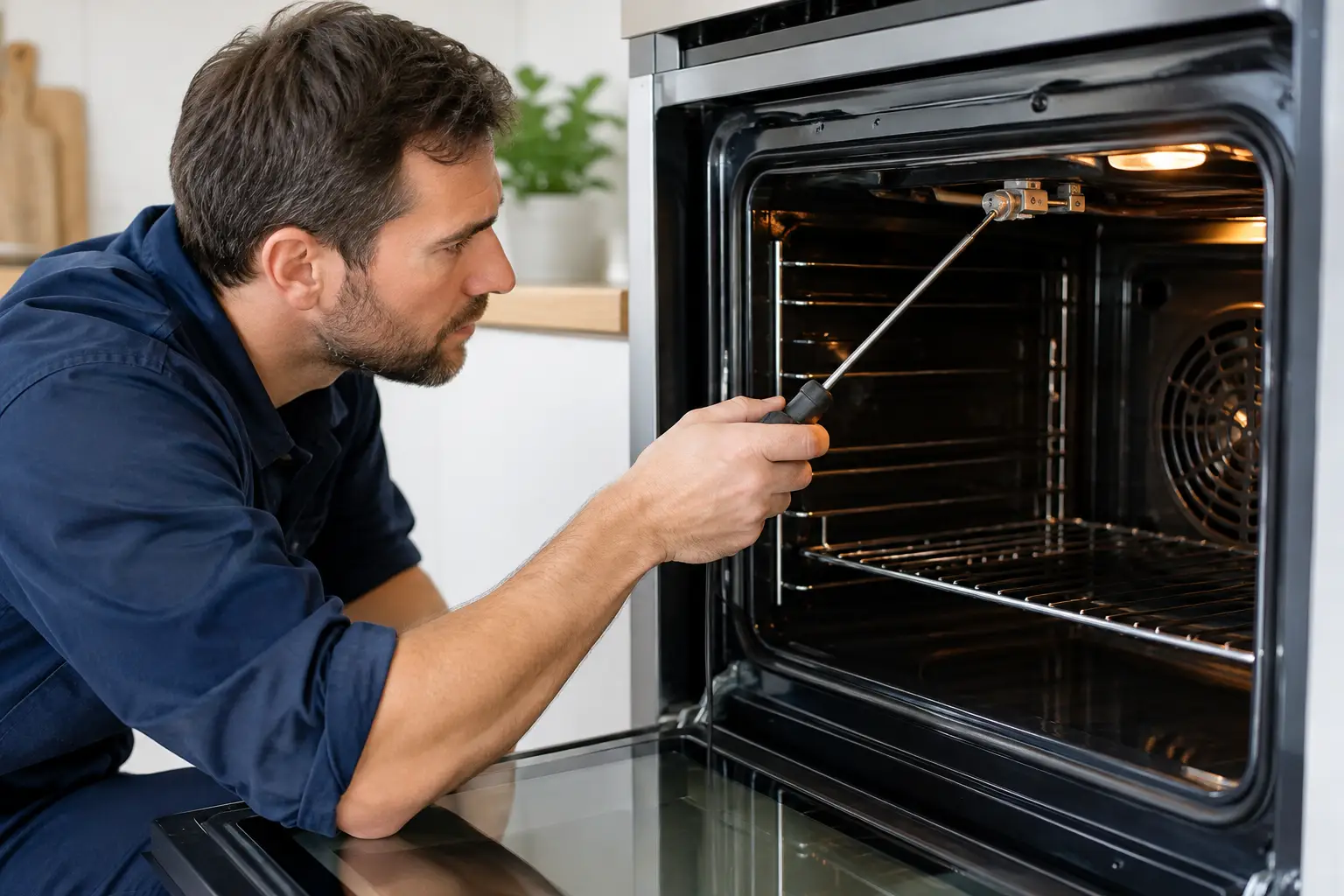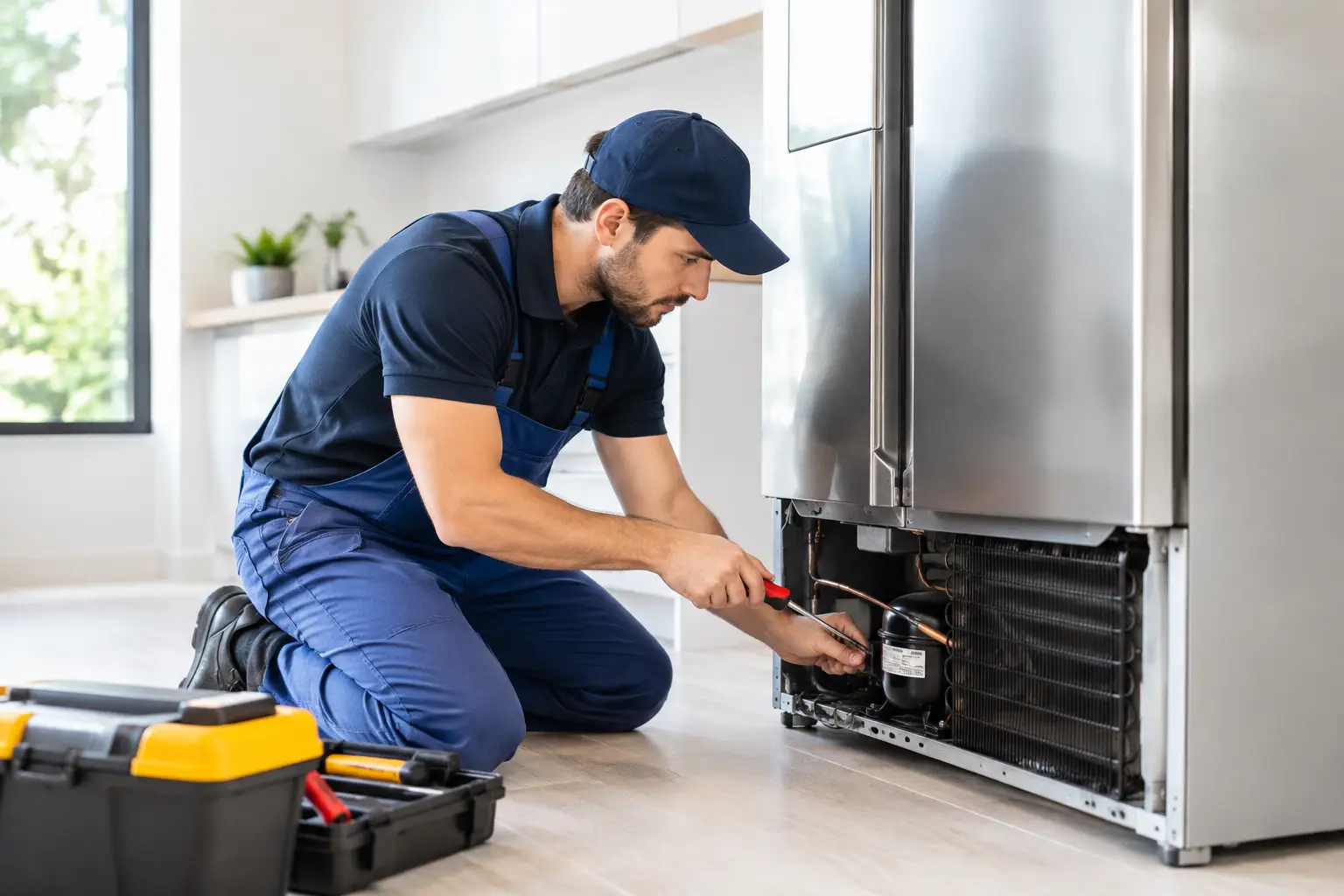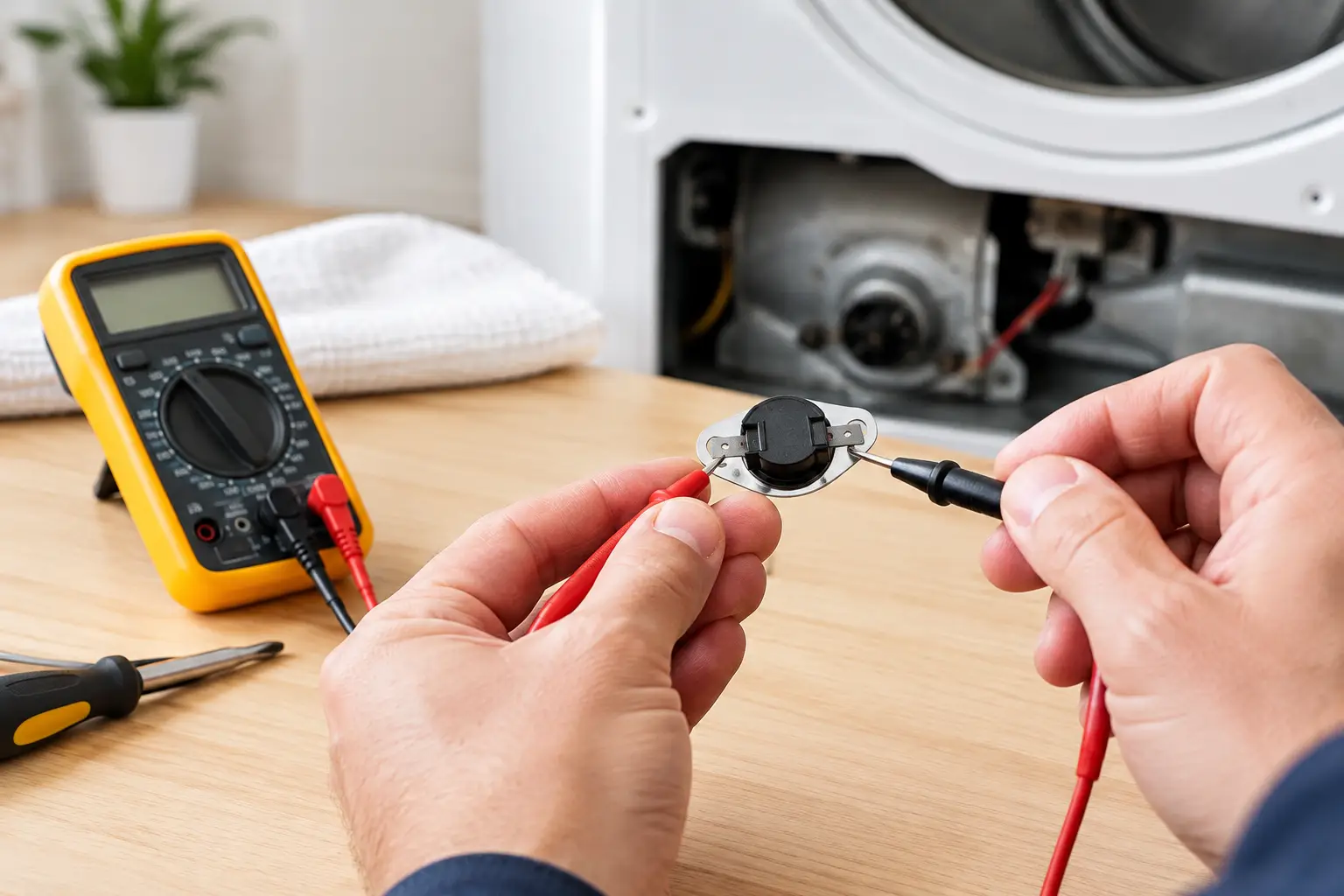
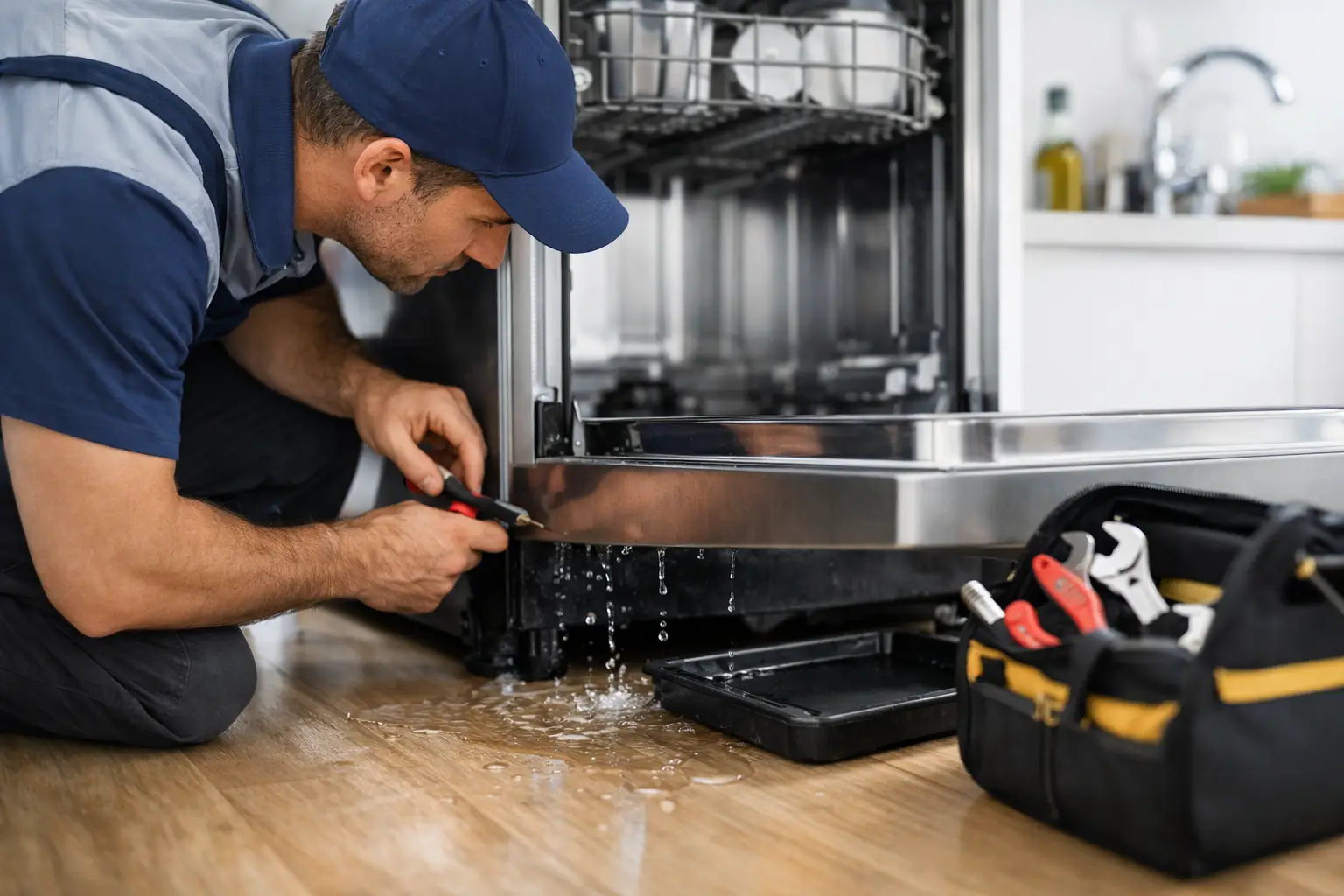
A puddle creeping out from under the dishwasher tends to appear at the worst possible time — right before guests arrive or just after a full dinner cleanup. If you are dealing with a dishwasher leaking from the bottom, dripping from the door, or leaving water across the floor, the causes are usually more common and more fixable than they look. At Fasteny Appliance Repair, we track down and fix leaking dishwashers for homeowners in Reading, Waltham, and towns across Massachusetts — often the same day.
This guide covers why a dishwasher leaks, the parts most likely to blame, brand-specific quirks, and the checks you can safely make before calling a technician.
At Fasteny Appliance Repair, we track down and stop a dishwasher leaking onto the floor for homeowners across Reading, Peabody, and Waltham — often in a single visit.
Why Is My Dishwasher Leaking?
When people ask why is my dishwasher leaking, the answer usually comes down to where the water is escaping. Water at the front points to the door — a worn gasket, a bent door, or a failing latch. A dishwasher leaking from the bottom more often means a problem underneath: the water inlet valve, the drain hose, the circulation or drain pump, or a cracked tub. Overfilling and the wrong detergent can also push suds and water past the door seal.
One safety note first: water and electricity do not mix. If water is pooling near the dishwasher’s power cord or the outlet under the sink, switch off the circuit at the breaker before you inspect anything.
Common Dishwasher Leak Problems and What Causes Them
Worn door gasket or door seal
The rubber gasket around the door is the number one reason for a dishwasher leaking from the door. Over years of heat and detergent it hardens, cracks, or flattens and stops sealing. Wipe the seal clean, check for tears or stiff spots, and make sure nothing is caught in the door. A brittle gasket needs replacing — a quick, inexpensive fix that stops most front leaks.
Faulty water inlet valve or supply line
The inlet valve controls how much water enters the tub. When it sticks open or its fitting corrodes, water can seep out beneath the unit even when the cycle is off. A slow drip at the supply-line connection under the sink often points here. Because this repair involves the water line, it is one to leave to a technician.
Drain hose and pump leaks
A cracked drain hose, a loose clamp, or a failing pump seal will drip dirty water under the dishwasher during the drain cycle. Leaks here are easy to confuse with a drainage clog. If your dishwasher is also holding water, our guide on how to unclog a dishwasher that will not drain walks through the related fixes.
Float switch, overfilling, and the wrong detergent
The float switch tells the dishwasher when to stop filling. If it sticks, the tub overfills and spills past the door. Just as common: using regular dish soap instead of dishwasher detergent, which creates a mountain of suds that forces water out. Always use detergent made for dishwashers, in the recommended amount.
Cracked tub, spray arm, or an unlevel unit
Hard water, age, and dropped utensils can crack the tub or a spray arm, sending water where it should not go. A dishwasher that is not level will also leak toward the low side. These issues are harder to spot and usually need a professional to diagnose.
Brand-Specific Dishwasher Leaks
Leak patterns can vary by brand, and knowing the tendency helps speed up the fix.
Whirlpool and Maytag
A Whirlpool dishwasher leaking from the bottom of the door is often a worn lower door gasket or a door that has drifted out of alignment. Maytag units share many of the same parts and symptoms.
Samsung
Samsung models use a leak sensor and show an LC or LE error code when they detect moisture in the base pan. That code usually means a small leak is already underway, so it is worth acting on quickly rather than resetting and ignoring it.
Bosch
Bosch dishwashers have a base-pan float safety too; an anti-flood device that keeps running or will not start often traces back to a slow leak underneath.
GE, Frigidaire, and Kenmore
On these brands, leaks most often come back to the door gasket, the inlet valve, or the pump seal — the same core parts, just packaged differently.
What to Do Before You Call for Repair
A few safe checks can save a service visit, or at least speed one up. Turn off power at the breaker and shut the water supply valve under the sink. Wipe the door gasket and look for tears or trapped debris. Confirm the dishwasher is level. Check that you are using dishwasher detergent, not dish soap. Look under the unit and at the supply line for obvious drips. If the leak is small and tied to the seal or detergent, you may be able to solve it yourself; anything involving the valve, pump, or tub is a job for a pro.
When to Call a Professional
If water keeps appearing after the simple checks, if it collects under the unit, or if you see it near electrical connections, it is time to bring in a technician. Our team handles dishwasher leaks — from door seals and inlet valves to pumps and drain hoses — for households throughout Massachusetts. See our dishwasher repair service for coverage and same-day availability.
Repair or Replace Your Dishwasher?
As a rule of thumb, repair makes sense when the dishwasher is under about eight years old or the fix is a gasket, hose, or valve. If the tub is cracked, several parts are failing at once, or the unit is well past a decade, replacement may cost less over time. Either way, do not let a leak linger: the U.S. EPA estimates household leaks waste nearly a trillion gallons of water nationwide every year, and a dripping dishwasher adds to your bill while risking floor and cabinet damage. The EPA’s Fix a Leak resources explain how small household leaks add up.
Preventing the Next Leak
Keep the door gasket clean and supple, run the disposal before starting a cycle, avoid overloading so the door closes flush, clean the filter monthly, and use only dishwasher detergent in the right amount. A quick look under the unit every few months catches slow drips before they become floor damage.
Frequently Asked Questions
Why is my dishwasher leaking from the bottom?
A dishwasher leaking from the bottom usually points to the water inlet valve, a cracked or loose drain hose, a worn pump seal, or overfilling from a stuck float switch. Because these parts sit underneath the unit, water shows up on the floor rather than at the door.
Is a leaking dishwasher dangerous?
It can be. Water near the power cord or outlet is a shock and fire risk, and standing water damages floors and cabinets. If water is pooling near electrical connections, shut off the breaker before inspecting and call a professional.
Can I still run my dishwasher if it is leaking?
It is best not to. Running a leaking dishwasher can worsen water damage and, if the leak is near wiring, create a safety hazard. Turn off the water and power and have it looked at before the next cycle.
Why is my Whirlpool dishwasher leaking from the bottom of the door?
This is most often a worn or misaligned lower door gasket, or a door that no longer closes flush. Replacing the gasket and checking the door alignment resolves most of these leaks.
How much does dishwasher leak repair cost?
Simple fixes like a door gasket are inexpensive, while inlet valve, pump, or hose repairs cost more depending on the part and brand. A technician can quote the repair after a quick diagnosis and advise whether repair or replacement makes more sense.
Conclusion
A leaking dishwasher is rarely a mystery once you know where to look — most cases trace back to the door seal, inlet valve, drain hose, pump, or simple overfilling. Handle the safe checks yourself, and leave the water-line and pump work to a professional. If your dishwasher is leaking in Peabody, Brookline, or anywhere across Massachusetts, Fasteny Appliance Repair can help. Book online through our request form, visit our homepage, or call +1 (617) 618-3311 to schedule same-day service.
Related Guides
For more dishwasher help, explore how to fix a dishwasher that will not drain, why a dishwasher is not cleaning, and dishwasher cycle-time problems.