
A refrigerator that stops cooling or a dryer that will not heat can throw off an entire day. The best questions before hiring repair services are the ones that reveal how quickly a company can respond, what the visit will cost, and whether the technician is prepared to solve the real problem – not just treat the symptom.
You do not need to become an appliance expert before making a call. You do need a few clear answers. A trustworthy repair company should be comfortable explaining its process, pricing, qualifications, and warranty in plain language.
Questions to Ask Before Hiring an Appliance Repair Company
1. Do you service my appliance brand and model?
Not every technician works on every appliance. A company may repair common refrigerators and washers but have limited experience with a premium brand, a built-in unit, or a commercial-grade appliance. Before booking, share the appliance type, brand, model number if available, and a short description of the issue.
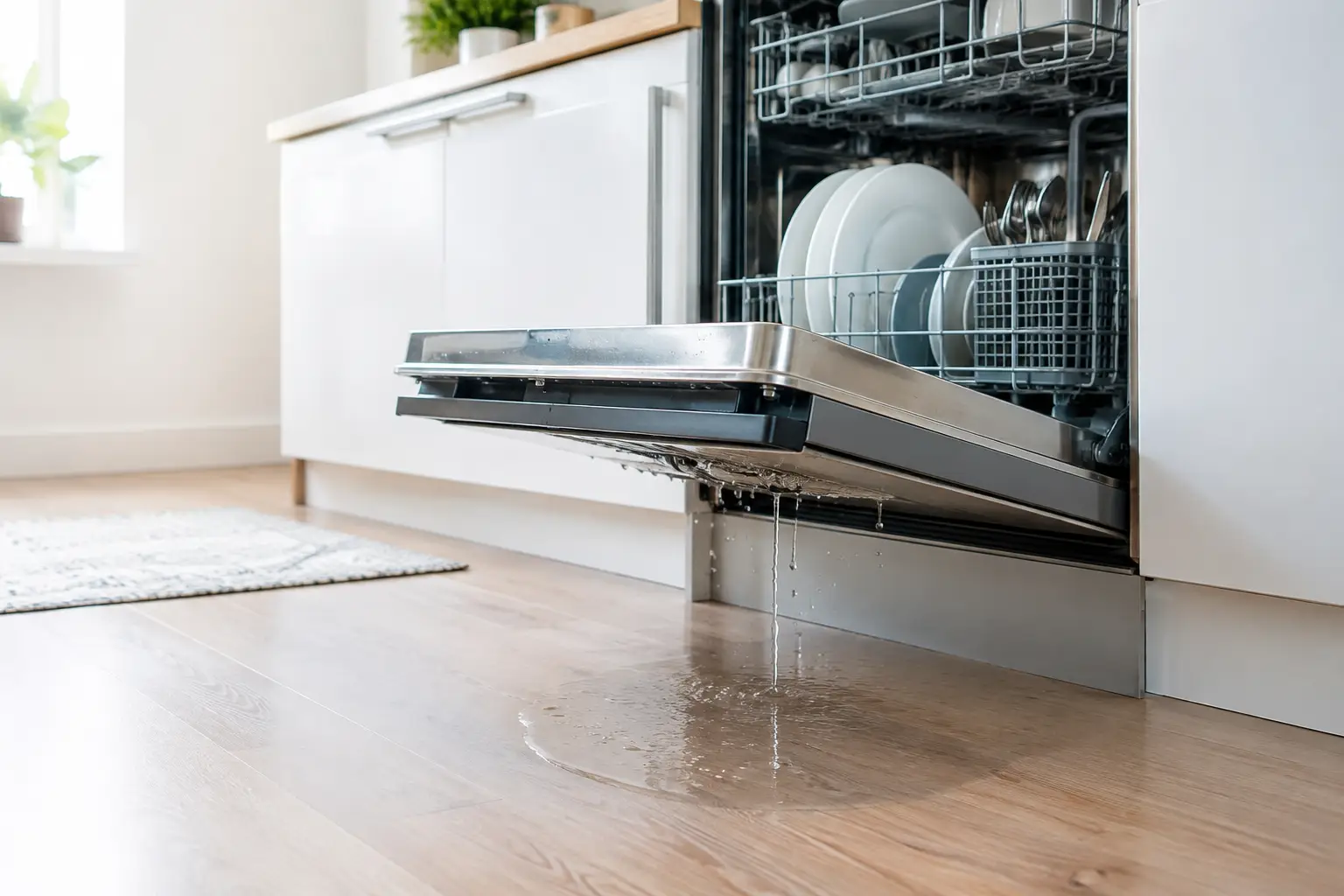
This helps the service team schedule the right technician and improves the chance that common parts can be brought to the appointment. For example, a dishwasher that leaves standing water may have a drainage issue, a failed pump, or an installation-related problem. The model matters when determining likely causes and compatible replacement parts.
If your appliance is older, ask whether parts are still likely to be available. An honest company will not promise a repair before inspecting the unit, but it can explain what to expect if a discontinued part is needed.
2. When is your earliest available appointment?
Speed matters when a refrigerator is warming up, a washer is leaking, or an oven is down before a busy weekend. Ask whether same-day or next-day service is available and whether the company provides a realistic arrival window.
Availability can depend on technician routes, the type of appliance, and the time you call. A company that gives a clear scheduling answer is more helpful than one that makes vague promises. If you operate a rental property, restaurant prep area, salon, or small office, explain the business impact so the dispatcher can help identify the most practical appointment option.
Also ask what you should do before the technician arrives. In some cases, turning off the appliance, shutting off the water supply, or moving food to a cooler can prevent additional damage. Do not attempt electrical or gas repairs yourself.
3. Is there a diagnostic or service-call fee, and how is it applied?
This is one of the best questions before hiring repair help because it prevents confusion at the door. Ask whether there is a diagnostic fee, what it covers, and whether it is applied toward the cost of an approved repair.
A diagnostic visit has real value. The technician is identifying the failed component, checking for related issues, and determining whether repair is sensible. Still, you deserve to know the charge before the appointment is booked.
Ask for a straightforward explanation: What is due for the visit? Is the fee waived or credited if you proceed with the repair? Are there additional charges for evenings, weekends, distance, or specialty appliances? Clear answers are a strong sign that the company respects your budget.
4. Will I receive a quote before work begins?
A professional technician should diagnose the appliance and explain the recommended repair before replacing parts. Ask whether you will receive an itemized quote that separates labor, parts, and any applicable fees.
The lowest initial number is not always the best value. A quote that seems unusually low may exclude the part, fail to account for the full repair, or be based on assumptions rather than diagnosis. On the other hand, a company should never pressure you into approving work without explaining why it is needed.
If more than one repair option exists, ask about the trade-offs. A minor component replacement may be worthwhile on a newer appliance in otherwise good condition. For an aging unit with multiple failures, putting significant money into repairs may not make sense. The right recommendation depends on the appliance’s age, condition, repair history, and the cost of replacement.
5. Are your technicians qualified and insured?
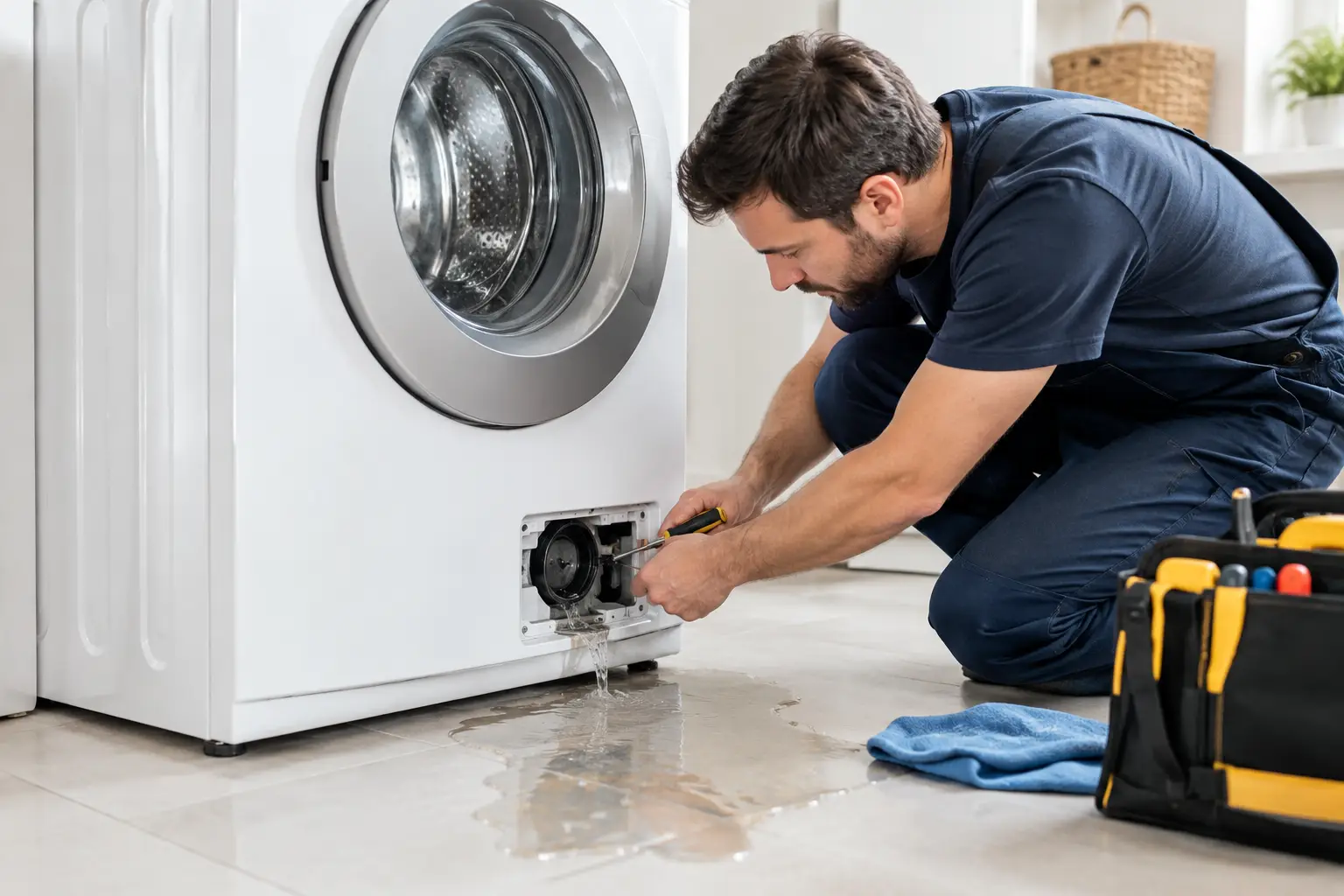
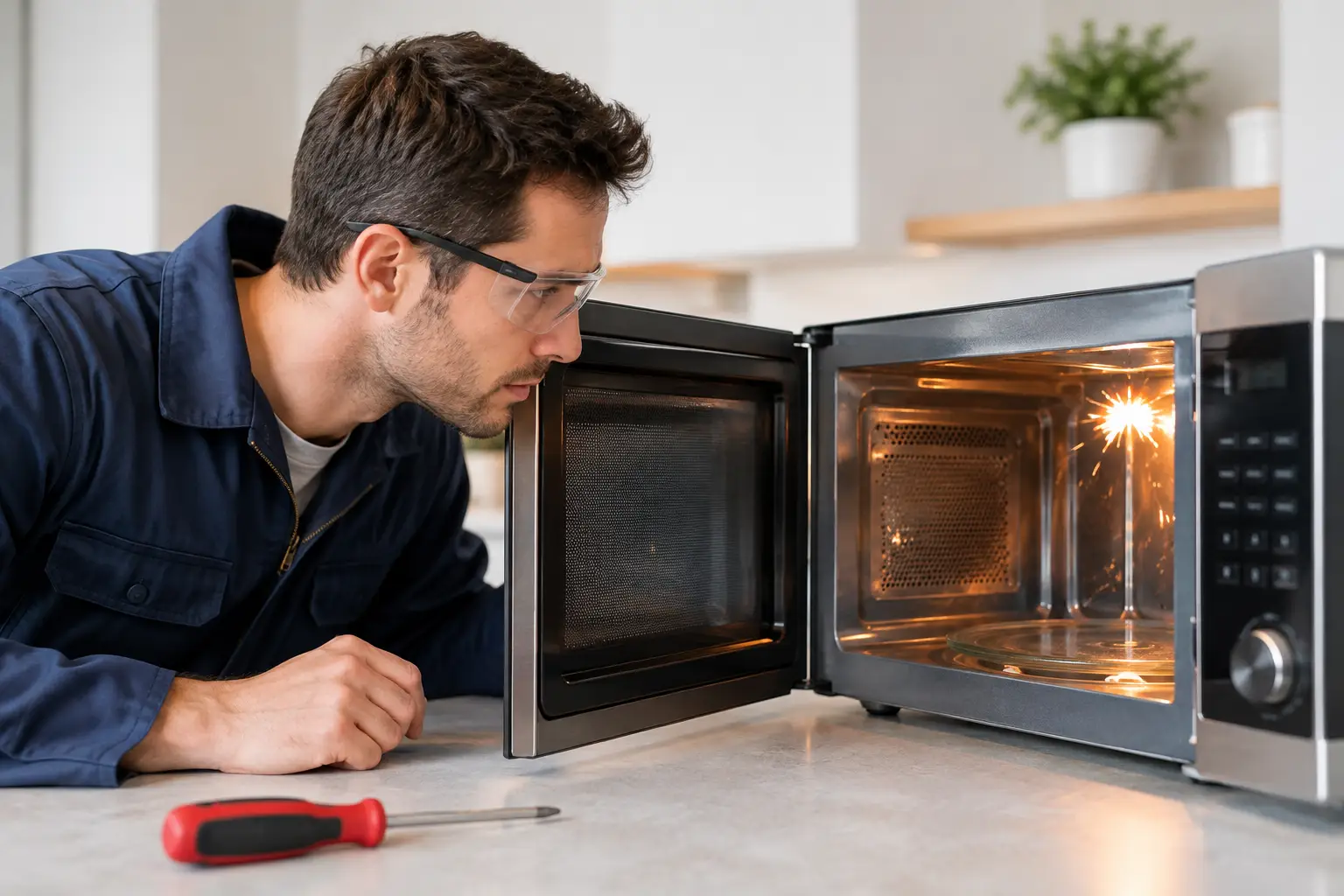
You are allowing someone to work with electrical components, water lines, heating elements, and sometimes gas connections inside your home or business. Ask about technician training, experience with your appliance type, and insurance coverage.
For gas appliances or more specialized work, qualifications are especially important. A qualified company will send a technician whose skills match the job and follow appropriate safety procedures. You do not need a long list of credentials; you need confidence that the person diagnosing your appliance has the training to do the work safely and correctly.
It is also reasonable to ask whether the technician will carry common replacement parts. No repair company can stock every part for every model, but preparation can reduce repeat visits for frequent failures.
6. What warranty do you provide on parts and labor?
A repair should come with accountability. Ask what warranty applies to the installed part and the labor performed, how long it lasts, and what happens if the same issue returns.
Read the answer carefully. A warranty generally covers the specific repair completed, not a separate failure that appears later. For instance, if a dryer heating element is replaced and the drum motor fails months afterward, those may be unrelated problems. A fair company will explain that distinction without using it to avoid responsibility for defective work.
Keep your invoice after service. It documents the repair, the parts used, and the warranty terms if you need follow-up assistance.
7. Can you explain the problem in plain language?
You should leave the appointment knowing what happened and what was done. A good technician can explain the issue without burying you in technical terms or making you feel rushed.
Ask what caused the failure, whether there are warning signs to watch for, and whether basic maintenance could help prevent a repeat issue. That might mean cleaning a dryer vent, keeping refrigerator coils clear of dust, or avoiding overloading a dishwasher. The answer should be practical, not a sales pitch for unnecessary work.
Clear communication also matters if you are coordinating service for a tenant, parent, or business location. You need enough detail to make an informed decision, even if you are not on-site during the visit.
8. What happens if the repair cannot be completed on the first visit?
Some repairs require an ordered part, particularly on newer models, specialty units, or appliances with electronic control boards. Ask what the next step looks like if the required part is not available that day.
A dependable company should tell you whether the part will be ordered, how scheduling works once it arrives, and whether any additional trip or labor charges apply. It should also explain if the appliance can be used safely while waiting. Sometimes the answer is yes with limitations; other times, especially with leaks, electrical concerns, or cooling failures, it is better to leave the unit off.
Answers That Should Make You Pause
Most appliance repairs involve some uncertainty until the technician inspects the unit. That is normal. What is not normal is refusing to discuss basic pricing, pressuring you to authorize work immediately, or guaranteeing an exact repair without seeing the appliance.
Be cautious if a company cannot tell you whether it services your brand, will not explain its warranty, or gives a quote that has no details behind it. You should also pause when a technician recommends replacement without explaining the diagnosis or showing why repair is no longer cost-effective.
The goal is not to interrogate every repair company. It is to find one that treats your home, time, and budget with respect. Fasteny Appliance Repair serves customers across Greater Massachusetts with clear quotes, experienced technicians, and responsive scheduling because a broken appliance should be a manageable repair problem, not a drawn-out source of stress.
When you make the call, have your appliance brand, model number, symptoms, and any error codes ready. A few minutes of preparation can lead to a faster diagnosis, a clearer quote, and the confidence that you are approving the right repair.