
A refrigerator that runs nonstop, a dryer that takes two cycles, or a washer that leaves water on the floor can turn an ordinary day into a scramble. Knowing when should appliances be replaced helps you make a clear decision before a small issue becomes spoiled food, water damage, a safety concern, or an unexpected expense.
Replacement is not always the answer. Many appliance failures are caused by parts that can be repaired quickly and affordably, such as a worn belt, failed heating element, damaged door seal, clogged drain pump, or faulty sensor. The right choice comes down to the appliance’s age, the diagnosis, the repair cost, and how reliably it can serve your household after the work is done.
When Should Appliances Be Replaced Instead of Repaired?
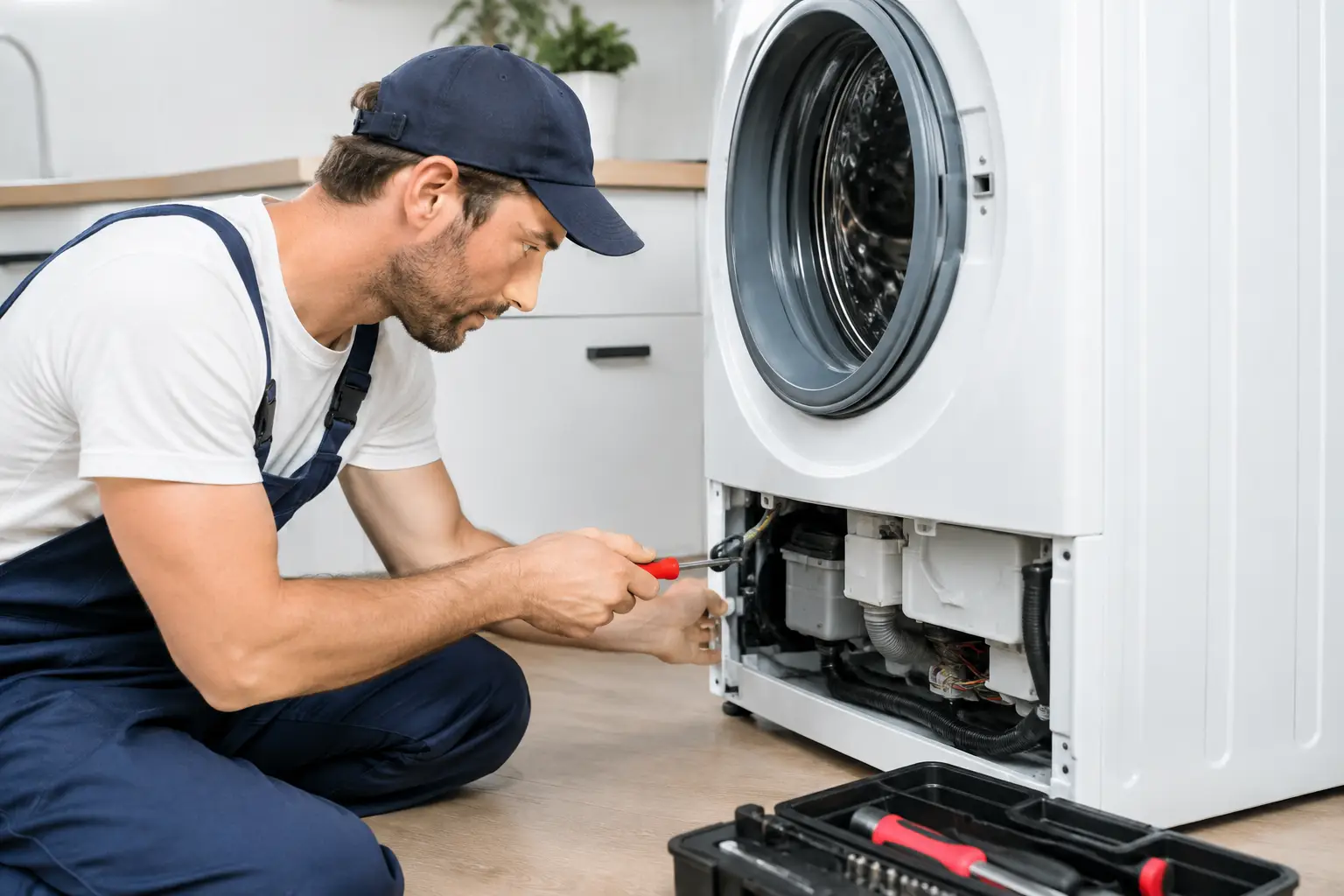
Start with the actual problem, not the frustration of the moment. A professional diagnosis can separate a repairable part failure from a larger issue involving the compressor, motor, control board, transmission, tub, or cabinet structure. That distinction matters because the same symptom can have very different causes.
A good rule of thumb is to consider replacement when a repair will cost close to half the price of a comparable new appliance, especially if the unit is already near or beyond its expected service life. This is a guideline, not a hard rule. A high-quality refrigerator may justify a larger repair than a basic model, while an older washer with repeated problems may not be worth another service call even if the current repair seems inexpensive.
Also consider what has happened in the last year. One isolated repair does not mean an appliance is failing for good. But multiple breakdowns, declining performance, rising utility use, and difficult-to-source parts are signs that replacement may offer better long-term value.
Replace an appliance sooner for safety concerns
Some problems should not be treated as routine inconveniences. Replace the appliance or arrange professional service promptly if you notice burning smells, scorch marks, sparking, electrical shocks, smoke, repeated breaker trips, gas odors, or major leaks near electrical connections.
Gas appliances require particular caution. If you smell gas, leave the area, avoid switches and open flames, and contact the appropriate emergency service or gas utility. Do not attempt to diagnose a gas leak yourself. For electric appliances, unplugging the unit may be appropriate only if it can be done safely and without standing water or damaged wiring.
Typical Appliance Lifespans and What They Mean
Age is useful context, but it should not decide the outcome on its own. Maintenance, installation quality, usage levels, water conditions, and prior repairs all affect how long an appliance lasts. A large family running daily laundry loads will naturally put more wear on a washer and dryer than a one-person household.
Most major appliances fall within these broad ranges:
- Refrigerators often last 10 to 15 years.
- Dishwashers commonly last 8 to 12 years.
- Washers and dryers typically last 10 to 13 years.
- Ranges, cooktops, and ovens can last 13 to 15 years or longer.
- Microwaves often last 7 to 10 years.
These ranges are a planning tool, not an expiration date. A 12-year-old range with a failed igniter may have years left after a straightforward repair. On the other hand, a 7-year-old refrigerator with a sealed-system problem, repeated cooling failures, and a costly compressor repair may be a stronger replacement candidate.
Refrigerators: protect food first
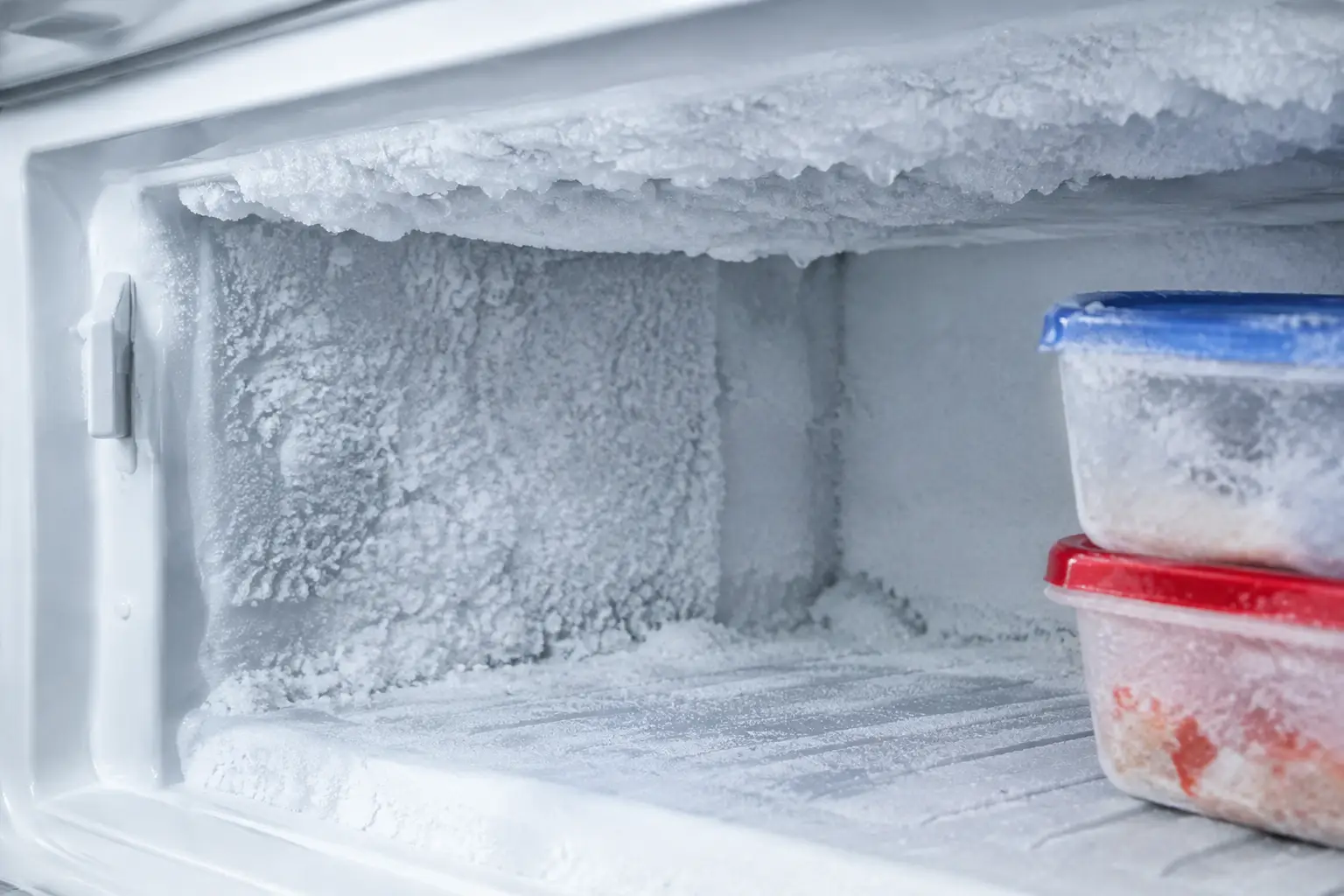
A refrigerator that is not cooling consistently needs fast attention. Before assuming it needs to be replaced, check whether the doors seal tightly, the vents are clear, and the condenser area is reasonably clean. But warm compartments, frequent cycling, frost buildup, water leaks, or a loud new noise deserve a professional diagnosis.
Replacement becomes more likely when the compressor or sealed system fails on an older unit, particularly if the repair cost is substantial. If the issue is a fan motor, thermostat, defrost component, or door gasket, repair can often be the more practical option.
Washers and dryers: consider the repair history
Leaks, drainage problems, shaking, failure to spin, no heat, and long drying times are common symptoms that do not automatically require a new machine. Hoses, pumps, belts, rollers, heating elements, and door switches can often be repaired.
Replacement makes more sense when there is a cracked tub, severe bearing damage, a failed transmission on an aging washer, or repeated control-board and motor issues. For dryers, a damaged drum or a major motor failure may change the calculation, although the appliance’s condition and age still matter.
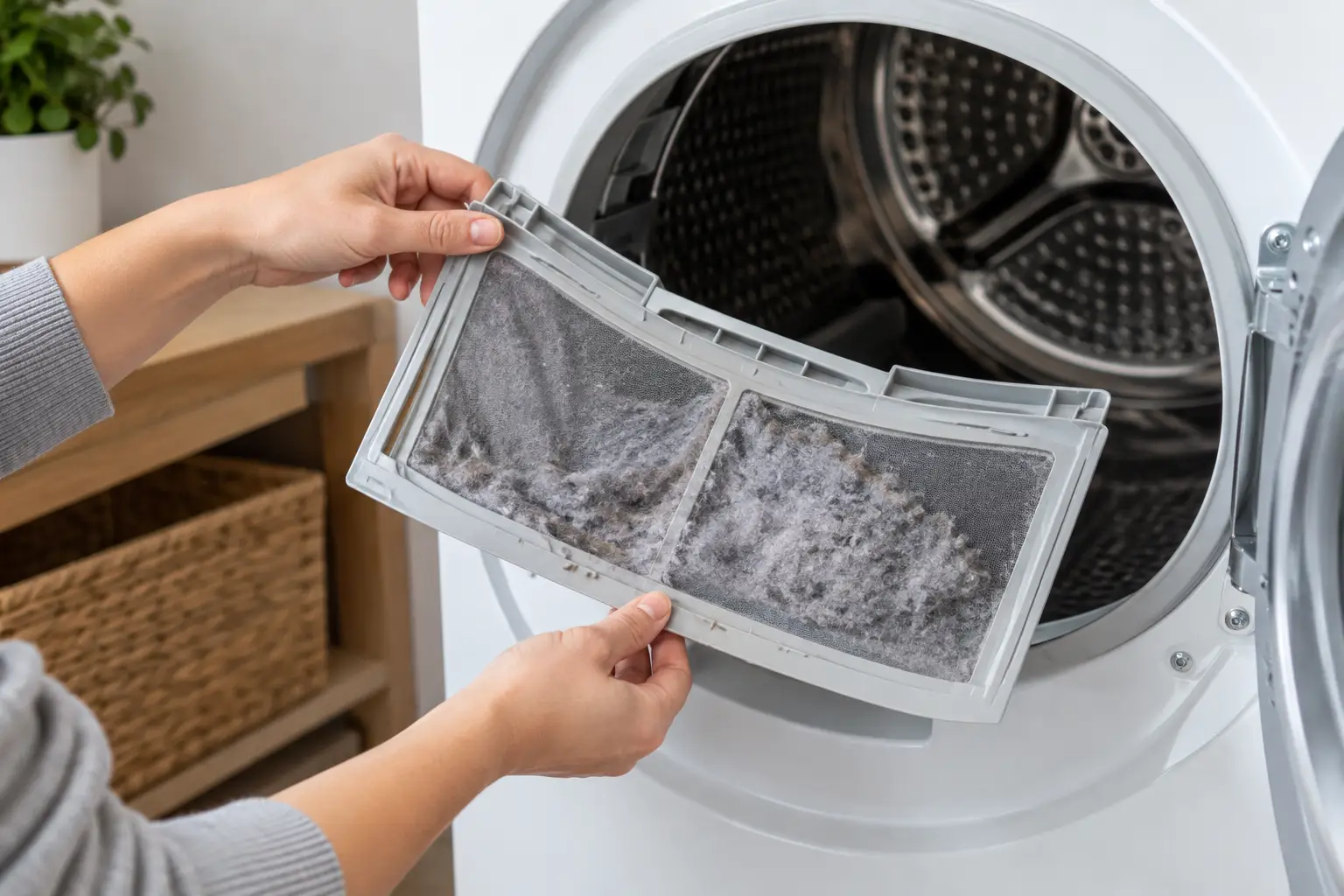
Do not overlook dryer vent maintenance. A dryer that runs hot, takes too long, or produces a burning smell may have a restricted vent rather than an internal failure. This can create a fire risk and should be addressed promptly.
Dishwashers, ovens, and microwaves: look beyond one bad cycle
A dishwasher that leaves dishes dirty may need a filter cleaning, spray arm repair, inlet valve, pump, or heating component. It may be worth repairing if the racks, seals, and interior are otherwise in good shape. A corroded tub, recurring leaks, or repeated electronic failures on an older dishwasher point more strongly toward replacement.
For ovens and cooktops, failed igniters, bake elements, burners, and temperature sensors are often repairable. Replacement may be the better choice if the unit has extensive rust, damaged wiring, unavailable parts, or unreliable heating after multiple repairs.
Microwaves deserve extra care because they contain high-voltage components. A broken handle, turntable motor, or door switch may be repairable. If the microwave sparks internally, has a damaged door or seal, or no longer heats and is already several years old, replacement is often the simpler and safer path.
Compare the Real Cost, Not Just Today’s Repair Bill
The least expensive option today is not always the least expensive choice over the next few years. Ask for a clear repair estimate that separates the service charge, parts, labor, and any warranty coverage. Then compare that number with the price of a new unit, delivery, installation, removal of the old appliance, and any changes needed to fit the new model.
A replacement can carry hidden costs. A new refrigerator may require a different water line or cabinet adjustment. A new washer may need new hoses, and a new range may involve electrical or gas connection work. If your current appliance is repairable and otherwise meets your needs, keeping it can prevent those added expenses.
Energy savings can matter, but they should be viewed realistically. A newer appliance may use less electricity or water, yet it can take years for utility savings alone to offset the purchase price. For most households, reliability, repair cost, and safety are more immediate decision factors.
Questions to Ask Before You Approve a Repair
A trustworthy appliance technician should be able to explain the failure in plain language and give you room to decide. Ask what part failed, whether the repair addresses the underlying cause, how long the repair is expected to last, and whether other worn components are likely to cause problems soon.
It is also reasonable to ask whether replacement would be more sensible for your appliance’s age and condition. Honest advice is especially valuable when a repair is technically possible but financially hard to justify. A clear quote with no hidden fees lets you compare options without pressure.
For homeowners and businesses across Greater Massachusetts, Fasteny Appliance Repair can help diagnose the issue quickly and explain whether repair is still the practical choice. Same-day or next-day service can be especially helpful when a refrigerator, washer, oven, or commercial appliance disruption cannot wait.
Get the Diagnosis Before You Replace
An appliance does not need to be new to be dependable, and it does not need to be ancient to be ready for replacement. The best decision is based on a specific diagnosis, a transparent repair estimate, the unit’s repair history, and your need for reliable daily use. When the numbers and condition support repair, fix it with confidence. When safety, recurring failures, or a major repair on an aging unit point the other way, replacement can be the relief that prevents the next emergency.