A refrigerator that stops cooling can turn a normal rental day into an urgent call about spoiled food, unhappy tenants, and a possible emergency service visit. Clear landlord appliance repair responsibilities help property owners respond quickly, protect the unit, and avoid disputes over who pays for the repair.
For Massachusetts landlords, the answer is rarely as simple as “the tenant uses it, so the tenant pays.” Responsibility depends on what the lease promises, whether the appliance came with the rental, what caused the failure, and whether the broken appliance affects safe, habitable living conditions.
When landlords are responsible for appliance repairs
A landlord is generally responsible for repairing appliances that are provided as part of the rental and fail through ordinary use, age, or a mechanical defect. If the apartment was rented with a refrigerator, range, dishwasher, washer, dryer, or built-in microwave, tenants can reasonably expect that appliance to work unless the lease clearly says otherwise.
The lease is the starting point. It should identify which appliances are included with the tenancy and who is expected to maintain them. A vague lease creates room for misunderstandings, especially when an appliance was left behind by a prior owner or previous tenant.
Even when an appliance is not required by a particular housing rule, a landlord may still have a contractual duty to repair it if it was advertised, included in the lease, or routinely provided as part of the unit. Removing a broken appliance without a tenant-approved solution may not be a practical answer, particularly when it is essential to daily life.
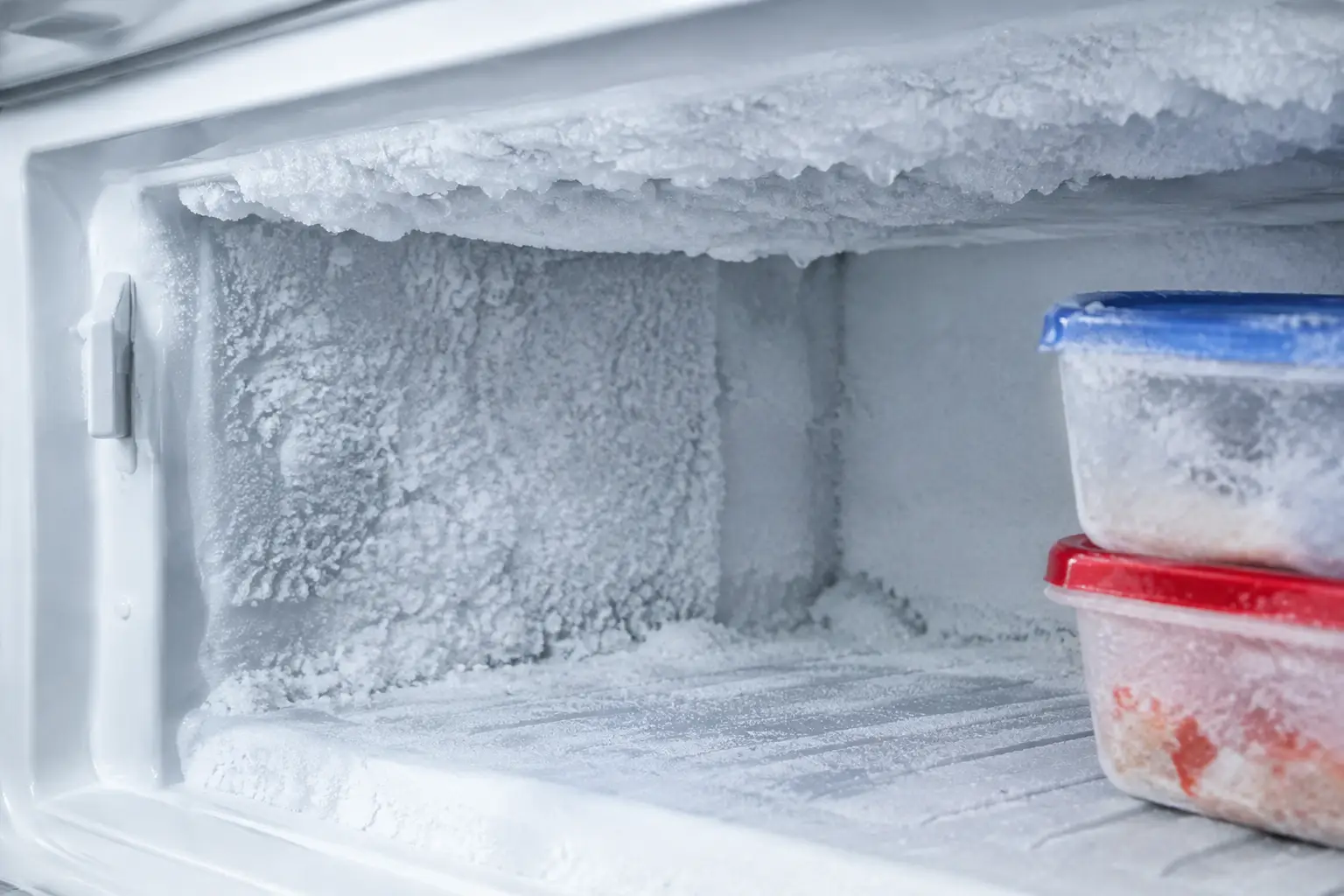
Some failures need faster action than others. A gas oven that will not ignite, a refrigerator with no cooling, a dishwasher leak damaging cabinetry, or a dryer with a burning smell should be addressed promptly. Waiting can increase repair costs and create safety or property-damage concerns.
Habitability and convenience are not always the same
Massachusetts habitability requirements focus on conditions that make a home safe and livable, such as heat, hot water, plumbing, electricity, and sanitation. Not every appliance breakdown automatically makes a rental uninhabitable.
Still, that distinction should not become a reason to delay. A failed dishwasher may be inconvenient rather than a code emergency, but a leaking dishwasher can damage floors and create mold risks. Likewise, a refrigerator failure may require a quick response even if the tenant has other short-term options. Good property management weighs the real impact, not just the minimum legal standard.
When tenants may be responsible
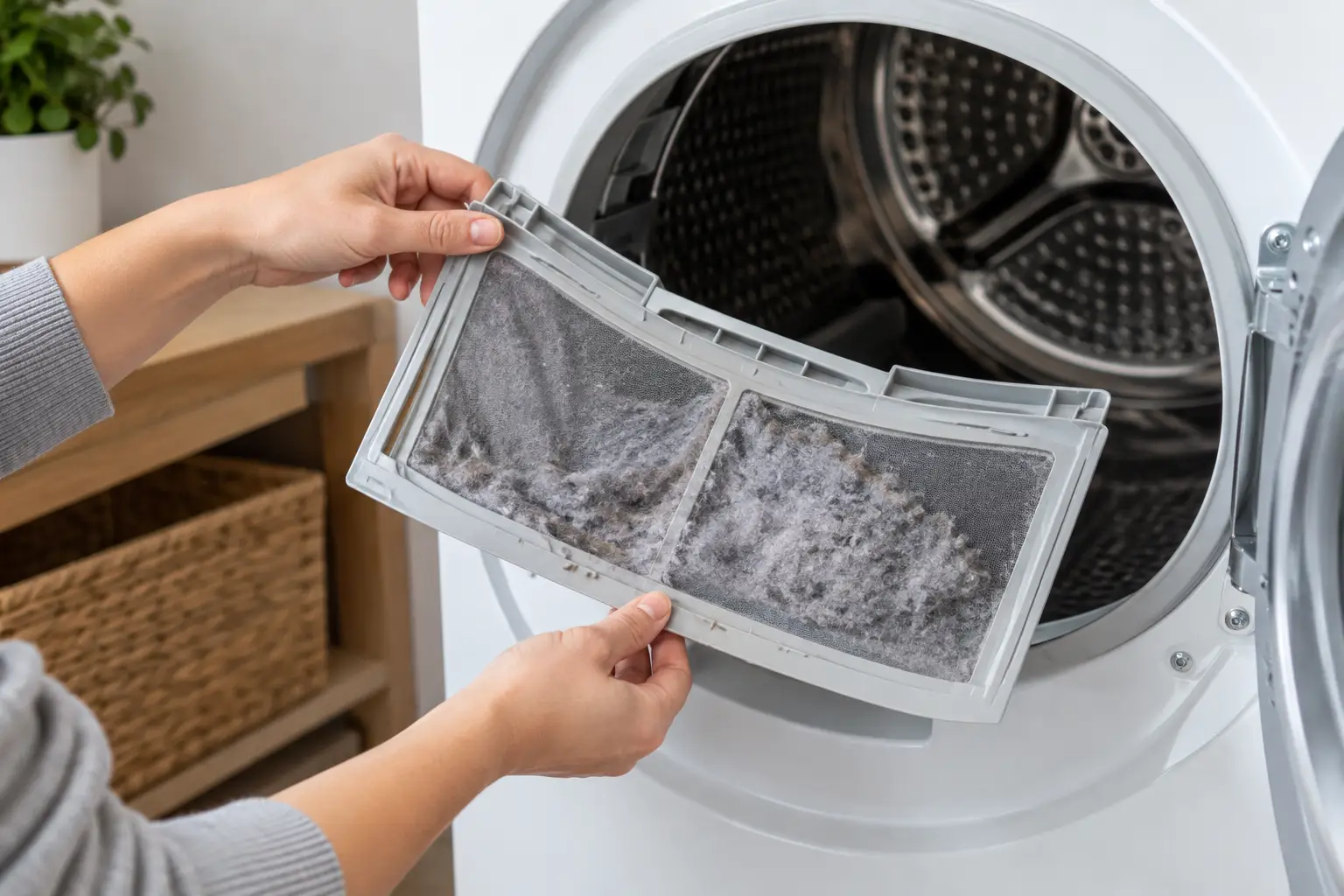
Tenants are usually responsible when their actions caused the damage. Examples include overloading a washer, forcing a broken oven door, using the wrong cookware on a glass cooktop, failing to clean a dryer lint filter, or damaging a refrigerator shelf or gasket through misuse.
Normal wear is different. A dishwasher pump that fails after years of service, a dryer heating element that burns out, or a refrigerator compressor that stops running is typically not tenant-caused damage. Age-related failure is part of owning and maintaining a rental property.
A landlord can also shift some maintenance tasks to tenants through a clear, lawful lease provision. Routine tasks might include changing approved filters, keeping appliance surfaces reasonably clean, reporting leaks promptly, and removing lint after each dryer cycle. The lease should be specific. “Tenant maintains appliances” is often too broad to prevent disputes over expensive repairs.
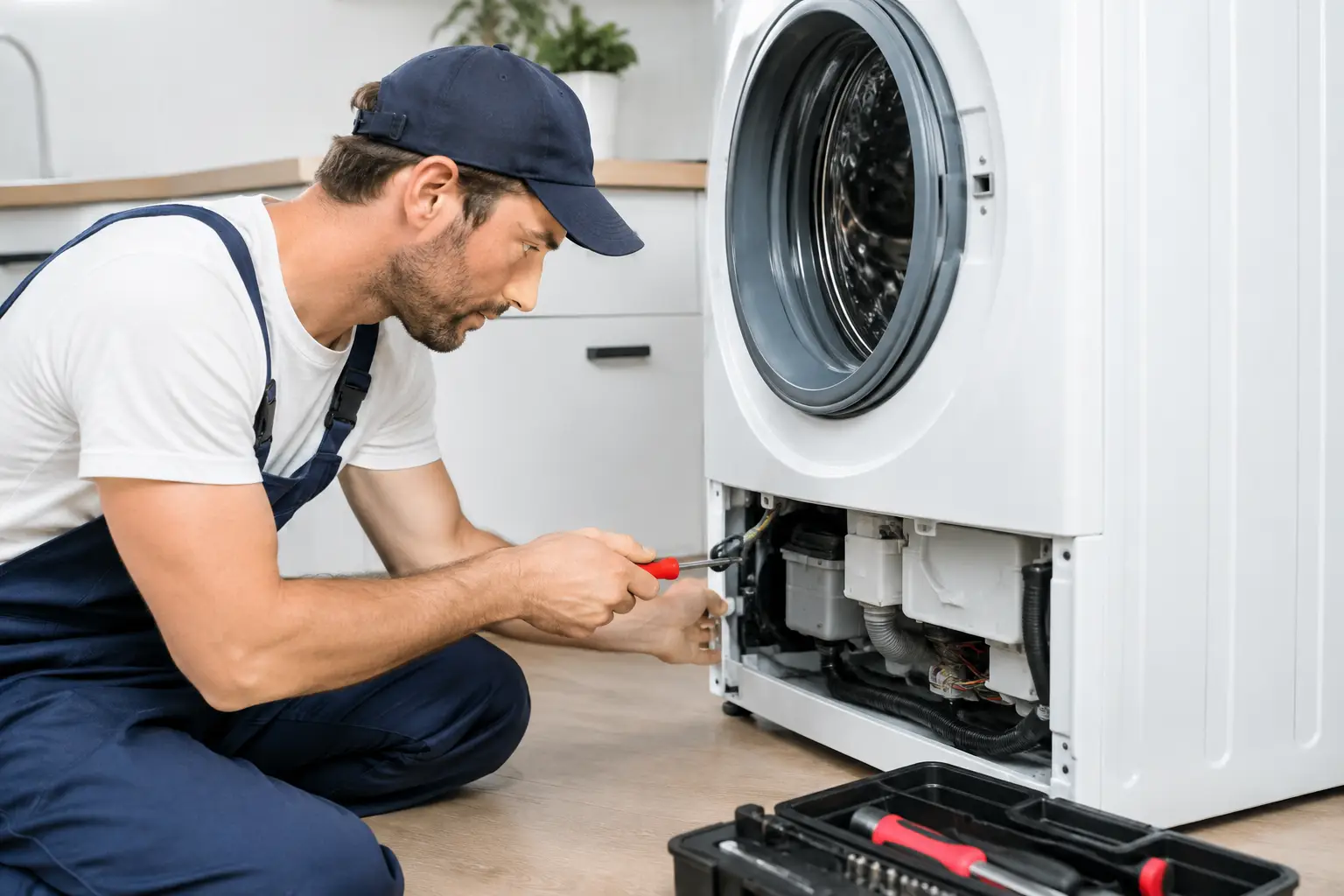
When tenant damage is suspected, document the condition before assigning a charge. A qualified technician’s diagnosis can be especially useful because it separates misuse from a failed part or a developing mechanical issue. That protects both sides from assumptions.
Lease language that prevents repair disputes
The best time to define appliance responsibility is before the keys change hands. A well-written lease and move-in inspection can reduce friction when something fails six months later.
Your appliance section should identify the equipment included in the rental, state whether it is landlord-maintained, and explain the tenant’s basic care and reporting duties. It should also explain how tenants should request service and what to do during an urgent issue, such as turning off the water supply for an active leak when it is safe to do so.
Avoid lease language that tries to make tenants responsible for every repair, regardless of cause. That approach can be difficult to enforce and may conflict with a landlord’s legal obligations. It also tends to discourage tenants from reporting small problems early, when a simple repair could have prevented a major failure.
At move-in, record the model and visible condition of each included appliance. Photos, a signed checklist, and notes about existing dents, cracked shelves, or worn burners create a reliable baseline. For furnished rentals or units with newer appliances, this step is particularly valuable.
A practical response process when an appliance fails
Speed matters, but so does getting the right information before scheduling service. Ask the tenant for the appliance type, brand if visible, symptoms, error codes, when the problem started, and whether there is a leak, burning smell, gas odor, sparking, or standing water.
For a gas smell, smoke, active electrical sparking, or a serious water leak, the priority is safety. Tenants should stop using the appliance and follow the appropriate emergency steps, including contacting emergency services or the utility when warranted. Do not ask a tenant to troubleshoot a potentially dangerous gas or electrical problem.
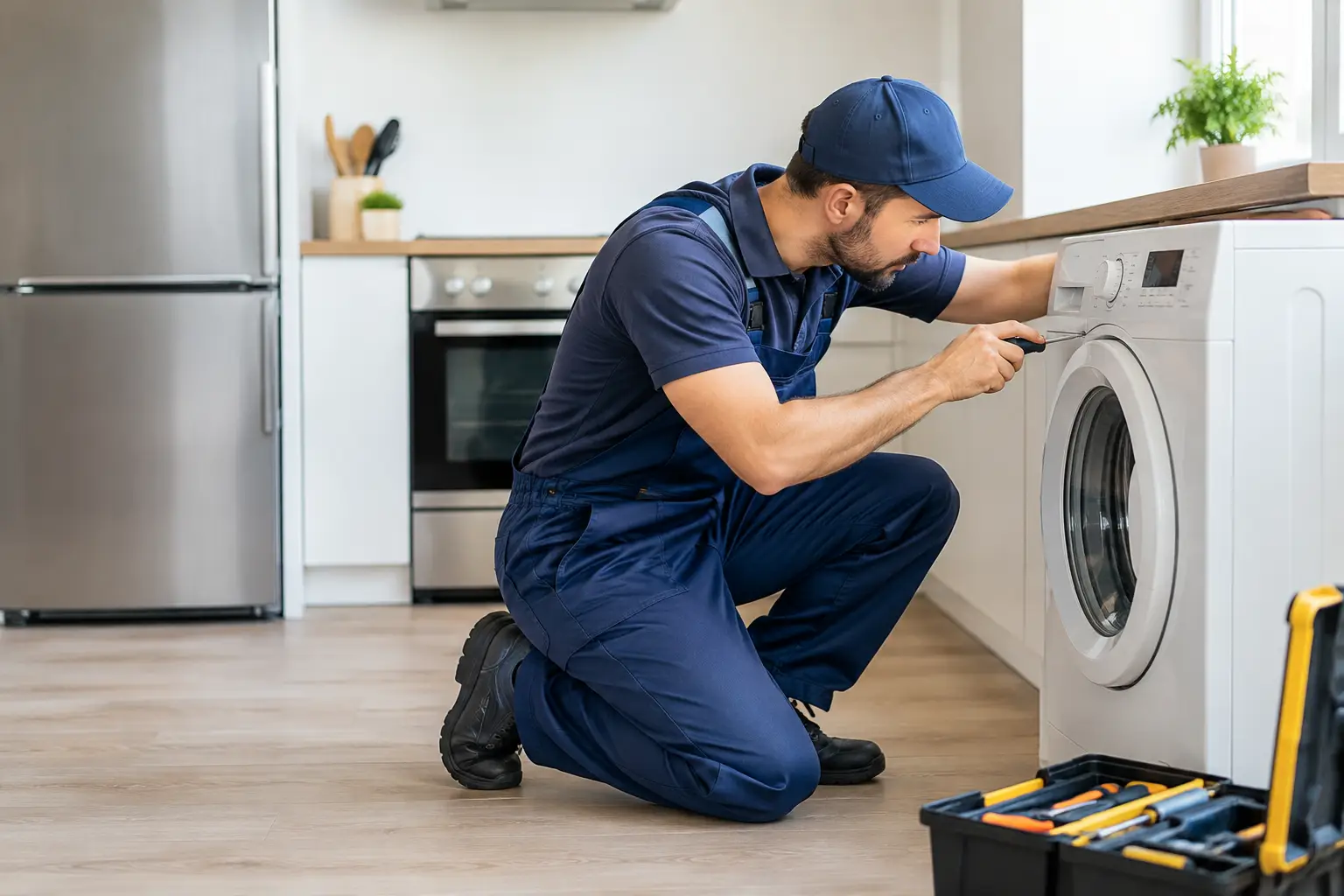
For standard repair calls, arrange professional diagnosis as soon as reasonably possible. Trying to save money with repeated temporary fixes can cost more when the issue damages flooring, cabinets, food inventory, or the appliance itself. A technician can determine whether repair is sensible or whether replacement is the better investment.
Keep the tenant informed about the appointment window, expected access needs, and any parts delay. Silence is often what turns a manageable repair into a landlord-tenant conflict. A short update shows that the request is being handled and gives the tenant a clear next step.
Repair or replace: making the property-owner decision
Landlords do not have to replace every appliance the moment it malfunctions. Repair is often the practical choice when the appliance is relatively new, the problem is limited to a serviceable component, and the repair cost is reasonable compared with replacement.
Replacement may make more sense when an appliance has recurring failures, needs a major sealed-system or control-board repair, uses excessive energy, or has parts that are no longer available. Consider more than the quote alone. A cheap repair that fails again in three months can create another scheduling problem, another tenant disruption, and another bill.
For multi-unit owners and small commercial property operators, consistency can reduce future costs. Using similar appliance models across units may simplify parts availability, tenant instructions, and replacement decisions. It will not eliminate breakdowns, but it can make them easier to manage.
Common mistakes that increase landlord costs
The most expensive appliance problems often start as small, ignored symptoms. A refrigerator running constantly, a washer that drains slowly, an oven with inconsistent heat, or a dryer that takes two cycles to dry clothes should be checked before the appliance stops working completely.
Another mistake is relying on the tenant to find and manage the repair without defining reimbursement terms. If a landlord authorizes this arrangement, put the spending limit, required documentation, and approval process in writing. Otherwise, there may be disagreement over the scope of work or the price.
It is also risky to deduct repair costs from a security deposit without clear evidence of tenant-caused damage and a proper understanding of applicable Massachusetts requirements. Documentation, inspection notes, invoices, and professional findings matter.
Reliable service protects the rental and the relationship
For landlords, appliance maintenance is not just an operating expense. It is part of keeping a rental functional, protecting the property from secondary damage, and giving tenants confidence that problems will be handled fairly.
Fasteny Appliance Repair helps property owners across Greater Massachusetts diagnose and repair major household appliances with transparent quotes and prompt scheduling. Whether the issue is a refrigerator that will not cool, a leaking dishwasher, a washer that will not drain, or an oven that will not heat, professional diagnosis helps you make a clear repair-versus-replace decision.
A prompt, documented response gives everyone a better outcome: tenants get a working home again, and landlords avoid letting a small appliance failure become a larger property problem.