A refrigerator can look like it is working while quietly putting a week’s groceries at risk. Milk that feels a little warm, produce that wilts too quickly, or leftovers that spoil before their date are not just frustrating. They can point to poor airflow, an incorrect temperature setting, worn door seals, or a developing mechanical problem.
Knowing how to prevent refrigerator food spoilage starts with a few everyday habits, but it also means recognizing when the appliance itself needs attention. A properly functioning refrigerator should keep food consistently cold, not merely feel cool when you open the door.
Keep Your Refrigerator at a Safe Temperature
Your refrigerator should stay at or below 40°F, with 37°F generally being a good target for fresh food storage. Your freezer should remain at 0°F. The numbers on a refrigerator dial are not always precise, especially on older units, so an inexpensive appliance thermometer gives you a much clearer answer than guessing by touch.
Place the thermometer near the center of the refrigerator, where the temperature is usually most representative of the compartment. Check it after the door has stayed closed for several hours. If temperatures regularly rise above 40°F, food can enter the danger zone where bacteria multiply quickly.
A refrigerator that occasionally runs a little warm may have a simple cause, such as a door left ajar or too many warm groceries loaded at once. But repeated temperature swings deserve professional diagnosis. A failing thermostat, dirty condenser coils, damaged fan, weak compressor, or defrost issue can all reduce cooling performance.
Store Food Where It Stays Coldest
Not every shelf holds the same temperature. The door is exposed to warmer kitchen air every time it opens, which makes it the least reliable place for highly perishable items. Keep shelf-stable condiments, bottled drinks, and similar items there instead.
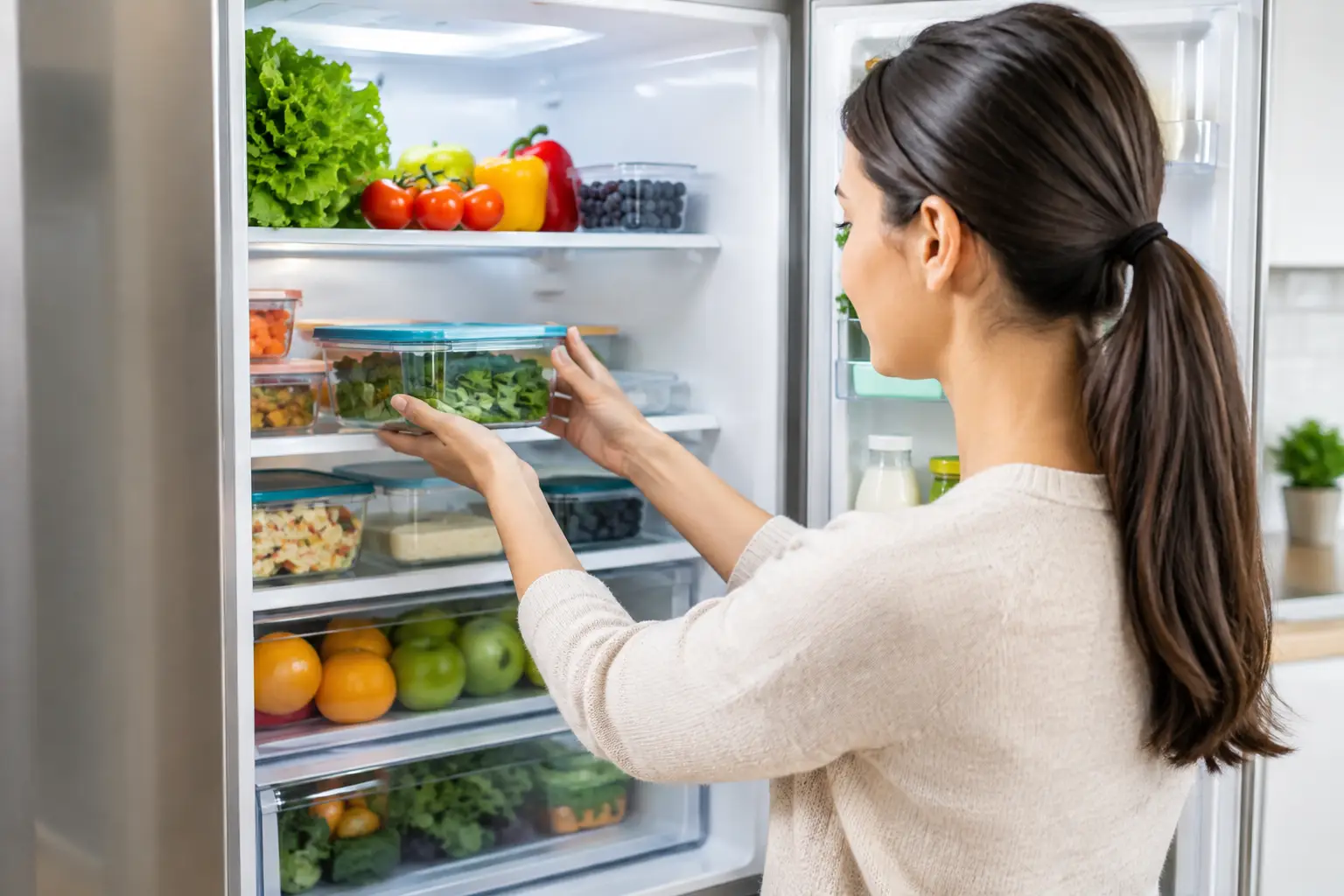
Store raw meat, poultry, and seafood on the bottom shelf in sealed containers or on a rimmed tray. This helps prevent juices from dripping onto ready-to-eat food. Leftovers, dairy products, eggs, and prepared foods generally do best on interior shelves, where the temperature is more stable.
Crisper drawers are useful, but they are not interchangeable. Most refrigerators have humidity controls for a reason. High humidity helps leafy greens and herbs stay fresh, while lower humidity is better for many fruits that release ethylene gas, such as apples and pears. If your produce keeps freezing or becoming soggy in the drawer, adjust the setting and check whether the refrigerator is running too cold.
Give Cold Air Room to Move
Packing a refrigerator full can be practical before a busy week, but overfilling it can interfere with airflow. Cold air needs to circulate around food to maintain an even temperature. When containers are pressed against vents or stacked tightly from front to back, some areas may become too warm while others freeze.
Leave a little space around the back wall and interior air vents. Avoid lining shelves with foil, paper, or thick mats that can block circulation. At the same time, do not keep the refrigerator nearly empty for long periods. A reasonable amount of chilled food helps retain cold when the door opens.
Hot leftovers need a balanced approach. Do not leave them on the counter for hours waiting to cool completely, but do divide large portions into shallow containers so they chill faster. Place them in the refrigerator within two hours of cooking, or within one hour if the room is especially hot.
Use Simple Habits to Prevent Refrigerator Food Spoilage
Small routines can significantly reduce waste and help you spot cooling problems early. Date leftovers when they go into the refrigerator, then make them visible enough to use. A clear container in the front is more likely to be eaten than a mystery container buried behind juice bottles.
Follow these practical habits:
- Keep refrigerator doors open only as long as necessary, especially while unloading groceries or cooking.
- Check that containers and food packages do not prevent the door from closing fully.
- Wipe spills quickly, particularly meat juices, milk, and produce liquid that can spread odors and bacteria.
- Review older food once a week and discard anything with mold, an off odor, an unusual texture, or an uncertain storage history.
- Cool groceries promptly after shopping, particularly dairy, meat, frozen food, and prepared meals.
Expiration dates can be helpful, but they are not a substitute for safe storage. Food can spoil before a printed date if the refrigerator has been too warm. On the other hand, an item may remain usable after a date if it has been stored properly. When safety is uncertain, throwing it out is the safer choice.
Clean the Parts That Affect Cooling
A clean refrigerator is easier to trust. Interior cleaning reduces odors and cross-contamination, while exterior maintenance helps the unit release heat efficiently.
Start with the door gaskets, the flexible seals around the refrigerator and freezer doors. Crumbs, sticky residue, and warped sections can prevent a tight seal. Wipe the gaskets with warm, soapy water and dry them thoroughly. If you can easily slide a piece of paper out when the door is closed on it, the seal may be weak and should be inspected.
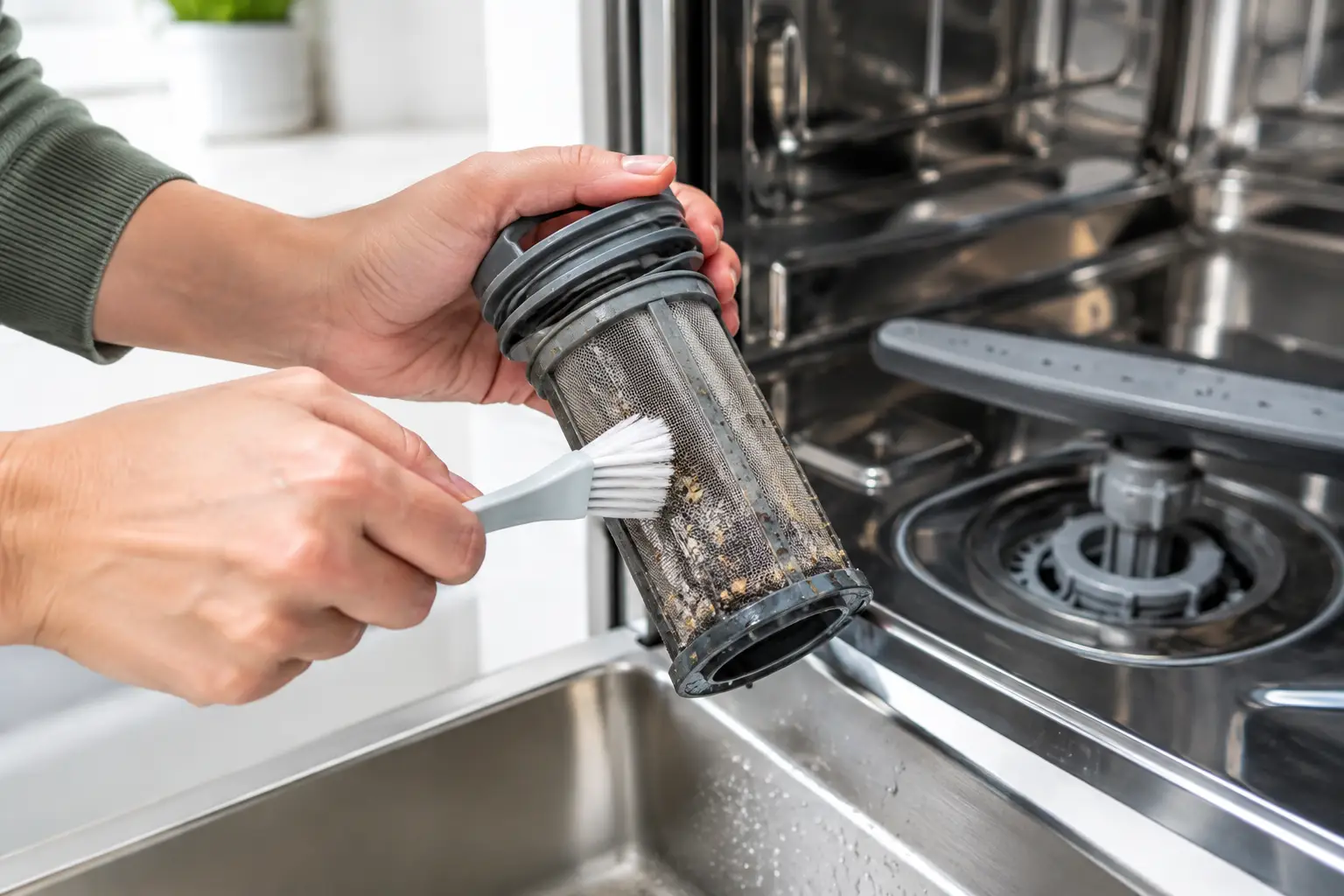
Condenser coils also matter. Depending on the refrigerator model, they may sit behind the unit or near the bottom. Dust and pet hair on the coils make it harder for the system to get rid of heat. After unplugging the refrigerator, carefully vacuum accessible debris with a brush attachment. If the coils are difficult to access or the appliance is still running warm afterward, it is better to schedule service than to force parts or remove panels unnecessarily.
Watch for Signs Your Refrigerator Needs Repair
Food spoilage is often the first visible symptom, but other signs can confirm that something is wrong. Call for service if you notice the refrigerator is warm despite a normal setting, the freezer is thawing food, or temperatures vary widely from shelf to shelf.
Other warning signs include a motor that runs almost constantly, loud clicking or buzzing, frost building up inside the freezer, water pooling under drawers, or a door that will not stay sealed. These problems can become more expensive if ignored. More importantly, they can leave you unsure whether your food has been stored safely.
For homeowners and small business operators, a fast diagnosis can protect more than the appliance. It can prevent the loss of groceries, catering ingredients, employee lunches, or perishable inventory. Fasteny Appliance Repair provides responsive refrigerator repair across Greater Massachusetts, with clear quotes and certified technicians who can identify the cause of cooling problems without guesswork.
Handle Power Outages and Breakdowns Safely
During a power outage, keep the refrigerator and freezer doors closed. An unopened refrigerator generally keeps food cold for about four hours. A full freezer can hold a safe temperature for about 48 hours, while a half-full freezer may hold it for about 24 hours.
Once power returns, check temperatures rather than relying only on appearance or smell. Perishable refrigerated food that has been above 40°F for more than two hours should be discarded. Frozen food that still contains ice crystals or has stayed at 40°F or below may be safe to refreeze, although quality can decline.
If your refrigerator loses cooling without a power outage, move high-risk items to a cooler with ice while you arrange repair. Prioritize raw meat, seafood, dairy, cooked leftovers, and prepared foods. Do not keep opening the malfunctioning refrigerator to check on it, since each opening lets more cold air escape.
A refrigerator should make daily life easier, not turn every grocery trip into a question mark. Set a thermometer inside today, clear the vents, and pay attention to the first signs of uneven cooling. Acting early gives you the best chance to save your food and address a repair before a small problem becomes an urgent breakdown.