
A refrigerator that stops cooling or a dryer that suddenly will not heat puts most homeowners in the same frustrating position: decide quickly, spend wisely, and get life back to normal. The extended warranty versus repair question is not just about the price of a service call. It is about what the plan actually covers, how long approval may take, and whether the appliance still has enough useful life left to justify the investment.
A warranty can provide peace of mind, but it is not a guarantee that every breakdown will be handled quickly or at no cost. In many cases, a professional diagnosis and targeted repair is the clearer, faster path. The right choice depends on the appliance, the failure, the warranty terms, and your household’s need for a working kitchen or laundry room.
Extended Warranty Versus Repair: Start With the Real Coverage
An extended warranty is a service contract purchased after, or alongside, a manufacturer warranty. Plans vary widely. Some cover parts and labor for certain mechanical or electrical failures. Others exclude common wear items, cosmetic damage, improper installation, maintenance-related problems, or failures connected to power surges and plumbing issues.
Before relying on a plan, read the coverage language closely. Check whether there is a deductible or service fee for each visit, whether you must use an assigned service provider, and whether prior authorization is required before work begins. A plan that sounds comprehensive may still leave you paying for a diagnostic visit, uncovered parts, or a second service call.
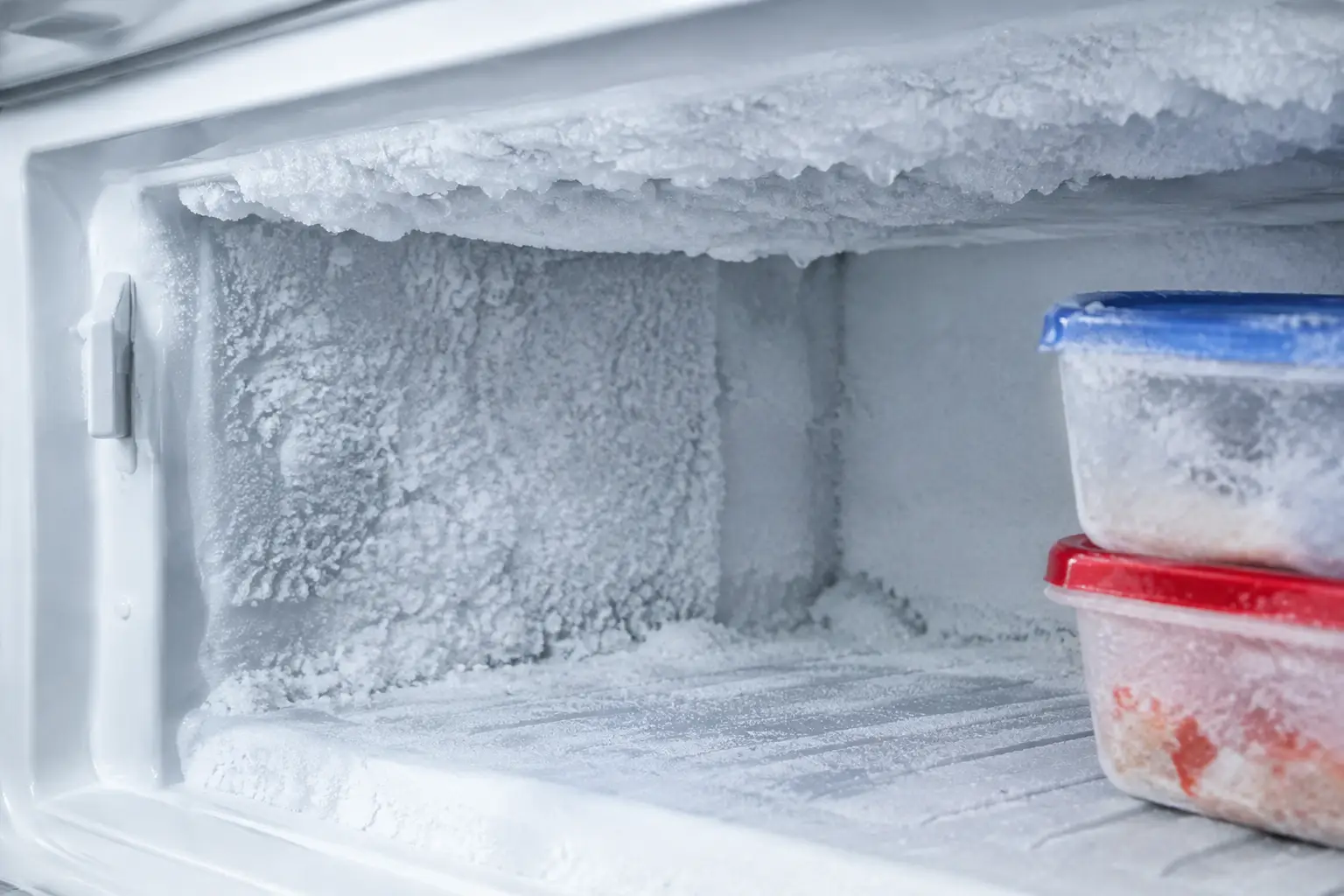
Speed matters, too. If a refrigerator is warm and groceries are at risk, waiting several days for claim approval can be more expensive and stressful than arranging a prompt repair. Homeowners should also ask whether the warranty company authorizes original manufacturer parts, aftermarket parts, or only repairs that fall below a preset limit.
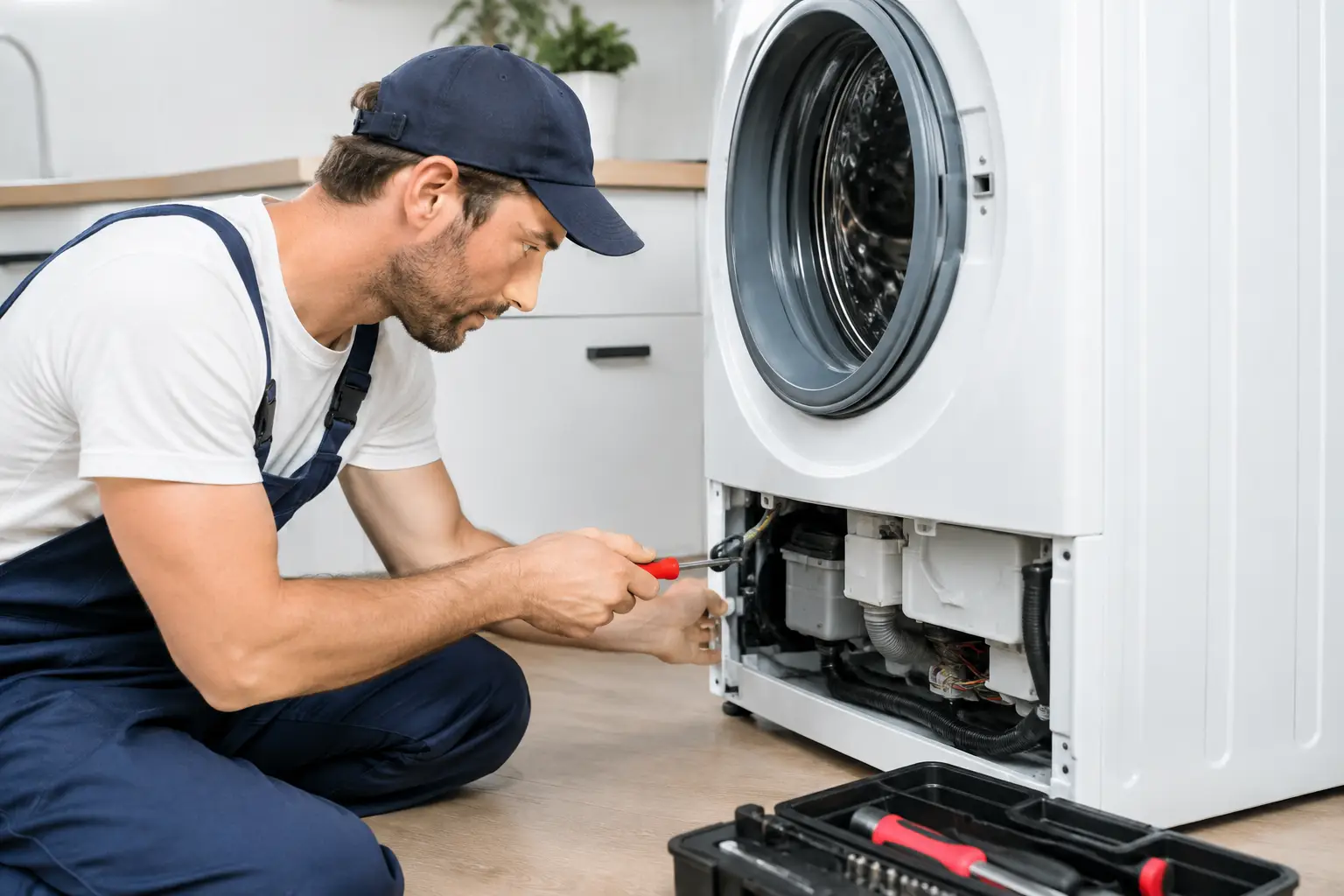
A direct repair appointment is often simpler. A qualified technician diagnoses the actual cause of the problem, explains the repair options, and provides a clear quote before work begins. There is no claim process to navigate and no uncertainty about whether the issue fits a narrow contract definition.
When an Extended Warranty Can Make Sense
An extended warranty may be worth considering when you are buying a high-end appliance with costly electronic controls, compressors, or specialized components. It can also make sense when the plan is reasonably priced, has a low service fee, and provides access to timely, reputable local service.
The value is stronger if the plan covers the period after the manufacturer warranty expires and you expect to keep the appliance for many years. A household with several appliances of the same age may also prefer the predictable budgeting that a well-designed protection plan can offer.
Still, the plan should be evaluated as a financial product, not simply added at checkout. Compare its total cost with the appliance’s reliability record and the typical cost of common repairs. Paying hundreds of dollars for coverage on a dependable midrange dishwasher may not be the best use of your budget, especially if the contract has exclusions and a per-visit fee.
Manufacturer-backed coverage can be easier to verify than some third-party plans, but neither should be assumed to cover every scenario. Keep purchase records, warranty documents, maintenance receipts, and model information in one place. Those details can prevent delays if you ever need to file a claim.
When Professional Repair Is the Better Choice
Repair is usually the practical choice when the appliance is relatively new, the problem is isolated, and replacement would cost significantly more than fixing the unit. A failed door latch, drain pump, heating element, igniter, inlet valve, thermostat, or control component does not automatically mean an appliance has reached the end of its life.
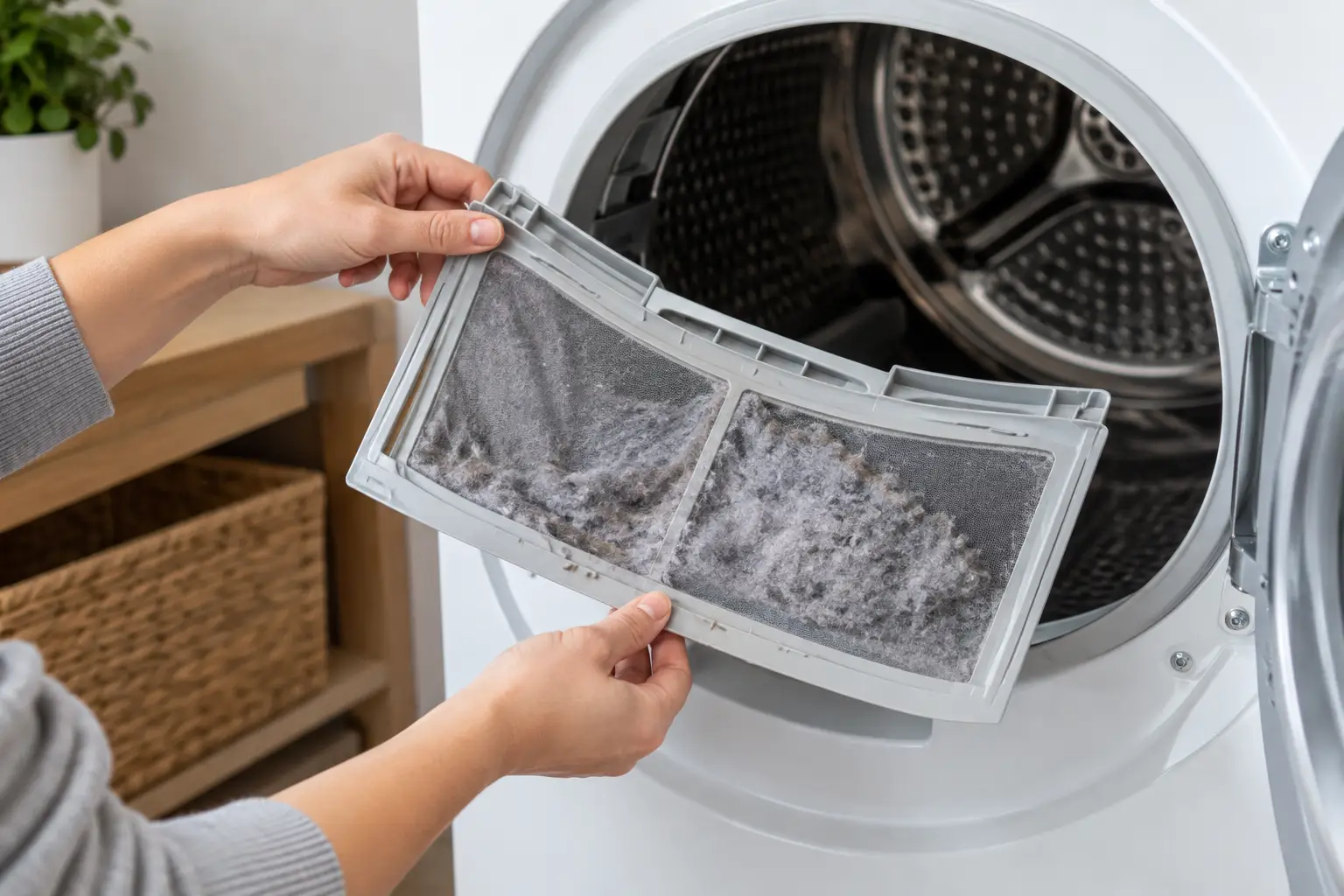
A professional diagnosis is especially valuable because similar symptoms can have very different causes. A dishwasher that will not drain could have a clogged filter, a blocked hose, a failed drain pump, or an electrical issue. A dryer with no heat may need a heating component, but restricted venting can create the same complaint and should be addressed for safety.
The repair decision becomes easier once you have an honest assessment of three things: what failed, what it will cost to correct, and the appliance’s overall condition. A reliable technician should explain whether the repair is likely to restore dependable operation or whether additional age-related issues are likely to follow soon.
For many Greater Massachusetts households, fast service also changes the calculation. A washer full of water, an oven that will not heat before a family gathering, or a refrigerator losing temperature is not a problem most people can postpone while a warranty claim moves through several steps. Fasteny Appliance Repair focuses on clear diagnoses, fair quotes, and same-day or next-day availability when scheduling allows.
Consider Appliance Age, Condition, and Repair Cost
Age is useful, but it is not the only factor. A well-maintained appliance can have years of useful service left, while a newer unit with a major sealed-system failure may be expensive to restore. Brand, model, maintenance history, and availability of replacement parts all matter.
As a general rule, compare the repair quote with the cost of a comparable replacement. If the repair is a modest share of replacement cost and the appliance is otherwise in good condition, repair is often sensible. If the appliance is near the end of its expected lifespan and requires an expensive major component, replacement may deserve serious consideration.
Do not rely on a simple percentage rule alone. Replacing an appliance can bring delivery charges, installation costs, haul-away fees, possible cabinet or utility adjustments, and time spent shopping. A repair that looks close to replacement cost on paper may still be the more convenient choice if it restores a unit you know and trust.
On the other hand, repeated breakdowns are a meaningful warning sign. Two or three unrelated repairs in a short period can indicate that the appliance is becoming less dependable. In that situation, putting more money into another repair may only delay a replacement you will soon need anyway.
Questions to Ask Before You Approve Anything
Whether you are calling a warranty provider or booking repair directly, ask for clear answers. Start with whether the diagnostic fee is applied to the repair, whether parts and labor are guaranteed, and whether the quoted price includes all expected work. If a warranty is involved, ask what documentation is needed and whether you need authorization before a technician begins repairs.
It also helps to ask what caused the failure. Knowing the cause may reveal a preventable issue, such as a clogged dryer vent, overloaded washer, dirty refrigerator condenser area, damaged water line, or hard-water buildup affecting a dishwasher. A good repair visit should solve the immediate problem and give you practical guidance that helps protect the appliance afterward.
Avoid authorizing work based only on a symptom or a guess. Appliance controls, sensors, wiring, motors, and water systems interact in ways that are not always visible from the outside. Accurate diagnosis protects you from replacing the wrong part and paying twice for the same problem.
Do Not Let a Warranty Delay an Urgent Fix
If you have active coverage, contact the provider promptly and follow its process. But when there is a leak, burning smell, sparking, gas odor, or refrigerator temperature concern, safety and damage prevention come first. Turn off the appliance when appropriate, shut off water or gas if you can do so safely, and arrange professional help.
For non-emergency issues, weigh the likely out-of-pocket repair cost against the warranty service fee, paperwork, and wait time. Sometimes the plan pays off. Other times, a transparent local repair quote gives you more control and gets the appliance running sooner.
A broken appliance should not force a rushed decision. Get the facts, understand the warranty limits, and choose the option that delivers dependable results for your home. The best outcome is not simply the lowest immediate price – it is a repair or replacement decision you can feel confident about once the kitchen or laundry room is working again.