A dryer that takes two or three cycles to dry a normal load is more than an inconvenience. It may be telling you that heat and airflow are no longer working safely. Can dryers catch fire? Yes. Dryer fires are a real household risk, and lint buildup, restricted venting, and failing electrical or mechanical parts are common reasons.
The good news is that most dryer fire risks give warning signs before they become an emergency. Regular cleaning, proper installation, and prompt repair when the machine starts acting differently can protect your home, rental property, or business laundry area.
Can Dryers Catch Fire From Lint?
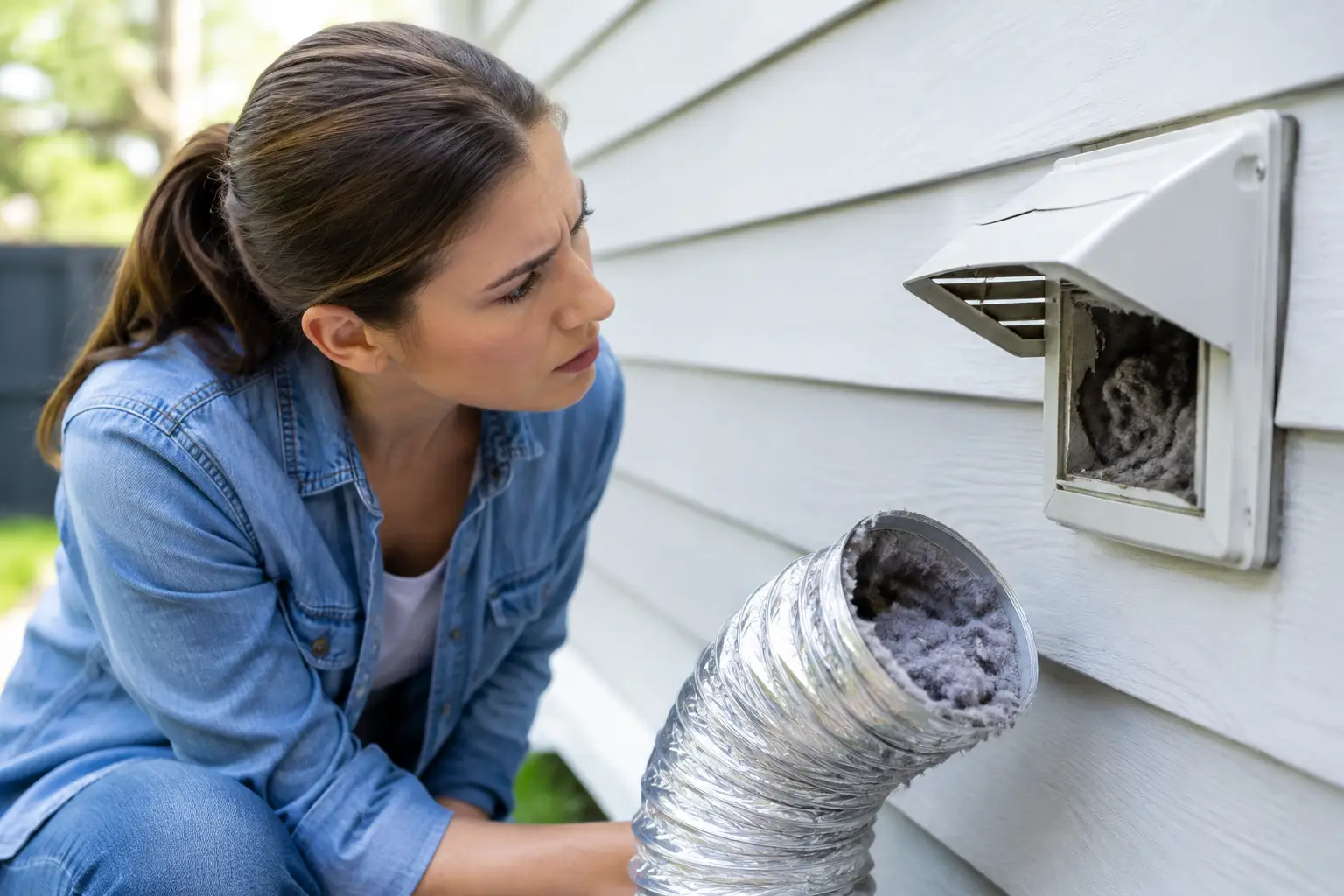
Lint is highly flammable, which is why it is so often associated with dryer fires. Every load sheds fibers from clothing, towels, and bedding. The lint screen catches a large portion, but it does not catch everything. Fine lint can pass through the screen and collect in the exhaust duct, around the blower housing, behind the dryer, and outside at the vent hood.
A clogged vent does not always ignite on its own. The larger issue is that restricted airflow makes the dryer run hotter and longer. If lint has accumulated near a heating element, burner, motor, or electrical connection, that excess heat can create a dangerous situation.
Cleaning the lint screen after every load is essential, but it is not the whole job. A screen that looks clean may also develop a thin film from dryer sheets or fabric softener. That film restricts airflow through the mesh. Wash the screen periodically with warm water, mild dish soap, and a soft brush, then let it dry fully before reinstalling it.
The Most Common Dryer Fire Causes
Lint buildup is the best-known cause, but a dryer can overheat or ignite for several different reasons. Finding the actual cause matters because cleaning the vent alone will not repair a damaged component.
Blocked or poorly installed vent ducts
The exhaust duct needs a clear, short path to the outdoors. Crushed flexible ducting, too many turns, disconnected sections, bird nests at the exterior hood, and lint-packed ducts all prevent hot, moist air from escaping. Long vent runs are especially common in condos, apartments, and commercial spaces, where the duct may travel through walls or ceilings before reaching outside.
Use rigid or semi-rigid metal ducting where appropriate. Plastic or foil-style accordion ducts can sag, trap lint, and deteriorate from heat. The exterior vent flap should open freely while the dryer is running. If it barely moves, or if you can feel little airflow outside, the vent system needs attention.
Heating element or gas burner problems
In an electric dryer, a damaged heating element can overheat, short against its housing, or remain energized when it should cycle off. In a gas dryer, burner assembly issues, failed sensors, or ignition problems can lead to abnormal heating. Either type of dryer can become unsafe if it is producing more heat than the controls are designed to manage.
Do not keep using a dryer that smells like burning dust, rubber, plastic, or electrical wiring. A brief dusty smell can occur after a machine has been unused for a long time, but a persistent or sharp odor is a reason to stop the cycle and arrange professional diagnosis.
Failing thermostats, fuses, or control parts
A dryer relies on temperature sensors, thermostats, and thermal safety devices to prevent overheating. When one of these parts fails, the dryer may get excessively hot, shut down mid-cycle, blow a thermal fuse, or continue operating with poor temperature control.
A thermal fuse is not a repair to treat as a simple reset. When it blows, it often indicates an airflow restriction or overheating issue that needs to be found first. Replacing the fuse without correcting the root cause can lead to another failure and leave the safety concern unresolved.
Electrical connection and motor issues
Loose wiring, worn terminals, damaged power cords, and failing motors can generate heat inside the cabinet. You may notice a buzzing sound, a burning electrical smell, a dryer that trips the breaker, or a drum that struggles to turn. Overloading the dryer can also strain the motor and reduce airflow through the load.
For gas dryers, a gas smell requires immediate action. Stop using the appliance, avoid switches or flames near the area, leave the space if the odor is strong, and contact your gas utility or emergency services as appropriate. A gas leak is not a dryer repair to postpone or investigate yourself.
Warning Signs Your Dryer Needs Service
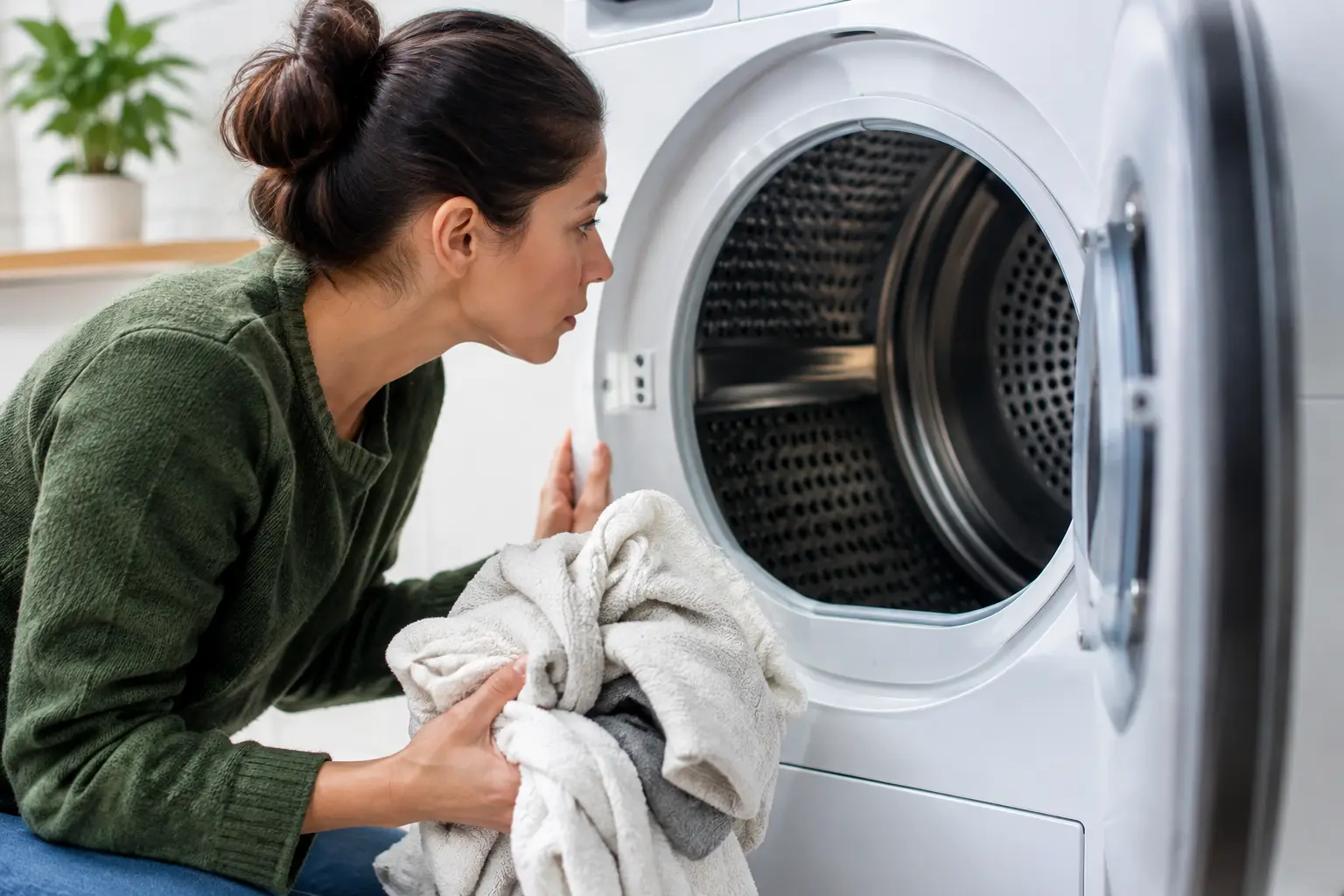
A dryer fire is rarely the first symptom. Pay attention when a familiar appliance begins behaving differently. Clothes that stay damp after a normal cycle, a dryer cabinet that feels unusually hot, a hot laundry room, or a burning odor can all point to restricted airflow or overheating.
Other signs include a cycle that runs much longer than usual, little air coming from the outside vent, lint gathering around the dryer or exterior hood, repeated tripped breakers, squealing or scraping noises, and a drum that stops turning while the unit still hums. None of these signs automatically means a fire is imminent, but each deserves a timely inspection.
If you see smoke or flames, stop the dryer if you can do so safely, get everyone out of the home or building, and call 911. Do not reopen the dryer door to check the load. Opening it can introduce oxygen and intensify a fire. Do not use the appliance again until it has been inspected and repaired.
How to Reduce Dryer Fire Risk
Small habits make a meaningful difference. Clean the lint screen before or after every load, and never run the dryer with the screen removed. Keep the area around the machine clear of cardboard, paper, cleaning supplies, clothing piles, and other combustible materials.
Avoid overloading the drum. Large loads restrict tumbling and airflow, forcing the dryer to work harder. Wash heavily soiled clothing separately and follow garment care instructions, particularly for items exposed to oils, solvents, gasoline, or other flammable substances. Even after washing, these residues can remain hazardous when exposed to high dryer heat.
Inspect the visible vent connection behind the dryer a few times each year. It should not be crushed when the appliance is pushed back into place. Outside, remove lint from the vent hood and make sure the flap is not blocked by debris, snow, or landscaping. Households with frequent laundry use, pets, large families, or long vent runs may need professional vent cleaning more often than households with lighter use.
Never leave a dryer running when no one is home or while everyone is asleep. Modern dryers have safety features, but no appliance is risk-free when an overheating problem begins unnoticed. If your dryer is older, has a history of repairs, or requires multiple cycles to dry clothes, an inspection is usually less costly than waiting for a complete failure.
When a Dryer Repair Is the Safer Choice
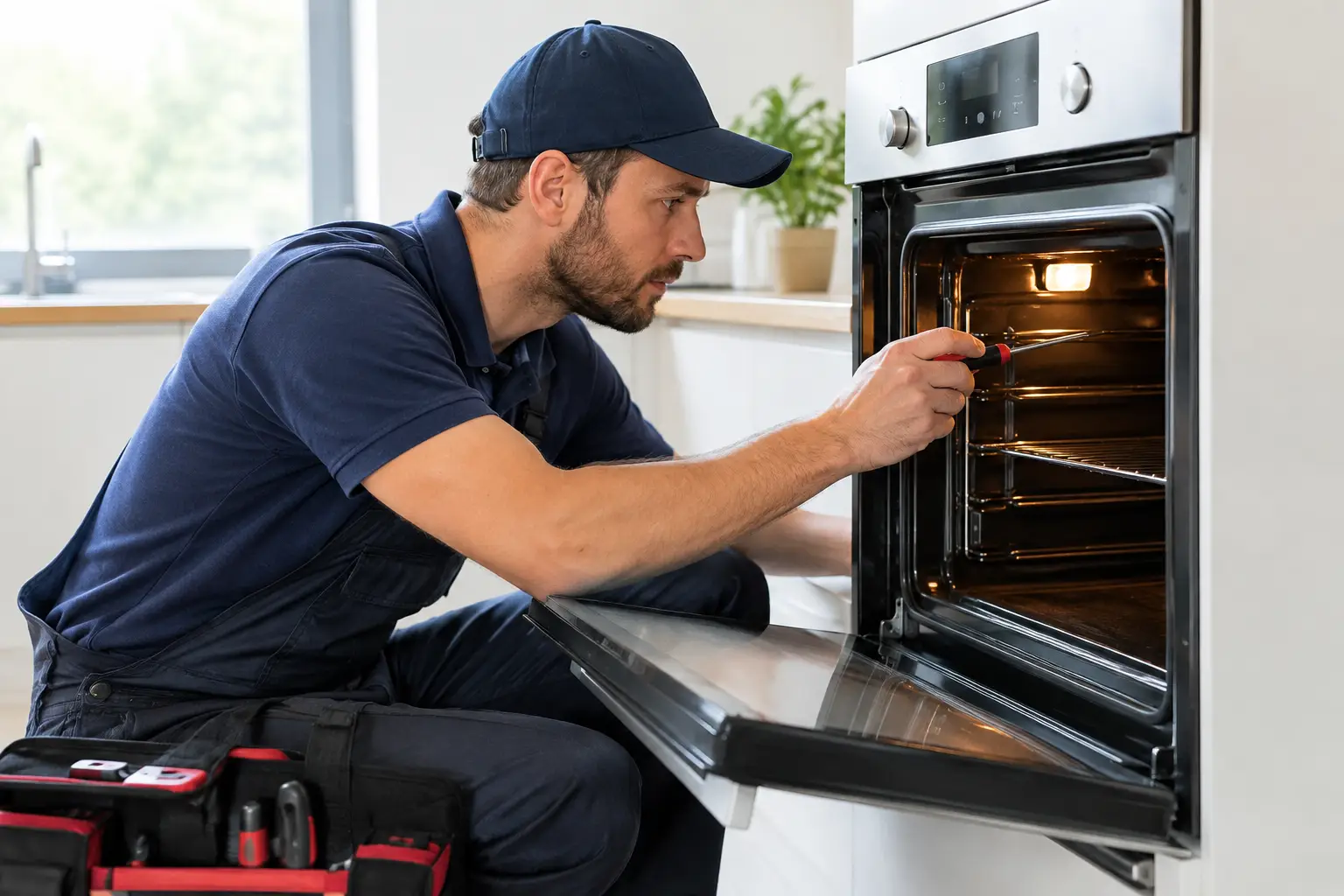
Some maintenance tasks are straightforward, such as cleaning the lint screen and clearing visible lint from the exterior vent cover. Diagnosing a heater circuit, replacing a thermostat, repairing internal wiring, or servicing a gas burner is different. These repairs involve high voltage, heat, moving parts, and, in some models, gas connections.
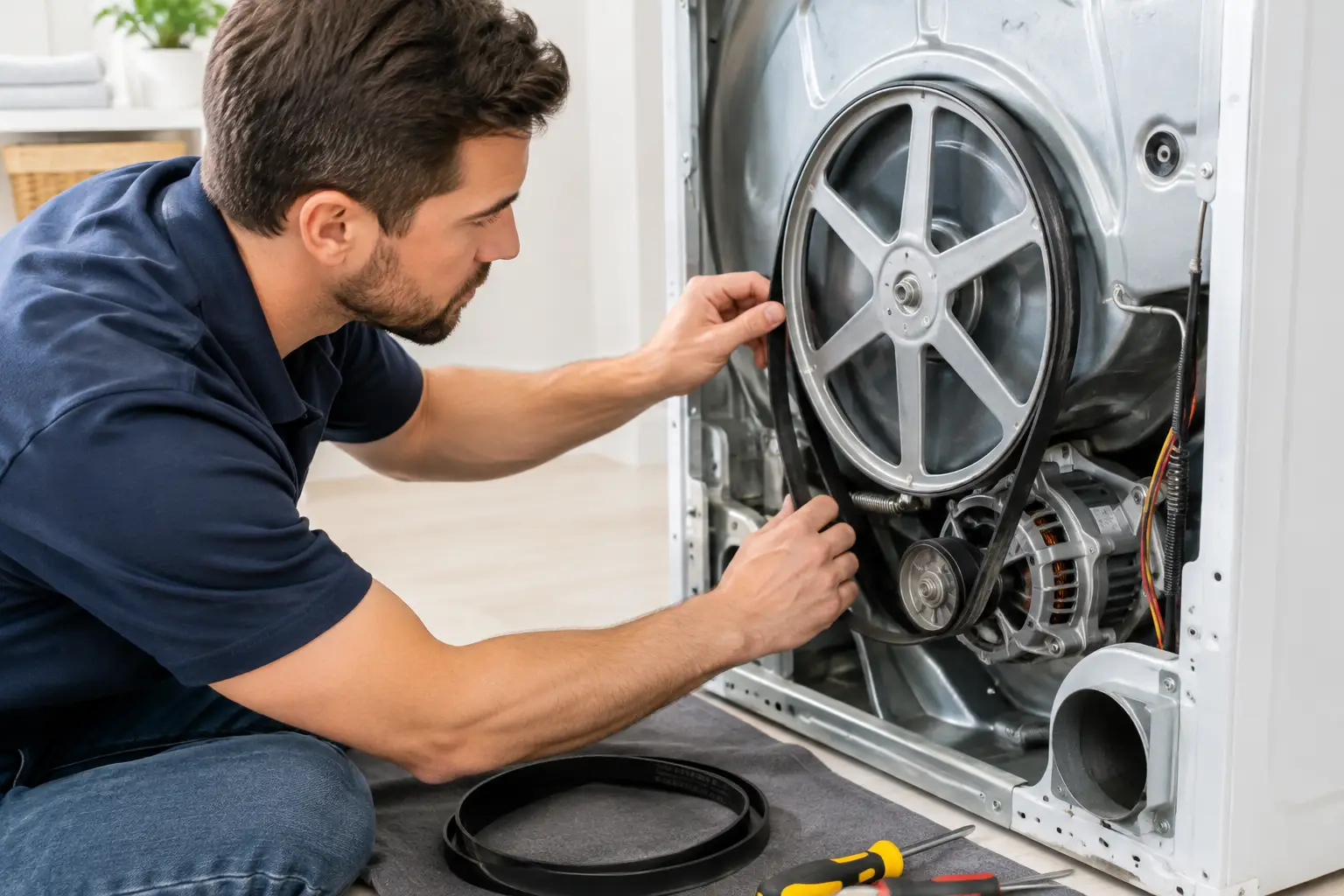
A qualified technician can determine whether the issue is a blocked vent, a worn belt or motor, a failed heating component, or a control problem. That distinction prevents unnecessary parts replacement and helps ensure the dryer is operating at the correct temperature once the repair is complete.
For homeowners and local businesses across Greater Massachusetts, Fasteny Appliance Repair provides prompt dryer diagnosis with clear quotes and repairs focused on the actual cause of the problem. If your dryer is overheating, taking too long to dry, making unusual noises, or producing a burning smell, stop using it and schedule service before the next load turns a manageable repair into a serious safety issue.