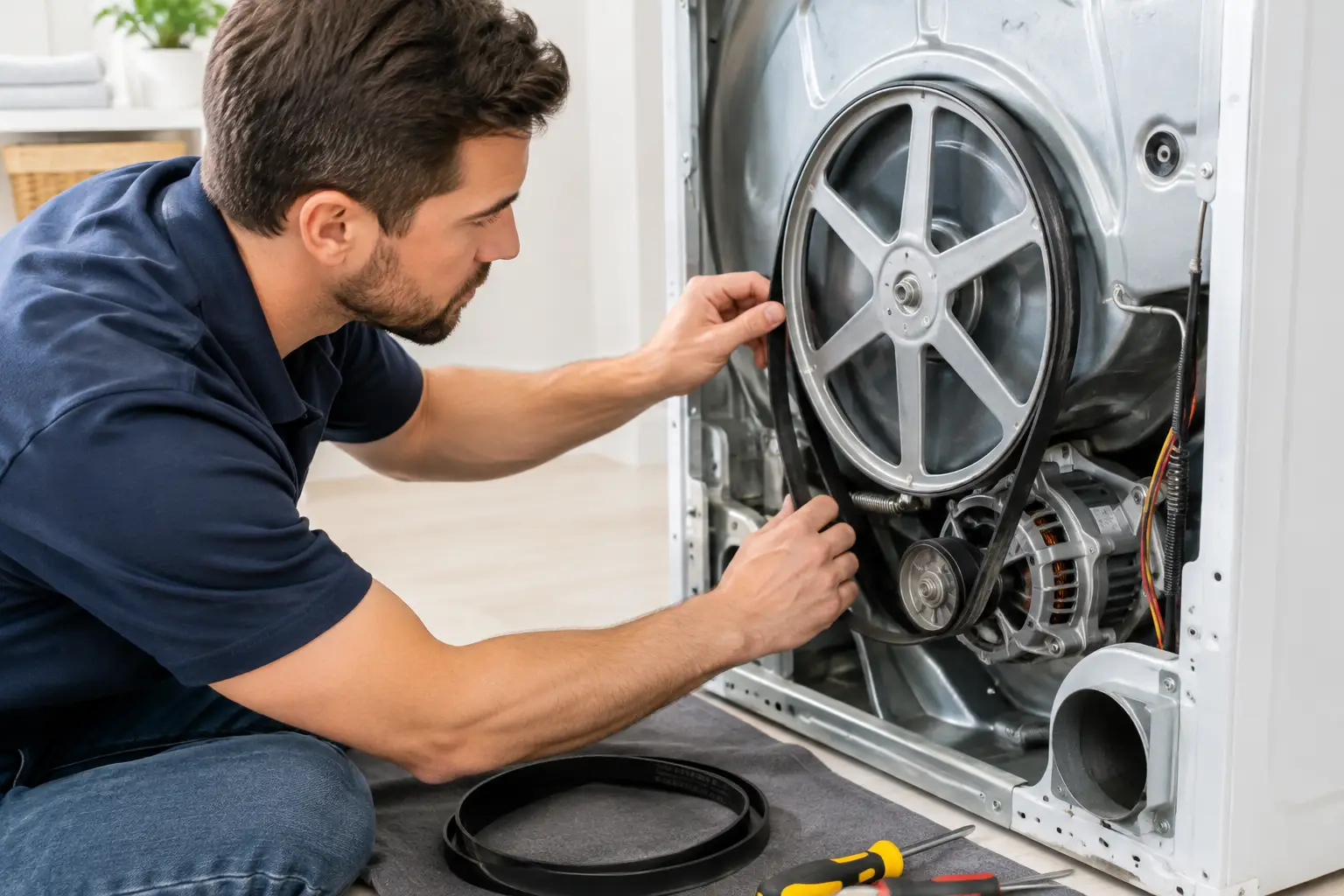

A dryer that needs a second cycle may seem like a minor inconvenience, but it is often one of the best dryer vent warning signs a homeowner can catch early. When hot, moist air cannot leave the home efficiently, your dryer works harder, utility costs rise, and lint buildup can become a serious fire risk. The good news is that warning signs are usually noticeable well before a complete breakdown.
Best Dryer Vent Warning Signs Homeowners Should Not Ignore
A dryer vent problem can come from lint buildup, a crushed or disconnected vent hose, an exterior vent flap that will not open, or a vent run that is too long for the appliance. In some cases, the dryer itself has a heating, blower, sensor, or electrical issue that looks similar to a blocked vent.
That is why the symptoms matter. They help you recognize when the problem deserves prompt professional attention rather than another load of laundry.
Clothes Take More Than One Cycle to Dry
The clearest warning sign is clothing that remains damp after a normal cycle. Towels, jeans, bedding, and other heavy items naturally take longer than lightweight clothing, but they should not require repeated cycles every time you do laundry.
A restricted vent traps humid air inside the drum. The dryer may still produce heat, but the moisture has nowhere to go. Running extra cycles can overwork the appliance, shrink or damage fabrics, and increase your electric or gas bill.
Before assuming the vent is the issue, avoid overloading the drum and clean the lint screen. If drying performance is still poor with ordinary-sized loads, it is time to have the airflow and dryer operation checked.
The Dryer or Laundry Room Feels Unusually Hot
A dryer will give off some warmth during use. It should not make the top of the appliance scorching hot or turn a small laundry area into an uncomfortably hot room. Excess heat is a common sign that hot exhaust air is backing up instead of moving through the vent line and outside.
This symptom deserves quick action, especially if it comes with long dry times. High operating temperatures put added stress on thermostats, heating components, belts, and the motor. More importantly, heat combined with accumulated lint creates conditions no homeowner should ignore.
Turn the dryer off and let it cool if it seems excessively hot. Do not continue running load after load while hoping the issue clears on its own.
A Burning, Musty, or Unusual Smell Appears
A burning smell during a drying cycle can mean lint is overheating near the exhaust path or inside the dryer cabinet. It can also point to an electrical or mechanical problem, such as a failing motor or damaged wiring. Either way, stop using the dryer until the source is identified.
A musty smell is less urgent but still worth addressing. It may mean moist air is lingering in the dryer or vent system, particularly when a load sits damp for too long. If the dryer vent has separated behind the machine or in a wall or ceiling space, humidity can also affect nearby materials.
Do not use air fresheners or dryer sheets to cover an odor. The smell is a symptom, not the problem.
The Exterior Vent Flap Does Not Open
When the dryer runs, walk outside and look at the exterior vent hood. You should feel a steady flow of warm air, and the flap should open freely. Weak airflow, no airflow, or a flap that stays closed suggests a blockage, a stuck damper, or a disconnected duct.
Outdoor vents can collect lint, leaves, pest nesting materials, snow, or ice during Massachusetts winters. Screens installed over dryer vents may also catch lint quickly. While homeowners may be able to remove visible debris around the exterior hood, reaching deep into a vent line without the proper equipment can compact lint or damage flexible ducting.
Lint Builds Up Faster Than Usual
Cleaning the lint screen before every load is a basic safety habit. Still, a clean screen does not prove the full vent system is clear. Fine lint passes through the screen and can collect in the hose, wall duct, elbows, and exterior termination point.
If you notice lint around the dryer door, behind the appliance, or near the outside vent, the system may have an airflow issue. Lint around the dryer can also indicate a torn lint screen or a loose exhaust connection. Both need attention because lint is highly combustible.
The Dryer Shuts Off Before the Cycle Ends
Modern dryers may stop or reduce heat when they detect overheating. This safety response can prevent more serious damage, but it does not fix the underlying cause. A dryer that shuts down mid-cycle, trips a breaker, or displays an error code needs a proper diagnosis.
A blocked vent is one possible cause, but it is not the only one. Failed thermal fuses, heating elements, control boards, gas ignition components, and motors can produce similar symptoms. Replacing a part without checking airflow first can lead to another service call and an unnecessary expense.
There Is Moisture, Condensation, or Mold Near the Dryer
Moisture on windows, walls, floors, or the back of the dryer is not normal. It can happen when warm, humid exhaust air leaks from a loose vent connection or cannot exit the home. Over time, that moisture can encourage mold growth and affect drywall, flooring, or cabinetry around the laundry area.
This is particularly concerning in laundry closets, basements, and interior utility rooms with limited ventilation. If you see water or condensation, stop using the dryer until the vent connection and appliance are inspected.
When a Dryer Vent Problem Becomes Urgent
Some symptoms call for same-day attention rather than waiting for a convenient opening. Stop using the dryer and arrange professional service if you smell burning, see smoke, find scorched lint, notice the appliance overheating, or hear unusual scraping, buzzing, or grinding sounds.
The same applies when the dryer repeatedly trips a breaker or gas dryer operation seems irregular. A vent obstruction may be part of the problem, but electrical and gas-related concerns should be diagnosed by a qualified technician. Continuing to operate the appliance can turn a manageable repair into damage to the dryer, the home, or both.
Why Cleaning the Lint Screen Is Not Enough
The lint screen protects the dryer, but it is only the first line of defense. Lint that escapes the screen moves into the exhaust system, where bends and long duct runs can slow airflow. Flexible foil or plastic-style vent materials are especially likely to sag, tear, or collect lint and should not be treated as a long-term solution.
A professional inspection can identify whether the issue is a clogged duct, poor vent routing, a crushed transition hose, an exterior damper problem, or a dryer component failure. That distinction matters. Vent cleaning alone will not repair a failing heating element, and a new dryer part will not solve a blocked exhaust path.
For homeowners, landlords, and local business operators, the practical goal is simple: restore safe airflow and avoid paying for repeated dry cycles or avoidable appliance damage.
How to Reduce Dryer Vent Trouble Between Service Visits
A few habits make a meaningful difference. Clean the lint screen before every load, and wash it occasionally with warm water and mild soap if it has a residue from dryer sheets or fabric softener. A screen can look clean while a thin film limits airflow.
Keep the area behind and around the dryer free of lint, boxes, and stored items. Avoid pushing the appliance tightly against the wall, since that can crush the vent hose. Once in a while, check that the exterior flap opens during operation and that debris is not blocking it.
How often a vent needs professional cleaning depends on how frequently the dryer runs, the length and shape of the vent route, household size, and whether the appliance handles pet bedding, towels, or commercial laundry. A busy household may need attention more often than a lightly used guest-room dryer.
If your dryer is taking longer to dry, running too hot, or producing an odor, do not wait for a total failure. Fasteny Appliance Repair helps customers across Greater Massachusetts identify dryer and vent-related problems with clear diagnosis, fair quotes, and service focused on getting the appliance working safely again. Acting on an early warning sign is often the simplest way to protect your dryer, your energy budget, and your home.