A refrigerator that suddenly stops cooling can turn a normal day into a race against spoiled groceries, melted freezer food, and a disrupted household. Before making a rushed purchase, consider the refrigerator repair alternatives that fit your appliance’s condition, your budget, and how quickly you need reliable cooling restored.
The right answer is not always replacement. Many common refrigerator problems come from parts that can be diagnosed and repaired without replacing the entire unit. On the other hand, an aging refrigerator with a major sealed-system failure may cost more to restore than it is worth. A clear diagnosis is the starting point for making a confident decision.
Refrigerator Repair Alternatives: Start With the Actual Problem
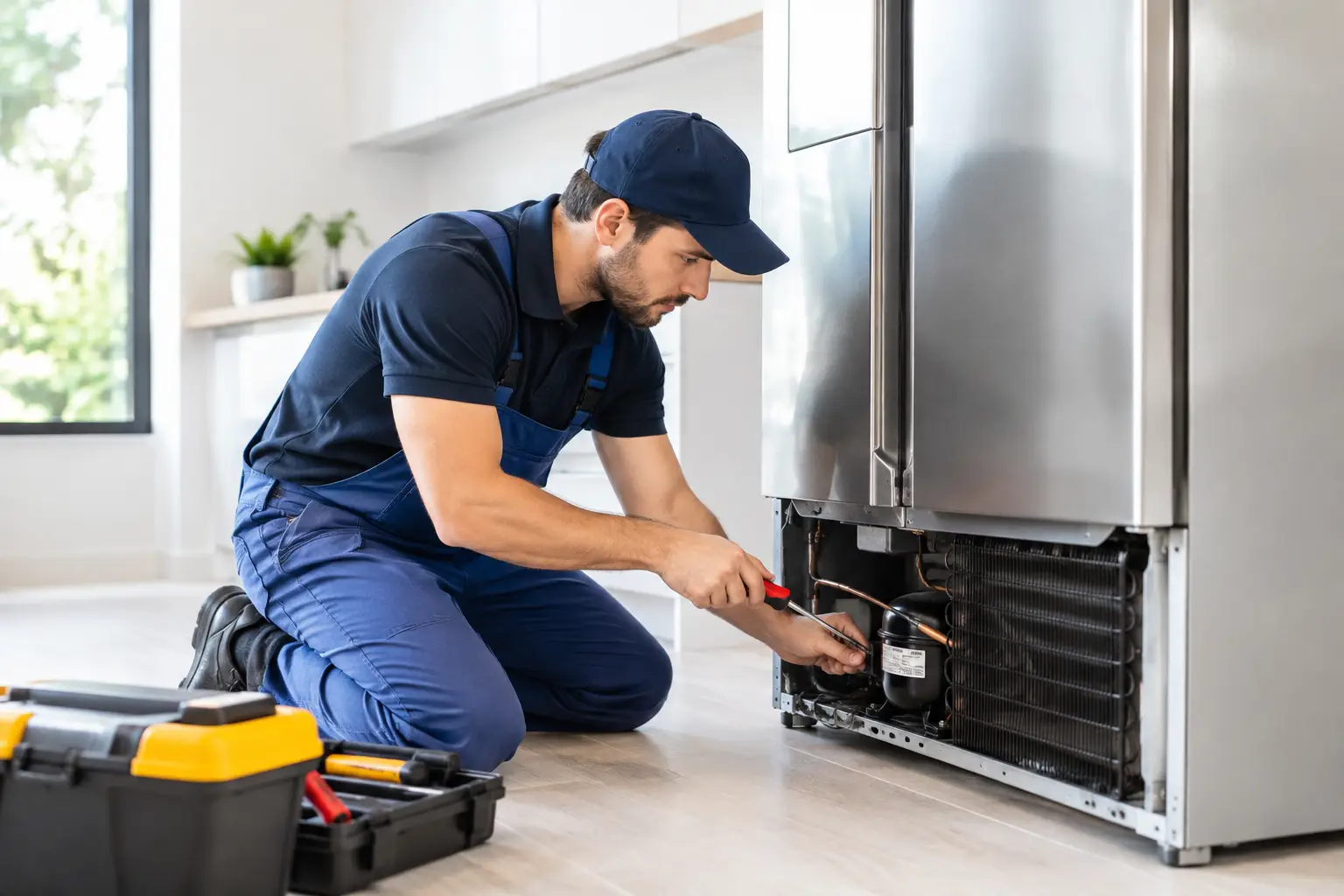
A refrigerator can appear completely dead when the issue is limited to one component. A faulty start relay, evaporator fan motor, door gasket, thermostat, defrost part, or clogged drain line can cause poor cooling, excess frost, leaking, or unusual noises. These repairs are often more practical than buying a new refrigerator, especially when the appliance is otherwise in good condition.
The key is separating a repairable part failure from a larger mechanical problem. If the refrigerator is running but not cooling, for example, the cause could range from a simple airflow issue to a compressor or refrigerant-system concern. Those are very different repairs with very different costs.
A professional diagnosis helps prevent two expensive mistakes: replacing a refrigerator that could have been fixed affordably, or approving a major repair on a unit that is already near the end of its useful life. Ask for a clear explanation of the failed part, the repair cost, and whether the technician sees signs of additional wear.
When Repair Is Usually the Better Choice
Repair often makes sense when the refrigerator is under 10 years old, has been dependable, and needs a single identifiable part. It can also be the better route when the refrigerator is built into cabinetry, matches other kitchen appliances, or has a size that would be difficult to replace.
For business owners, repair may be especially valuable when a replacement unit would require changes to a counter opening, electrical setup, or delivery access. A restaurant prep refrigerator, office break-room unit, or rental property appliance can create immediate disruption, so a prompt repair may protect both inventory and operations.
Consider repair if the problem involves normal wear items, such as a broken ice maker component, worn door seals, failing fans, sensors, switches, or defrost-system parts. These issues can be inconvenient, but they do not automatically mean the refrigerator itself is finished.
Age still matters, but it is not the only factor. A well-maintained 12-year-old refrigerator with a modest repair need may be a smarter investment than a newer unit with a complex issue. The best decision depends on the appliance’s history, not just the number on its serial label.
Repair Cost Versus Replacement Cost
A useful rule of thumb is to compare the proposed repair with the cost of a comparable new refrigerator, not simply the least expensive model available. If a repair approaches half the cost of a suitable replacement, pause and consider the unit’s age, expected remaining life, and energy use.
That rule is not absolute. A repair slightly above that range can still be reasonable for a premium, built-in, or specialty-size refrigerator. Conversely, a lower-cost repair may not be worthwhile if the appliance has repeated breakdowns, rust, damaged shelves, door problems, or a history of cooling failures.
When Replacing the Refrigerator May Be Smarter
Replacement becomes more attractive when the compressor, sealed system, or refrigerant circuit has failed in an older refrigerator. These repairs can be labor-intensive and may not address other aging components that could fail later. A new unit may offer better energy efficiency, a manufacturer warranty, and fewer immediate maintenance concerns.
You may also want to replace a refrigerator if it is too small for your household, does not fit your current kitchen needs, or has recurring food-temperature problems. A refrigerator that cannot maintain safe temperatures is not merely inconvenient. It can lead to food waste and health concerns.
Before purchasing, measure carefully. Confirm the width, depth, height, door swing, hallway clearance, and delivery path. Counter-depth and standard-depth models can look similar online while requiring very different clearances in a real kitchen. If you are replacing a built-in unit, verify ventilation requirements as well.
Avoid choosing solely based on a sale price. Consider usable storage, reliability history, repair-part availability, ice maker complexity, and whether the finish will work with your kitchen. The lowest upfront cost is not always the lowest cost over several years.
Temporary Options While You Decide
You do not always need to make a permanent decision the same day the refrigerator fails. If a repair diagnosis or replacement delivery will take time, temporary cooling can protect your food and reduce stress.
For a short disruption, move essentials to a cooler packed with ice or frozen gel packs. Keep the lid closed as much as possible and use a thermometer if you have one. Perishable food should stay at 40 degrees Fahrenheit or below. A refrigerator that has been above that temperature for more than two hours may no longer be safe for foods such as meat, dairy, cooked leftovers, and cut produce.
If you have a garage refrigerator, chest freezer, or a neighbor willing to help, transfer food quickly and group items together to hold temperature longer. A temporary refrigerator rental can be worth considering for extended repairs, remodeling projects, or small businesses that need uninterrupted cold storage.
Do not rely on opening and closing a failing refrigerator throughout the day to check whether it has recovered. Every door opening releases cold air and makes it harder to preserve food. Keep the doors closed until you know whether the unit is cooling properly.
Can You Repair It Yourself?
Some refrigerator issues are safe for homeowners to check. You can confirm that the appliance is plugged in, verify that the circuit breaker has not tripped, clear food away from interior air vents, clean visible dust from the condenser area when accessible, and inspect the door gasket for tears or gaps.
Beyond that, refrigerator repair can become technical quickly. Electrical components, sharp metal panels, water lines, and sealed refrigeration systems all create risks. Refrigerant work and compressor diagnosis should be handled by qualified technicians. Replacing parts without confirming the root cause can add cost and leave the original problem unresolved.
If the refrigerator is leaking near electrical connections, making clicking sounds without cooling, tripping a breaker, smelling burnt, or showing signs of overheating, turn it off if it is safe to do so and arrange professional service. These symptoms deserve prompt attention.
Questions That Lead to a Better Decision
When comparing refrigerator repair alternatives, ask whether the estimate includes parts, labor, and any service fees. Find out whether the repair carries a warranty and whether the technician believes another major component is likely to fail soon. You should also ask how long the repair will take and whether the needed part is available.
For replacement, compare the full cost of the appliance, delivery, installation, haul-away, and any modifications needed for the space. Those details can significantly change the difference between repairing and replacing.
A trustworthy service company should give you a straightforward recommendation, even when replacement is the more sensible choice. The goal is not to push a repair at any cost. It is to restore dependable refrigeration with a solution that makes financial and practical sense for your home or business.
For Greater Massachusetts households and local businesses, Fasteny Appliance Repair can help identify the problem clearly and explain the options before you commit. Whether the right next step is a targeted repair or a replacement plan, a prompt diagnosis gives you back control when a refrigerator failure disrupts the day.