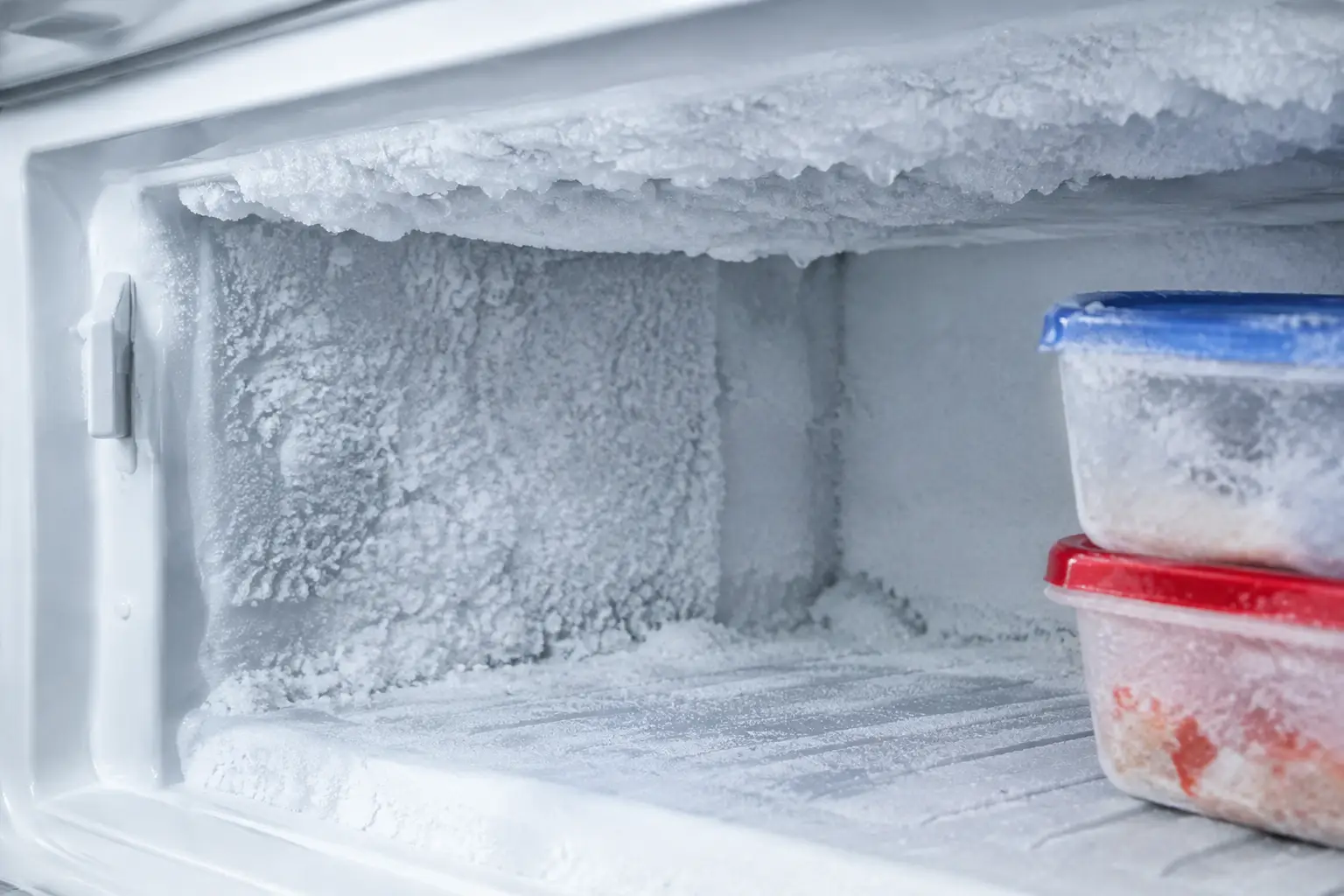
A light coating of frost can be normal in some freezers. Thick, recurring frost on the walls, shelves, food packages, or door frame is different. If you are asking, “why does freezer frost build up,” the short answer is that warm, humid air is getting inside and freezing before the appliance can remove that moisture properly.
That frost is more than a cosmetic problem. It can make drawers hard to open, reduce usable storage space, interfere with airflow, and force the refrigerator to work harder to maintain safe temperatures. For Massachusetts homeowners and business owners, finding the cause early can help prevent a larger refrigerator repair.
Why Does Freezer Frost Form?
Air always contains some moisture. Each time warm kitchen air enters a cold freezer, the moisture in that air condenses and freezes on the coldest surfaces. This is especially noticeable during humid weather, after frequent door openings, or when groceries are loaded into the freezer while still warm.
Most modern frost-free refrigerators are designed to handle small amounts of moisture. Their automatic defrost system periodically melts frost from the evaporator coils, then sends the water through a drain tube to a pan beneath the refrigerator. When too much moist air enters or a component in that system fails, frost begins to accumulate where it should not.
A manual-defrost chest freezer is an exception. These models naturally develop frost over time and require periodic defrosting. Even then, rapid buildup or a heavy layer returning soon after defrosting usually points to excess air leakage or a door that is not sealing correctly.
The Most Common Causes of Freezer Frost
The door gasket is dirty, damaged, or not sealing
The flexible rubber seal around the freezer door is called a gasket. Its job is simple: keep warm, humid air out. If it is torn, flattened, loose, coated with food residue, or blocked by an overfilled drawer, the door may look closed while still allowing air to enter.
Check the gasket for cracks, gaps, and hardened sections. Wipe it with warm water and mild dish soap, then dry it thoroughly. Also inspect the door shelves and freezer contents. A box or bag pressing against the door can create a small opening that produces a surprising amount of frost.
A quick paper test can help. Close the door on a sheet of paper and gently pull. There should be resistance around the entire perimeter. If the paper slides out easily in one area, the gasket or door alignment may need professional attention.
The freezer door is opened often or left ajar
Repeated door openings add moisture, especially when people stand in front of the freezer deciding what to make for dinner. A door left slightly open overnight can create extensive frost by morning.
This does not mean you need to avoid using your freezer. It simply helps to organize it so items are easy to find, close the door firmly, and avoid holding it open while unloading groceries. For a busy household or small business, these habits can make a noticeable difference.
Warm or uncovered food is adding moisture
Steam from warm leftovers becomes frost once it reaches freezer temperatures. Let cooked food cool to room temperature briefly before freezing it, but do not leave perishable foods out for more than two hours. Use tightly sealed containers or freezer-safe bags to limit moisture release and protect food quality.
Poorly wrapped food can also collect frost directly on its packaging. That is often freezer burn, which affects texture and flavor, rather than a sign that the appliance itself has failed. Still, widespread frost on the freezer walls is a separate issue worth investigating.
The defrost system is not working
In a frost-free refrigerator, a failed defrost system is a common reason for heavy ice buildup. The issue may involve the defrost heater, defrost thermostat, temperature sensor, control board, timer on older models, or wiring. When the evaporator coils become packed in ice, cold air cannot circulate correctly.
You may first notice that the freezer is cold but the fresh-food section is getting warm. In other cases, the refrigerator runs constantly, makes unusual fan noises, or develops frost along the rear interior panel. These symptoms usually require a technician to test the components safely and identify the actual failed part.
A blocked defrost drain is causing ice and frost
During a defrost cycle, melted ice should travel through a drain opening and tube. If that path is blocked by debris or frozen over, water can refreeze inside the freezer. You may see a sheet of ice under the bottom drawer, water leaking onto the floor, or ice building along the back wall.
A blocked drain can sometimes be cleared, but it is easy to damage interior components or miss the reason it froze in the first place. If the problem returns after a full defrost, the drain system should be inspected.
Temperature or airflow settings are off
A freezer should generally stay at 0°F. Setting it far colder will not solve a sealing or defrost issue, and it can make frost formation worse in some situations. A faulty temperature control or sensor can also cause the freezer to run longer than necessary.
Airflow matters as well. Overpacking can block vents, while an empty freezer loses cold air quickly when the door opens. Aim for a reasonably full freezer with enough space around interior vents for air to move. Do not place packages directly against the rear panel if your model uses it for airflow.
What You Can Do Before Scheduling a Repair
Start by confirming the door closes fully and the gasket is clean. Remove anything preventing the door from shutting, and make sure the refrigerator is level enough for the door to close as designed. Check the temperature setting and use an appliance thermometer if you suspect the display is inaccurate.
If frost is already thick, a complete manual defrost may be necessary. Move food to a cooler with ice, unplug the appliance, leave the doors open, and place towels around the base to catch water. Never chip ice away with a knife, screwdriver, or other sharp object. One puncture can damage a refrigerant line or interior liner and turn a manageable repair into a much larger problem.
Do not use an open flame or high-heat device to melt ice. Allowing the freezer to thaw naturally is the safest approach. Once it is dry, restart it and watch for renewed frost over the next several days. If frost returns quickly, the cause is likely more than a one-time door opening.
When Freezer Frost Means You Need a Technician
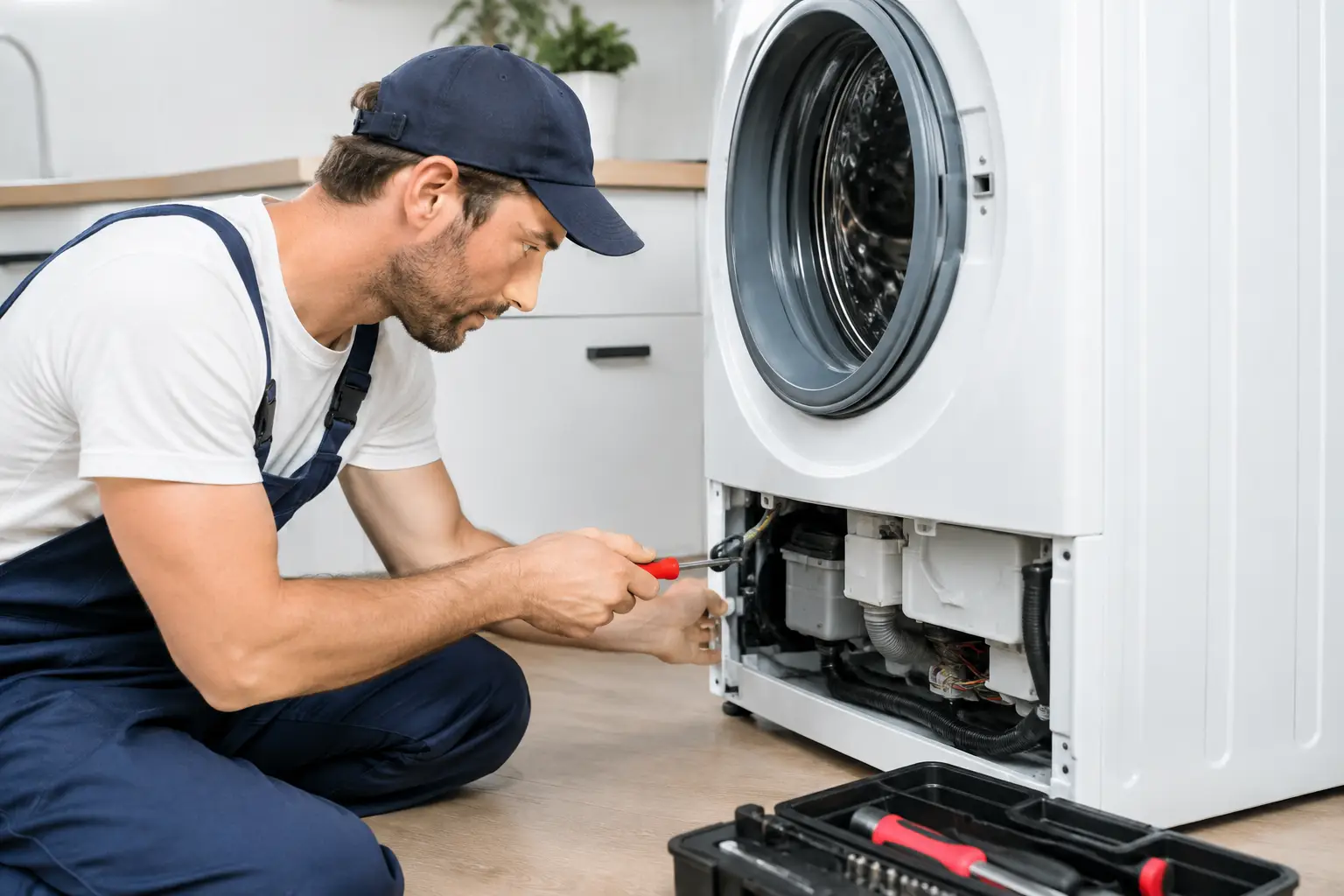
Call for service when the frost keeps returning after a full defrost, the door gasket is visibly damaged, food in the refrigerator section is warming up, or you find ice behind the rear freezer panel. Water leaks, a constantly running compressor, and unusual fan noise are also signs that the problem may involve the defrost system, drain, fan, or controls.
An experienced appliance technician can test the components rather than guessing and replacing parts unnecessarily. That matters because several different failures can create the same symptom: frost. A fair diagnosis identifies whether the fix is a gasket adjustment, a drain repair, a failed heater, or another issue affecting performance.
For homeowners and local businesses across Greater Massachusetts, Fasteny Appliance Repair provides prompt refrigerator diagnostics with clear quotes and repair recommendations. Getting the issue checked early can protect your food, reduce strain on the appliance, and help avoid the inconvenience of a complete cooling failure.
The best next step is simple: clean and inspect the door seal, confirm the temperature, and pay attention to how quickly frost returns. A freezer that stays dry and closes tightly is usually a freezer that can keep doing its job without wasting energy or space.