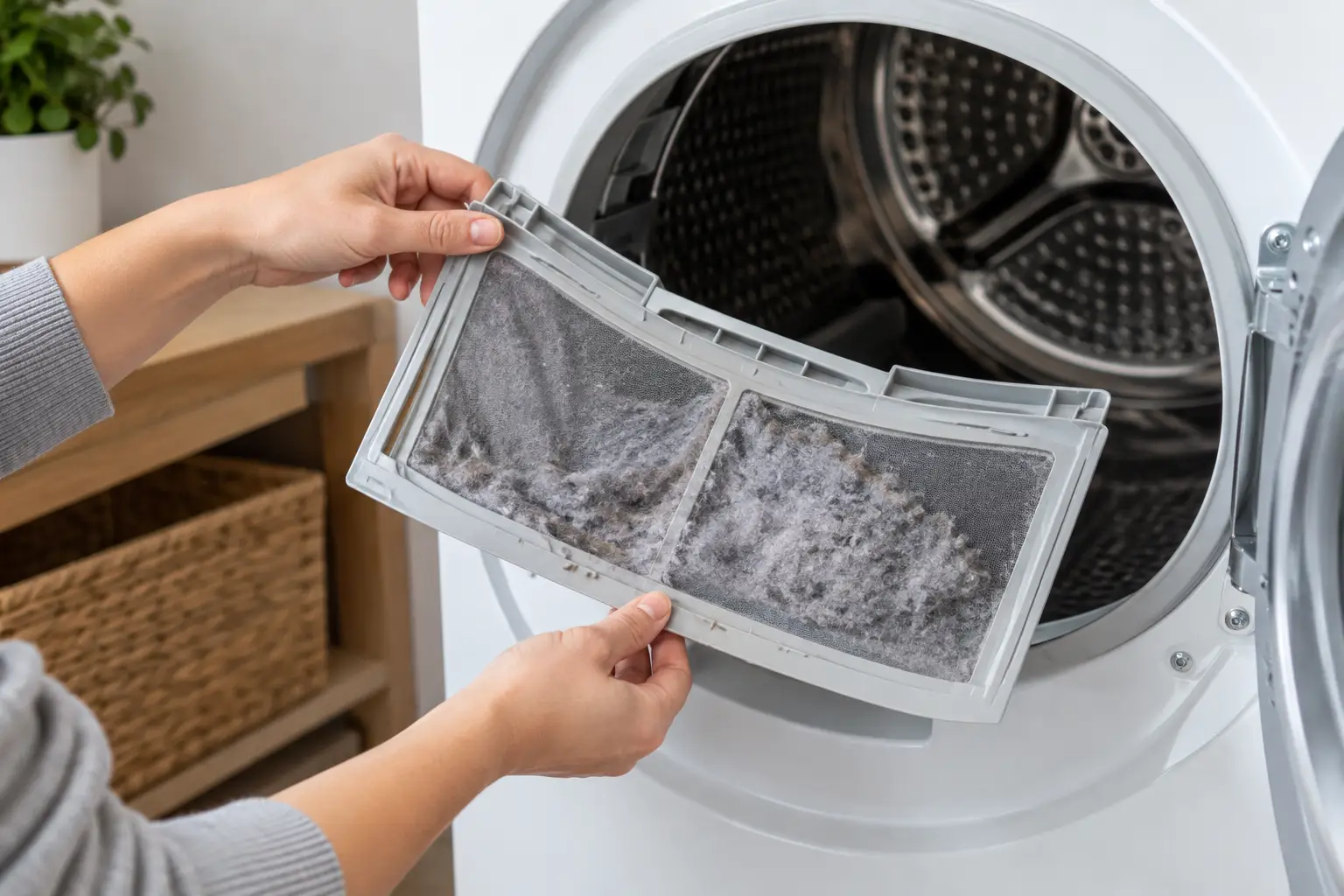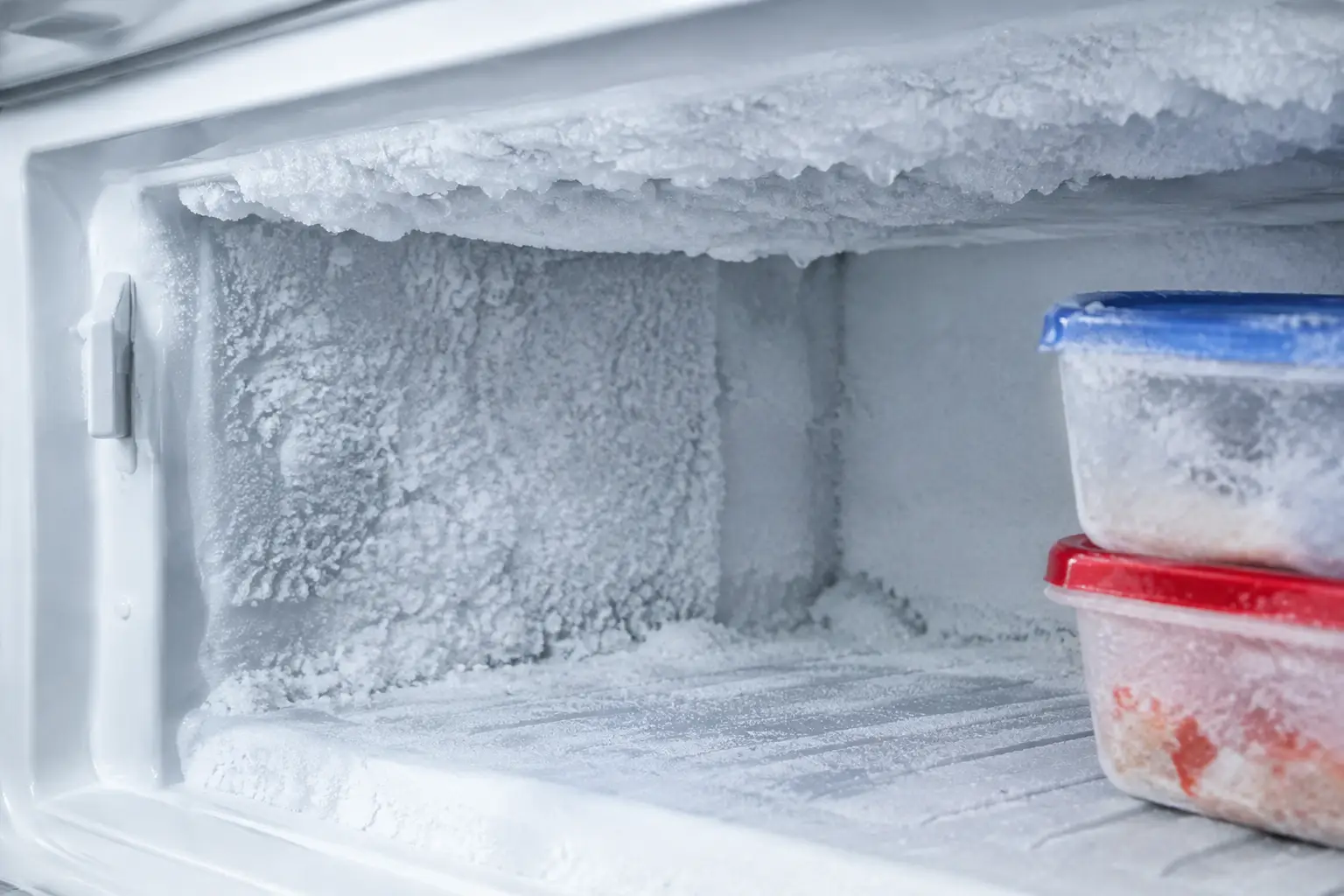

A refrigerator that stops cooling or a dryer that suddenly leaves clothes damp can disrupt an entire household. The question is rarely just whether you can repair or replace appliances. It is whether the fix is worth the cost, how quickly you need the appliance back, and whether a replacement will actually solve a larger problem.
For most homeowners, the right answer starts with an accurate diagnosis. A leak, strange noise, poor drainage, or loss of heat can point to a simple part failure. It can also signal a more expensive issue. Knowing the difference helps you avoid paying for a short-term patch when replacement makes more sense – or replacing a dependable appliance that still has years of useful life.
Start With the Actual Problem
Symptoms are useful, but they are not a diagnosis. A dishwasher that will not drain may have a clogged filter, a failed drain pump, or a plumbing issue. A refrigerator that feels warm may need a new fan motor, a door seal, or compressor-related work. Those repairs carry very different costs and long-term outlooks.
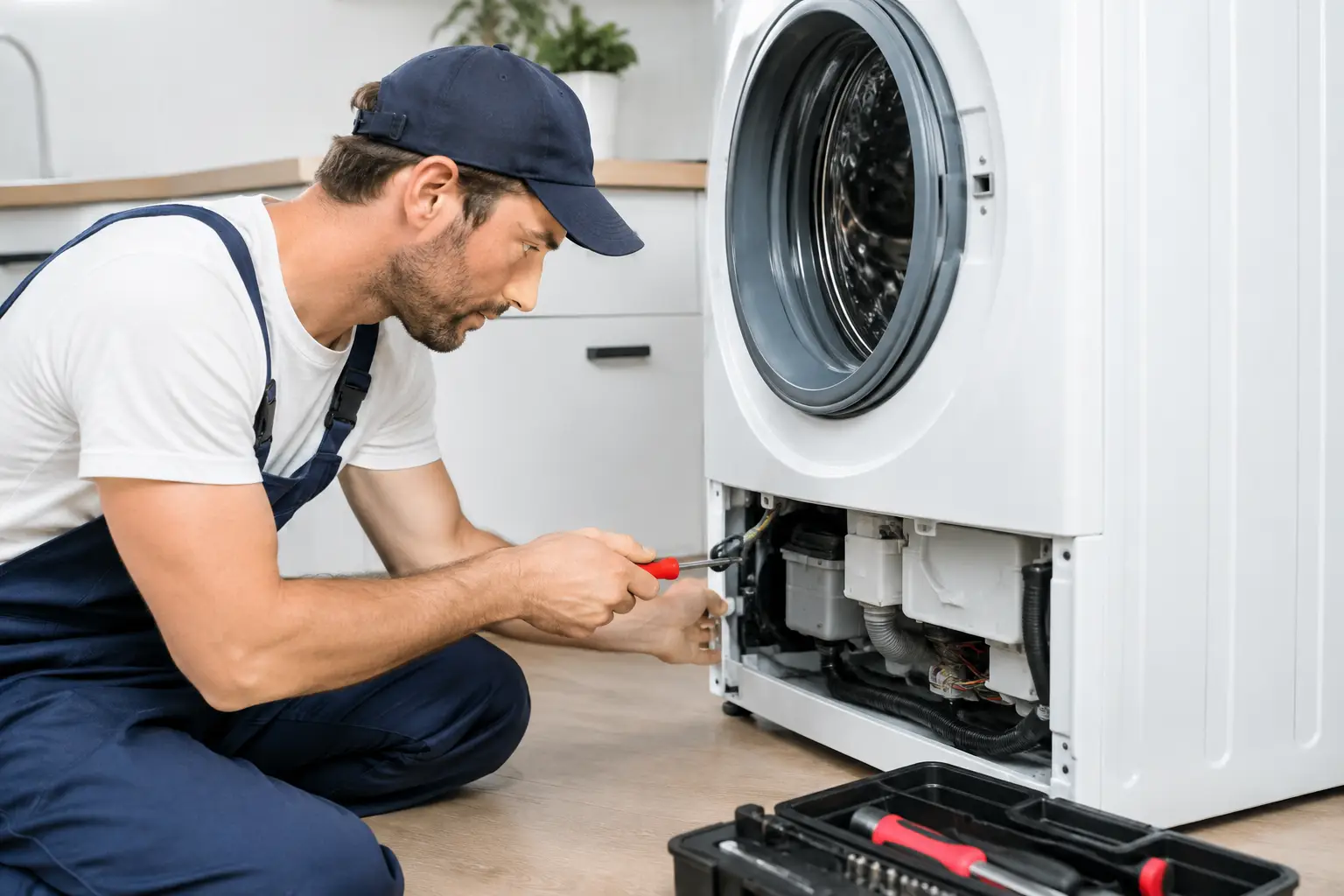
Before making a replacement decision, have a qualified technician identify the failed component, explain the repair, and provide a clear quote. This is especially valuable when the appliance has been reliable until one recent problem. A single worn part does not automatically mean the entire machine is near the end.
Be cautious with guesses based on online symptoms alone. Many appliance problems look alike from the outside. Replacing an appliance without confirming the cause can be frustrating if the real issue is a tripped circuit, blocked vent, damaged water supply line, or another condition outside the appliance itself.
How to Repair or Replace Appliances: The Main Factors
The best decision usually comes down to five practical questions: How old is the appliance? What will the repair cost? Has it needed frequent service? Is it still meeting your household’s needs? Does it present a safety concern?
Consider age, but do not rely on age alone
Age matters because appliances have average service lives, but averages are not expiration dates. A well-maintained electric range can often serve a household for 12 to 15 years or longer. Refrigerators commonly last around 10 to 15 years, while washers, dryers, and dishwashers often fall in the 8-to-13-year range depending on use, maintenance, and model quality.
An appliance near the beginning or middle of its expected life is often a strong repair candidate, particularly if the repair is straightforward. A six-year-old dryer with a failed heating element is very different from a 13-year-old dryer with recurring electrical issues and a noisy drum.
Older appliances can still be worth repairing when the needed part is available, the unit has been dependable, and the repair cost is reasonable. On the other hand, an appliance nearing the end of its expected lifespan deserves a closer look, especially if it has already needed multiple repairs in the past year or two.
Compare the repair cost with the replacement cost
Many homeowners use a simple rule: if a repair costs more than half the price of a comparable new appliance, replacement may be the better investment. That rule is helpful, but it is not absolute.
A new appliance also brings delivery, installation, possible electrical or plumbing modifications, haul-away fees, and the time spent selecting a model. For built-in appliances or matching kitchen sets, replacement can be more complicated than the price tag suggests. A repair that costs slightly more than half the purchase price may still be sensible if it restores a quality appliance with several useful years left.
The opposite can also be true. A low-cost repair may not be a good value if the appliance has a pattern of failures. Ask whether the quoted repair addresses the root cause or only the latest symptom. An honest technician should be able to explain that distinction clearly.
Look at reliability, not just the current breakdown
One service call after years of trouble-free operation is usually not a reason to rush into replacement. Repeated failures are different. If your washer has needed several repairs, your dishwasher has been leaking intermittently, or your refrigerator has had multiple cooling problems, those costs can add up quickly.
Keep a rough record of service visits, even if it is just a note on your phone. It gives you a clearer picture of what the appliance has cost beyond routine maintenance. It also helps a technician assess whether a new repair is likely to provide good value.
Frequent breakdowns have a cost beyond repair bills. They create missed work time, spoiled groceries, laundry backups, frustrated tenants, or interruptions to a small business. Reliability is often worth paying for when the appliance is essential to daily operations.
Factor in energy use and household needs
Efficiency can support a replacement decision, but it should not be the only reason to replace a working appliance. A newer refrigerator, dishwasher, or washer may use less water or electricity than an older model. Savings can be meaningful over time, particularly for a high-use appliance, but they may not offset the full cost of replacement overnight.
Think about fit as well. A growing family may need a larger-capacity washer. A property owner may need a more durable dryer for frequent tenant turnover. A restaurant, office break room, or salon may need equipment that can handle heavier use than a residential-grade model was designed for.
If the appliance works but no longer suits the way you use it, replacement can be a practical upgrade. If it still performs well and fits your needs, a targeted repair may be the more budget-conscious choice.
When Repair Is Usually the Better Choice
Repair is often the right move when the appliance is relatively young, has been dependable, and needs one identifiable component. Common examples include a dishwasher with a faulty latch or pump, a dryer with a worn belt or failed heating part, an oven with a bad igniter, or a washing machine with a drain issue.
It is also a smart choice when a repair can be completed quickly and avoids the disruption of shopping, delivery, and installation. For homeowners dealing with a full refrigerator or a pile of wet laundry, same-day or next-day service can make a major difference.
Choose repair when the technician can provide a transparent quote, the needed part is available, and the expected result is a dependable appliance rather than a temporary workaround. A clear explanation should leave you knowing what failed, what the repair includes, and why it is recommended.
When Replacement Makes More Sense
Replacement deserves serious consideration when an appliance is near or beyond its expected lifespan and has a major failure. Compressor problems in an aging refrigerator, extensive corrosion, a damaged tub, recurring control board failures, or multiple costly repairs can make a new unit the more predictable choice.
Replace immediately when safety is involved. Do not continue using an appliance that sparks, gives off a burning smell, trips breakers repeatedly, leaks heavily near electrical connections, or has a suspected gas leak. Turn off power or gas when it is safe to do so, keep people away from the area, and contact the appropriate emergency utility or service professional.
Parts availability also matters. Some older or discontinued models can be repaired, but delayed or unavailable parts may turn a reasonable fix into a long and uncertain process. In that situation, replacement can restore normal use faster.
A Better Decision for Rentals and Small Businesses
For rental property owners and local businesses, the decision has an added layer: downtime. A broken refrigerator in a rental unit or an out-of-service dryer in a laundromat, salon, or multifamily property can affect tenants and customers immediately.
Repair is often the fastest path when the equipment is otherwise reliable and the issue can be resolved in one visit. Replacement may be wiser when repeated disruptions are harming operations or when the appliance is undersized for the workload. The goal is not simply the lowest invoice today. It is the most dependable outcome for the people relying on the equipment.
A professional diagnosis gives you the information needed to decide without pressure or guesswork. Fasteny Appliance Repair helps homeowners and businesses across Greater Massachusetts understand the issue, the repair options, and the expected cost before work begins. When an appliance fails, a clear answer is often the quickest way to get your routine back on track.