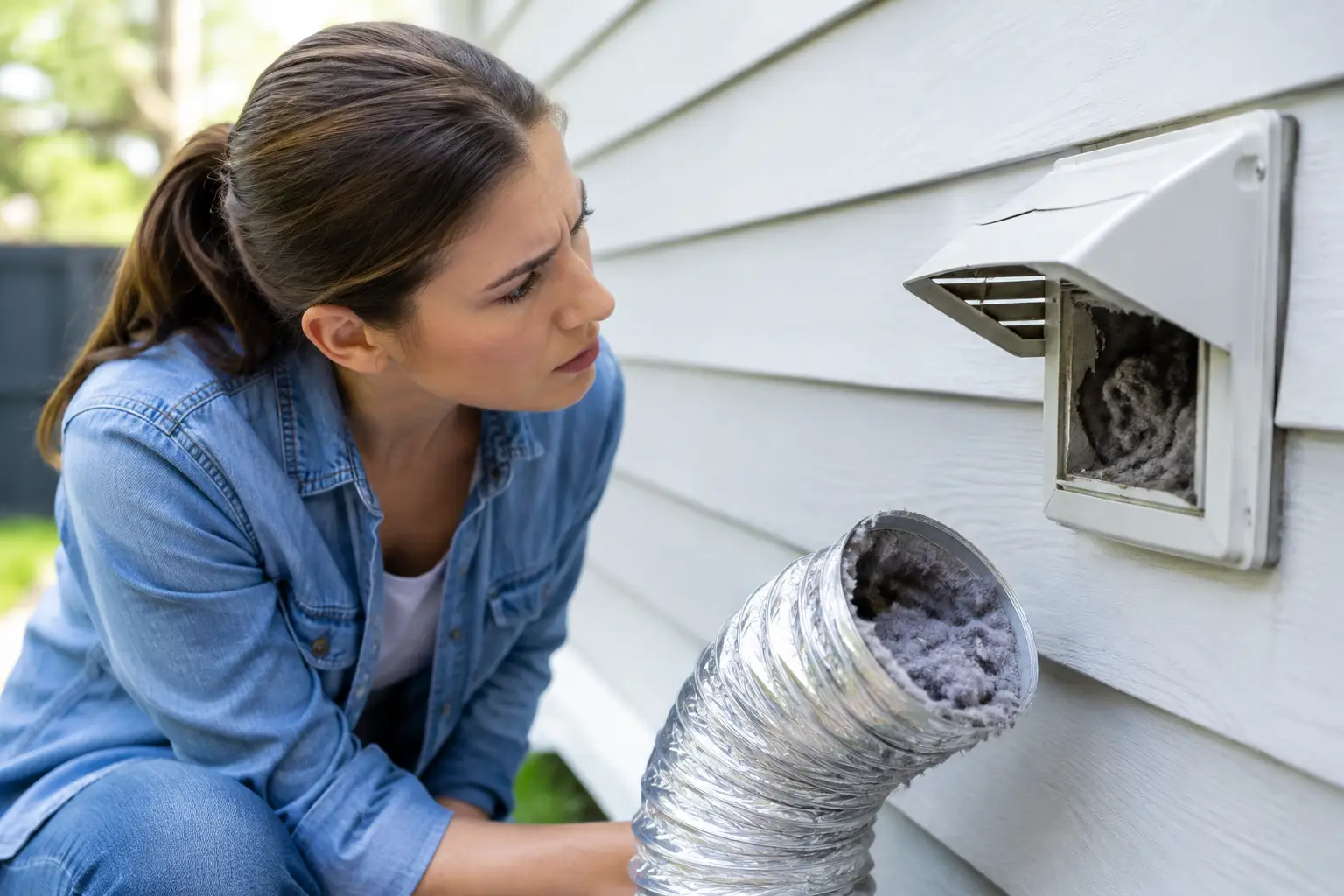

A refrigerator that stops cooling or a dryer that will not heat creates an immediate problem, not a project for next month. Clear appliance repair estimates help you make a confident decision quickly by showing what is wrong, what it will take to fix it, and what you can expect to pay before work begins.
A good estimate is more than a number given over the phone. It is a clear explanation of the repair based on an actual diagnosis. That distinction matters because several problems can create the same symptom. A dishwasher that will not drain may have a clogged filter, a blocked drain hose, a failed drain pump, or an electrical issue. The right repair starts with identifying the real cause.
What Appliance Repair Estimates Should Include
Once a technician has inspected the appliance, the estimate should make the proposed work easy to understand. You should know the repair price, the part or parts involved, and whether labor, service fees, and applicable taxes are included.
For most major appliance repairs, a useful estimate covers the diagnostic finding, recommended repair, parts cost, labor cost, and any service-call or diagnostic fee. It should also explain whether the diagnostic fee is applied toward the repair if you approve the work. Policies vary by company, so asking this question upfront avoids confusion.
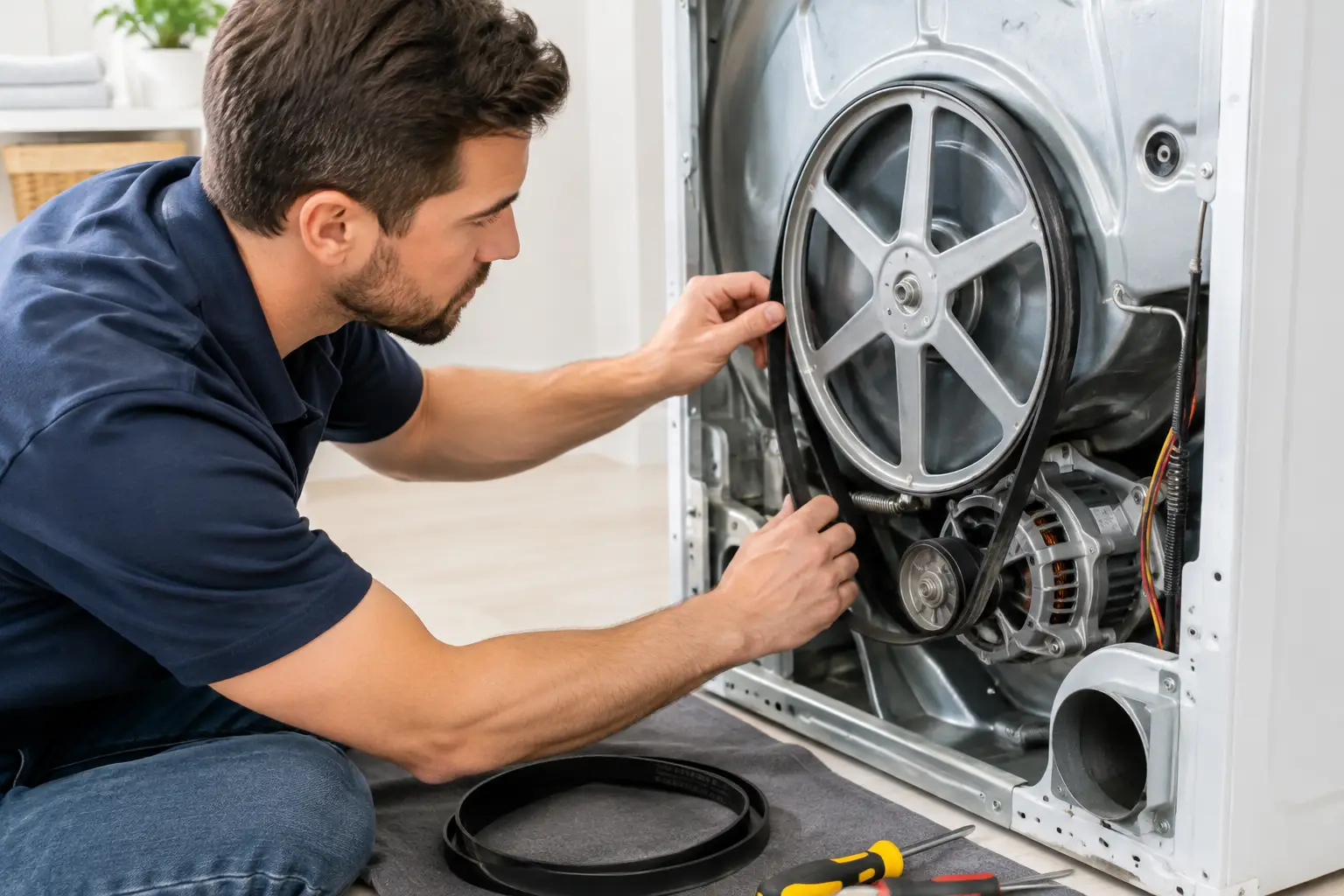
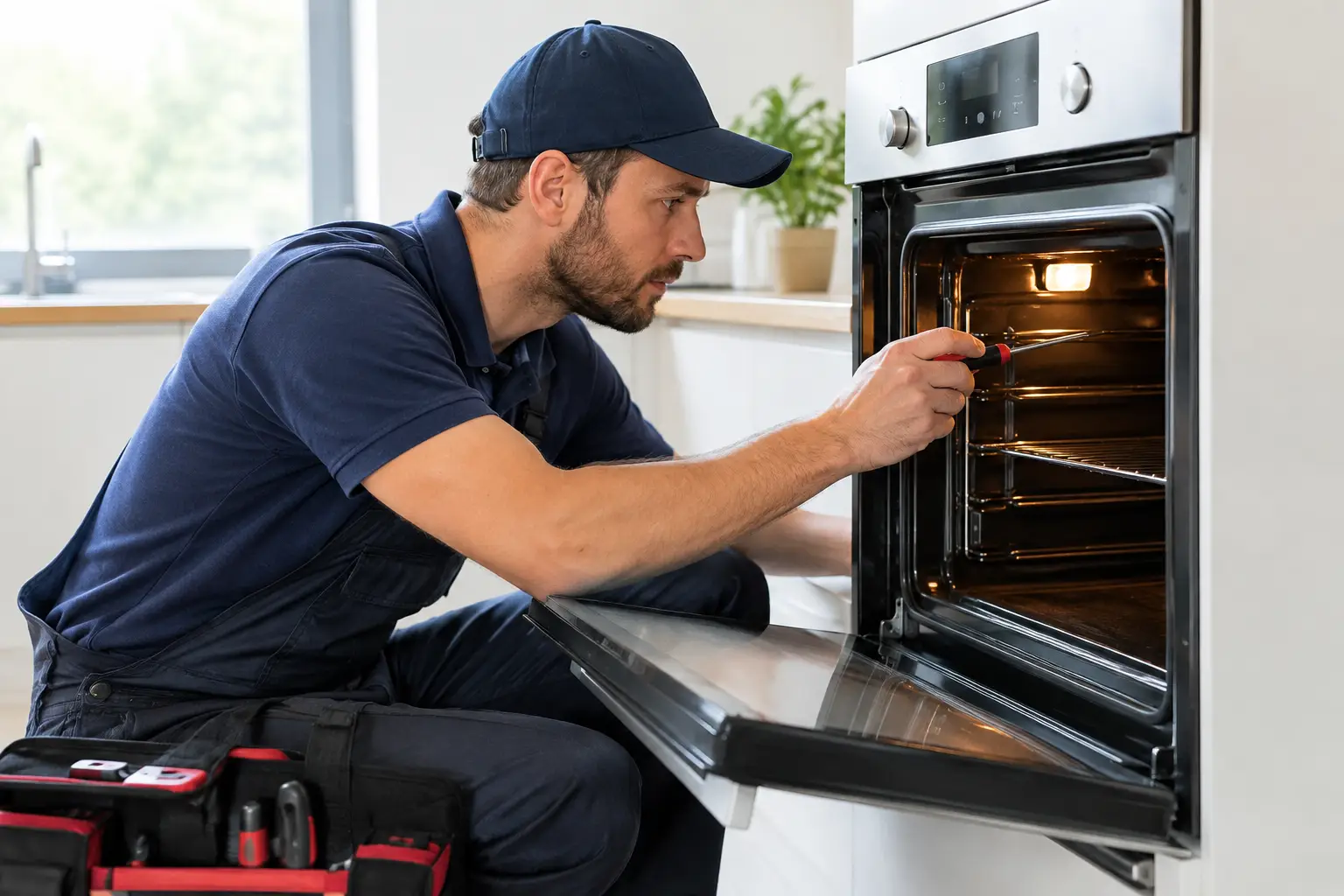
A professional estimate should not rely on vague descriptions such as “miscellaneous repair” or “fix appliance.” You do not need a technical lecture, but you do deserve a plain-English explanation. For example: the washer is not spinning because the drive belt is worn, or the oven is not heating because the bake element has failed.
The final estimate may be a fixed price for the stated repair, or it may include a range if the technician cannot confirm every damaged component until the appliance is partially disassembled. A range can be reasonable when it is explained clearly. What should not happen is an unexplained price change after the work is underway.
Why a Phone Quote Is Usually Only a Starting Point
A phone conversation is helpful for scheduling service and discussing common causes, but it cannot always produce an exact repair total. Model numbers, appliance age, error codes, and the symptoms you notice can narrow the possibilities, yet they cannot replace hands-on testing.
For instance, a refrigerator that is warm but still running could have dirty condenser coils, a failed fan motor, a defrost problem, a control-board issue, or a sealed-system concern. Those repairs differ greatly in cost and complexity. An honest service company will provide a preliminary expectation when possible, then give a firm repair recommendation after diagnosis.
That approach protects you from two bad outcomes: agreeing to work that does not solve the problem or receiving a low quote that grows once the technician arrives.
What Can Change the Cost of an Estimate?
Repair pricing depends on the appliance, the failed component, and how difficult the repair is to complete safely. A common part for a standard dryer may be readily available and relatively straightforward to install. A less common electronic control board for a high-end refrigerator may cost more and require ordering.
Appliance age also matters. Parts for newer, widely sold models are often easier to source. For discontinued models, the needed part may be unavailable, backordered, or expensive enough to change the repair decision. Built-in appliances can require additional time for access and reinstallation, while stacked laundry units or appliances in tight utility closets may take more labor than a freestanding unit.
Urgency does not automatically mean a higher repair bill, but same-day availability can be especially valuable when a refrigerator is losing food, a washer is leaking, or a business kitchen depends on a working appliance. The key is transparency. You should know the cost before approving the repair, whether service is scheduled for today or later in the week.
How to Compare Appliance Repair Estimates Fairly
The lowest number is not always the best value. To compare estimates fairly, make sure each company is pricing the same repair. One quote may cover only a service visit, while another includes diagnosis, a replacement part, installation, and a warranty on the completed work.
Ask whether the technician has identified the specific failed component or is still listing possible causes. Confirm whether the part is new and compatible with your appliance model. Also ask what happens if the proposed repair does not resolve the issue. A reputable company should stand behind its diagnosis and workmanship rather than leaving you with the same problem and another bill.
It is also reasonable to ask about the expected timeline. If a part must be ordered, find out when it is likely to arrive and whether a return visit is included in the estimate. For a nonessential convenience appliance, waiting a few days may be acceptable. For a refrigerator, commercial dishwasher, or shared laundry machine in a rental property, speed can be worth more than a small difference in price.
Questions Worth Asking Before You Approve a Repair
You do not need to be an appliance expert to review an estimate. Ask the technician what failed, why they believe it failed, and whether there are visible signs of related wear. Then ask whether the quoted total includes all known parts and labor.
If the estimate is higher than expected, ask about options. In some cases, there may be a reliable lower-cost repair. In others, the failed part is the only responsible fix. A trustworthy technician will explain the trade-off honestly instead of pushing the most expensive option.
You can also ask about parts and labor warranty coverage. Warranties do not make an appliance invincible, but they show that the service provider is willing to stand behind the work performed.
Repair or Replace? Use the Estimate to Decide
An estimate is also a decision tool. If a repair restores a relatively new appliance with plenty of expected service life left, repairing it is often the practical choice. If the appliance is near the end of its useful life, has multiple recurring failures, or needs an unusually costly major component, replacement may make more sense.
There is no single percentage that works for every situation. A premium built-in refrigerator may justify a larger repair than a basic countertop microwave. A washer with one failed pump is different from a washer with transmission issues, rust, repeated leaks, and a failing control panel.
Consider the appliance’s age, its repair history, the estimated cost, replacement cost, and how quickly a replacement can be installed. Energy savings can matter, but they should not be used as a blanket reason to replace an appliance that can be repaired safely and reliably.
A good technician will give you the facts without pressure. At Fasteny Appliance Repair, that means explaining the problem clearly, providing a fair quote before the repair begins, and helping customers choose the solution that fits their home or business.
Red Flags to Watch for in Repair Estimates
Be cautious if a company promises an exact repair total without asking for the model number, symptoms, or access to the appliance. Be equally cautious of a price that sounds unusually low but does not state what it includes. A service call, diagnosis, parts, labor, and return visit can all affect the total.
Other warning signs include pressure to approve work immediately, refusal to explain the diagnosis, or a technician who cannot tell you whether the quoted part is compatible with your model. Clear answers are not an extra. They are part of dependable service.
An estimate should leave you feeling informed, not cornered. When a technician can explain the cause, the cost, the timing, and the expected result in straightforward terms, you can move from a disrupted household routine to a repair plan you trust.