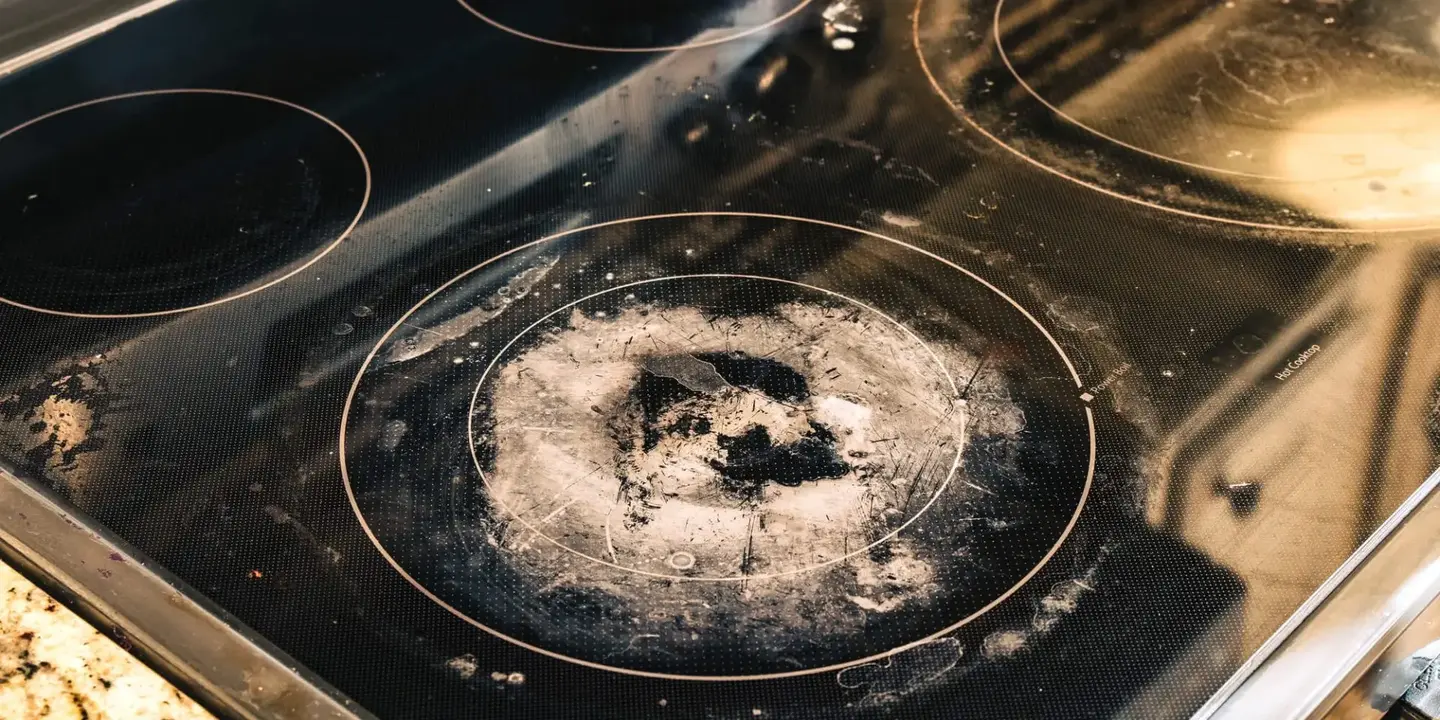
When a stove or range stops working, it can bring dinner to a halt and add stress to a busy home. The good news is that many stove problems have simple, identifiable causes — and knowing what to look for helps you decide whether it’s a quick fix or a job for a professional. Here’s a clear guide from Fasteny Appliance Repair to why a stove stops working and how each issue is solved.
Why Is My Stove Not Working?
Stoves rely on heat, electrical power, and (for gas models) a steady fuel supply, so a failure usually traces back to one of those systems. Age, wear, spills, and loose connections are the most common culprits. Always put safety first — if you smell gas or see scorching, stop and call a professional.
Common Stove Problems and Their Solutions
An electric stove burner won’t heat
A dead electric element is often the coil itself, a burned-out infinite switch, or a bad element receptacle. If just one electric stove burner is not working, swapping the suspect element with a matching one that works is a quick way to confirm the cause.
A gas stove burner won’t light
Clicking with no flame usually points to a clogged burner port or a gas stove igniter not working. Clean the burner cap and ports; if the igniter still won’t spark or the flame stays weak, the igniter or its wiring may need service.
The oven won’t heat but the stovetop works
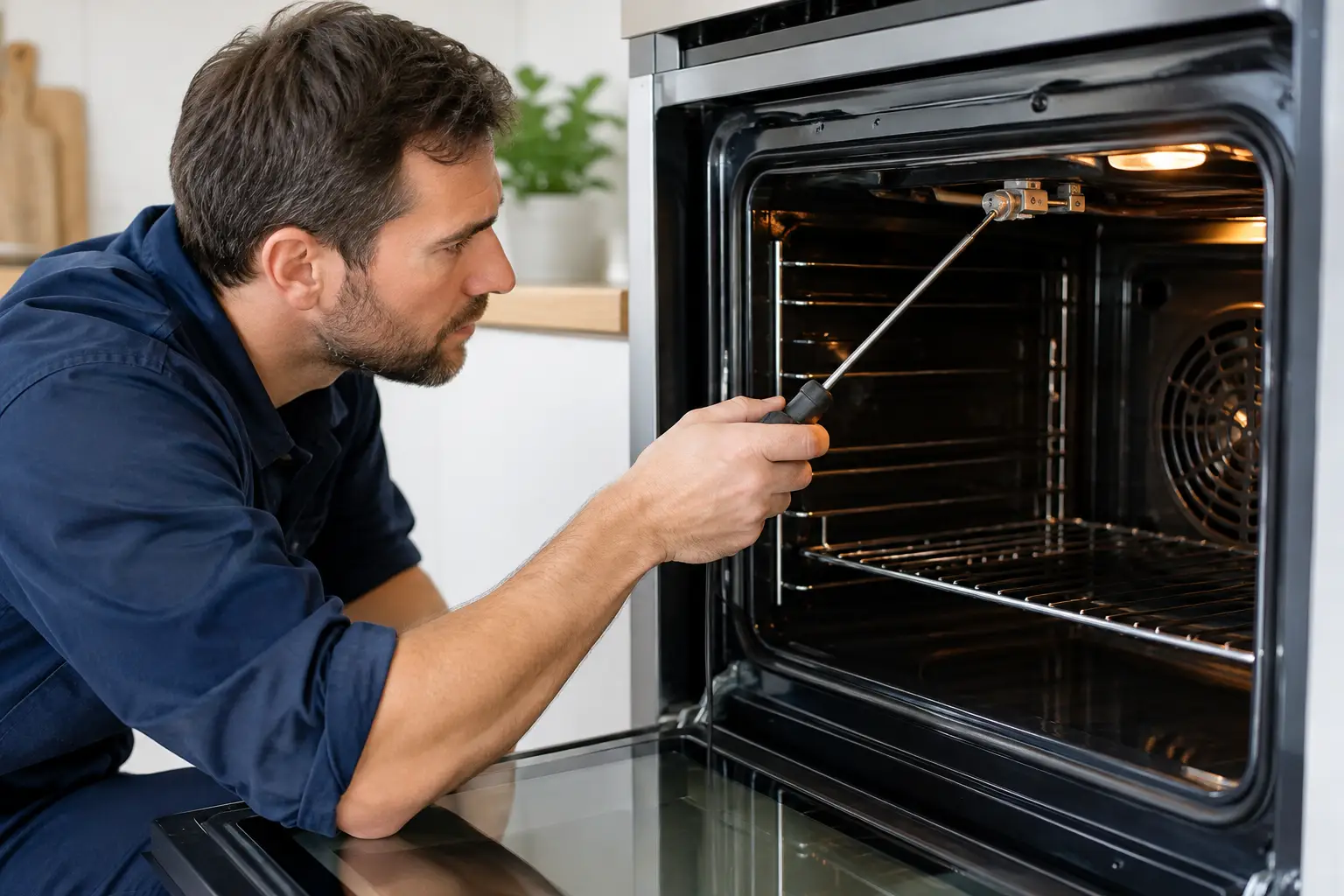
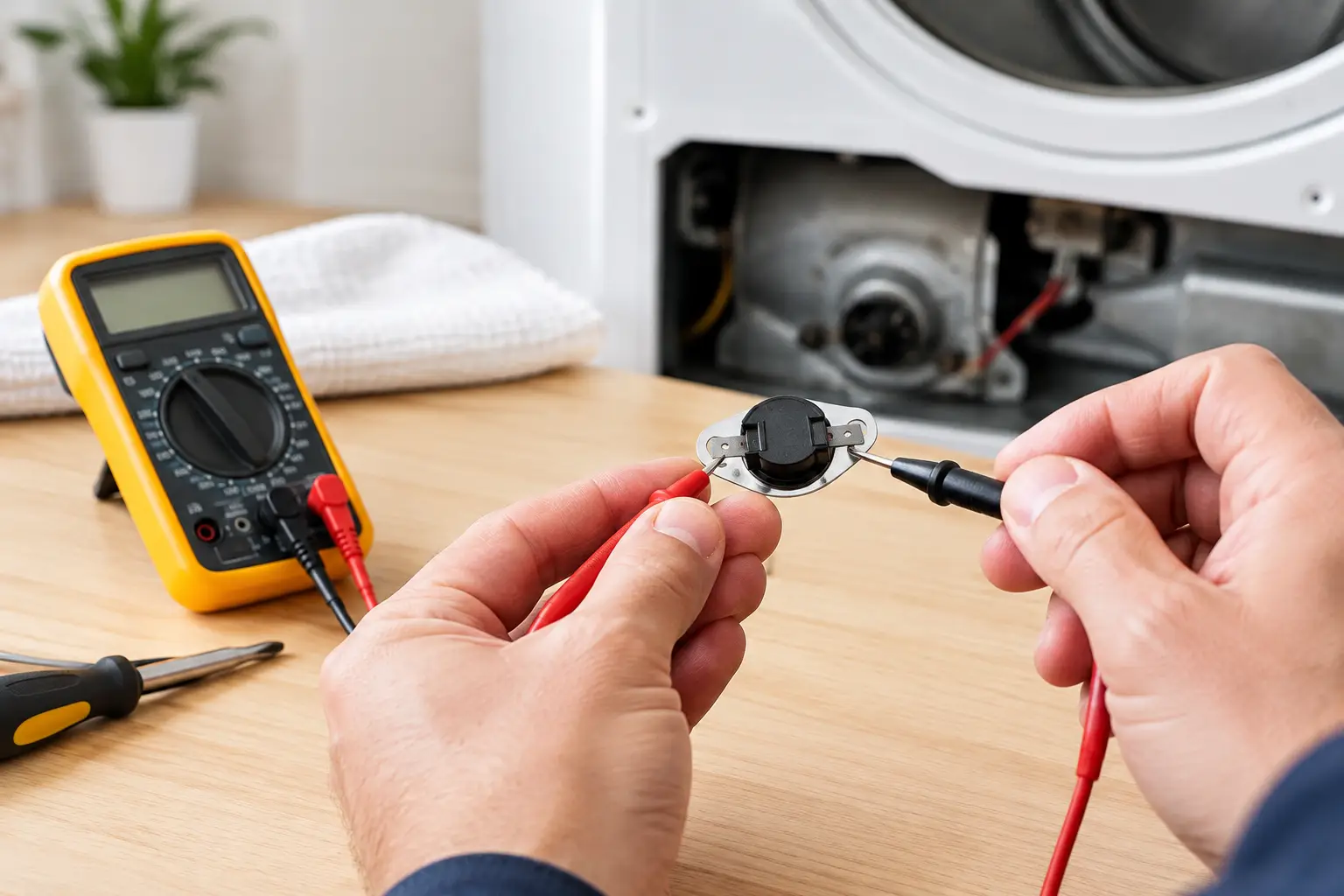
If the oven won’t heat but the stovetop still works, the cause is usually a failed bake element (electric) or igniter (gas), or a faulty temperature sensor. These parts are testable and replaceable by a technician.
Controls or touchpad won’t respond
Unresponsive knobs or a dead touchpad can indicate a tripped breaker, a failed control board, or an active control lock. Check the breaker and any child-lock feature first.
Gas vs. Electric Stove Repairs
Gas and electric stoves share many parts but differ in how they’re repaired. Gas models involve fuel lines and igniters that should only be serviced by a qualified technician, while electric models center on elements, switches, and boards. Fasteny handles both with professional stove repair across Massachusetts.
When to Call a Professional
Call for service if you smell gas, see sparks or scorching, the oven won’t heat, or a repair involves the gas line or control board. For more help, read our guides on what to check when a stove burner won’t work and finding cooktop repair near you.
Frequently Asked Questions
Why did my stove suddenly stop working?
A tripped breaker, a loose plug, or a failed element or igniter are the most common reasons. Check the breaker first, then note whether one burner or the whole unit is affected.
Is it safe to keep using a stove with one bad burner?
A single bad electric burner is usually fine to work around, but stop using a gas stove immediately if you smell gas or the flame looks abnormal, and call a professional.
Is stove repair worth it?
Often yes — many stove repairs cost far less than a new range, and you’ll get an upfront quote before any work begins.
Conclusion
Most stove breakdowns trace back to a failed element, igniter, switch, or control — problems that are diagnosable and often affordable to fix. When a stove stops working, a professional diagnosis gets your kitchen running again safely.
Fasteny Appliance Repair offers same-day stove and range repair across Billerica, Reading, and other Massachusetts communities. Fill out our online request form or visit the Fasteny Appliance Repair homepage to book service — or call +1 (617) 618-3311.
Related Guides
For related help, see commercial appliance repair, emergency appliance repair near you, what appliance repair costs, and how to choose a repair company.