A dishwasher that stops draining can turn a normal evening into a sink full of dishes fast. When comparing Waltham dishwasher repair options, the right choice depends on the symptom, the age of the appliance, and whether a safe, simple check can solve the problem before you schedule service.
For many homeowners, repair is the practical answer. A dishwasher is built around serviceable components such as pumps, valves, switches, heating elements, and door latches. When one part fails, replacing that part is often far less disruptive and less expensive than buying and installing a new machine. The key is getting an accurate diagnosis before spending money on a guess.
Start With the Problem You Can See
The symptoms matter because they narrow down the likely cause. A dishwasher that leaves dirty dishes behind has a different repair path than one that leaks onto the kitchen floor. Paying attention to when the issue occurs also helps. Does the machine fail to fill at the start of the cycle, stop midway through, or run normally but leave standing water after it finishes?
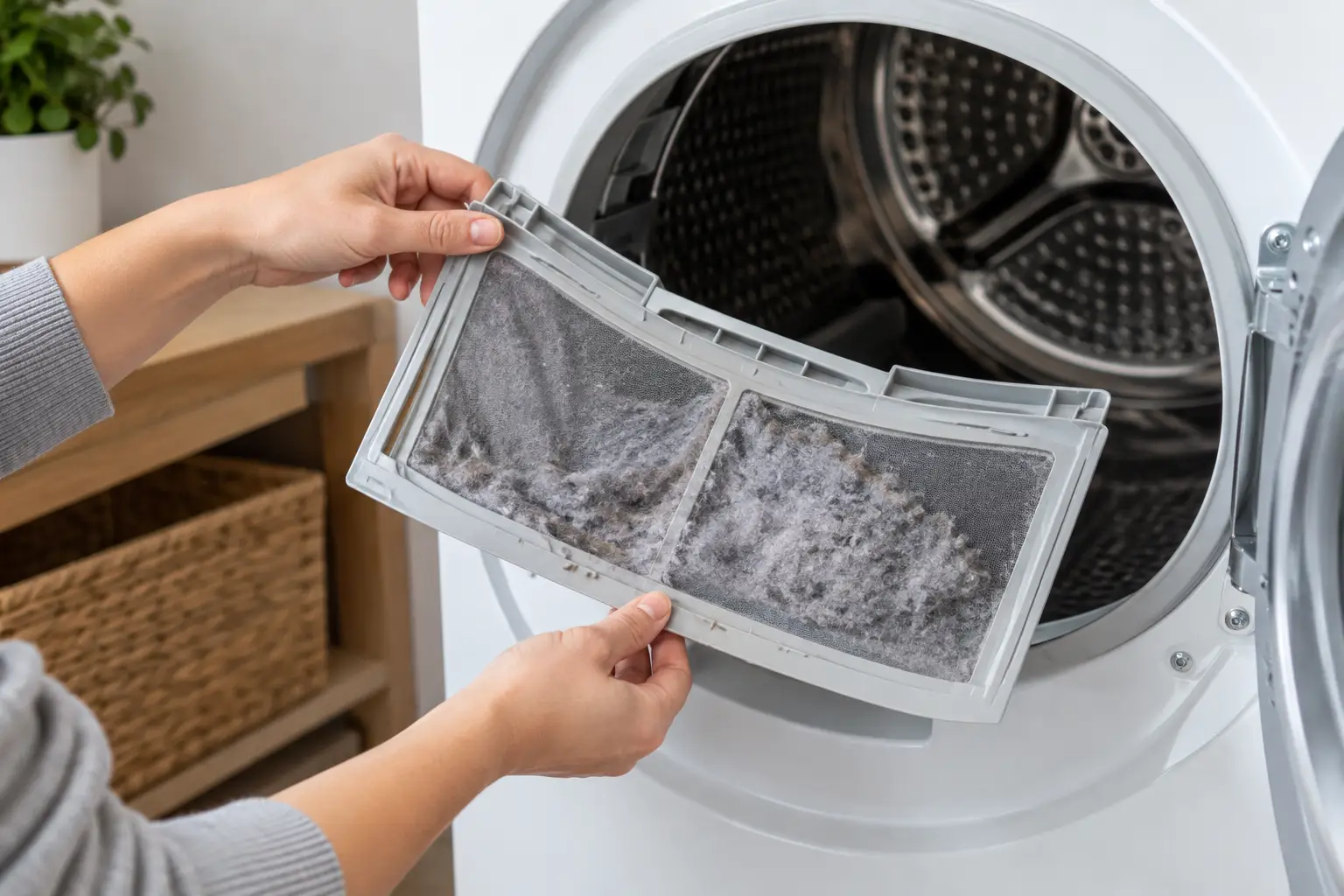
A few basic checks are reasonable for a homeowner. Confirm that the dishwasher has power, that the door closes firmly, and that the water supply valve under the sink is open. If the display shows a code, write it down before resetting the appliance. Check the filter for food debris and make sure the drain hose under the sink is not visibly kinked.
Do not take apart electrical panels, disconnect wiring, or force a stuck component. Dishwashers combine electricity, water, heat, and sharp internal parts. A small mistake can create a leak, damage a control board, or turn a repairable problem into a larger one.
Common Dishwasher Failures and What Repair Involves
Standing Water or Poor Drainage
Water left in the bottom of the tub is one of the most common service calls. The cause may be a blocked filter, clogged drain hose, obstructed air gap, failing drain pump, or a problem at the garbage disposal connection. If the disposal was recently installed or replaced, a technician may also check whether the dishwasher inlet knockout plug was removed.
Cleaning an accessible filter may help, but persistent drainage trouble calls for diagnosis. Replacing a drain pump without confirming the blockage or electrical cause can waste time and money.
Leaks Around the Door or Under the Dishwasher
A leak deserves prompt attention, even when it seems minor. Water can reach flooring, cabinetry, and the area beneath the dishwasher where electrical connections are located. Door gasket wear, a damaged lower door seal, a cracked hose, loose connection, faulty inlet valve, or an overfill condition can all cause leaking.
If water is actively pooling, stop the cycle and turn off the dishwasher’s water supply if it is safe to reach. Dry the area around the appliance and avoid running another cycle until the source is identified. A technician can determine whether the repair is as straightforward as replacing a seal or whether an internal component needs attention.
Dishes Come Out Dirty, Cloudy, or Gritty
Poor cleaning does not always mean the dishwasher is failing. Overloading racks, blocking spray arms, using too much or too little detergent, or washing with very hard water can all affect results. Still, if dishes remain dirty despite normal loading and fresh detergent, the spray arms, circulation pump, water inlet system, heater, or control may be involved.
Cloudy glassware can be a water-quality or detergent issue, while gritty dishes often point to poor circulation or a blocked filter. A professional diagnosis separates routine maintenance needs from a component failure, which helps avoid replacing parts that are still working properly.
The Dishwasher Will Not Start or Stops Mid-Cycle
When a dishwasher will not start, the problem may be a door latch, control lock setting, breaker issue, thermal fuse, control board, or wiring connection. If it starts and then stops, an overheating motor, failed sensor, water-fill problem, or electronic control issue may be responsible.
Modern dishwashers can display error codes, but those codes are a starting point rather than a final answer. The same code can result from a failed part, a wiring problem, or an issue elsewhere in the system. Testing the appliance is more reliable than replacing the part named in an online search result.
No Heat or Poor Drying
A dishwasher that leaves dishes wet may have a failed heating element, thermostat, vent, fan, or control issue. Some newer models are designed to dry differently from older machines, so a small amount of moisture can be normal. However, cold dishes at the end of a hot cycle, detergent that does not dissolve, or consistently poor drying can signal a repair need.
Waltham Dishwasher Repair Options: Repair, Replace, or Maintain?
There is no single answer for every dishwasher. The best option depends on its condition and what the diagnosis reveals. If a relatively new or otherwise dependable machine needs a pump, latch, inlet valve, or heating-related repair, fixing it is often a sensible decision. A targeted repair preserves the appliance you already know and avoids the cost and scheduling involved in replacement.
Replacement may make more sense when an older dishwasher has repeated failures, extensive corrosion, a costly control-board issue, or damage that affects several major components. Installation costs, potential cabinet adjustments, water-line connections, and disposal of the old unit should all be part of the comparison, not just the price tag on a new dishwasher.
Maintenance is the best path when there is no failed component. Regularly cleaning the filter, clearing spray-arm openings, running an appropriate cleaner when mineral buildup is present, and using the correct detergent amount can improve performance and prevent avoidable calls. A technician should be honest about which category your appliance falls into rather than treating every symptom as a major repair.
What to Expect From Professional Service
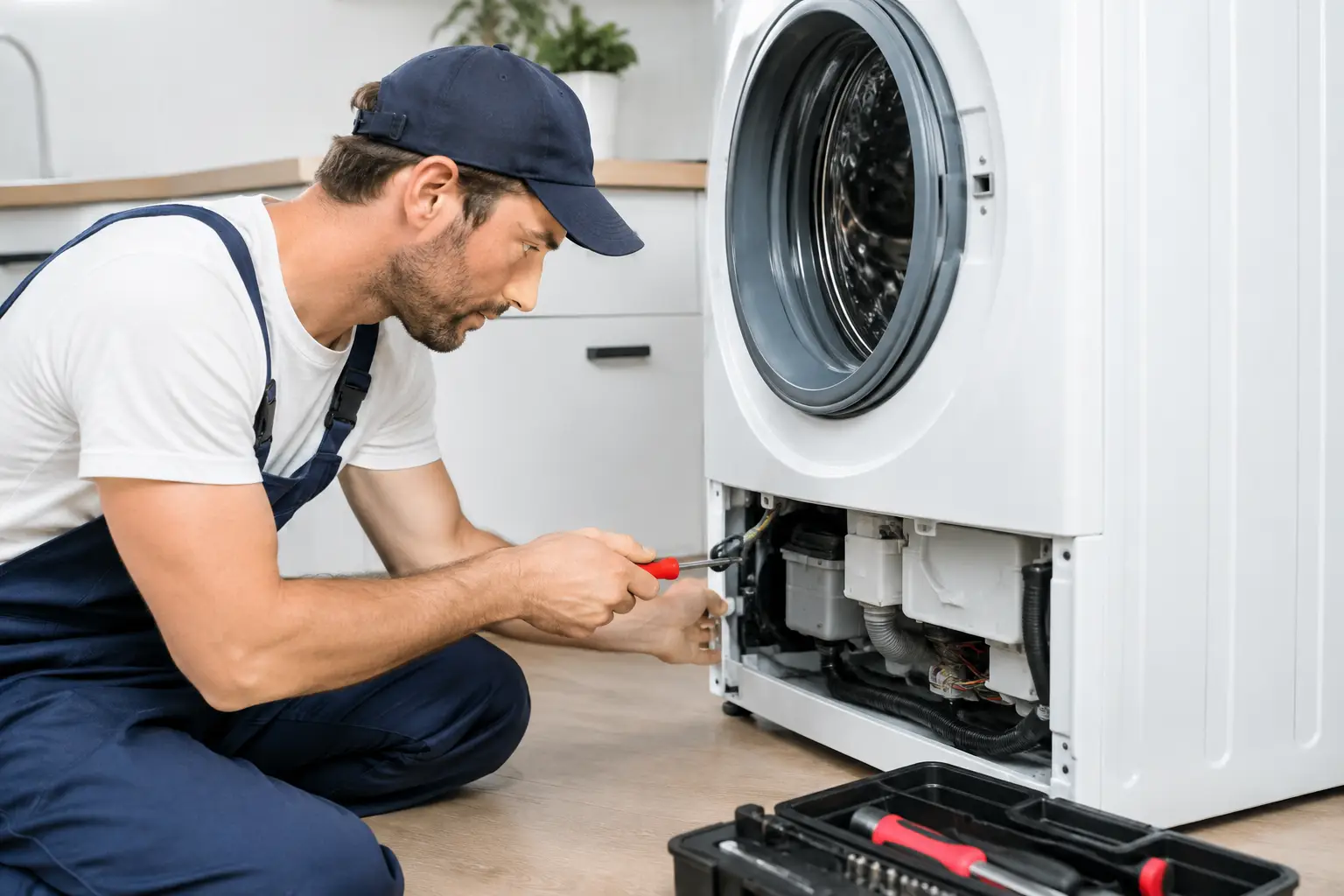
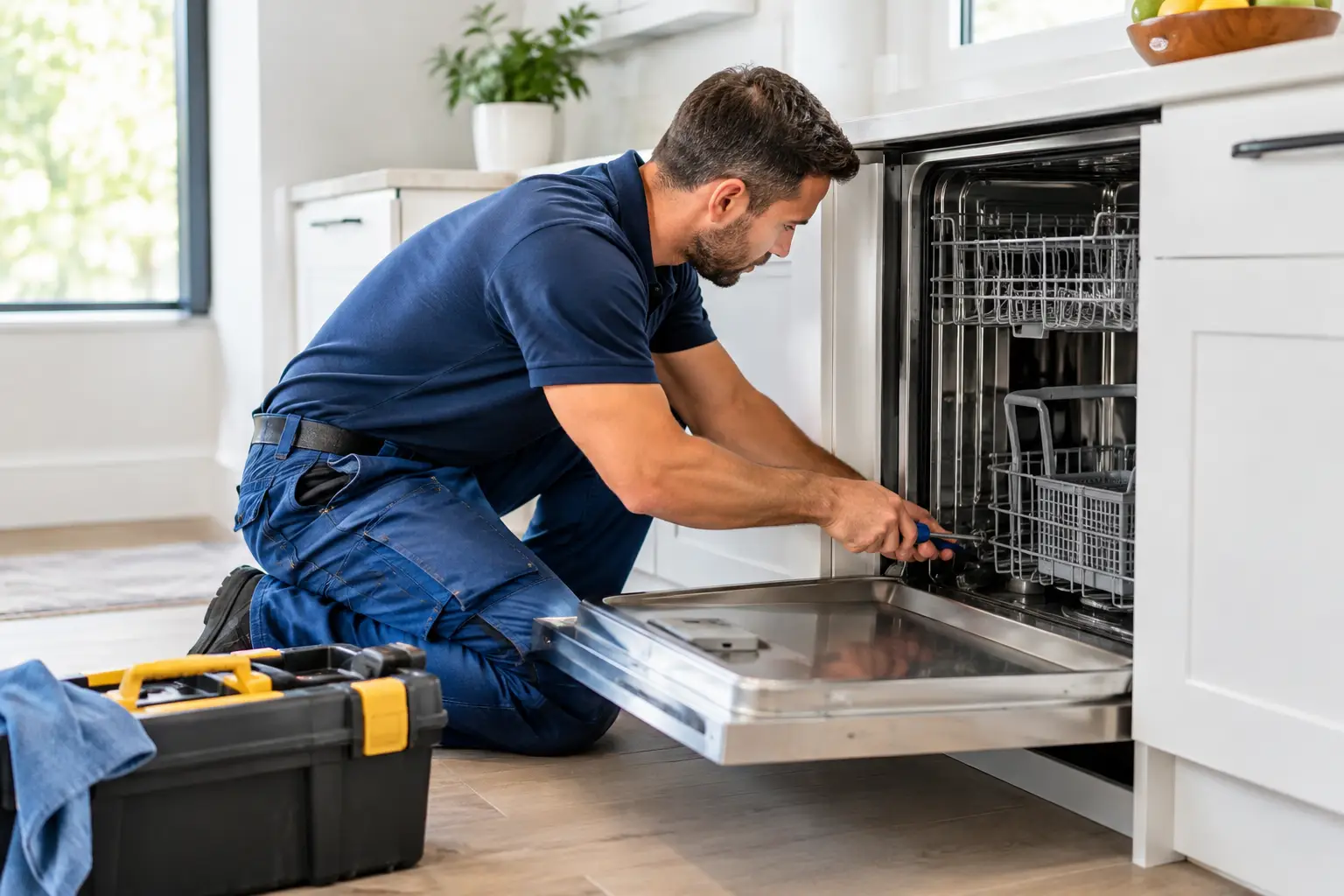
A dependable service visit begins with listening to the problem, inspecting the dishwasher, and testing the components that match the symptom. The technician should explain the likely cause in plain language and provide a clear quote before completing the repair. If replacement is the wiser choice, you should know that before investing in parts.
Fast scheduling matters when dishes are accumulating or a leak is threatening your kitchen. Fasteny Appliance Repair serves Waltham and communities across Greater Massachusetts with same-day and next-day availability when scheduling permits. The goal is straightforward: identify the issue, explain the repair clearly, and restore the appliance without hidden surprises.
Before your appointment, clear dishes from the machine if possible and make space around the dishwasher and under the sink. Have the model number ready if you can find it, usually along the inside edge of the door. Let the technician know whether the dishwasher has been leaking, displaying a code, making unusual noises, or failing at a specific point in the cycle.
When to Call Right Away
Some dishwasher issues should not wait for a convenient weekend. Turn off the appliance and arrange service promptly if you notice burning odors, smoke, repeated breaker trips, water leaking onto the floor, or a dishwasher that will not stop filling. These problems can involve electrical safety, active water damage, or an issue that can worsen quickly.
A dishwasher that simply cleans less effectively may allow more time for a filter check and a service appointment. Even then, avoid continuing to run a machine that makes grinding sounds, leaves substantial water in the tub, or has a door that will not latch securely.
The most useful choice is not always the cheapest immediate fix. It is the option that gives you a clear diagnosis, fair pricing, and confidence that your dishwasher can return to daily use without creating a second problem next week.