A washing machine usually gives you some warning before it turns into a real problem. Maybe clothes come out wetter than usual, maybe there is a sour smell when you open the door, or maybe you hear a new thumping during the spin cycle and hope it goes away on its own. Good washing machine maintenance helps you catch those small issues early, protect your machine, and avoid the kind of breakdown that disrupts your whole week. Fasteny Appliance Repair shares this washer care routine with homeowners across Billerica, Reading, and nearby Massachusetts towns every week.
For most households, washer care does not need to be complicated. A few consistent habits make a noticeable difference in performance, cleaning quality, and appliance lifespan. The key is knowing what you can safely handle yourself and what signals it is time to schedule professional service.
Why washer maintenance matters
Washers work hard. Between heavy towels, detergent residue, hard water minerals, and constant vibration, even a well-built machine takes on wear over time. Maintenance helps reduce that strain.
The biggest benefit is prevention. A washer that is cleaned regularly and used correctly is less likely to develop drainage problems, moldy odors, balance issues, or premature part failure. That does not mean maintenance guarantees you will never need repair. Hoses age, pumps fail, and control boards can still act up. But routine care gives you a better chance of avoiding urgent, expensive trouble.
There is also a performance factor. Many homeowners assume their washer is aging when the real issue is buildup. Soap residue, lint, and debris can affect how well the machine rinses, drains, and spins. In some cases, maintenance restores normal operation without any repair at all.
Washer maintenance guide for homeowners: the habits that matter most
If you want the biggest return for your effort, focus on a handful of basic tasks done on a regular schedule.
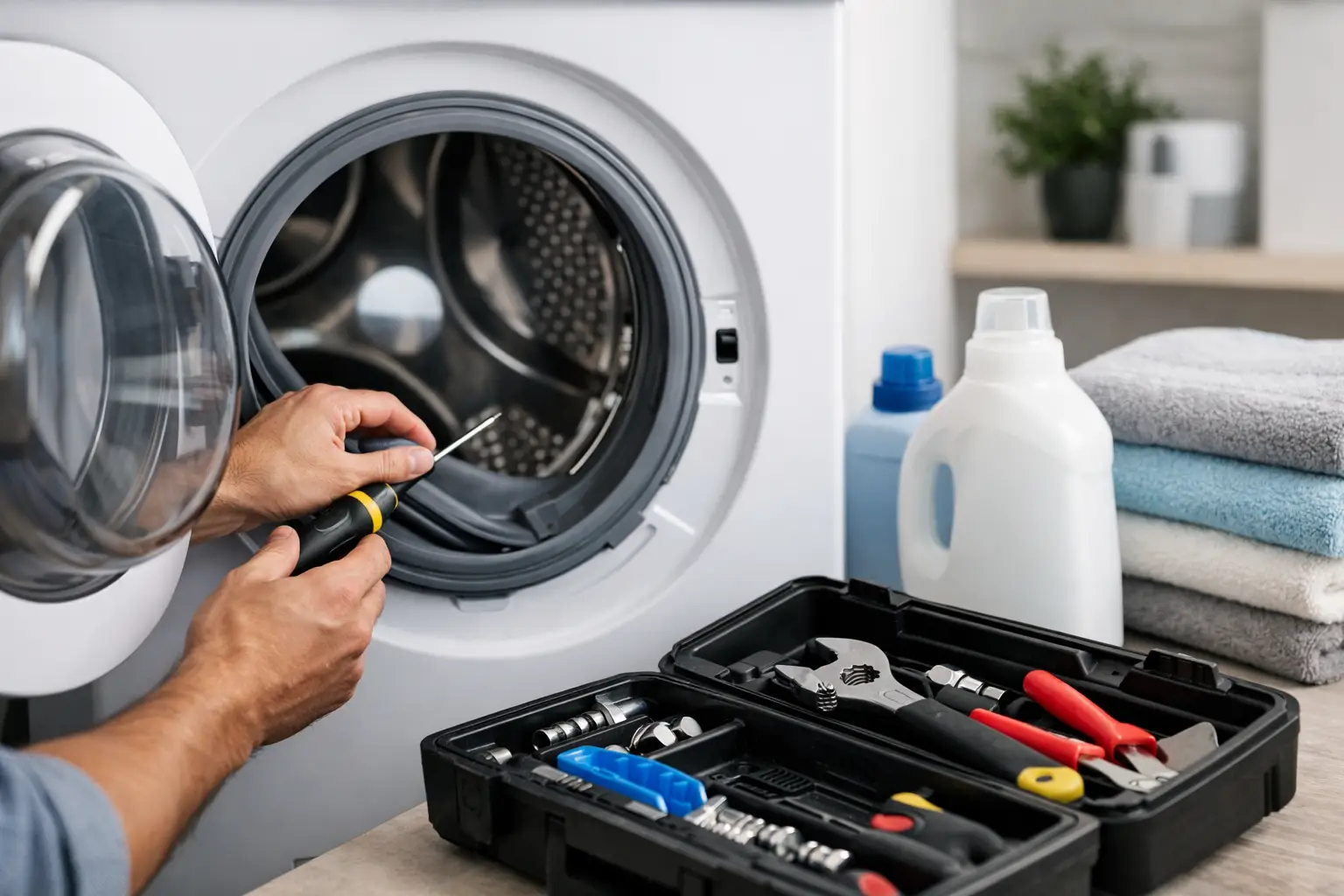
Start with the drum and door seal. Front-load washers, in particular, are known for trapping moisture around the rubber gasket. That damp area can collect detergent residue, lint, and hair, which creates odor and eventually mildew. Wipe the gasket dry after wash day and check inside the folds for debris. If you have a top-load unit, still inspect the tub rim and lid area, especially if you notice a stale smell.
Detergent drawers also need attention. When soap and fabric softener sit too long, they leave behind a sticky film that can block proper flow. Remove the dispenser tray if your model allows it, rinse it with warm water, and scrub away visible buildup. This is a small job, but it helps your washer dispense products as intended.
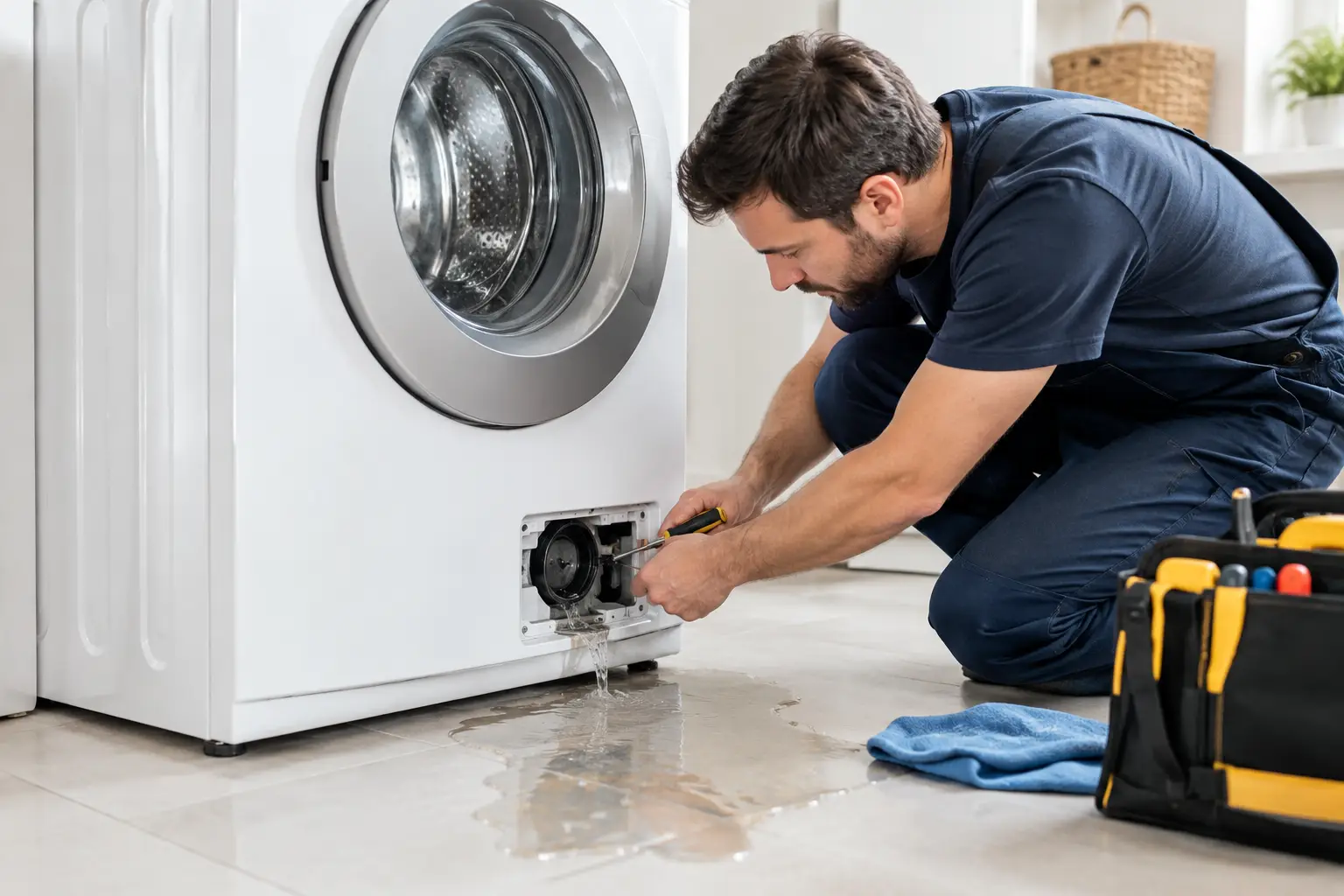
Your drain filter or pump filter is another area homeowners often miss. Not every machine has an easily accessible filter, but if yours does, check the owner’s manual and clean it carefully. Coins, lint, pet hair, and small clothing items can collect there and cause slow draining or strange noises. If the filter is stuck, leaking, or hard to access, it is better not to force it.
Run a washer cleaning cycle about once a month, or more often in large households. Use a washer cleaner made for your machine or follow manufacturer guidance. Hot water cycles can help reduce residue, but the right cleaner matters more than simply running an empty load.
Use detergent correctly or maintenance will not go far
A surprising number of washer problems start with detergent misuse. Too much detergent creates excess suds, and those suds do not always rinse away cleanly. They leave residue inside the machine, contribute to odor, and can interfere with sensors or drainage.
High-efficiency washers are especially sensitive to this. If your machine is an HE model, use HE detergent and measure it carefully. More soap does not mean cleaner clothes. In fact, it often has the opposite effect.
Hard water also changes the equation. In some Massachusetts homes, mineral-heavy water can make soap buildup worse. If your washer seems to develop residue quickly even with reasonable detergent use, water conditions may be part of the problem. That is one of those situations where maintenance helps, but it may not solve the issue completely without adjusting products or wash habits.
The simplest way to prevent leaks and vibration
Leaks and shaking are two of the most common washer complaints, and both can start with issues that are easy to overlook.
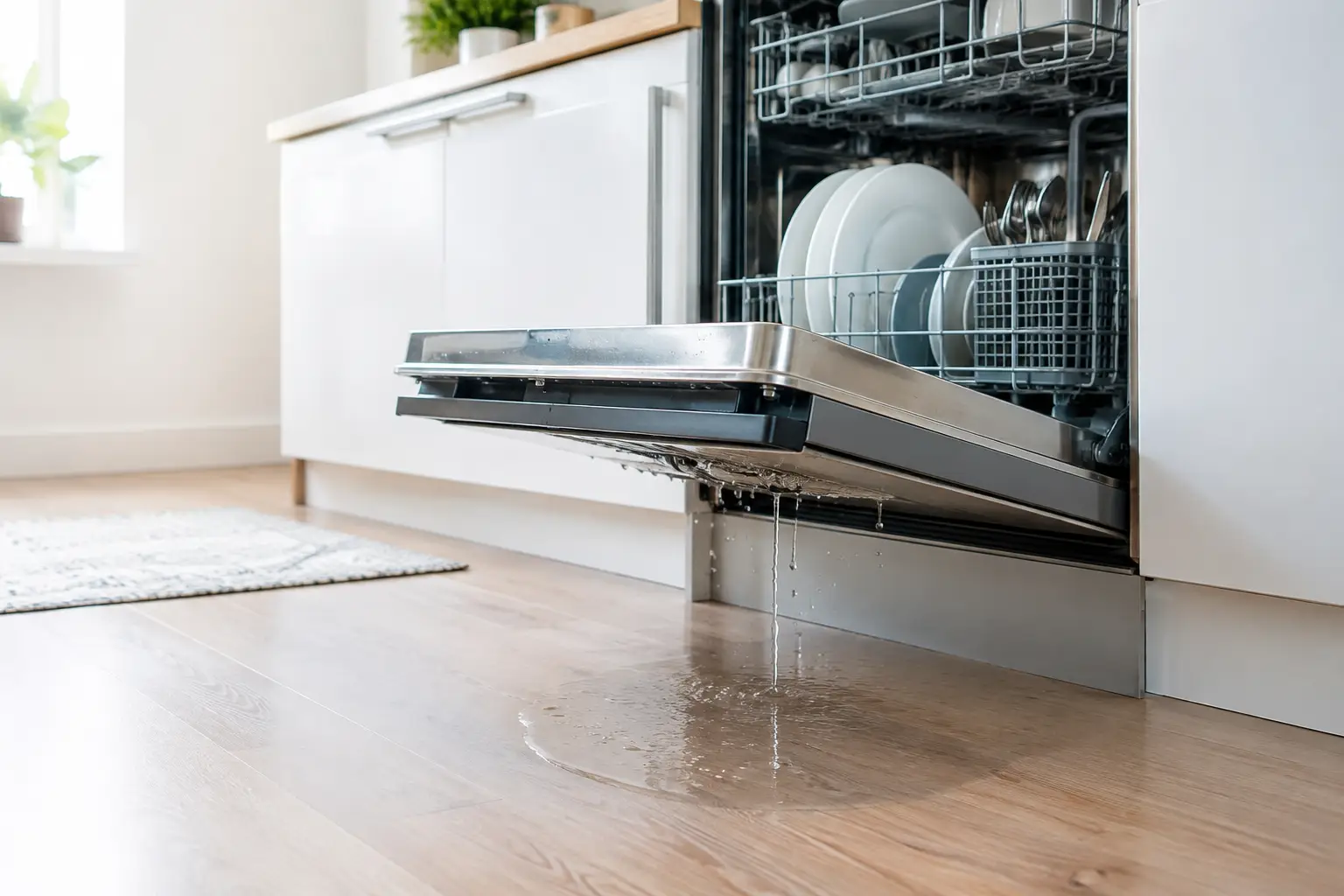
Check the water supply hoses behind the washer every few months. Look for bulging, cracking, rust at the connections, or signs of moisture on the floor or wall. Even a slow drip matters. Washer hose failures can cause major water damage, so replacing worn hoses early is always the safer call.
Next, make sure the machine is level. An unbalanced washer can bang loudly, move during spin cycles, and put extra stress on suspension components. If your washer rocks when you press on the corners, the feet may need adjustment. Flooring also plays a role. A machine on an uneven or flexible floor may need more than a quick foot adjustment to stay stable.
How you load the washer matters too. One oversized comforter or a few heavy towels packed to one side can throw off balance fast. If your washer regularly stops mid-cycle or struggles to spin, the issue may be load distribution rather than a failed part. But if balancing loads does not help, it is worth having it checked before the machine wears itself down.
Don’t ignore drainage warnings
If water remains in the drum after a cycle, drains slowly, or leaves clothes soaking wet, pay attention. Drainage issues rarely improve on their own.
Sometimes the fix is simple. A clogged filter, a kinked drain hose, or an overloaded cycle can interfere with water removal. But there are limits to DIY care here. A blocked pump, failing drain motor, or internal obstruction needs proper diagnosis. Waiting too long can lead to unpleasant odors, repeat stoppages, and in some cases water leaking onto the floor.
One useful habit is listening to your machine. If draining suddenly sounds louder, slower, or more strained than usual, that change matters. New sounds are often one of the first signs that a component is under stress.
When odor means more than “just needs cleaning”
A washer should not smell bad, even in a busy household. Mild detergent scent is one thing. A sour, musty, or sewage-like odor is another.
In many cases, the cause is trapped moisture and residue. Leaving the washer door slightly open between cycles helps it dry out. That simple step is especially helpful for front-load models. Regular cleaning of the gasket, dispenser, and drum also goes a long way.
Still, odor can sometimes point to a larger issue. Poor drainage, buildup in hidden hoses, or a plumbing connection problem can all create smells that keep returning even after cleaning. If you have already cleaned the machine thoroughly and the odor comes back quickly, the problem may be deeper than surface maintenance.
What homeowners should not try on their own
Good maintenance prevents a lot, but not every washer issue is a safe DIY project. Electrical faults, repeated error codes, burning smells, and ongoing leaks should be handled by a qualified technician. The same goes for machines that will not start, will not spin, or trip breakers.
There is also a cost trade-off. Homeowners sometimes keep running a washer that is clearly struggling because it still sort of works. That can turn a repairable issue into a more expensive one. A worn belt, weak pump, or failing bearing rarely gets better with more use.
If you are unsure whether a symptom is minor or urgent, look at the pattern. A one-time imbalance after washing a heavy rug may not mean much. Repeated banging, recurring standing water, or persistent leaking usually means service is the smarter move. For households that need a fast, reliable fix, working with a trusted local team such as Fasteny Appliance Repair can save time and prevent repeat problems.
Maintenance tips for front-load and top brands
Most washing machine maintenance is the same across brands, but a few details differ. Front-load washing machine maintenance leans heavily on drying the rubber door gasket and running a monthly cleaning cycle, since trapped moisture is the main cause of odor. Samsung and LG models usually include a dedicated self-clean or maintenance wash cycle you should run monthly, while Maytag and Whirlpool machines benefit from regular drum cleaning and a quick check of the drain pump filter.
Whatever badge is on your washer, the fundamentals do not change: clean the drum, wipe the seal, keep the dispenser clear, and inspect the hoses. If a brand-specific cycle or error code has you unsure, a technician in Peabody, Waltham, or Brookline can show you the routine care your exact model needs.
A realistic washer care schedule
The most effective washer maintenance guide for homeowners is one that fits real life. After each wash day, wipe moisture from the door seal and leave the door open to dry. Once a month, clean the drum, dispenser, and accessible filter. Every few months, inspect hoses and check that the machine still sits level. Once a year, pay closer attention to changes in noise, drainage, spin performance, and odor. Manufacturer guidance lines up with this: Whirlpool’s washer and dryer maintenance tips recommend cleaning the drum about once a month and inspecting hoses regularly to keep the machine running well.
That schedule is manageable for most households, and it covers the problems that show up most often. If you do laundry daily, have pets, or wash heavy items often, you may need to clean the machine more frequently. Usage matters as much as age.
A washer does not need constant attention, but it does need some. Small maintenance steps protect one of the hardest-working appliances in your home, and they give you a better chance of catching problems before they interrupt your routine. If your machine is showing signs that cleaning and basic upkeep are no longer enough, getting it checked early is usually the faster, less stressful path.
Frequently Asked Questions
How often should I do washing machine maintenance?
Wipe the door seal and leave the door open after each wash, clean the drum and dispenser about once a month, inspect the hoses every few months, and check the machine’s level and performance once a year. Heavy users, pet owners, and large families should clean a little more often.
What is a washing machine maintenance wash and how do I run one?
A maintenance wash is a hot, empty cycle that removes detergent buildup, mold, and odor from the drum. Many Samsung, LG, and front-load models have a dedicated self-clean cycle; if yours does not, run the hottest cycle with a washer-cleaning tablet or a cup of vinegar once a month.
Why does my washing machine smell, and how do I stop it?
Odor usually comes from trapped moisture and detergent residue, especially in front-load door gaskets. Run a monthly cleaning cycle, wipe and dry the seal, keep the door open between washes, and use the correct amount of high-efficiency detergent. Persistent smells can point to a clogged filter or drain that needs service.
Does front-load washing machine maintenance differ from a top-loader?
The basics are the same, but front-loaders need extra attention to the rubber door gasket, which traps water and grows mildew if it stays wet. Drying the seal and running a monthly clean cycle are the two habits that matter most for front-load machines.
Which washer problems should I not fix myself?
Leave electrical faults, repeated error codes, burning smells, and ongoing leaks to a qualified technician. Homeowners in Billerica, Reading, and across Massachusetts can have Fasteny Appliance Repair diagnose those issues safely rather than risk further damage.
Conclusion
Consistent washing machine maintenance is one of the cheapest ways to protect an appliance you use almost every day. Clean the drum and dispenser monthly, dry the door seal, inspect the hoses, and pay attention to changes in sound, drainage, and smell. Those few habits prevent most of the breakdowns that send washers into early retirement.
When maintenance is not enough and a real fault appears, do not force it. Whether you are in Billerica, Reading, Peabody, or Waltham, Fasteny Appliance Repair can diagnose and fix the problem across Massachusetts. Request service online or call (617) 618-3311 to book a visit.