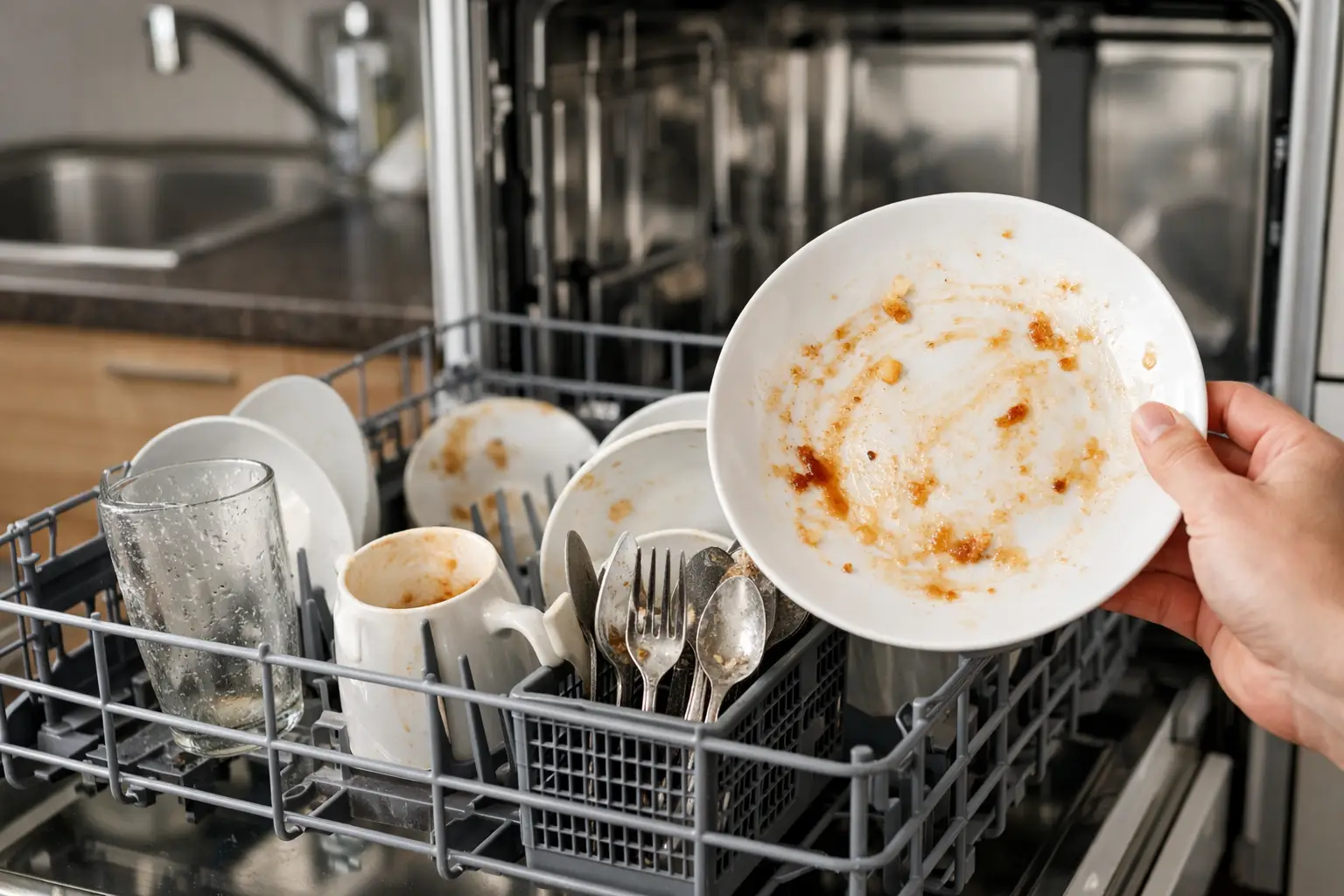
You unload the dishwasher expecting sparkling plates and instead find stuck-on food, cloudy glasses, and gritty residue. A dishwasher not cleaning dishes the way it should is one of the most common complaints homeowners in Peabody, Brookline, and across Massachusetts bring to Fasteny Appliance Repair. The good news is that most cleaning problems trace back to a few fixable causes, and you can work through them before assuming the machine needs a repair.
Poor cleaning is a different symptom from standing water, so if your bigger issue is drainage, see our guide on a dishwasher not draining. This article focuses on why dishes come out dirty and how to get them clean again.
Why Is My Dishwasher Not Cleaning Dishes?
A dishwasher cleans by spraying pressurized hot water and detergent across every surface, then draining the dirty water and repeating. When any part of that cycle is disrupted — blocked water flow, weak detergent action, or poor water temperature — food and film get left behind. Most causes fall into two groups: maintenance issues you can fix yourself, and worn parts that need a technician.
Common Reasons a Dishwasher Stops Cleaning
A Clogged Filter
The filter at the bottom of the tub traps food particles so they don’t redeposit on your dishes. When it fills with grease and debris, dirty water recirculates and leaves a gritty film. Twist out the filter, rinse it under hot water, scrub it with a soft brush, and put it back — ideally once a month. This single step solves a surprising number of cleaning complaints.
Blocked or Stuck Spray Arms
The spray arms must spin freely and shoot water through every hole. Hard-water minerals, seeds, and toothpick fragments clog those holes, and a tall item can physically stop an arm from turning. Remove the arms, clear each hole with a toothpick or wire, rinse them out, and give them a spin by hand to confirm they rotate without catching.
Incorrect Loading
Overloading is one of the most overlooked causes of poor cleaning. Nested bowls, oversized platters, and crowded racks shield dishes from the spray and block the arms. Leave space between items, angle bowls and cups downward so water drains off, and keep large items to the sides so they don’t create a shadow that starves the rest of the load.
Detergent, Rinse Aid, and Water Temperature
Old or caked detergent, a skipped rinse-aid reservoir, and cold incoming water all weaken cleaning. Use fresh detergent stored in a dry place, keep the rinse-aid dispenser filled to cut spotting, and run the kitchen hot tap for a few seconds before starting so the dishwasher fills with water near 120°F.
Hard Water and Mineral Buildup
Much of Massachusetts has moderately hard water, and those dissolved minerals leave a cloudy film on glassware while coating spray arms and heating elements. Running a dishwasher cleaner monthly and using rinse aid keeps mineral buildup from degrading performance.
Why Is My Dishwasher Not Cleaning the Top Rack?
If only the top rack comes out dirty, the upper spray arm or its water feed is the usual suspect. A tall pot on the bottom rack can block the upper arm from spinning, the arm’s spray holes can clog with mineral scale, or the mid-tub water supply tube can be obstructed. Clear the spray holes, confirm nothing below is stopping the arm, and make sure the top rack is seated at the correct height so it lines up with the water feed.
How to Troubleshoot a Dishwasher That Isn’t Cleaning
Working through the simple checks in order clears up most cleaning problems in a few minutes. Start at the top of the list and stop as soon as your dishes come out clean:
- Remove and rinse the filter, scrubbing it with a soft brush.
- Take out the spray arms, clear each hole with a toothpick, and confirm they spin freely.
- Reload with space between items so nothing blocks the arms or shields other dishes.
- Top up the rinse-aid reservoir and switch to fresh detergent.
- Run the kitchen hot tap for a few seconds before starting so the dishwasher fills with hot water.
- Choose a longer or heavy cycle for soiled loads, and run a dishwasher cleaner monthly to clear mineral buildup.
For a manufacturer’s reference, KitchenAid’s dishwasher troubleshooting guide walks through these same checks in more detail. If you reach the end of the list and dishes still come out dirty, the problem has usually moved past routine maintenance.
When Poor Cleaning Is a Repair Problem
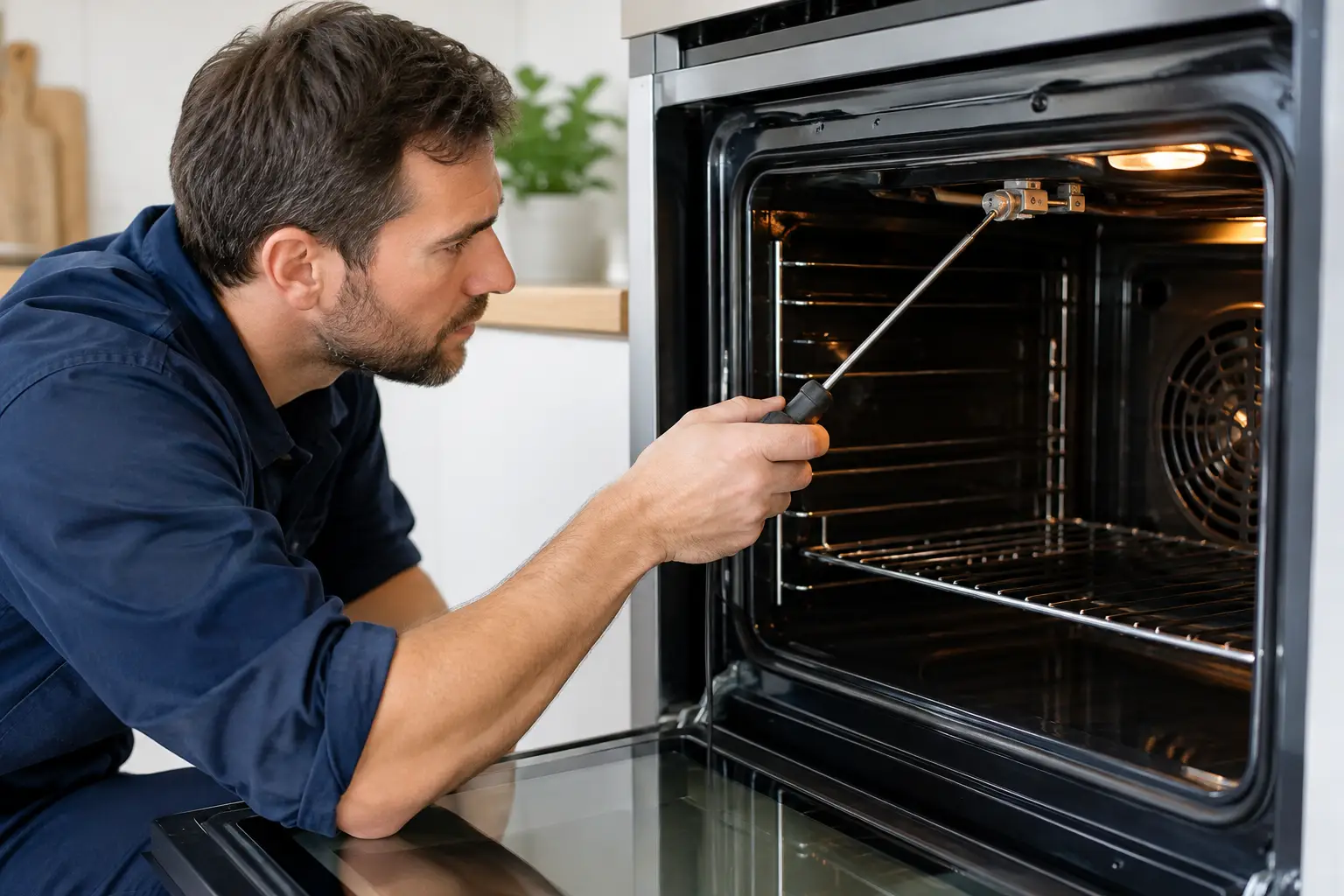
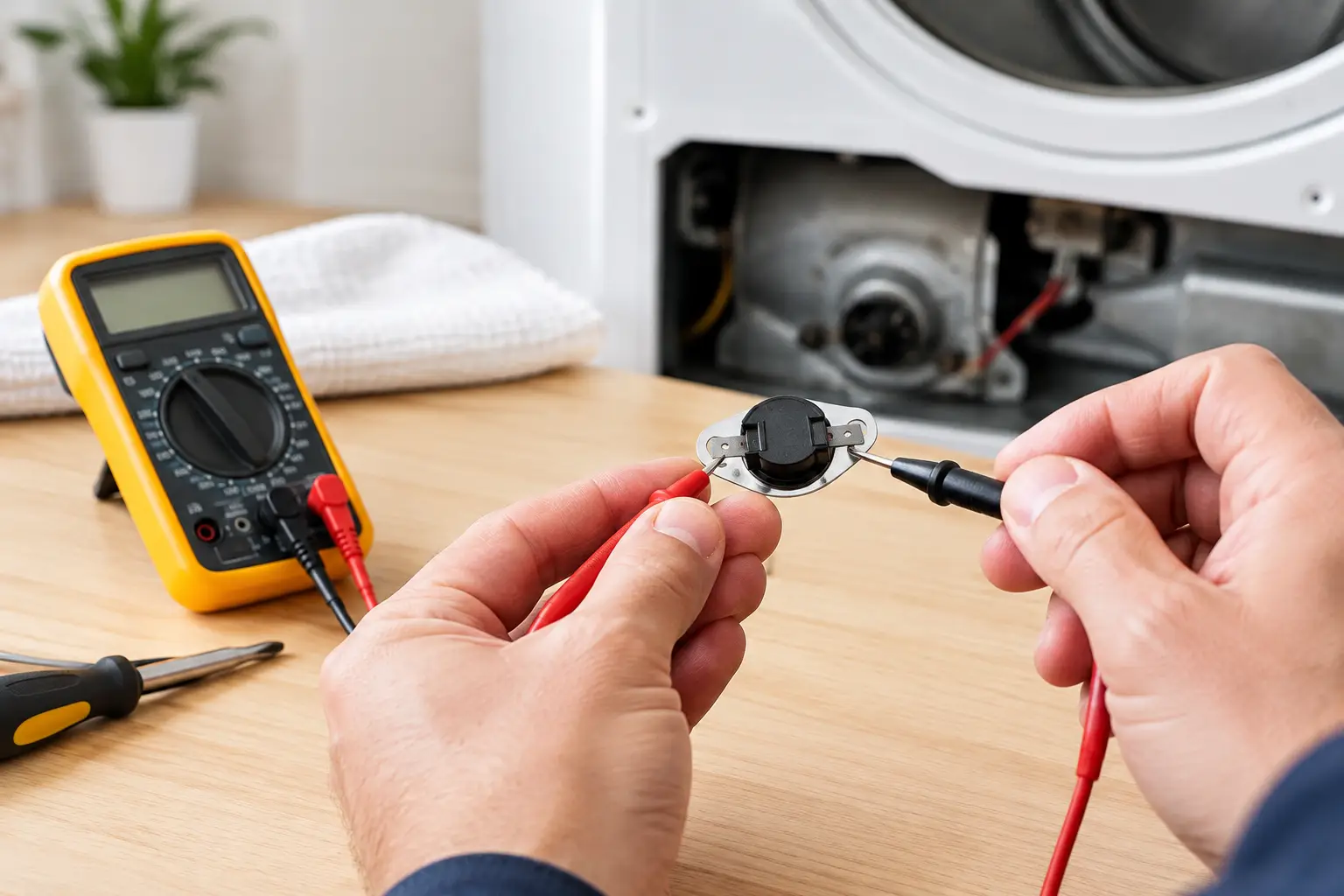
When you’ve cleaned the filter and spray arms, fixed loading and detergent, and dishes still come out dirty, a failing part is likely to blame. A worn circulation pump can’t build enough spray pressure, a faulty water inlet valve lets in too little water, a broken heating element leaves the water too cool to dissolve grease, and a stuck detergent dispenser never releases soap at the right time. Understanding typical appliance repair costs helps you weigh a fix against replacement, and a technician can test each part to pinpoint the fault.
When to Call a Professional
If the troubleshooting steps don’t bring your dishes back to clean, the cause is usually a part that needs testing rather than cleaning, such as the circulation pump, water inlet valve, or heating element. That is the point where a professional can save you time and guesswork. Fasteny Appliance Repair’s technicians serve Waltham, Reading, and communities across Massachusetts, and you are welcome to learn more about our dishwasher repair service whenever you would like a hand.
Frequently Asked Questions
Why are my dishes still dirty after a dishwasher cycle?
The most common reasons are a clogged filter, spray arms that can’t spin, overloading, or weak detergent action from cold water or old detergent. Start by cleaning the filter, freeing the spray arms, and running the hot tap at the sink before you start a cycle so the dishwasher fills with hot water.
Why is my dishwasher not cleaning the top rack?
A dirty top rack usually means the upper spray arm is clogged or blocked, or water isn’t reaching it. Check that tall items on the bottom rack aren’t stopping the upper arm from spinning, clear the spray holes with a toothpick, and make sure the middle water feed isn’t obstructed.
Can hard water stop a dishwasher from cleaning?
Yes. Mineral buildup from hard water coats spray arms, filters, and heating elements, leaving a cloudy film and blocking water flow. Using rinse aid, running a dishwasher cleaner monthly, and adding more detergent for hard water all help restore performance.
Does the way I load the dishwasher affect cleaning?
Very much. Overcrowding, nesting bowls, and blocking the spray arms all keep water from reaching every surface. Leave space between items, angle bowls and cups downward, and keep large platters off to the sides so they don’t shield other dishes.
When should I call a technician for a dishwasher that won’t clean?
If you’ve cleaned the filter and spray arms, corrected loading and detergent, and dishes are still coming out dirty, the water inlet valve, circulation pump, or heating element may have failed. Those parts need testing and replacement by a licensed technician.
Conclusion
A dishwasher not cleaning dishes is usually a maintenance story before it’s a repair story — a clogged filter, blocked spray arms, crowded racks, or hard-water film are behind most cases, and each is a quick fix. When the pump, inlet valve, or heating element is the real culprit, don’t keep rewashing by hand. Request service from Fasteny Appliance Repair or browse our full appliance repair services, and a technician serving Peabody, Brookline, Waltham, and communities across Massachusetts will get your dishwasher cleaning like new. Call +1 (617) 618-3311 or visit fastenyappliance.com to book.