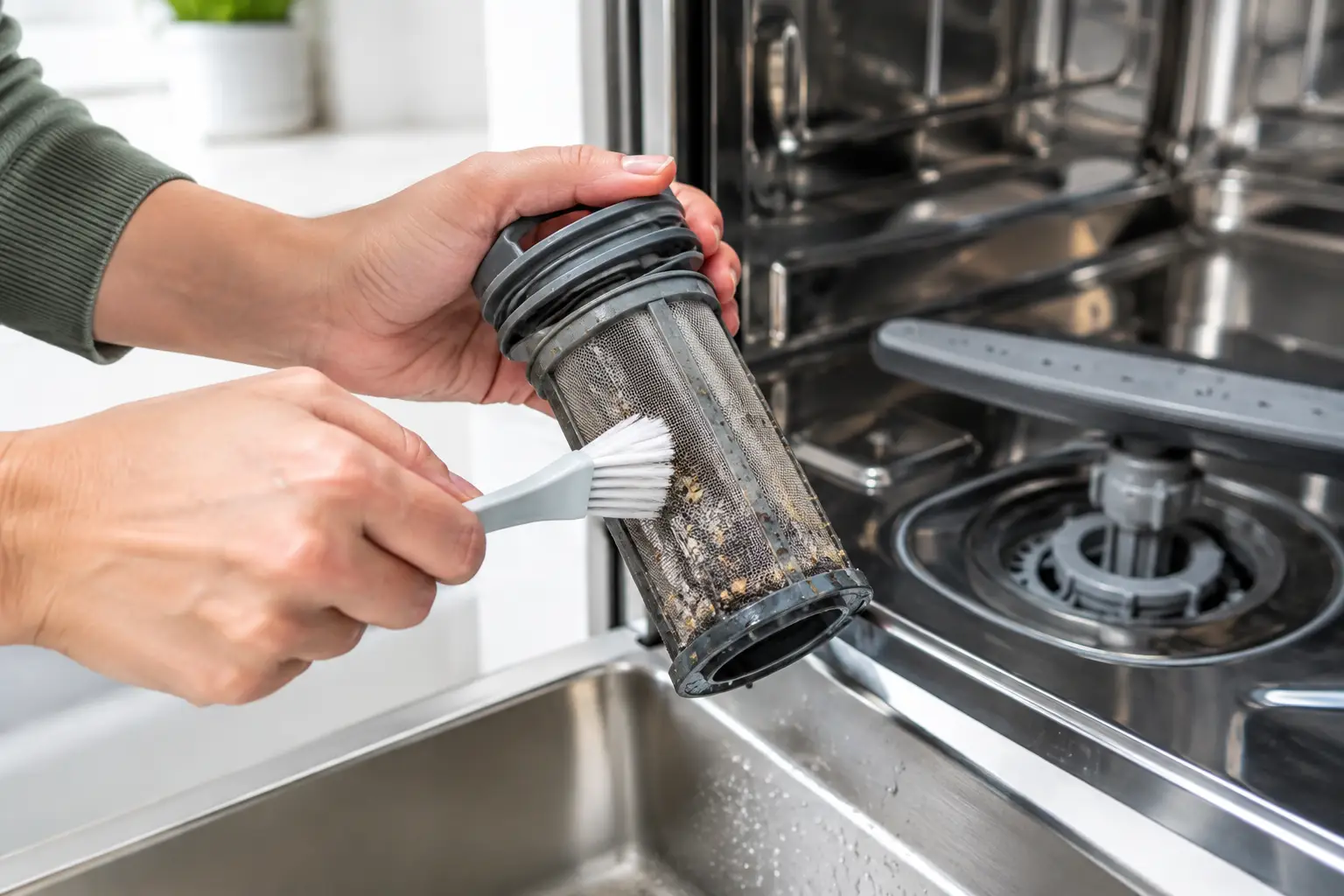
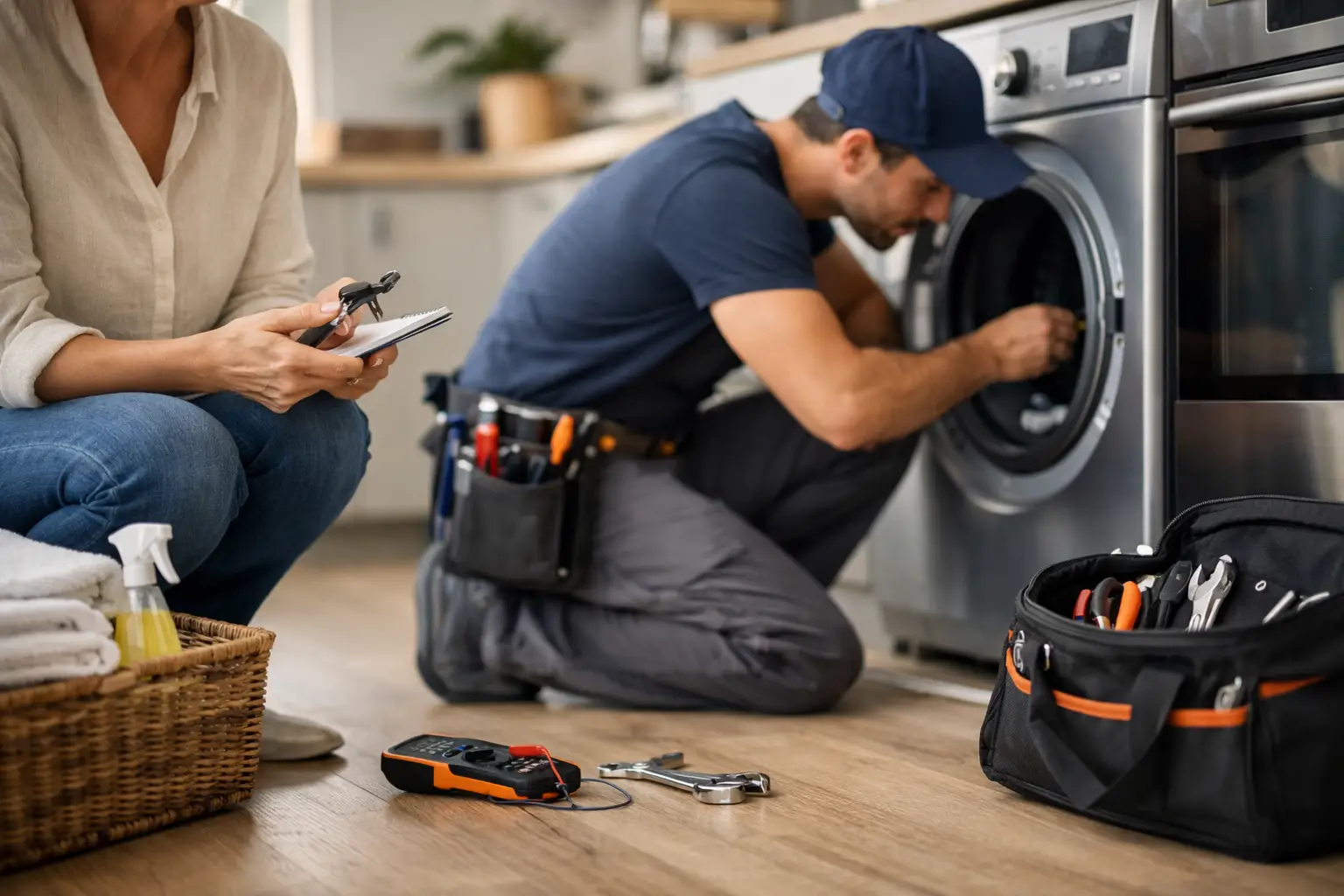
A refrigerator that stops cooling or a washer that will not drain can disrupt an entire day. Knowing how to prepare for appliance repair helps turn a stressful service call into a faster, clearer visit. A little preparation gives the technician room to work, provides useful clues about the failure, and helps you get a straightforward answer about repair options and cost.
At Fasteny Appliance Repair, serving Reading, Billerica, and communities across Massachusetts, we make it easy to know how to prepare for appliance repair so your technician can diagnose the problem quickly and give you a clear answer on repair and cost.
How to Prepare for Appliance Repair Before the Visit
You do not need to diagnose the appliance yourself. In fact, taking apart a major appliance before service can make an issue harder to trace or create a safety risk. Your job is simpler: preserve the evidence, make the unit accessible, and share the details that only someone using the appliance every day would know.
Write down what happened and when
A technician can test components, inspect connections, and read error codes. But the timeline often points them toward the right system sooner. Before the appointment, make a few notes about what the appliance is doing and when the issue began.
For example, a dishwasher may leave standing water at the end of every cycle, leak only during the wash cycle, or make a grinding sound before it stops draining. A dryer may run normally but produce no heat, take two cycles to dry clothes, or shut off after several minutes. Those are different symptoms, and they can lead to different diagnoses.
Include details such as whether the problem is constant or intermittent, whether it began after a power outage or move, and whether you noticed unusual sounds, smells, leaks, or error messages. If an error code appears on the display, write it down exactly as shown. A photo or short video can also be useful when the symptom comes and goes.
Find the model and serial number
The model number helps a repair professional identify the appliance design, likely replacement parts, and service information. It is not always the same as the brand name printed on the front of the unit.
On refrigerators, the label is commonly inside the fresh-food compartment, along a side wall or near the crisper drawers. Dishwashers often have it along the inside edge of the door. Washers and dryers may have it under the lid, around the door opening, or on the back panel. Ovens, ranges, and microwaves can place the label inside the door frame, on the side, or behind the lower drawer.
Take a clear photo of the label if possible. If it is difficult to reach, do not pull a heavy appliance away from the wall just to find it. Let the technician handle that safely during the visit.
Keep the appliance in its current condition
It is tempting to run one more load, restart the appliance repeatedly, or try several online fixes. Sometimes a basic reset is reasonable, especially if the owner’s manual recommends it. But repeated testing can worsen a leak, overheat a failing part, or erase a useful error code.
If a refrigerator is not cooling, protect your food first. Move perishable items to a working refrigerator or cooler with ice, and avoid opening the doors more than necessary. If a washer is leaking, stop using it and place towels around the area only if it is safe to do so. For a burning smell, smoke, sparks, or a tripped breaker that returns immediately, turn off power at the appliance or breaker if you can do so safely and request service promptly.
Do not use a gas range or oven if you smell gas. Leave the area and follow the appropriate emergency guidance from your gas provider or local emergency services. Appliance repair begins with safety, not troubleshooting.
Clear a Safe Path to the Appliance
A fast diagnosis depends partly on access. Technicians often need to inspect the back, sides, drain connections, electrical outlet, venting, or water line. A crowded laundry room or packed cabinet does not prevent a repair, but it can add time and make the work less efficient.
Clear a walking path from the entrance to the appliance. Move laundry baskets, pet supplies, stored boxes, and loose rugs that could create a tripping hazard. For kitchen appliances, clear the countertop or floor space immediately around the unit. If you have a washer or dryer in a closet, remove items stored in front of or on top of the machines.
You usually do not need to disconnect water, gas, or electrical service ahead of time. Improper disconnection can create damage or safety concerns. The exception is an active emergency, such as a serious leak or electrical hazard, where shutting off the appropriate supply may be necessary if you know how to do it safely.
If the appliance is built in, tell the repair company when scheduling. A wall oven, built-in microwave, stacked laundry unit, or refrigerator enclosed by cabinetry may require extra time or a specific approach to access the unit. Sharing that information in advance supports a more accurate appointment plan.
Make It Easier to Diagnose the Real Problem
Many appliance failures look similar from the outside. A refrigerator that is warm may have an airflow issue, a defrost problem, a failed fan, a dirty condenser area, or a sealed-system concern. A skilled technician sorts through those possibilities with testing, not guesswork. You can help by providing context without trying to direct the repair.
Be ready to explain the appliance’s normal routine and what changed. Mention whether the issue occurs with every use, only on a certain setting, or only at a particular point in the cycle. If you recently changed detergent, installed a new water filter, had plumbing work done, or experienced a power interruption, say so. These details may or may not be related, but they are worth knowing.
If the appliance makes a sound, describe it in practical terms: clicking, buzzing, scraping, banging, humming, or rattling. Note where you hear it and when it happens. “The dryer makes a loud thump only after it warms up” is more useful than “it sounds weird.”
It also helps to mention previous repairs. Let the technician know what was repaired, when it was done, and whether the current problem started before or after that work. Keep any recent invoices available if you have them, especially if another company installed a part.
Plan for Pets, Children, and Your Schedule
Appliance repairs can involve moving heavy equipment, opening panels, using tools, and testing water or electrical connections. Keep pets in a separate room and make sure young children are away from the work area. This protects everyone and allows the technician to focus on the diagnosis.
An adult decision-maker should be available during the appointment whenever possible. The technician may need approval before proceeding with a repair after explaining the diagnosis, parts availability, and pricing. If you cannot be there, make sure the person who will be present understands the problem and has permission to discuss repair choices.
For rental properties or small businesses, coordinate access in advance. Confirm parking instructions, unit numbers, loading areas, security procedures, and the best on-site contact. A restaurant break-room refrigerator, salon dryer, or office microwave may be less complex than a commercial-grade machine, but delayed access can still delay a practical repair.
Know What to Ask About Pricing and Repair Choices
A dependable repair visit should leave you with more than a replaced part. You should understand what failed, why the proposed repair addresses the symptom, and what the total cost includes.
Ask whether the quoted price includes diagnosis, labor, parts, and any return visit needed once a part arrives. Ask about warranty coverage for both parts and labor. If a repair is not recommended because of the appliance’s age, condition, or expected cost, ask why. Sometimes repair is the sensible choice. Other times, especially with an older unit facing a major component failure, replacement may offer better long-term value.
There is no single age at which every appliance should be replaced. The right decision depends on the type of appliance, the nature of the failure, the condition of the rest of the unit, and the cost of a comparable replacement. A transparent technician should explain the trade-off clearly rather than pressure you toward work you do not need.
Fasteny Appliance Repair serves homeowners and local businesses across Greater Massachusetts with certified technicians, clear quotes, and same-day or next-day availability when scheduling allows. Whether you are in Peabody, Waltham, Brookline, or another nearby community, sharing good information before the visit helps the service team focus on restoring the appliance correctly.
Avoid These Common Pre-Repair Mistakes
Do not use duct tape, improvised wiring, or makeshift plumbing repairs to keep an appliance running until service arrives. Temporary fixes can hide the original failure or create a larger problem. Avoid pushing heavy appliances across flooring without help, too. Floors, water lines, dryer vents, and power cords are easy to damage when a unit is moved abruptly.
Also resist the urge to order a part based only on a symptom or an online video. The same code or behavior can have multiple causes. Ordering the wrong part costs time and may not be returnable once installed. A professional diagnosis is the best way to avoid paying for guesses.
The most useful thing you can bring to an appliance repair appointment is a clear picture of the problem and a safe workspace around the machine. From there, you can listen to the diagnosis, ask direct questions, and make a repair decision with confidence instead of urgency alone.
A Quick Pre-Visit Checklist
Before the technician arrives, run through these practical details. If you’re comparing quotes, the U.S. Federal Trade Commission’s advice on how to avoid a scam is a good reminder to get pricing in writing.
- Stop using the appliance if there is any safety concern.
- Clear a safe path and working space around the unit.
- Note symptoms, error codes, timing, and any recent changes.
- Keep photos, videos, manuals, or model information handy.
- Arrange adult access, parking guidance, and building entry if needed.
- Secure pets and keep children away from the work area.
Frequently Asked Questions
How should I prepare for an appliance repair visit?
Clear a safe path to the appliance, have the model and serial number ready, write down the symptoms and when they started, and secure pets and children. Leaving the appliance in its problem state also helps the technician see the fault firsthand.
What information should I have ready for the technician?
The brand, model, and serial number, a plain description of the symptoms, any error codes on the display, and when the problem began. Photos or a short video of the issue are helpful when the fault is intermittent.
Should I try to fix the appliance before the technician arrives?
It’s best not to. Leaving the appliance in its current condition lets the technician observe the actual failure. The exception is safety: if you smell gas, see sparks, or find water pooling, shut the appliance off first.
Where do I find my appliance’s model and serial number?
Look for a label or plate inside the door frame, along the side, or on the back of the unit. Having those numbers ready lets the technician confirm the right parts before arriving.
What should I ask about pricing during the visit?
Ask about the diagnostic fee, request a written estimate before any work begins, and confirm what’s covered by parts versus labor. Clear numbers up front prevent surprises.
Conclusion
A little preparation turns a stressful breakdown into a fast, clear repair visit. Have your model details ready, keep the appliance in its problem state, and know the questions you want to ask. Fasteny Appliance Repair serves Billerica, Peabody, and communities across Massachusetts with transparent pricing and dependable work. Request a repair, visit our homepage, or call +1 (617) 618-3311 to book your visit.