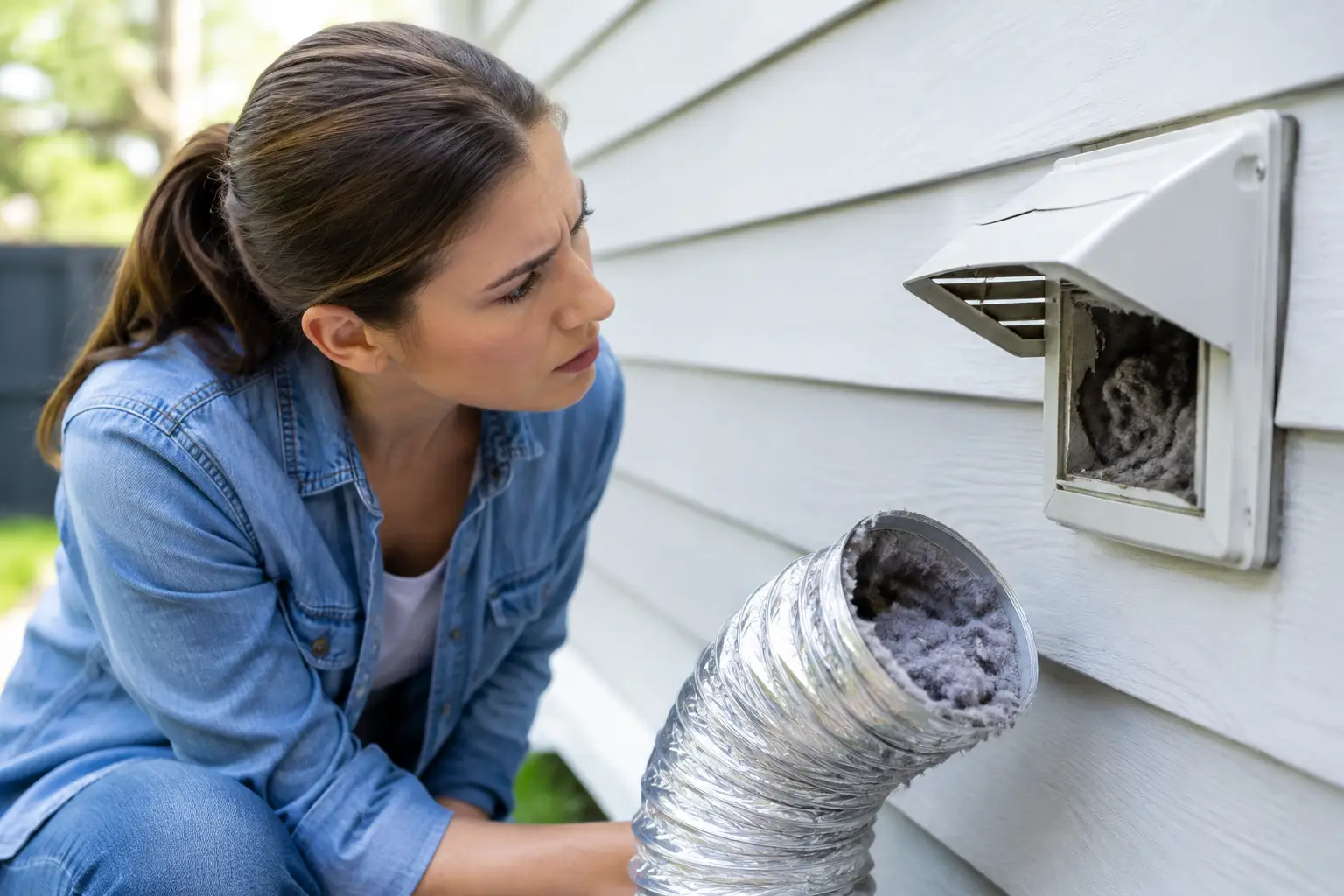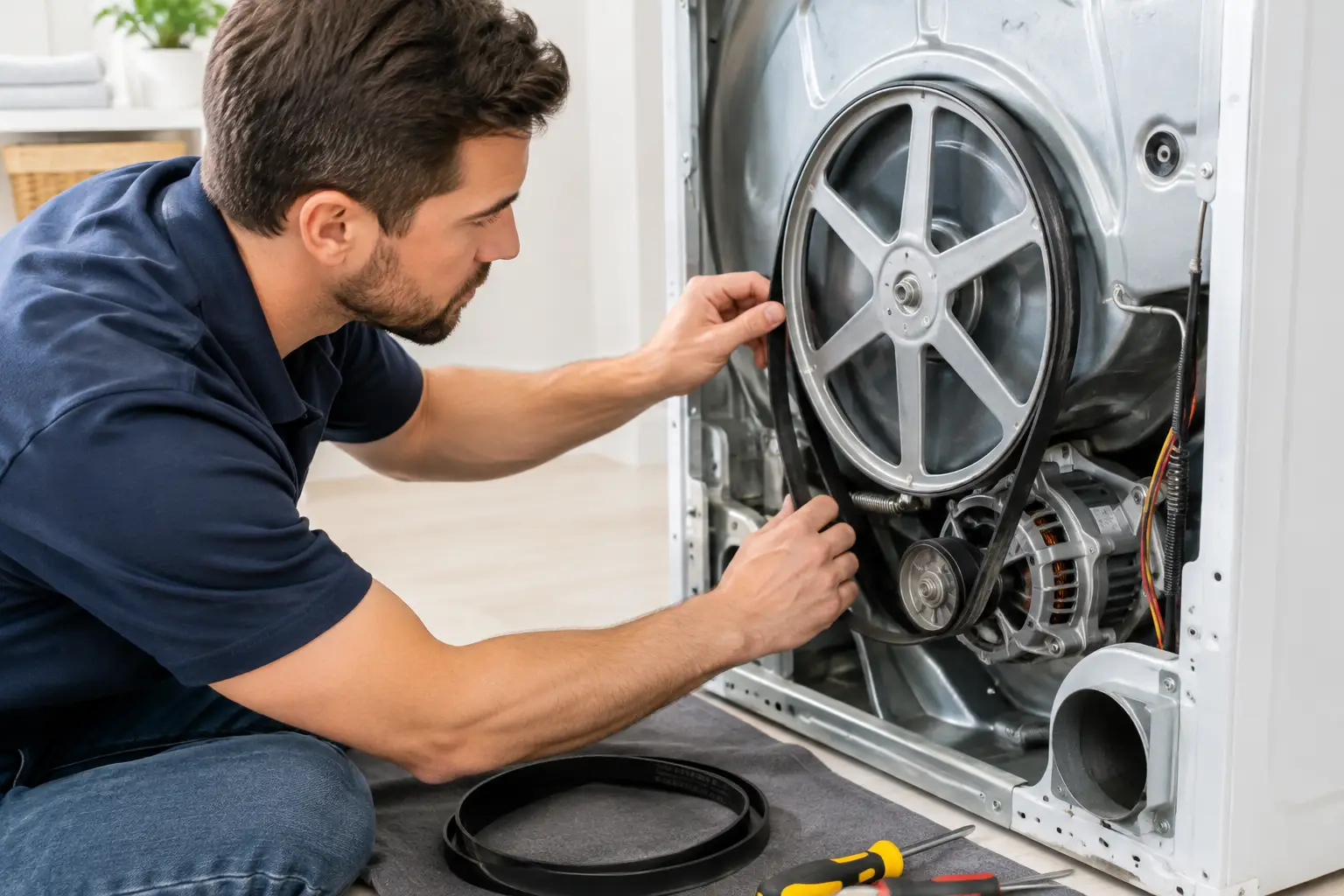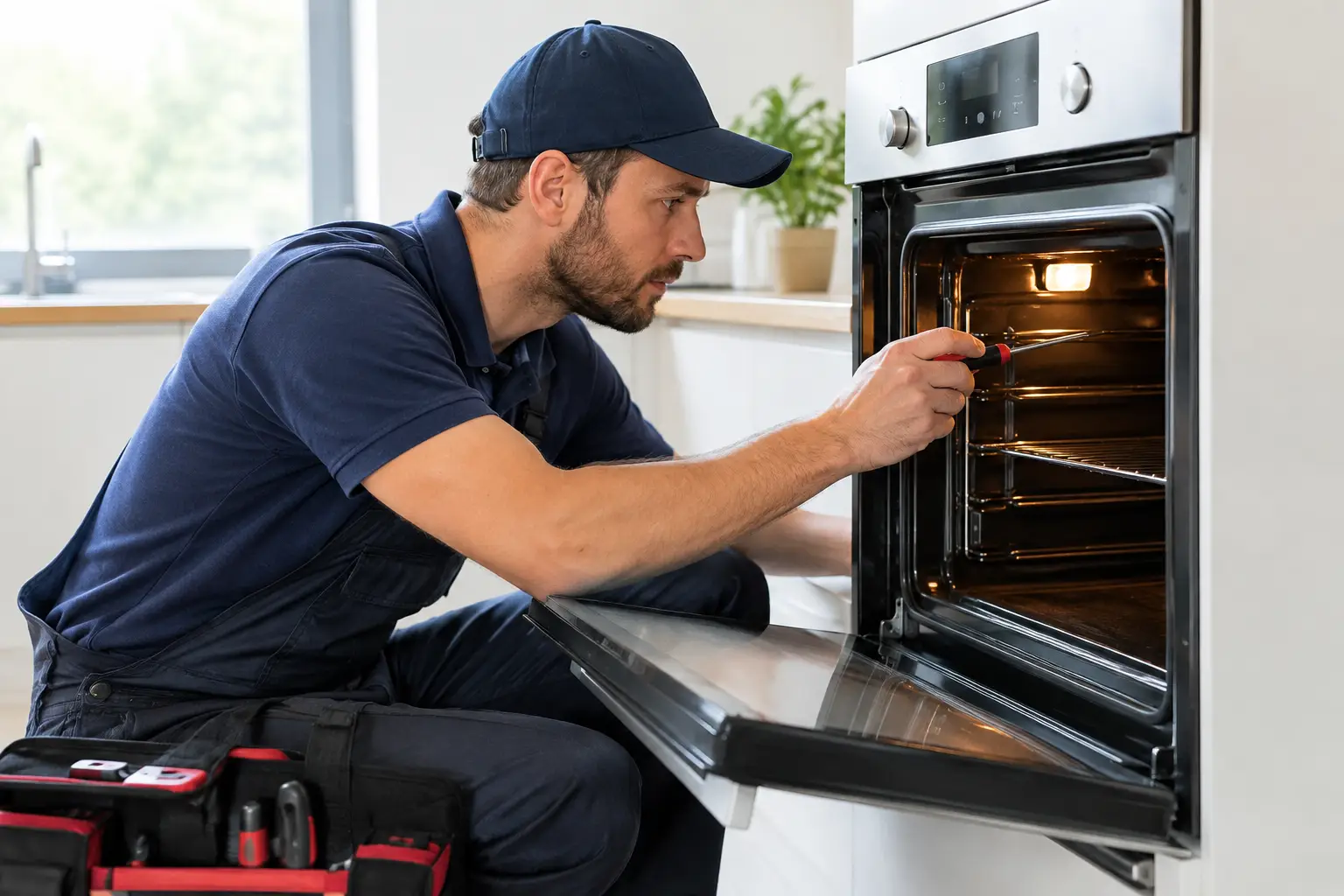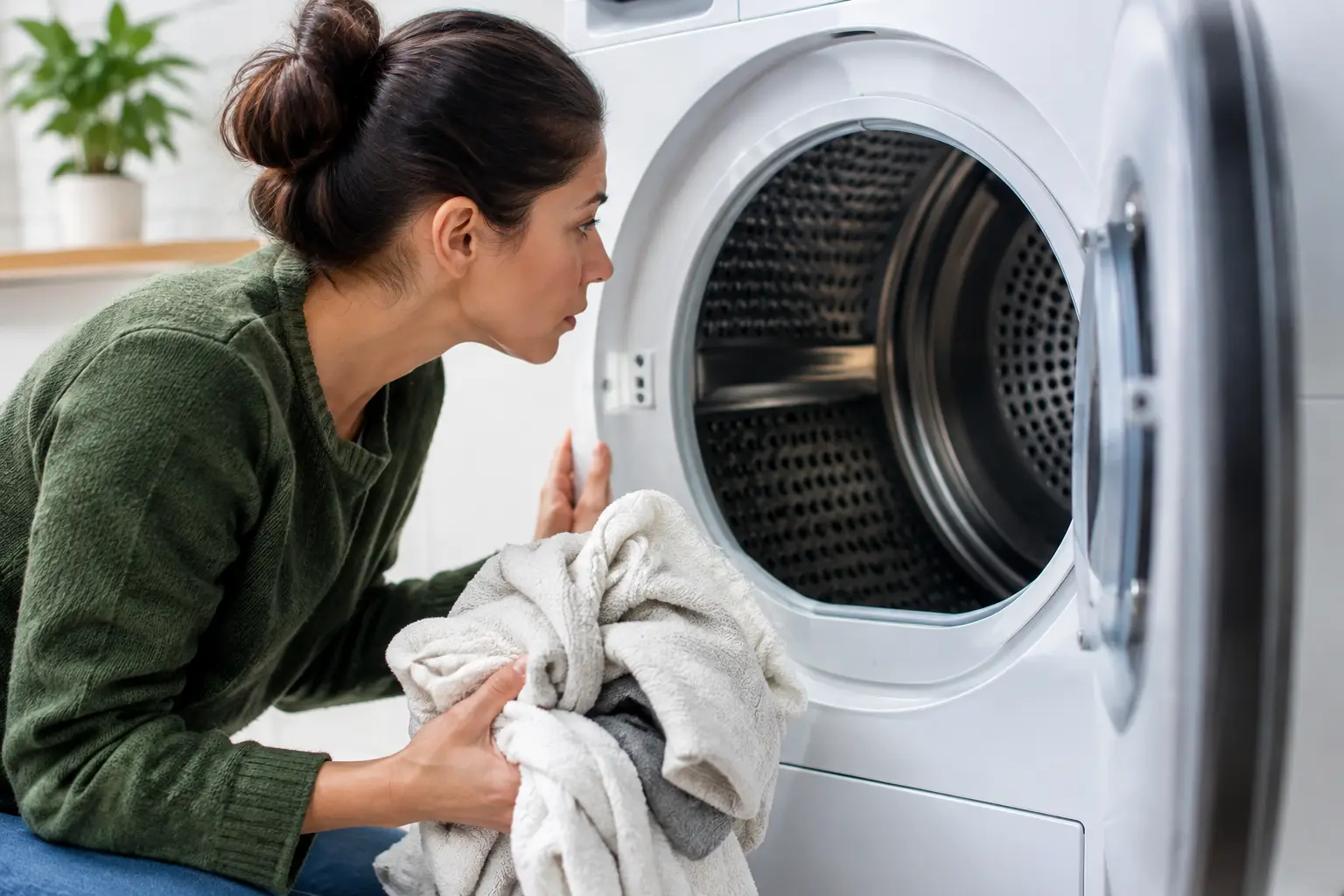

A refrigerator that stops cooling or a dryer that will not heat creates an immediate problem: food, laundry, routines, and sometimes a business operation are all on hold. A careful repair estimate review gives you a clear picture of what is wrong, what it will cost to fix, and whether the proposed repair makes sense before work begins.
The best estimate is not simply a number at the bottom of a page. It connects the appliance symptom to a professional diagnosis, identifies the parts and labor involved, and makes the approval process easy to understand. When a technician explains the quote clearly, you can move forward without worrying about surprise charges or repairs you did not authorize.
What a Repair Estimate Should Clearly Show
A fair appliance repair estimate starts with the diagnostic finding. “Not cooling” is a symptom, not a diagnosis. A refrigerator may have a failed evaporator fan, a damaged start relay, a defrost issue, a control-board problem, or a sealed-system concern. Each has a different repair path and cost.
Your estimate should describe the recommended repair in plain language. It does not need to read like a technical manual, but it should tell you what part or component is being replaced, adjusted, or repaired and why that work addresses the issue you reported.
It should also separate the main costs. In most cases, that means the service or diagnostic charge, parts, labor, and applicable taxes. Some repairs may involve additional considerations, such as a second technician for a built-in refrigerator, extra time to access a stacked washer and dryer, or a return visit when a special-order part is required. Those details should be discussed before you approve the work.
A clear quote also states whether the diagnostic fee is applied toward the completed repair. Policies vary by company, so this is a reasonable question to ask when scheduling service or reviewing the estimate.
Why the Lowest Quote Is Not Always the Best Choice
Comparing estimates is smart, especially for a larger repair. But the lowest number does not always represent the best value. One quote may include an original manufacturer part, while another relies on a lower-cost aftermarket alternative. Either option can be appropriate depending on the appliance and the available parts, but you deserve to know which is being used.
Labor coverage matters too. A repair company that stands behind its work provides more than a quick fix. It gives you a clear point of contact if the same problem returns. Ask what warranty applies to the labor and replacement part, and whether the coverage begins on the repair date.
The technician’s diagnostic process is equally important. Replacing a visible part without confirming the underlying cause can lead to a second service call and another bill. For example, a dishwasher that will not drain may have a blocked drain path, a failed drain pump, a wiring issue, or a control problem. Proper testing helps avoid replacing parts that are not actually defective.
For most homeowners and local businesses, the best quote balances price, quality of parts, technician experience, and confidence that the repair will be completed correctly the first time.
Questions to Ask During a Repair Estimate Review
You do not need appliance-repair experience to review a quote well. A professional technician should be comfortable answering direct questions and explaining the recommendation without pressure.
Start by asking what caused the failure and whether the repair addresses the root problem. Then ask whether the quoted part is new and whether it is manufacturer-original or a compatible replacement. If the part needs to be ordered, ask about the expected timeline and whether the appliance can be used safely while you wait.
It is also helpful to confirm the full approved total. Ask whether the estimate includes labor, parts, service charges, taxes, and any potential additional costs. If a technician finds another problem after beginning the repair, the standard should be simple: you are contacted, the new issue is explained, and you approve any change in price before additional work proceeds.
For an older appliance, ask one more practical question: is this repair likely to provide a worthwhile extension of service life? No technician can promise how long any appliance will last, but an experienced professional can help you weigh the condition, age, repair history, and cost of the proposed work.
Repair or Replace: How to Make the Call
A repair estimate is also a decision tool. Not every appliance should be replaced after a breakdown, and not every appliance is worth a major repair. The right answer depends on the type of unit, the nature of the failure, and your household or business needs.
A relatively new washer with a failed lid lock or drain pump is often a sensible repair. The same is true for many ovens with failed bake elements, dryers with worn heating components, and dishwashers with replaceable pumps or valves. These repairs can restore an essential appliance for far less than the cost and disruption of replacement.
The decision becomes less straightforward when the estimate involves a major sealed-system refrigerator repair, multiple failed components, extensive rust or structural damage, or an appliance that has already needed repeated service. Replacement may also be the better choice when parts are discontinued or when the unit has poor performance even after prior repairs.
There is no universal percentage that makes the decision for you. Appliance age and replacement cost are useful reference points, but they do not tell the whole story. A high-end built-in appliance may justify a repair that would not make sense for a basic model. Likewise, replacing a working wall oven can involve cabinet, electrical, or installation expenses that change the calculation.
A trustworthy technician should give you the facts, explain the trade-offs, and let you decide. High-pressure sales tactics have no place in a service visit.
Red Flags in an Appliance Repair Quote
Most repair estimates are straightforward, but a few warning signs deserve attention. Be cautious if a company gives a firm repair total over the phone without inspecting the appliance. A symptom can point to several different failures, and an accurate quote usually requires testing.
Be equally cautious when the technician cannot explain what part has failed or why it needs replacement. Technical language alone is not proof of expertise. You should receive a plain-English explanation of the issue and the recommended solution.
Other red flags include a vague estimate with no breakdown, pressure to approve immediately, unclear warranty terms, or charges that appear only after work is complete. Emergency appliance problems are stressful, particularly when a refrigerator is warming up or a commercial dryer is out of service. That urgency should never be used to rush you into an unclear agreement.
A reputable company will document the work, set expectations about timing, and ask for approval before proceeding. If something changes during the repair, clear communication matters just as much as the repair itself.
When Fast Service Still Includes Clear Pricing
Same-day or next-day service does not mean skipping the estimate. In fact, a fast response is most useful when it comes with a careful diagnosis and an honest explanation of the next step.
For Massachusetts homeowners, landlords, and small business operators, delays can make a manageable appliance issue much more disruptive. A leaking washer can damage flooring. A failed refrigerator can put groceries or inventory at risk. A broken oven can interrupt a busy household or food-service operation. The goal is to get a qualified technician on site quickly, identify the cause, and present a clear repair option before the problem grows.
Fasteny Appliance Repair approaches estimates with that practical standard: diagnose the appliance, explain the recommended repair, provide a fair quote, and complete approved work with certified technical care. Whether service is needed in Peabody, Waltham, Brookline, or another Greater Massachusetts community, customers should know what they are paying for before the repair begins.
A good estimate should leave you feeling informed, not cornered. Keep the written quote, ask the questions that matter, and choose the repair path that fits your appliance, budget, and timeline. When the explanation is clear and the pricing is transparent, approving a needed repair becomes a much easier decision.