That sour, damp smell when you open the washer door is usually the first warning sign that moisture has been sitting too long. Dealing with mold in a washing machine is not complicated, but it does require consistency. A few small habits after each load can keep mold from taking hold, protect your clothes from odor, and help your machine avoid the buildup that often leads to repair calls. Fasteny Appliance Repair sees this constantly with homeowners across Billerica, Reading, and nearby Massachusetts towns.
Washer mold is most common in front-load machines, but top-load units are not immune. Any washer that stays wet, traps detergent residue, or has poor drainage can develop mold and mildew. Once that buildup starts, it tends to spread around the rubber door boot, detergent drawer, inner drum, and drain system.
Why washers develop mold in the first place
Mold needs three things to grow – moisture, warmth, and a food source. Washing machines provide all three. After a cycle, the tub stays humid, the room may be warm, and leftover detergent, fabric softener, lint, and body oils create residue that mold can feed on. The EPA’s guide to mold and moisture makes the same point about any damp space: controlling moisture is the single most effective way to control mold.
High-efficiency machines are especially prone to this because they use less water. That is great for utility savings, but it also means soap and debris are less likely to rinse away completely if the wrong products or too much detergent are used. Add a closed door and a clogged drain path, and mold has exactly the environment it wants.
Best ways to prevent washer mold after every load
The most effective prevention starts the minute a cycle ends. If laundry sits in the machine for hours, you are giving moisture and residue more time to settle into the drum and gasket.
Leave the washer door open for a while after each load. This simple step lets trapped moisture evaporate instead of lingering inside the drum. If you have a front-load washer, open the detergent drawer too. That compartment often stays wetter than people realize, and it can become a hidden mold source.
It also helps to remove clean laundry promptly. Wet towels, workout gear, and heavy fabrics hold moisture and keep the tub humid. Even if the load smells fine when the cycle ends, letting it sit too long can lead to a musty odor later.
If your laundry area is small or poorly ventilated, air circulation matters even more. A nearby fan, a slightly open door, or better room ventilation can make a noticeable difference.
Clean the door gasket before buildup starts
If you own a front-load washer, the rubber gasket deserves regular attention. This is one of the most common places mold appears because water pools in the folds of the seal.
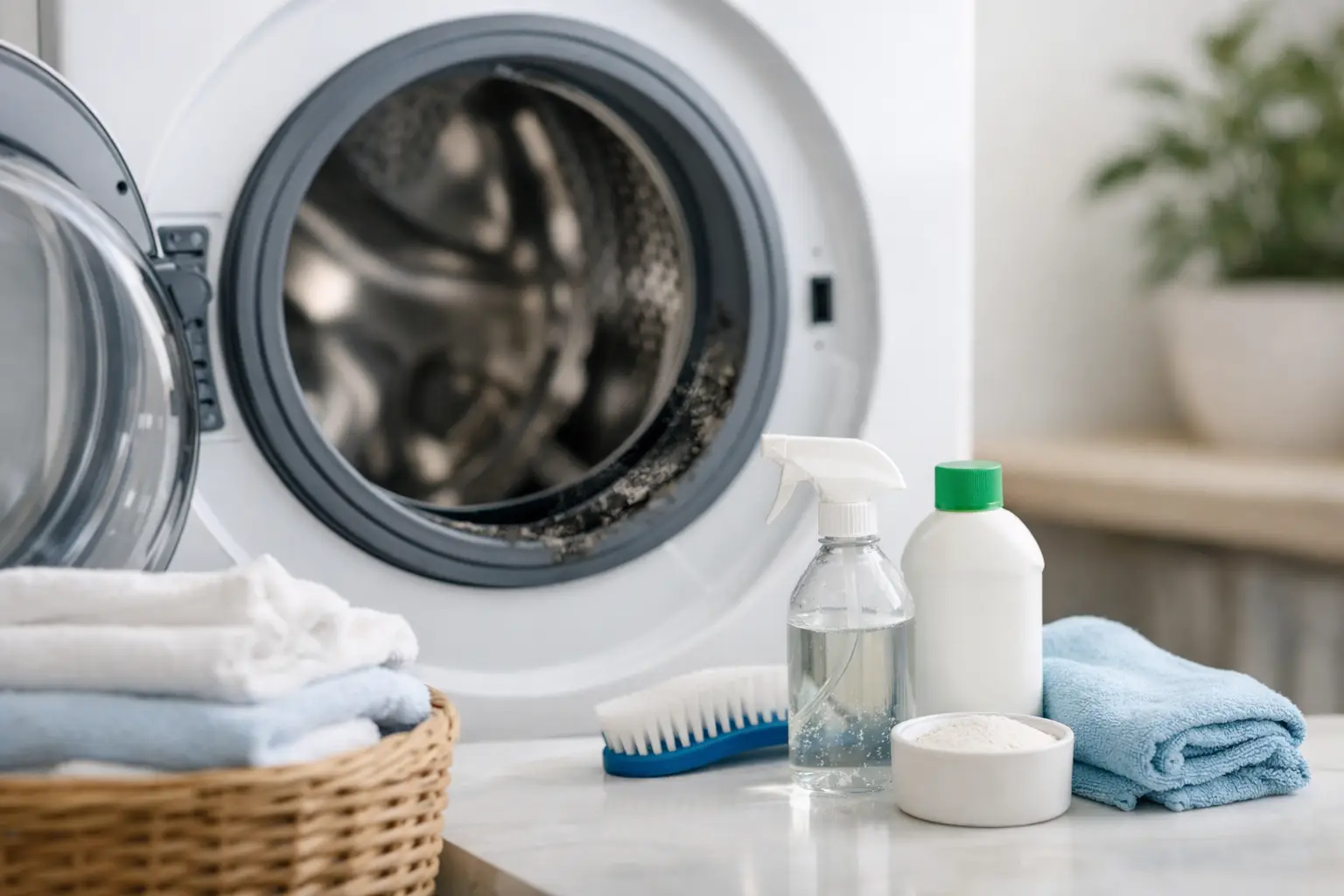
Wipe the gasket dry after washing, especially the lower section where water tends to collect. Pull back the folds carefully and check for lint, hair, pet fur, or small fabric debris. Those materials trap moisture and feed mildew.
You do not need an aggressive routine every day, but you do need consistency. A quick wipe takes less than a minute and can prevent the black spotting and odor that often become much harder to remove later.
If the gasket already has visible staining, cleaning may help, but not always fully. In some cases, mold penetrates the rubber and the seal needs replacement. That is one of those situations where prevention is much easier and cheaper than waiting.
Use the right detergent, and less of it
One of the most overlooked causes of washer mold is detergent overuse. More soap does not mean cleaner laundry. In fact, too much detergent creates excess suds and residue, especially in high-efficiency machines. That residue sticks to the drum, hoses, gasket, and pump system, giving mold more material to grow on.
Always use HE detergent if your washer requires it, and measure it carefully. Many people pour based on habit, not load size. If you regularly wash smaller loads, you likely need less than you think.
Fabric softener can cause similar problems. It leaves a waxy film that smells fresh at first but can build up over time. If your washer already has odor issues, cutting back on softener may help. Some households find that dryer balls or other alternatives reduce residue inside the machine.
There is a trade-off here. If you have hard water, too little detergent may leave clothes looking dull. The goal is not to underuse detergent. It is to use the right amount for your water conditions, machine type, and load size.
Run a cleaning cycle on a schedule
A washer that looks clean is not always clean inside. Mold often develops in places you cannot see, including the outer tub and drain components. That is why routine maintenance cycles matter.
If your machine has a tub clean setting, use it. If not, run an empty hot-water cycle based on the manufacturer’s guidance. For many households, once a month is a good baseline. If you do frequent loads, wash a lot of towels, or use the machine in a busy rental or small business setting, you may need to clean it more often.
Pay attention to the detergent drawer during this process. Remove it if your model allows, rinse away residue, and scrub any slimy buildup before putting it back. A neglected drawer can keep reintroducing odor even after the drum is cleaned.
Avoid guessing with harsh chemical combinations. Some products can damage internal components or create fumes in enclosed laundry spaces. If there is heavy buildup or a persistent smell after repeated cleaning, the issue may be deeper in the drain system.
Do not ignore drainage problems
A washer that drains slowly is at much higher risk for mold. Standing water in the tub, drain hose, or pump filter creates exactly the kind of damp environment that mildew needs.
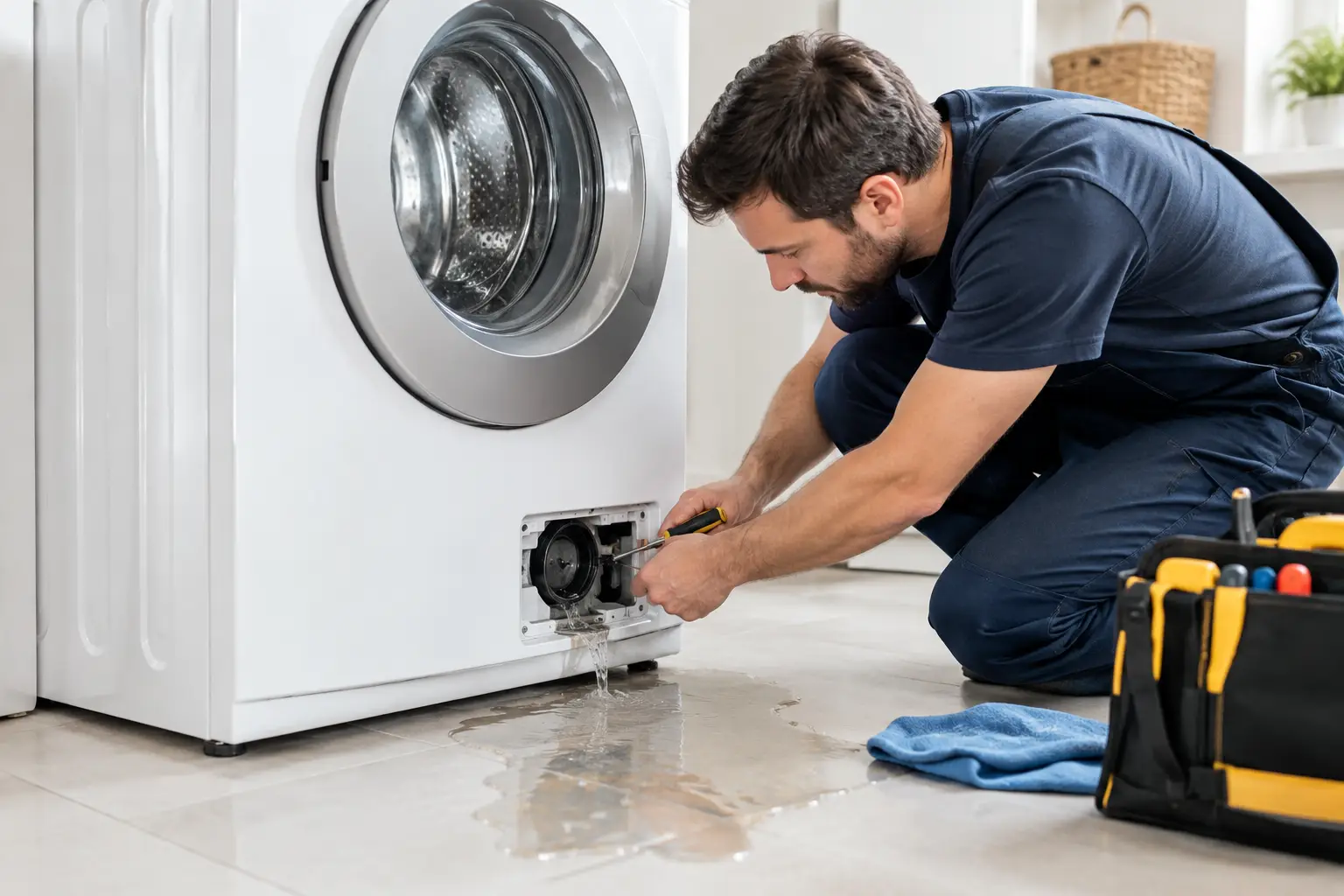
If you notice water left behind after a cycle, a musty smell that returns quickly, or gurgling sounds during drain-out, do not write it off as normal. These can point to a partially clogged filter, kinked hose, or pump issue. In front-load machines, checking and cleaning the pump filter can help if your model includes accessible maintenance instructions.
This is one area where timing matters. A small drainage problem is easier to fix than a washer that has been sitting with hidden moisture for months. Once mold gets into the internal system, you may notice odor in every load no matter what detergent you use.
Wash hot when it makes sense
Cold water washing saves energy and protects many fabrics, but using only cold cycles all the time can contribute to buildup. Detergent residue, skin oils, and softener film do not always break down as well in low temperatures.
That does not mean every load should be hot. It means balance helps. Running hotter cycles for towels, cleaning rags, bedding, or whites can reduce residue inside the machine. The right mix depends on your laundry habits and the fabrics you wash most often.
If your household does frequent cold washes for activewear or delicates, regular maintenance cleaning becomes even more important. Otherwise, buildup can happen gradually without obvious warning until the machine starts to smell.
Check the laundry room, not just the washer
Sometimes the washer is only part of the problem. A humid basement, poor airflow, or a clogged dryer vent nearby can keep the whole laundry area damp. Even a well-maintained washer will struggle to dry out in a space that never really ventilates.
If the room feels muggy, consider improving airflow or using a dehumidifier. This can be especially helpful in older Massachusetts homes where laundry setups are often tucked into tight utility rooms or basements. Reducing overall moisture in the room helps the machine dry faster between loads.
How to get rid of mold in washing machine drums and gaskets
If mold has already appeared, act before it spreads. Wipe visible growth from the rubber door gasket with a cloth dipped in a diluted bleach or vinegar solution, then pull back the folds of the seal and clean the hidden channel where water pools. Remove the detergent drawer, scrub it, and clear the dispenser housing. Then run a hot empty cycle with a washing-machine cleaner, bleach, or vinegar to treat the drum and drain.
Black mold in a washing machine that keeps returning after cleaning usually means moisture or residue is trapped somewhere you cannot reach, such as behind the drum or in the sump. If the smell comes back within days, or you see mold on parts you cannot fully clean, the machine likely needs professional washer repair in Peabody, Waltham, or Brookline rather than another round of scrubbing.
When mold means you need professional service
Some washer odor problems are maintenance issues. Others point to worn parts or hidden buildup that needs a proper diagnosis. If you have cleaned the gasket, reduced detergent, aired out the drum, and run maintenance cycles but the smell keeps coming back, there may be residue in the outer tub, drain pump, or hose system.
You should also pay attention to visible black mold on the door seal, recurring drainage trouble, leaks, or clothes that still smell musty after washing. Those signs often mean the issue is beyond surface cleaning. A trained technician can identify whether the fix is a blocked drain path, a failing pump, a damaged gasket, or deeper contamination inside the machine.
At that point, guessing usually costs more time than it saves. Fast, accurate service protects the washer and helps you avoid repeat problems.
A washer should leave clothes clean, not make the laundry room smell worse. If you stay ahead of moisture, residue, and drainage issues, mold usually stays manageable – and often avoidable. A few steady habits now can save you from stubborn odors, damaged parts, and a much bigger repair later.
Frequently Asked Questions
Why is there mold in my washing machine?
Mold needs moisture, warmth, and a food source, and a washer supplies all three: a humid drum, a warm room, and leftover detergent, softener, and lint to feed on. High-efficiency and front-load machines are especially prone because they use less water, so residue rinses away less completely.
How do I get rid of mold in my washing machine?
Wipe the door gasket and drawer with a diluted bleach or vinegar solution, clean the hidden folds of the rubber seal and the dispenser housing, then run a hot empty cycle with a washing-machine cleaner, bleach, or vinegar. Repeat until the odor is gone and leave the door open to dry.
How do I clean black mold from the washing machine rubber gasket?
Pull back the folds of the rubber door boot and wipe the trapped water channel with a bleach or vinegar solution, then dry it thoroughly. If black mold in the washing machine gasket keeps returning after cleaning, moisture is likely trapped behind the drum and the machine needs professional attention.
How do I stop mold from coming back in my washer?
Leave the door and detergent drawer open to dry after each load, use the correct amount of high-efficiency detergent, run a monthly cleaning cycle, and fix any drainage problems quickly. Consistent drying is the single most important habit for keeping mold away.
When should I call a professional about washer mold?
Call a technician if the smell returns within days of a thorough cleaning, if mold appears on parts you cannot reach, or if you also notice drainage problems or standing water. Homeowners in Billerica, Reading, and across Massachusetts can have Fasteny Appliance Repair find the trapped moisture source.
Conclusion
Mold in a washing machine is common, but it is also one of the most preventable washer problems. Dry the gasket and drawer after each load, use the right amount of detergent, run a monthly cleaning cycle, and stay ahead of drainage issues. If mold has already taken hold, clean it thoroughly, and watch whether it comes back.
When the smell keeps returning no matter how carefully you clean, the moisture source is usually hidden inside the machine. Whether you are in Billerica, Reading, Peabody, or Waltham, Fasteny Appliance Repair can track it down across Massachusetts. Request service online or call (617) 618-3311 to keep your washer clean and odor-free.