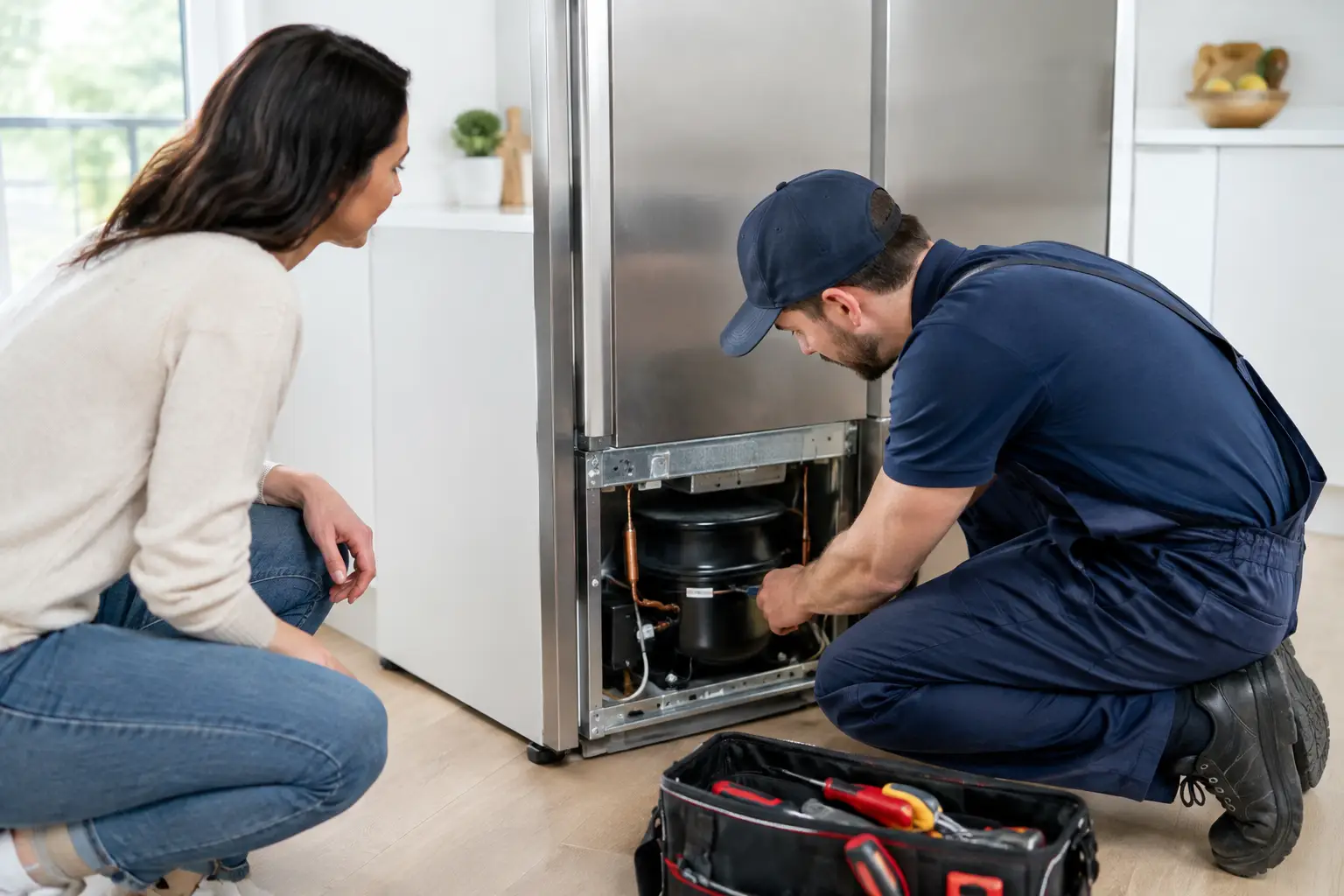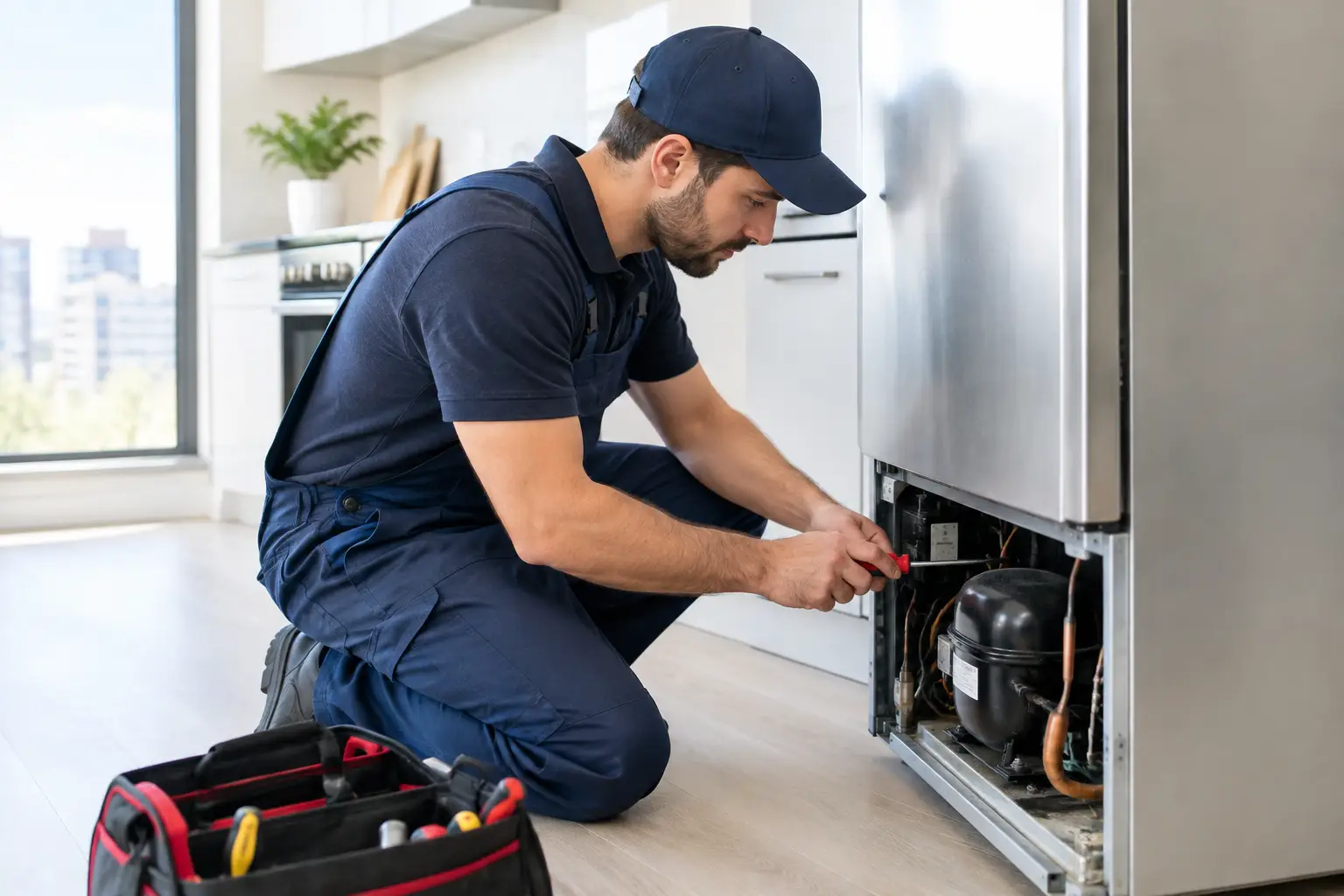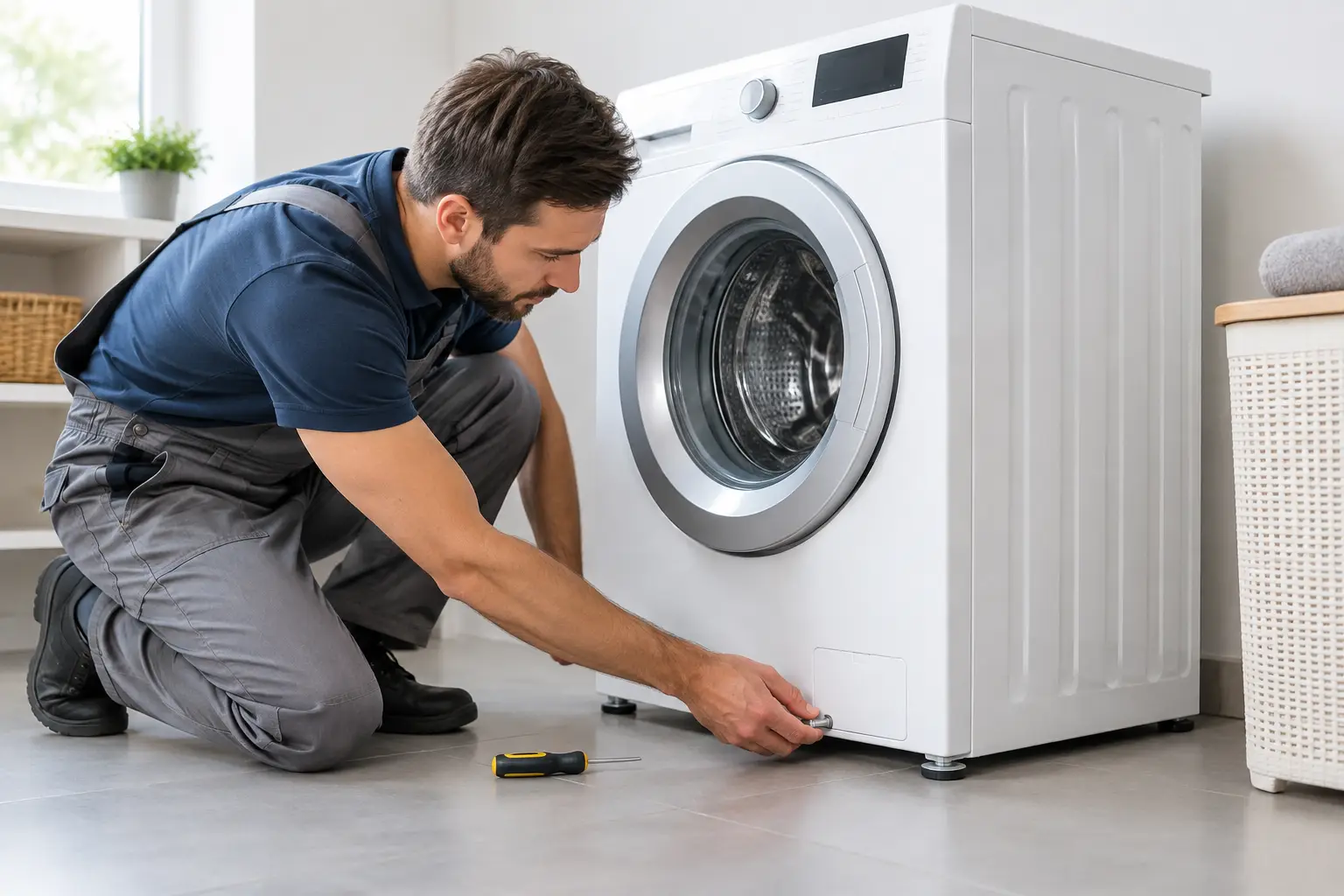
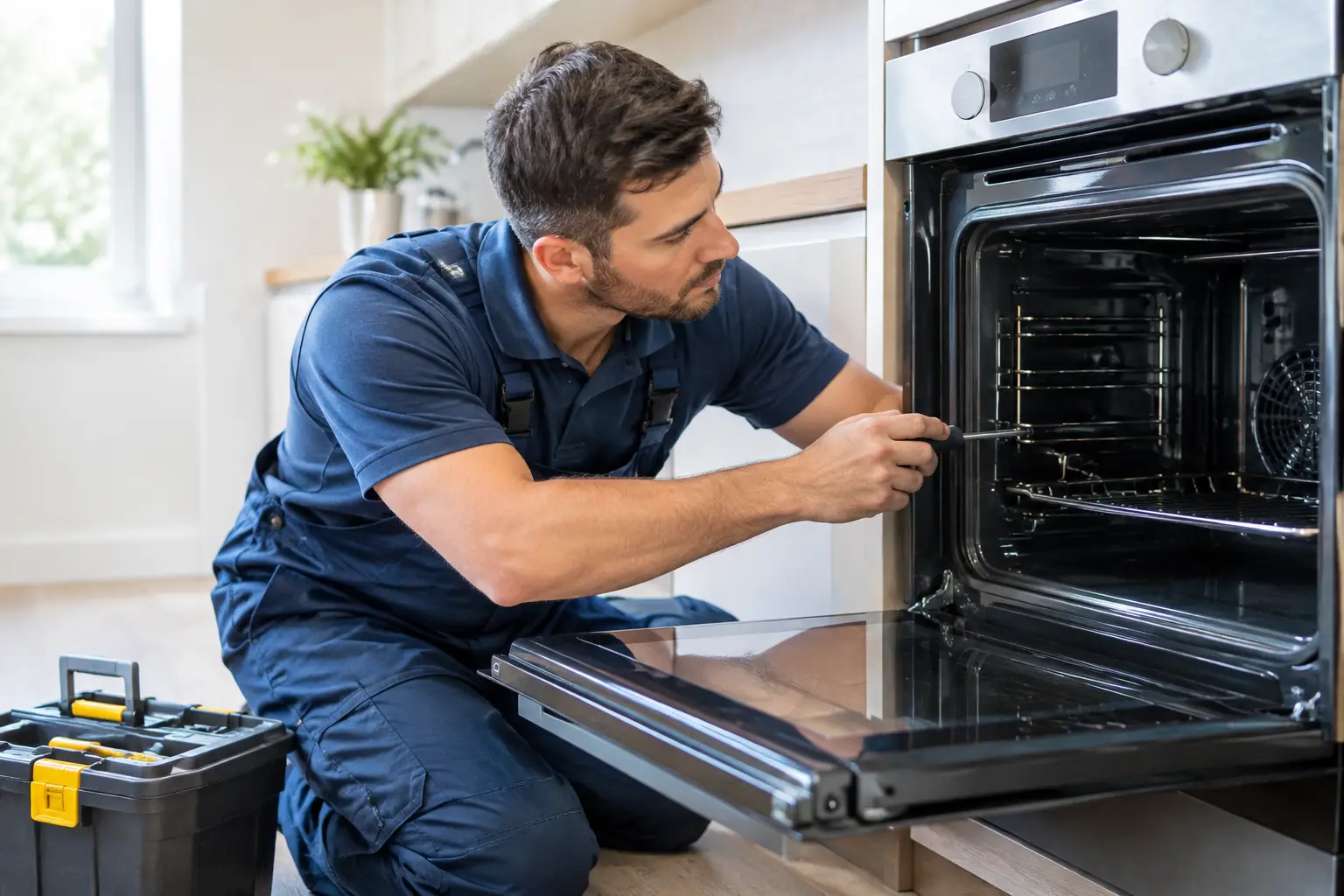
A working oven tends to be invisible until the moment it stops heating. Then dinner, meal prep, a tenant’s move-in, or a busy café’s prep schedule can quickly become a problem. This same day oven repair example shows what a prompt, professional service visit should look like, from the first symptom to a repair you can rely on.
The call: an oven that will not reach temperature
Picture a homeowner in Waltham preparing dinner for family members arriving that evening. Their electric wall oven turns on, the display appears normal, and the bake setting is selected. But after 25 minutes, the oven is still barely warm. A thermometer placed inside reads 175°F when the set temperature is 350°F.
The customer does not need to identify the failed part before calling for service. The useful details are the appliance brand, whether it is gas or electric, what setting was used, what the oven did or did not do, and whether there was any burning smell, sparking, gas odor, or error code. Those symptoms help a technician arrive prepared, but the diagnosis still needs to happen in person.
For an oven that is not heating correctly, same-day service can make a real difference. It may prevent an unnecessary replacement purchase, reduce disruption at home, and get a small commercial kitchen back to normal before the next shift. Availability depends on the schedule, location, and the type of repair needed, but a responsive repair company should be clear about the earliest appointment window instead of making vague promises.
Same day oven repair example: diagnosis at the home
At the appointment, the technician begins with the basics. That includes confirming the model number, checking the power supply, inspecting the door seal, and listening carefully to the customer’s description of the failure. In this example, the oven display is working, the control panel accepts commands, and the broiler heats properly. The bake function, however, does not bring the oven to temperature.
That difference matters. A completely dead oven can point to a power issue, tripped breaker, thermal fuse, or control failure. An oven that has power but will not bake may involve a failed bake element, igniter, temperature sensor, relay, wiring connection, or electronic control board. Replacing a part based only on a symptom is not reliable repair work.
The technician safely disconnects power as needed, removes the lower oven panel, and tests the bake element and related circuits with professional diagnostic equipment. The result is a failed bake element. It has developed an internal break, so it can no longer heat even though the oven appears to start normally.
Before any repair begins, the customer receives a clear explanation: what failed, why that part causes the symptom, what the repair involves, and the total price. This is the point where transparent pricing matters most. A fair quote should be given before the work is completed, with no surprise labor charges or unnecessary add-ons after the fact.
The repair: more than installing a new part
Because the technician has the correct replacement element available, the repair can be completed during the same visit. The damaged element is removed, the terminals and wiring are inspected for heat damage, and the new part is installed securely. The technician also checks that the mounting points are stable and that no wiring has been pinched or exposed.
Installing the part is only part of the job. The oven must be tested afterward. In this example, the technician restores power, runs the bake cycle, and verifies that the element heats as expected. A temperature check confirms that the oven reaches and maintains the selected setting within a normal range.
The customer is also shown what was repaired and advised to keep the oven interior reasonably clean, especially around the bottom panel and door gasket. Grease buildup and damaged seals do not always cause a heating failure, but they can affect performance and lead to smoke or uneven cooking.
By the end of the visit, the homeowner has a working oven in time to cook dinner. More importantly, they know what was fixed and what they paid for. That is what a same-day repair should deliver: a sound diagnosis, an honest quote, a tested repair, and a clear answer to the problem.
When an oven can be repaired the same day
Many common oven problems are good candidates for same-day repair when the technician has the needed part on the truck or can obtain it locally. Failed bake or broil elements, faulty igniters, worn door hinges, temperature sensors, loose wiring connections, and some common switches can often be addressed quickly.
Still, same-day completion is not guaranteed in every case. Some ovens require a model-specific control board, a specialty gas valve, a door glass assembly, or another part that must be ordered. Older appliances can also create complications if parts are discontinued. A trustworthy technician will explain the options plainly rather than forcing a rushed repair that is unlikely to last.
For example, if an oven has an intermittent electronic control failure, replacing a heating element may not solve the real issue. The technician may recommend ordering the correct board after confirming the diagnosis. That can mean a next-day or later follow-up visit, but it is better than charging for a part that does not fix the oven.
What customers can do before the technician arrives
There is no need to take apart an oven or attempt electrical testing. That can create safety risks and make the original issue harder to diagnose. A few simple steps can help make the appointment more efficient.
Make sure the oven is accessible and remove cookware from inside. If there is an error code, write it down or take a photo. Have the model number available if possible, usually found around the oven door frame, storage drawer area, or side panel. It is also helpful to note whether the problem happens on bake, broil, convection, or every setting.
If you smell gas, hear hissing, see sparks, notice smoke that does not clear, or suspect an electrical short, stop using the appliance. Turn off the gas supply or electrical breaker only if it is safe to do so, keep people away from the area, and seek immediate professional help. A repair visit for a heating issue is routine. A possible gas leak or electrical hazard requires more urgent caution.
Why the first diagnosis matters
An oven repair that seems simple can have more than one possible cause. That is why the lowest quoted price is not always the best value. A technician who guesses may replace parts repeatedly, leaving you with more cost and more downtime. A technician who tests the appliance carefully can identify the fault, explain the repair, and help you decide whether fixing the oven makes sense.
For homeowners, landlords, and local businesses across Greater Massachusetts, speed should not mean shortcuts. Fasteny Appliance Repair focuses on prompt scheduling, certified technical expertise, straightforward quotes, and repairs completed with care. When the part is available and the issue is safely repairable, a same-day visit can restore an essential appliance without turning one bad oven into a week-long disruption.
If your oven is heating slowly, cooking unevenly, showing an error code, or not turning on at all, the best next step is to describe the symptom clearly and schedule a professional diagnosis. A reliable repair starts with getting the right answer, then getting your kitchen back to work.