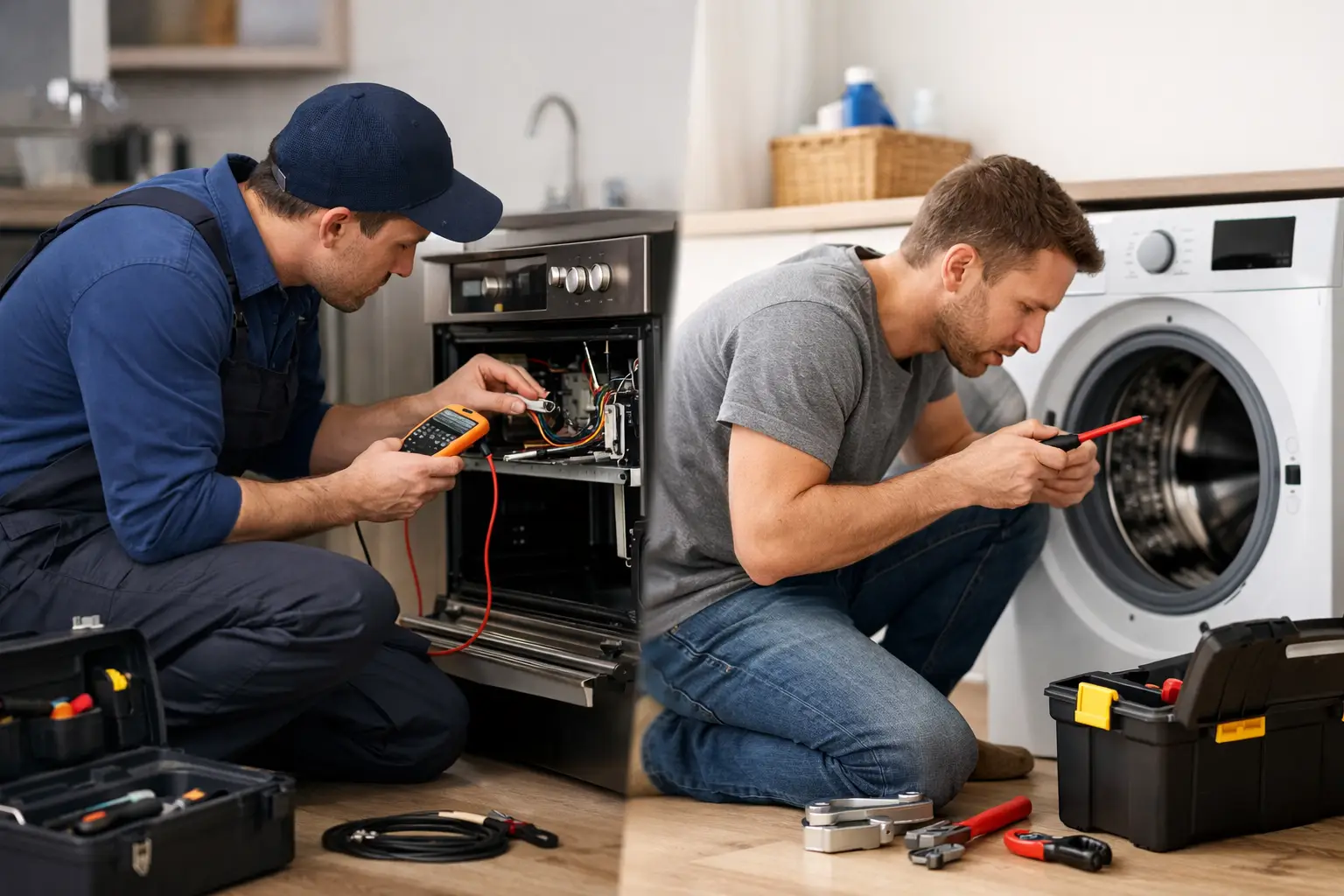
A refrigerator that stops cooling on a Friday afternoon or a washer that leaves a floor full of water creates a quick decision: try to fix it yourself or call for service. Professional versus DIY appliance repair is not simply a question of saving money. It is a decision about safety, the real cause of the problem, the risk of making damage worse, and how quickly you need the appliance working again.
A few homeowner checks can be useful and may solve a minor issue. But major appliances combine electricity, water, heat, moving parts, and sometimes gas. Knowing where to draw the line can protect your home, your budget, and your peace of mind.
When DIY Appliance Repair Makes Sense
DIY is most appropriate when the issue is simple, visible, and low-risk. Before assuming an appliance has failed, check the basics. Make sure it has power, confirm a breaker has not tripped, inspect the outlet if it is safe to do so, and look for a loose plug. For a dishwasher or washer, verify that the water supply valve is open and the drain hose is not kinked.
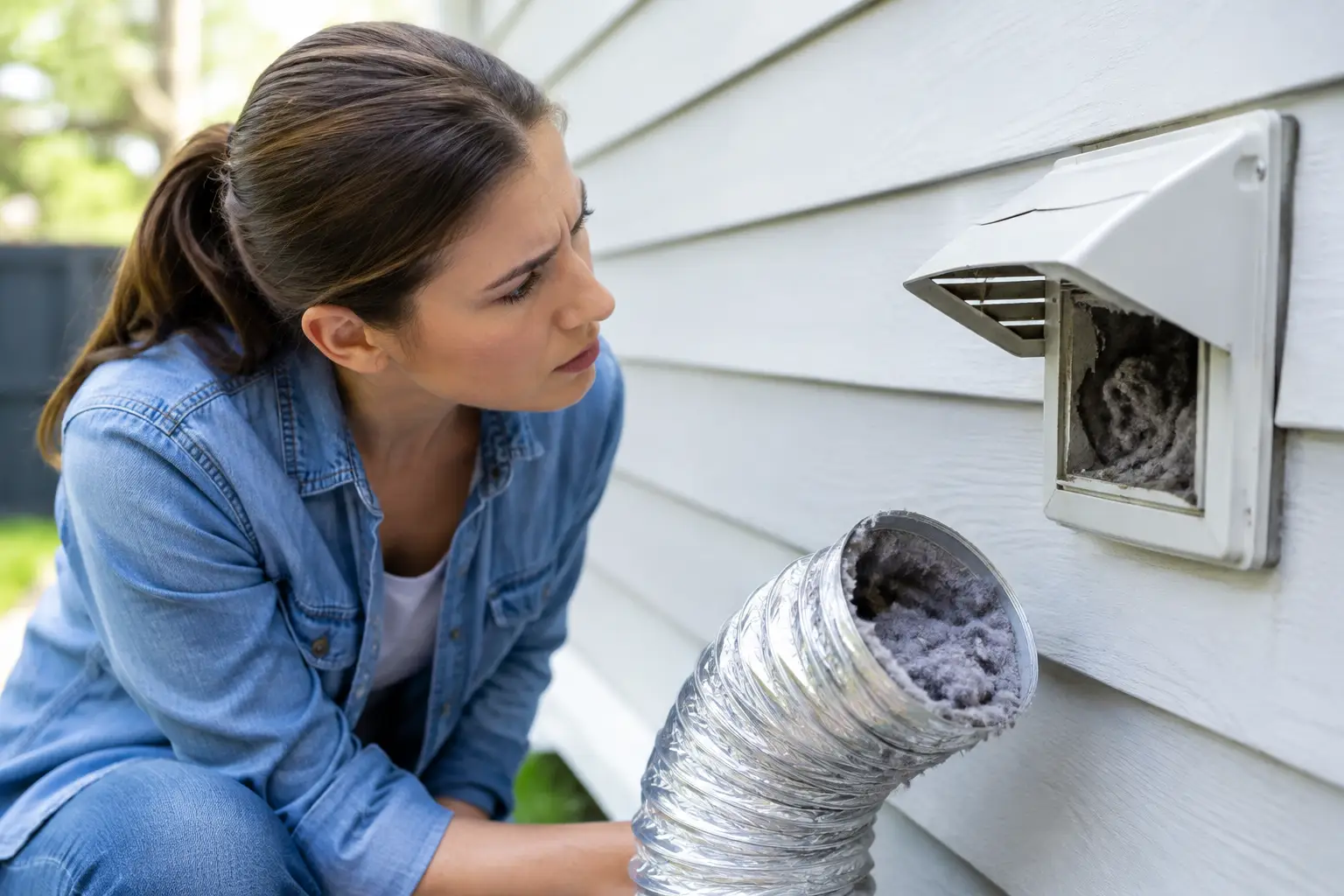
Cleaning is another reasonable do-it-yourself task. A dryer may take too long to dry because its lint screen or accessible vent connection needs attention. A dishwasher may drain poorly because food debris is caught in the filter. A refrigerator may seem warm because dust has built up around accessible condenser coils or because its door gasket is dirty and not sealing well.
Owner manuals can also help with straightforward maintenance and error messages. If the manual identifies a safe reset procedure or explains how to clear a filter, following those instructions is often worthwhile. The key word is safe. Do not take apart panels, bypass safety switches, or touch wiring just because a video makes the repair look easy.
DIY work can save a service call when the solution is basic. It also gives you useful information if you do need a technician. You can report what the appliance is doing, when the problem began, and which simple checks you have already completed.
Where DIY Repairs Can Become Expensive
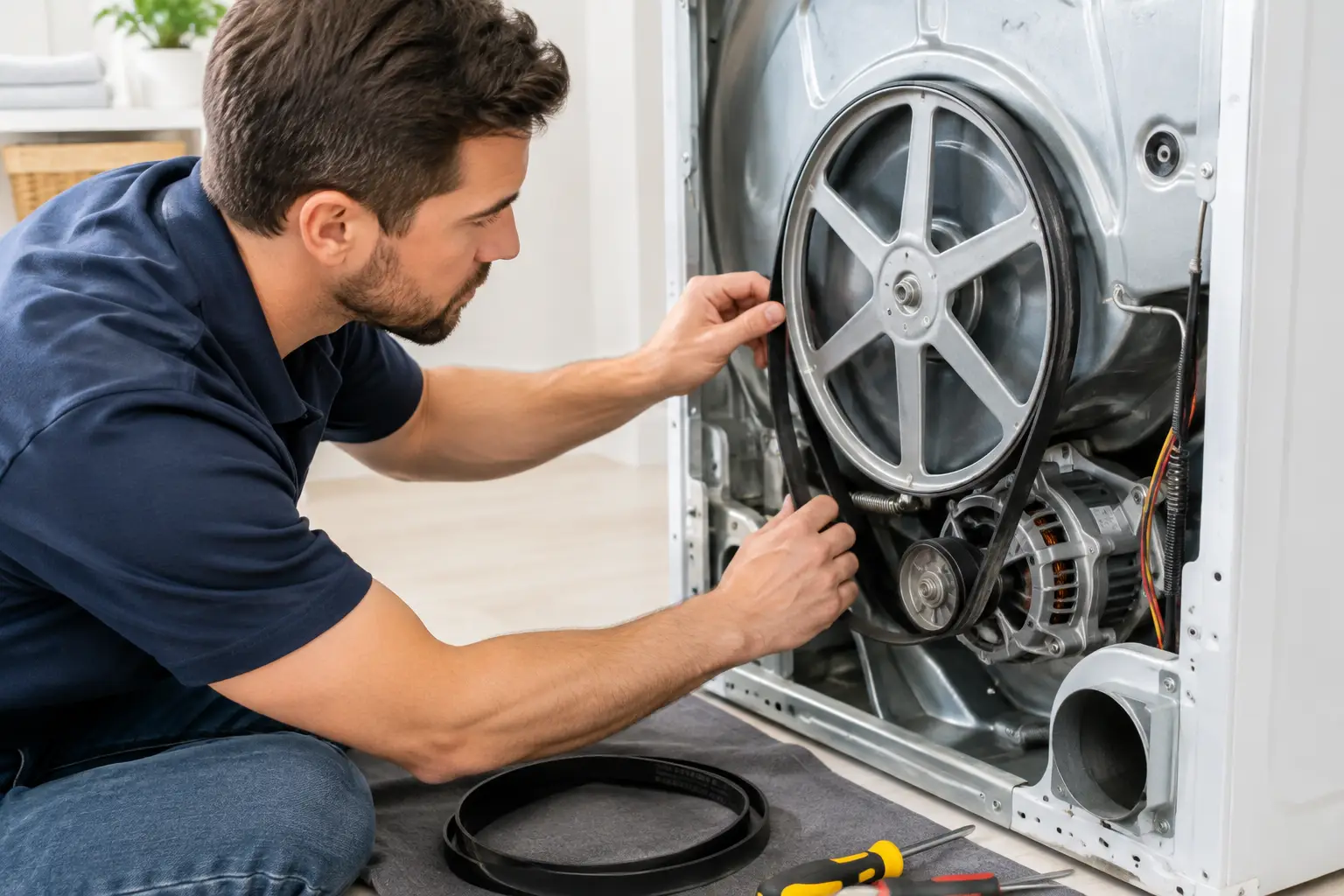
The cost of a repair attempt is not limited to the price of a replacement part. A wrong diagnosis can lead to ordering parts that do not solve the issue. An incorrectly installed gasket, pump, heating element, or hose can create a new problem that is harder to identify later.
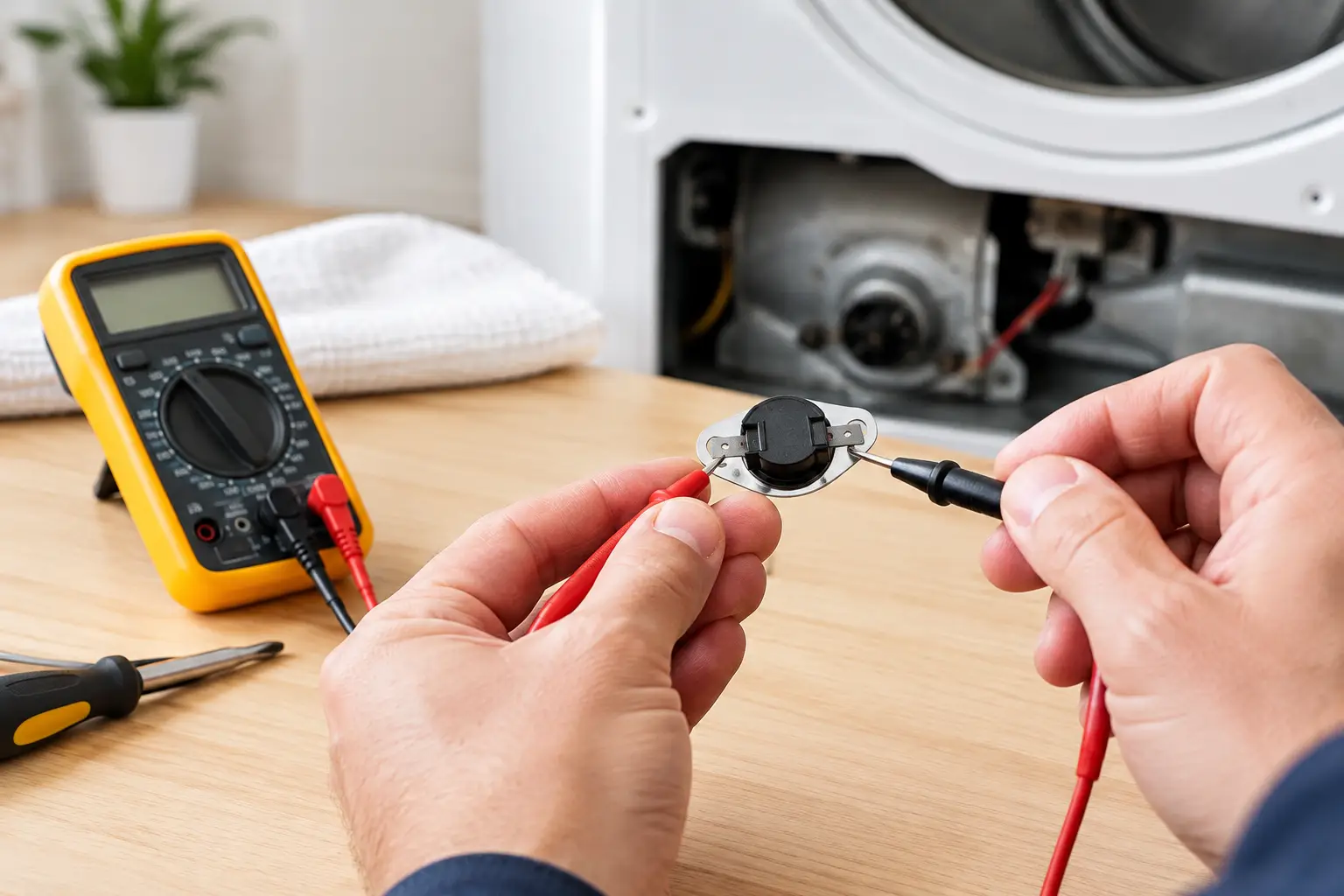
Appliances also have interdependent systems. A dryer that will not heat may have a failed heating element, thermostat, thermal fuse, control board, wiring issue, or venting problem. Replacing the most obvious part without testing the system can waste both time and money. The same is true of a refrigerator that is not cooling. The issue may involve airflow, a fan motor, a defrost component, a sensor, a control board, or a sealed-system problem.
Water-related repairs deserve extra caution. A small washer leak may come from a loose supply hose, but it can also come from a worn door boot, cracked pump housing, damaged tub seal, or internal hose. A dishwasher leak can affect flooring, cabinets, and the space below it before you notice the full extent of the damage. Turning off the water supply and arranging a proper diagnosis is usually the smarter choice when the source is not immediately obvious.
There is also the warranty question. Newer appliances may still have manufacturer coverage, while parts may carry their own warranty terms. Unauthorized repairs or damage caused during a DIY attempt can complicate a future claim. Check the paperwork before opening the appliance.
Professional Versus DIY Appliance Repair: The Safety Line
Some symptoms should move the decision firmly toward professional service. These include burning smells, sparks, repeated breaker trips, exposed or damaged wiring, gas odors, smoke, significant leaking, or an appliance that becomes unusually hot. Electrical faults are especially risky to handle without training, and the Electrical Safety Foundation advises leaving electrical repairs to a qualified professional. Turn the appliance off if it is safe to do so, disconnect power when appropriate, and shut off the water or gas supply if you know how. Do not continue testing it.
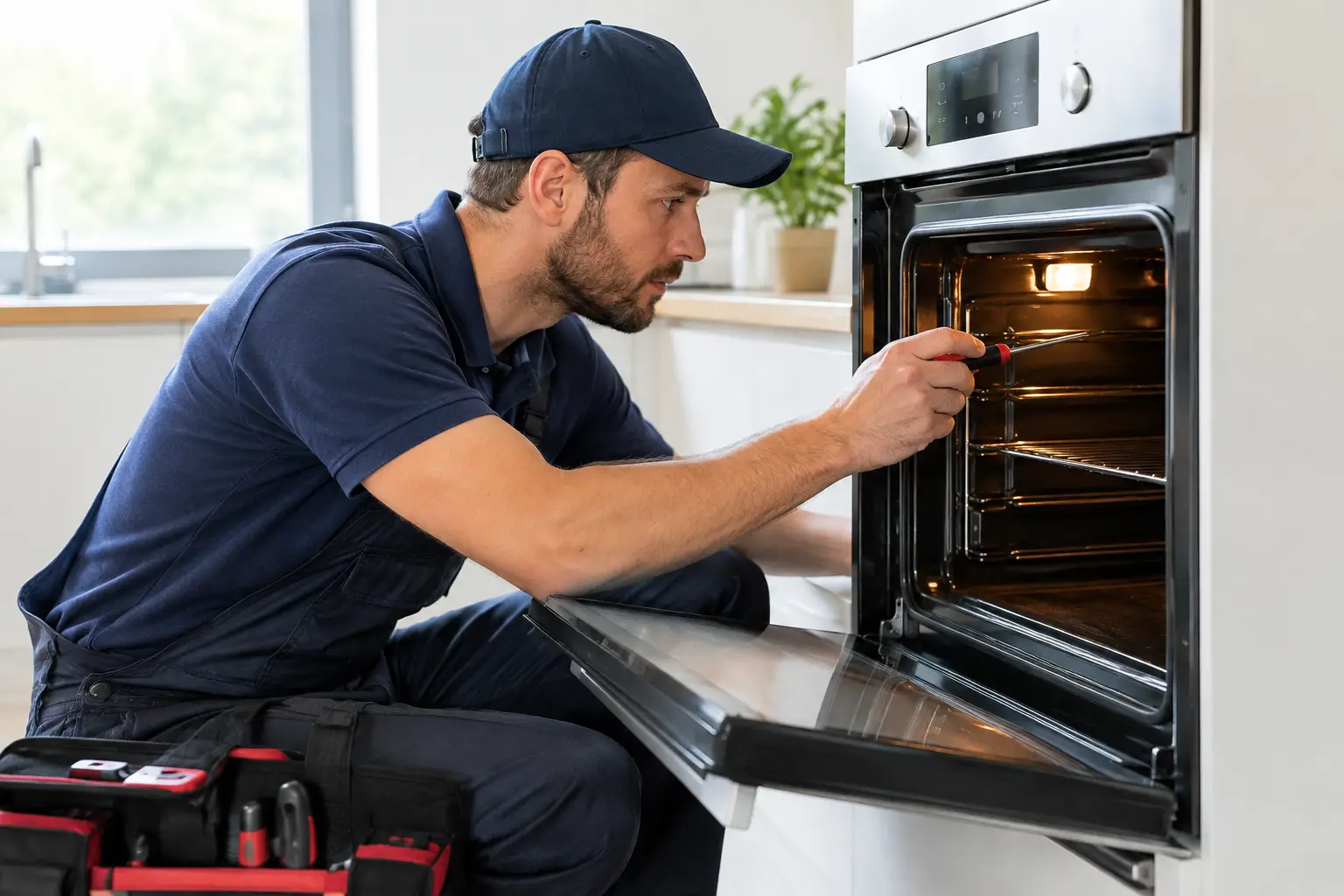
Gas appliances require particular care. Ovens, cooktops, and gas dryers need correct connections and leak testing. Even a small mistake can create a serious hazard. Electrical repairs can be just as risky, especially on 240-volt dryers, ranges, and ovens. These appliances are not comparable to changing a light bulb or tightening a loose handle.
Microwaves are another appliance best left to trained technicians once the issue goes beyond the door, turntable, or simple cleaning. Their internal components can retain dangerous electrical charge even after the unit is unplugged. A microwave that arcs, smells burned, fails to heat, or has a damaged door should not be opened at home.
What a Professional Diagnosis Actually Provides
A qualified appliance technician does more than replace a part. The first value is accurate diagnosis. Technicians use testing procedures and specialized tools to confirm why an appliance is failing, rather than guessing from one symptom. That distinction matters when several parts could produce the same result.
Professional repair also provides a clearer picture of the decision ahead. A good service visit should explain what failed, what the repair involves, the expected cost, and whether repair remains practical given the appliance’s age and condition. That allows you to make a confident choice without pressure or surprises.
For households and small businesses, time has value too. A broken refrigerator can mean spoiled groceries. A failed dryer can disrupt a busy family, a rental turnover, or a small business that depends on clean linens. Waiting days for trial-and-error repairs, parts shipments, and repeated disassembly may cost more than a prompt service call.
Fasteny Appliance Repair focuses on that practical need with certified technical expertise, clear quotes, and same-day or next-day availability when scheduling allows. For customers across Greater Massachusetts, the goal is not to turn every small issue into a repair call. It is to identify the real problem and restore essential appliances without hidden fees or unnecessary repeat visits.
A Practical Way to Decide
Start with the appliance’s symptom and the consequences of being wrong. If the appliance is unplugged, cool, dry, and the task is limited to cleaning a filter, checking a hose for a kink, or following a manufacturer-approved reset, a DIY attempt may be reasonable. Take photos before moving anything and stop if the job requires removing internal components.
Call a professional when the problem involves electrical power, gas, water inside the machine, cooling-system performance, heating failure, unfamiliar error codes, or repeated breakdowns. The same applies if the appliance is still under warranty or if you are not certain which part is causing the failure.
Age and repair history should influence the choice as well. An older appliance with a minor, well-defined issue may still be worth repairing. On the other hand, if it has had several recent failures and now needs a costly major component, it may be time to compare repair cost with replacement. A technician can give you the facts, but the final decision should fit your budget and plans for the home or property.
Get the Appliance Back Without Guesswork
There is no prize for fixing every appliance problem alone. Basic maintenance and careful troubleshooting can prevent unnecessary service calls, but serious repairs demand the right equipment, parts, and experience. When an appliance affects your safety, risks water damage, or interrupts daily life, a professional diagnosis is often the fastest path to a dependable answer.
If you are unsure, preserve the appliance and your options: stop using it, note the symptoms, and avoid turning a manageable repair into a larger one. That simple pause can save considerable frustration when the right fix is only one service visit away.
Frequently Asked Questions
When is DIY appliance repair a good idea?
DIY makes sense for low-risk tasks on an unplugged, cool, dry appliance, like cleaning a filter, clearing a kinked hose, checking for a tripped breaker, or a manufacturer-approved reset. If the job needs internal disassembly or electrical work, call a pro.
What DIY appliance repairs are unsafe?
Anything involving live electrical components, gas lines, or sealed refrigerant systems, or symptoms like a burning smell, sparks, or repeated breaker trips. These carry shock, fire, and gas risks and belong with a qualified technician.
Does DIY repair void my appliance warranty?
It can. Many manufacturers void coverage if an unauthorized person opens the unit or installs non-approved parts, so check your warranty terms before attempting an internal repair.
Is professional appliance repair worth the cost?
Often yes. A technician diagnoses the true cause, uses the right parts, and stands behind the work, which usually costs less than a repeated DIY attempt or a damaged appliance.
How do I choose a good appliance repair technician?
Look for clear pricing, experience with your brand, and a diagnostic-first approach. Our guide on choosing a repair shop vs a local technician covers what to compare, or you can request service for a quote.